Fine Motor Skills Normal Lowercase/Small Letters Worksheets for Ages 4-8
14 filtered results
-
From - To
Introduce your young learner to our Fine Motor Skills Normal Lowercase/Small Letters Worksheets, specially designed for children ages 4-8. These engaging activities help kids develop critical fine motor skills while practicing lowercase letter formation. Perfect for preschool to early elementary grades, each worksheet provides hands-on tracing and writing exercises to enhance precision and penmanship. Our expertly crafted printables support early literacy and make learning fun and effective. Boost your child’s confidence in writing with our comprehensive collection, tailor-made to foster growth and love for learning. Download today and watch them excel in their literacy journey!
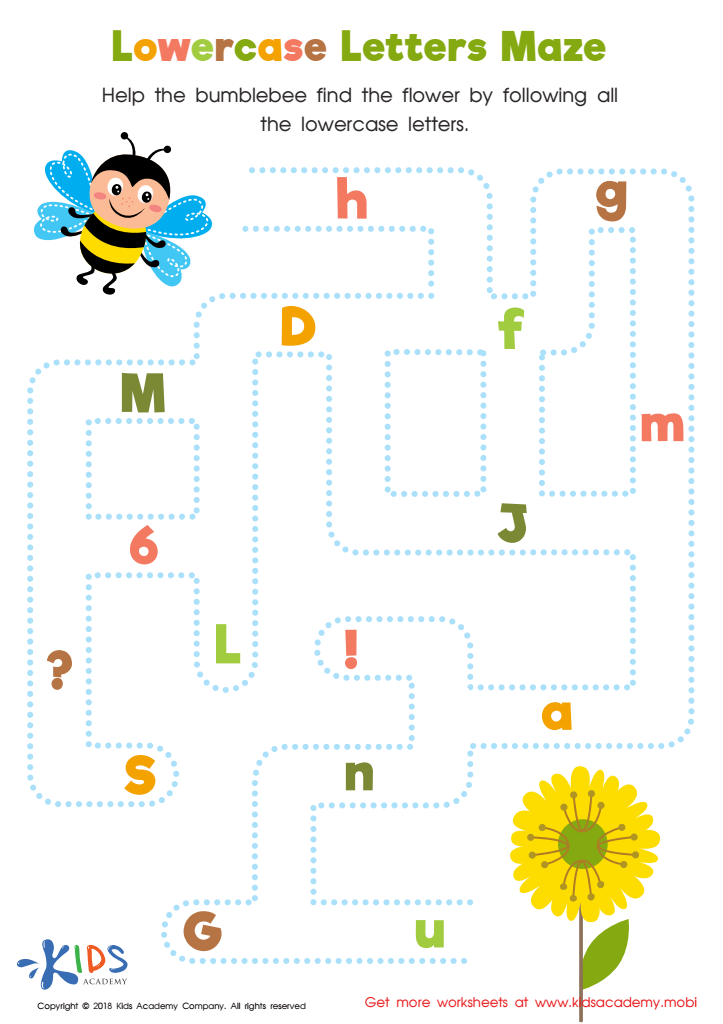
Lowercase Letters Maze Worksheet
 Assign to My Students
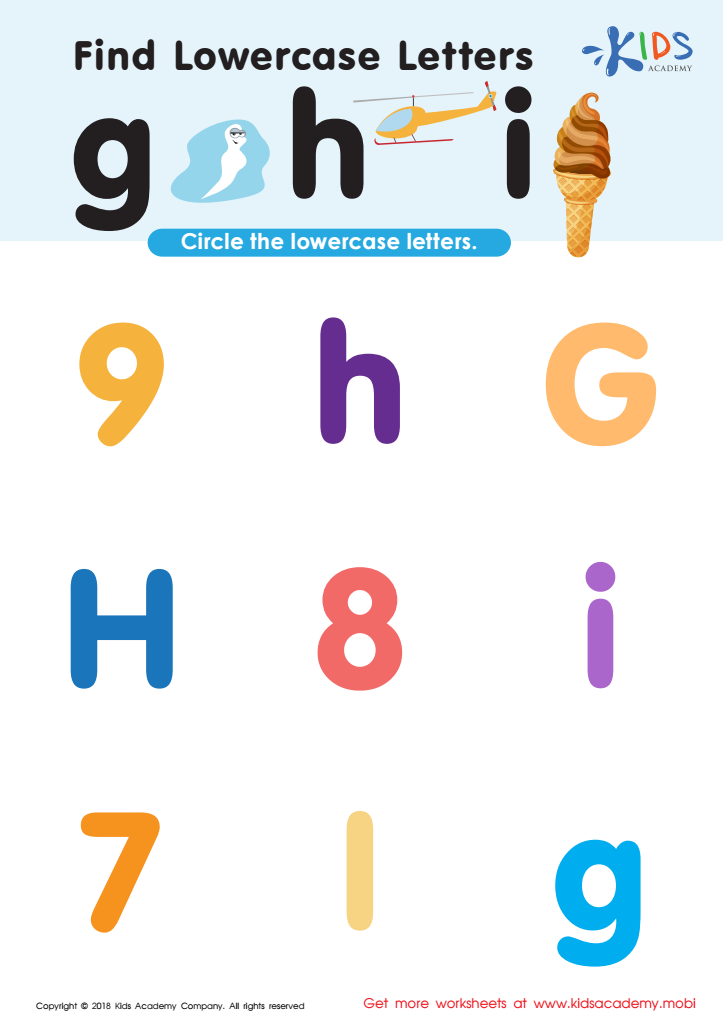
Find Lowercase Letters g h i Worksheet
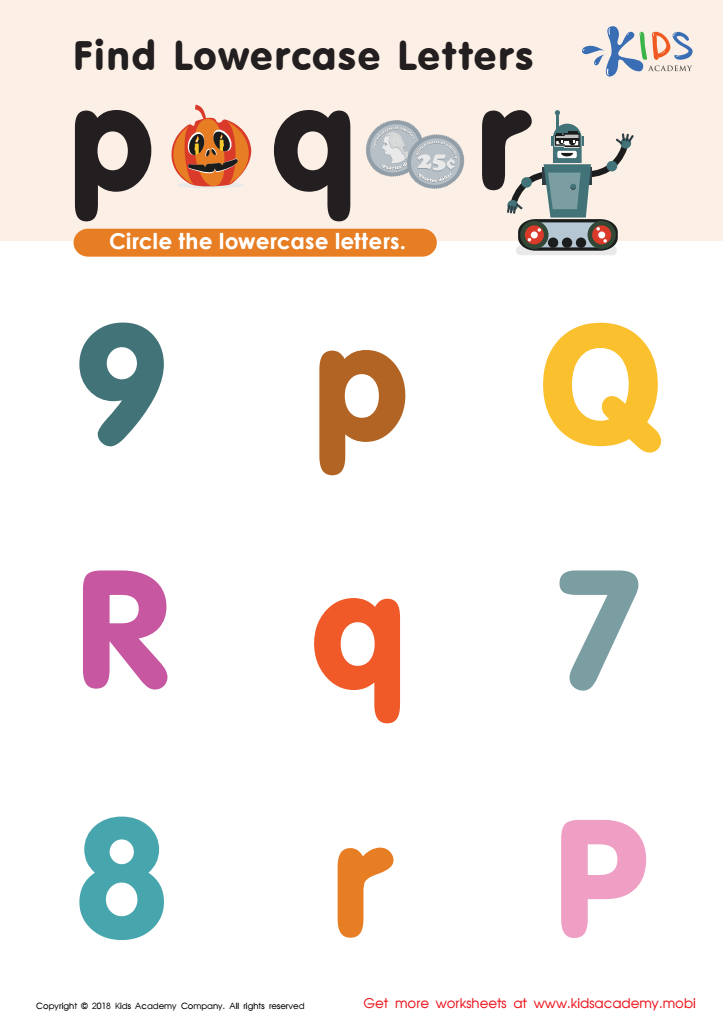
Find lowercase Letters p q r Worksheet
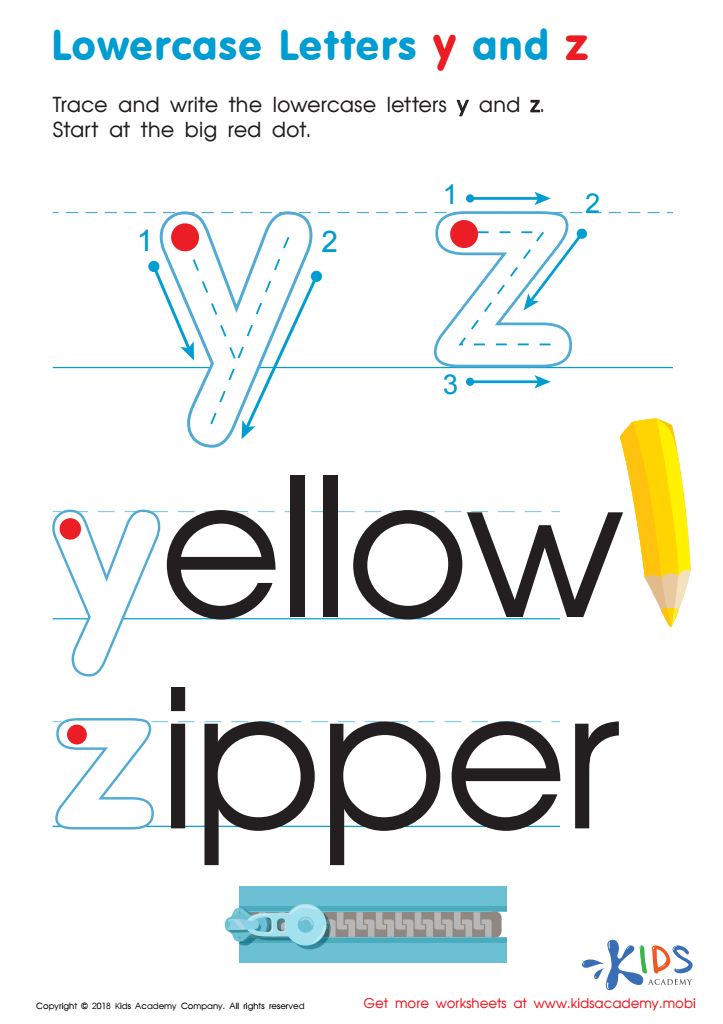
Lowercase Letters y z Worksheet
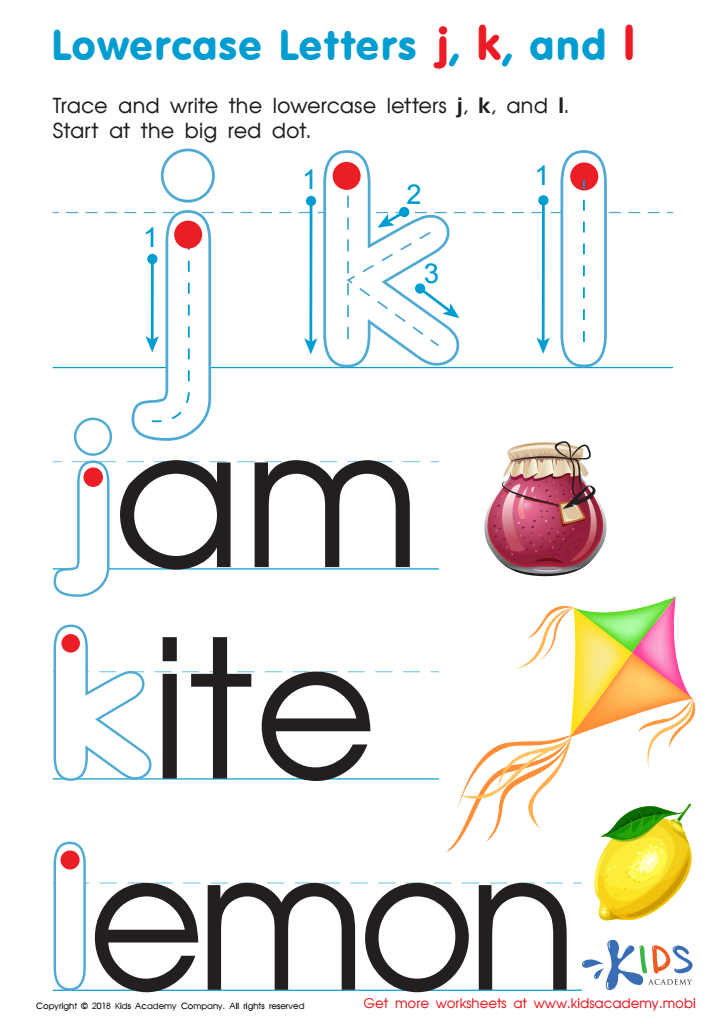
Lowercase Letters j k l Worksheet

Find lowercase Letters s t u Worksheet
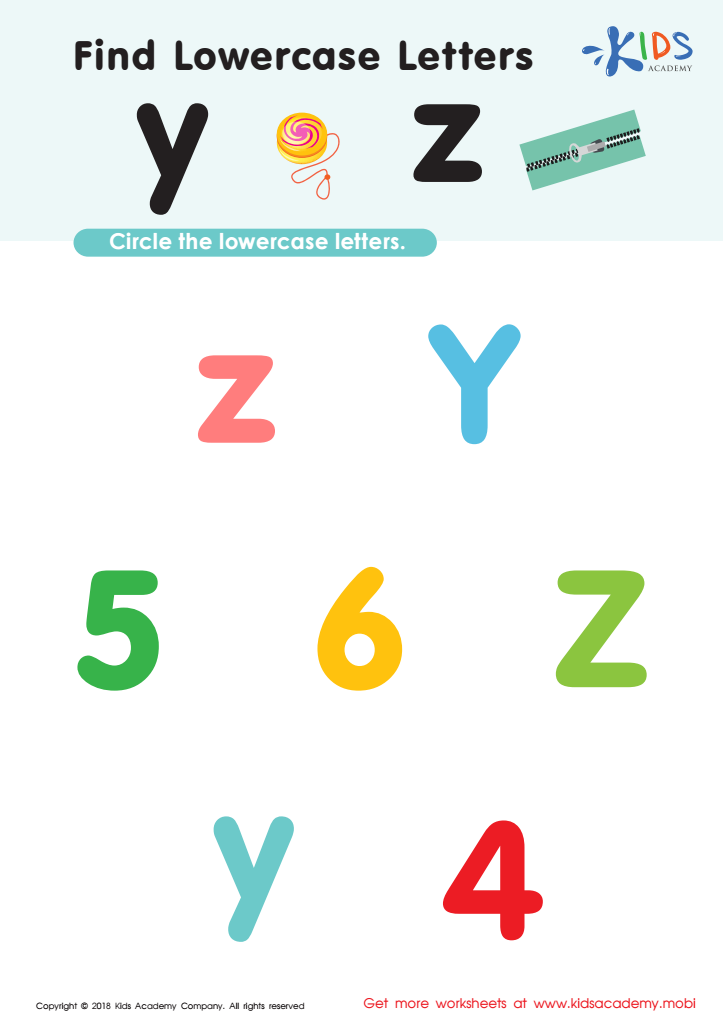
Find Lowercase Letters y z Worksheet
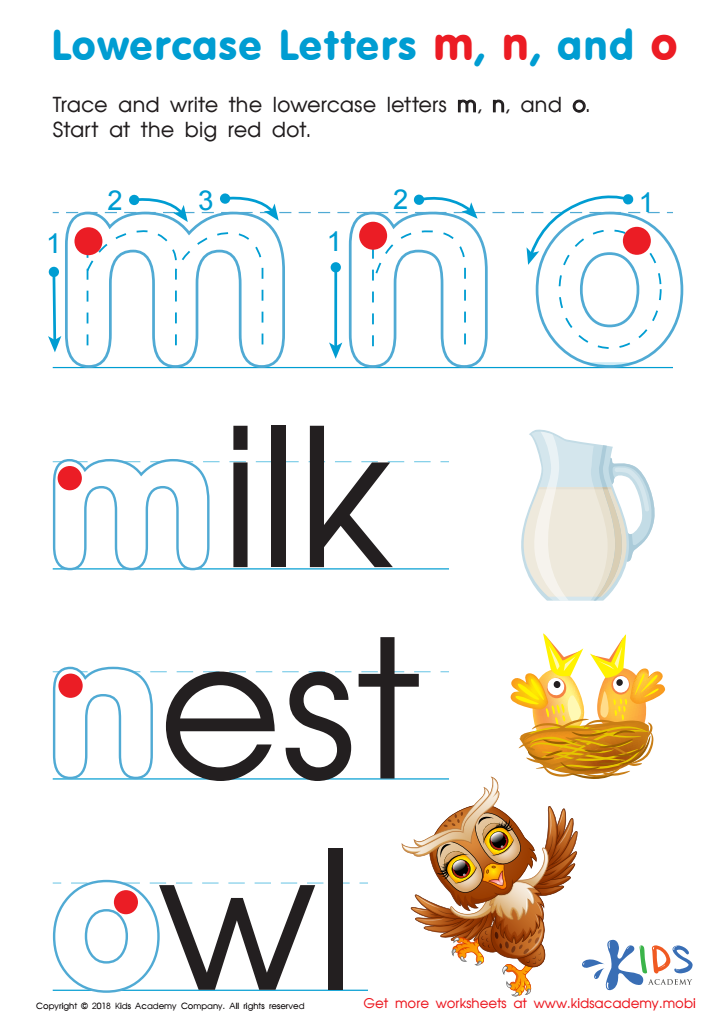
Lowercase Letters m n o Worksheet
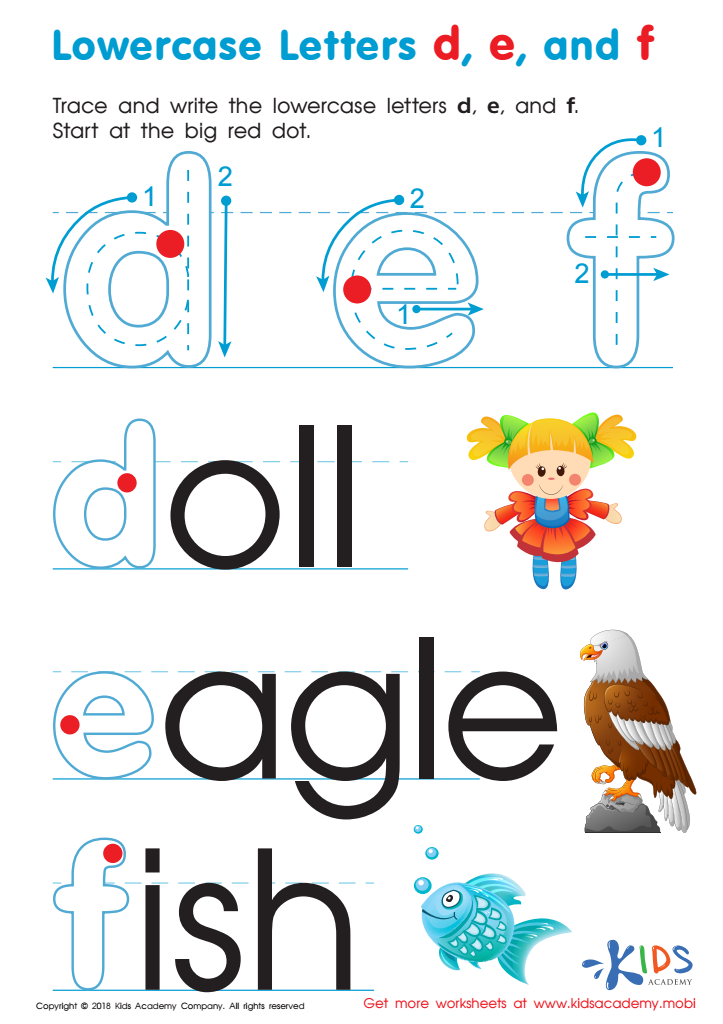
Lowercase Letters d e f Worksheet
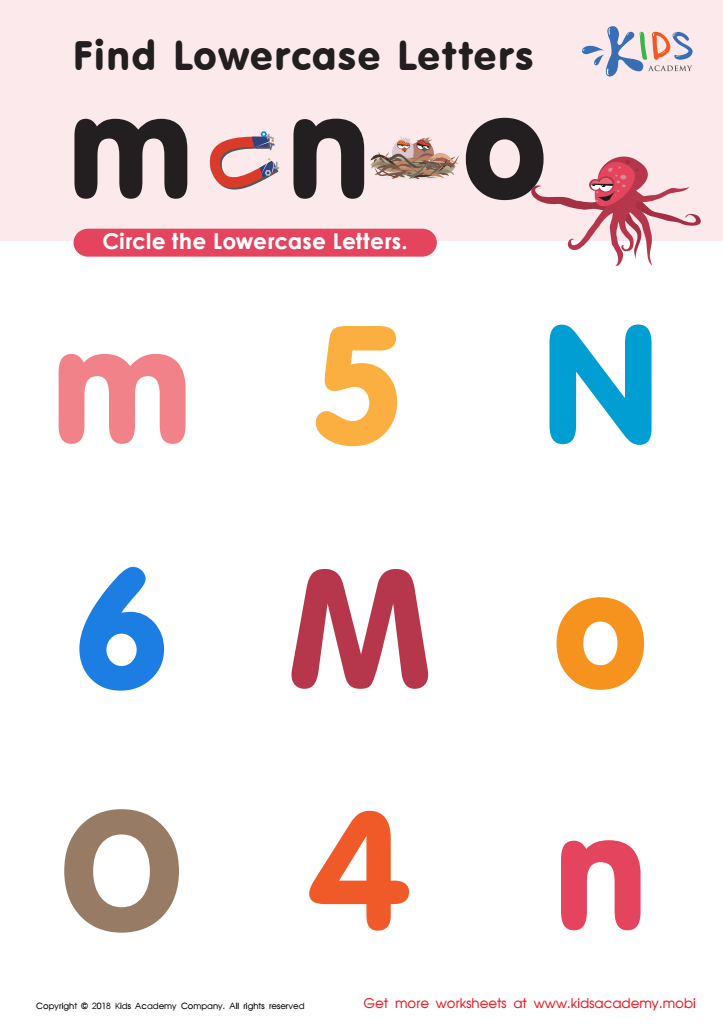
Find Lowercase Letters m n o Worksheet

Find lowercase letters a b c Worksheet
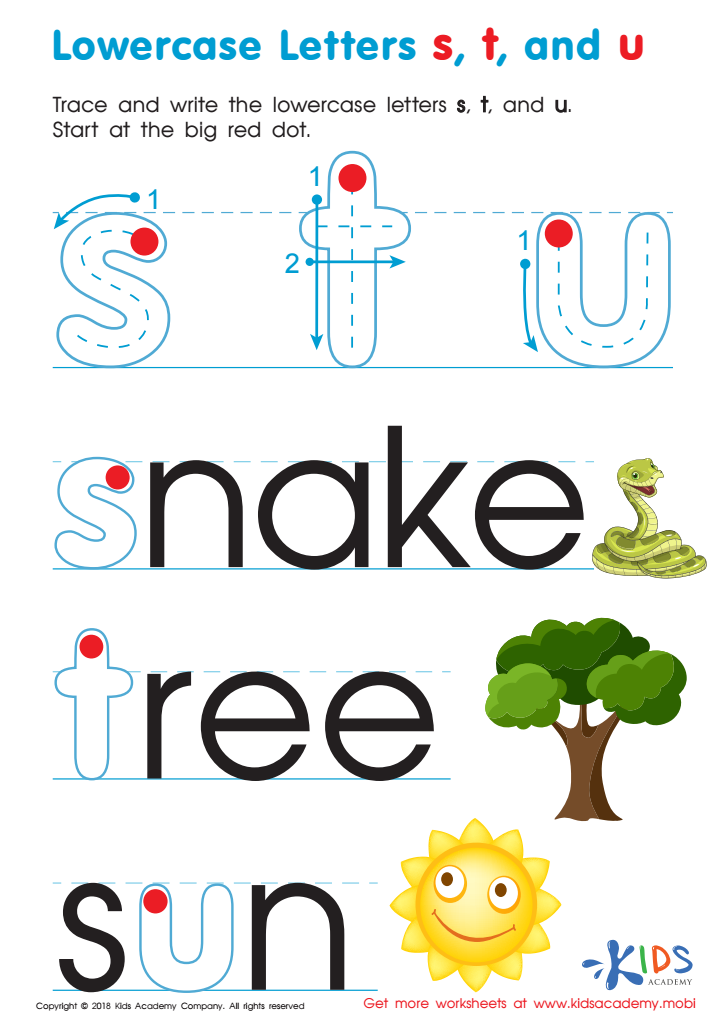
Lowercase Letters s t u Worksheet

Find Lowercase Letters v w x Worksheet
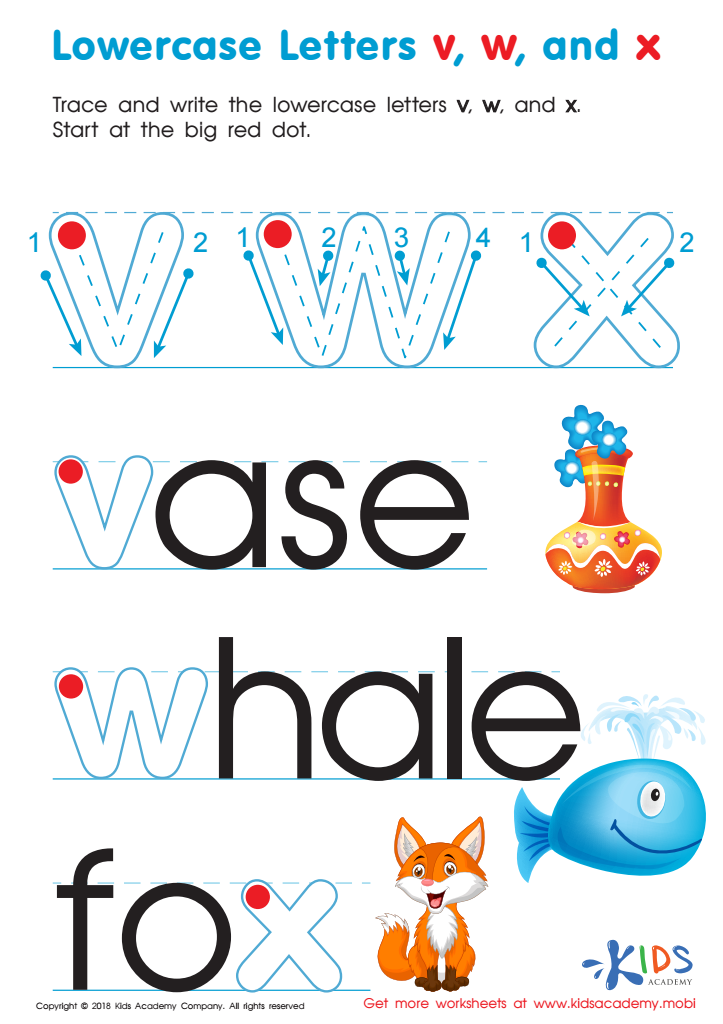
Lowercase Letters v w x Worksheet


Parents and teachers should place significant emphasis on the development of fine motor skills in children aged 4-8, as these capabilities lay the foundation for numerous essential tasks that influence both academic success and day-to-day functioning. Fine motor skills involve the precise movements of the small muscles in the hands and fingers, enabling children to perform crucial activities such as writing, cutting, buttoning clothing, and using utensils.
During the early years, children learn to form normal lowercase letters, which is vital for clear and effective written communication. Mastery of small letter formation fosters better handwriting skills, enhancing their ability to express ideas and complete school assignments efficiently. Fine motor skill development also impacts the learning of mathematics through the ability to manipulate small objects and use tools like rulers and calculators.
Moreover, strong fine motor abilities contribute to greater independence and self-care. Children become more adept at dressing themselves, handling classroom materials, and participating in art and crafts. Engaging children in activities such as coloring, playing with building blocks, and practicing letter tracing can bolster these skills.
Neglecting the development of fine motor skills can lead to struggles in school and diminished self-confidence. Early intervention and encouragement in refining these skills ensure children are better equipped for a successful educational journey and life beyond the classroom.