Phonics recognition Normal Phonics Worksheets for Ages 4-8
13 filtered results
-
From - To
Enhance your child's reading journey with our Phonics Recognition worksheets, specially designed for ages 4-8. These fun and interactive worksheets help young learners identify and understand individual sounds within words, building essential reading foundations. Featuring colorful images, engaging activities, and age-appropriate challenges, our worksheets make learning phonics enjoyable and effective. Each sheet targets specific phonetic skills, aiding children in recognizing patterns, blending sounds, and boosting literacy skills. Perfect for both classroom and at-home practice, our Phonics Recognition worksheets support every child's path to becoming a confident and successful reader. Explore extensive learning resources today!
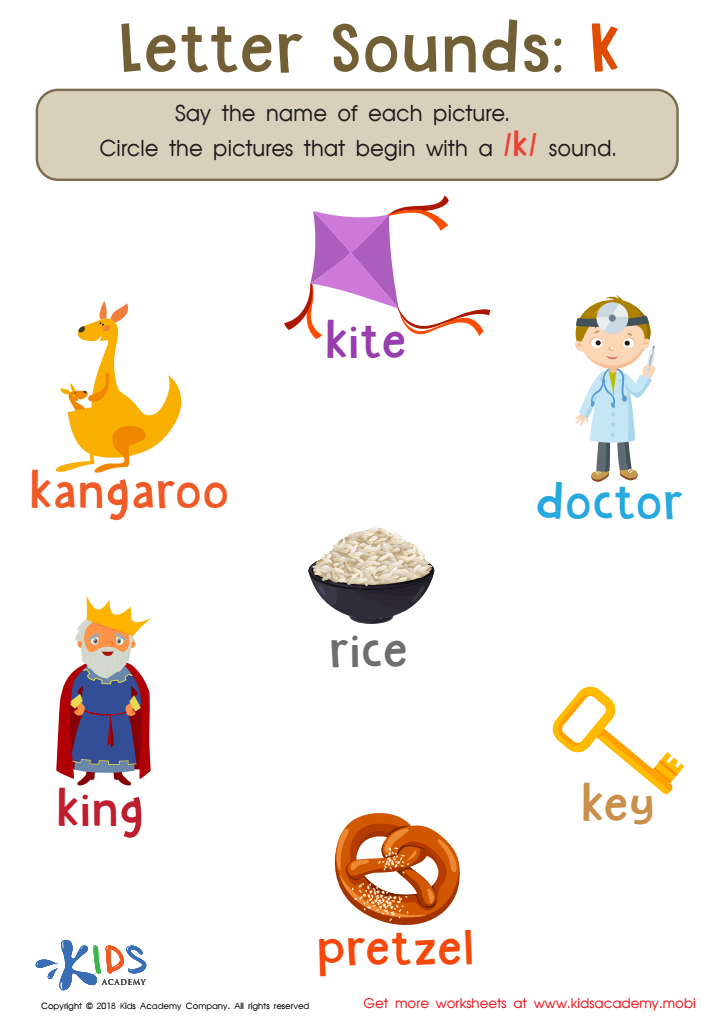
Letter K Sounds Worksheet
 Assign to My Students
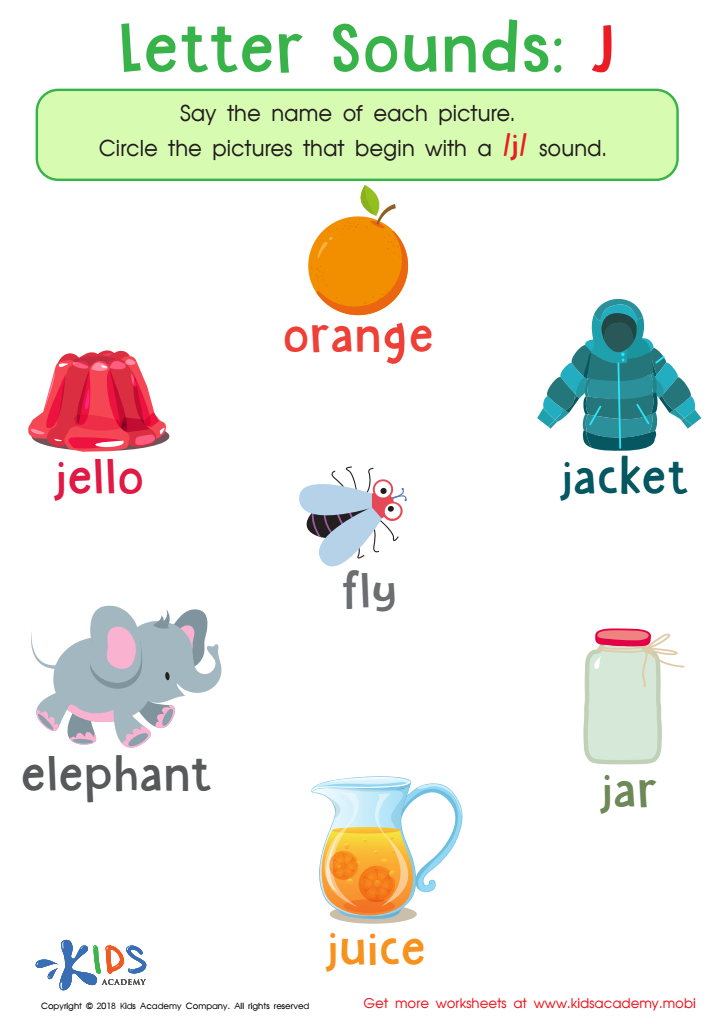
Letter Sounds: J Printable Worksheet
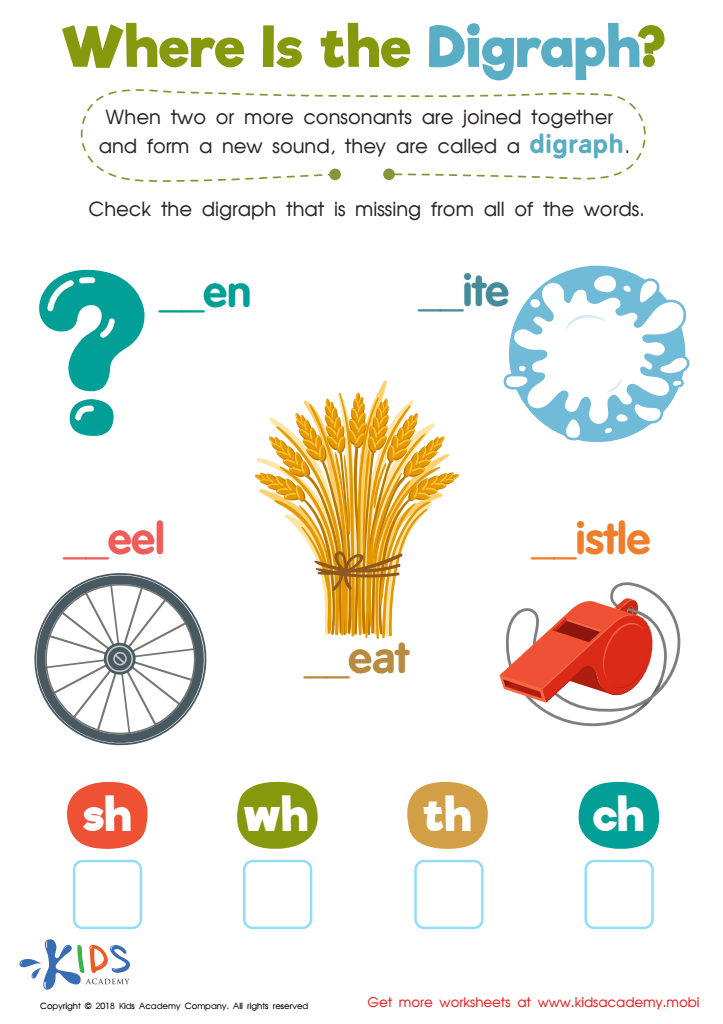
Where Is the Digraph? Worksheet
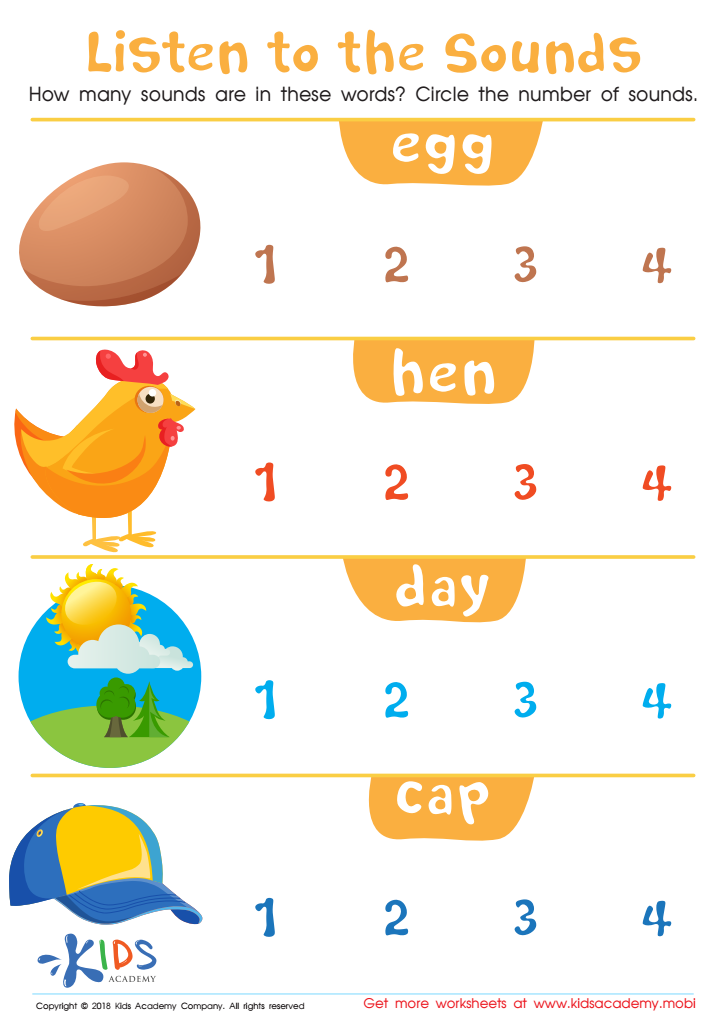
Listen to the Sounds Worksheet
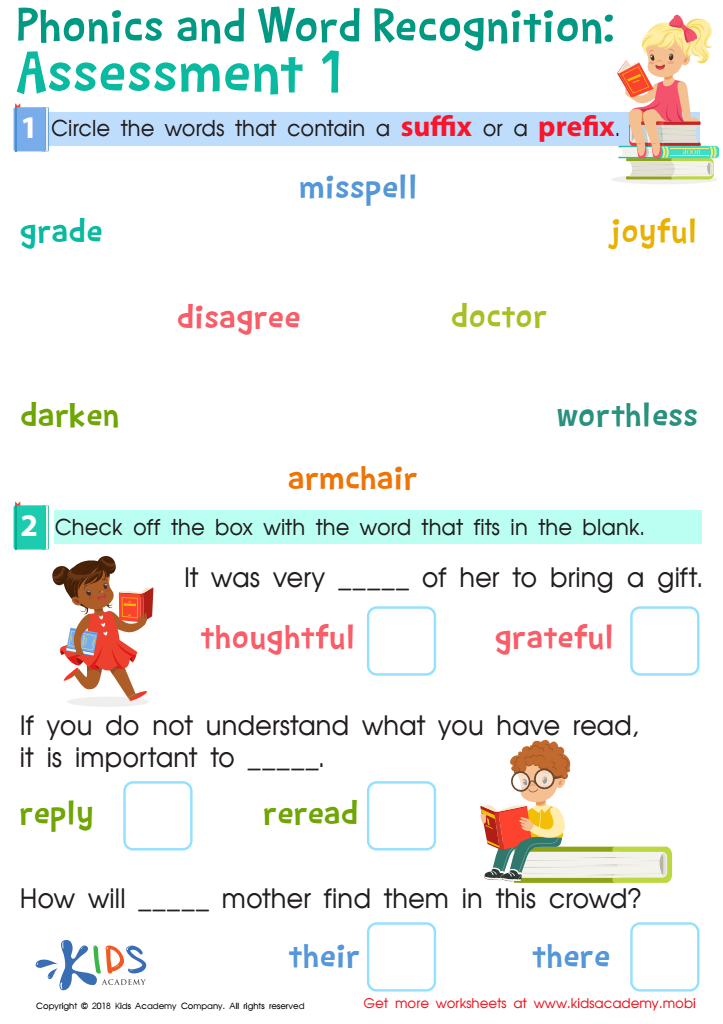
Phonics and Word Recognition: Assessment 1 Worksheet
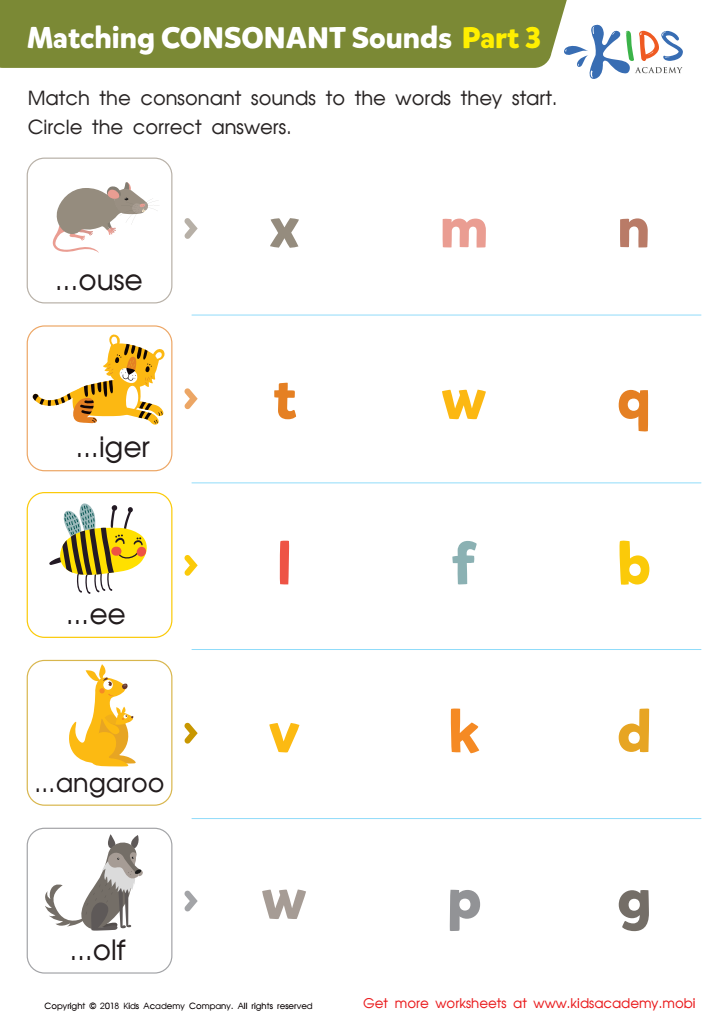
Matching Consonant Sounds: Part 3 Worksheet
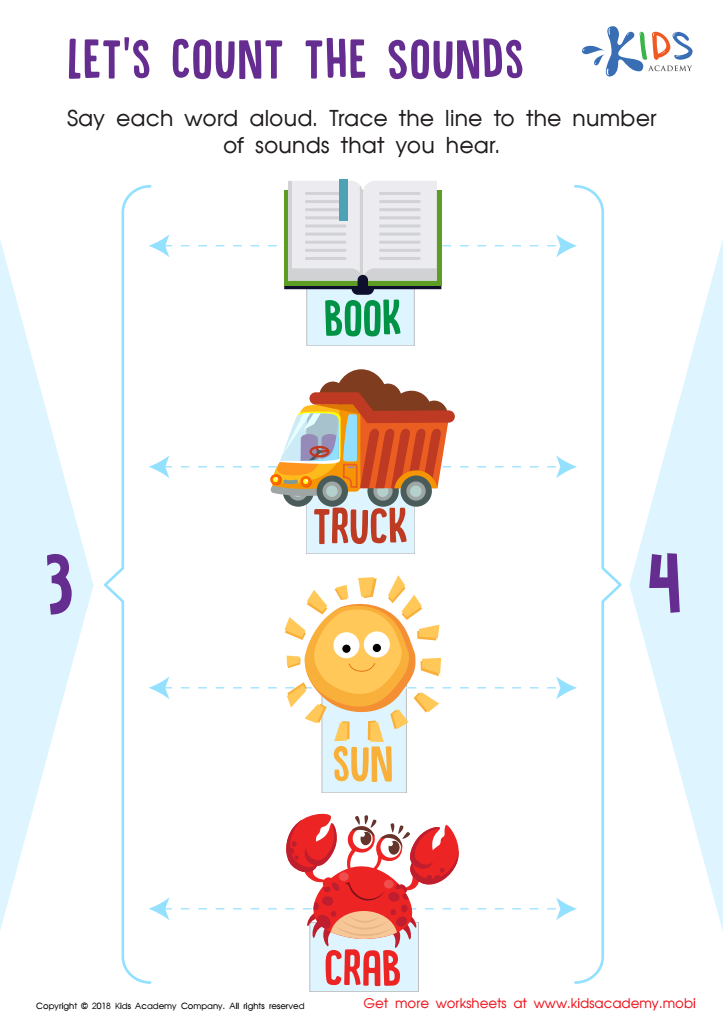
Let's Count the Sounds Worksheet
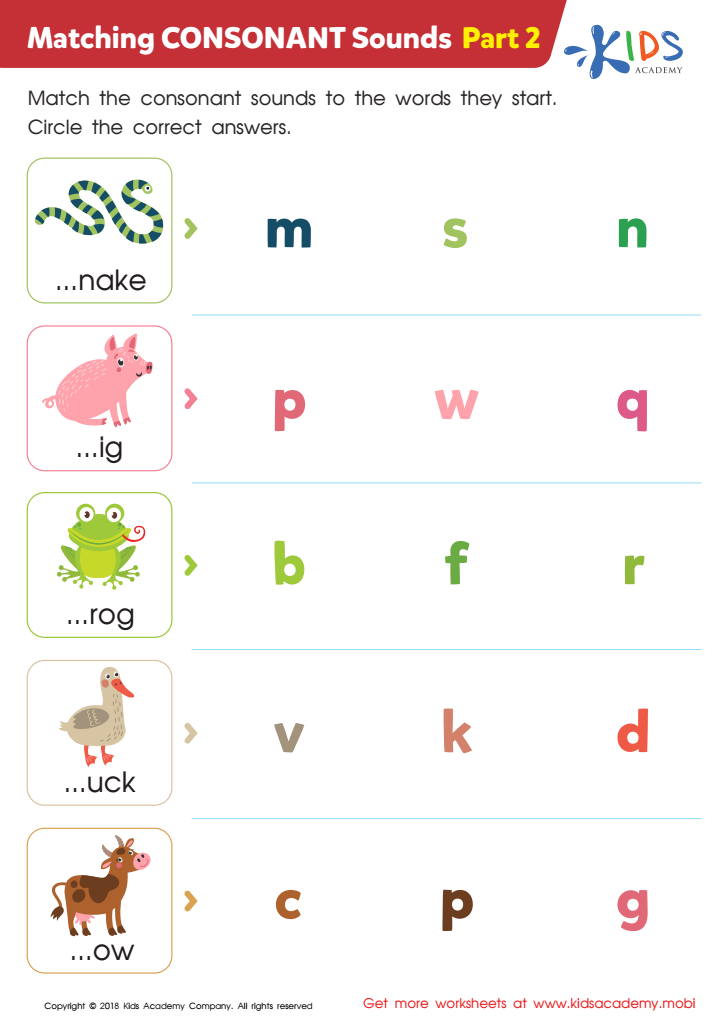
Matching Consonant Sounds: Part 2 Worksheet
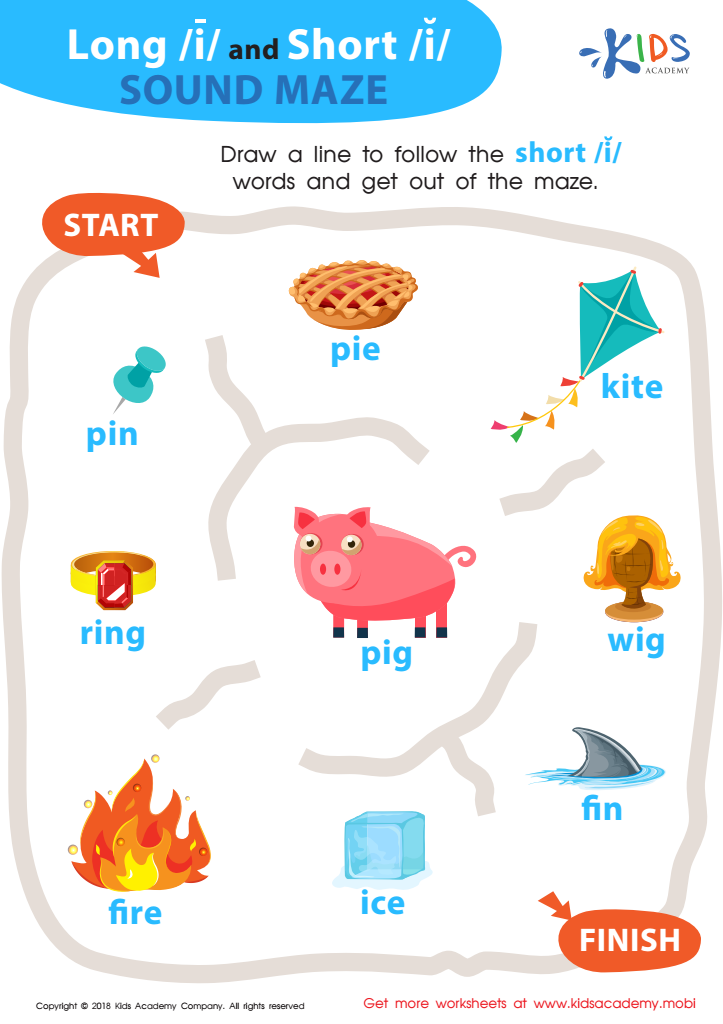
Reading: Long I and Short I Sound Maze Worksheet
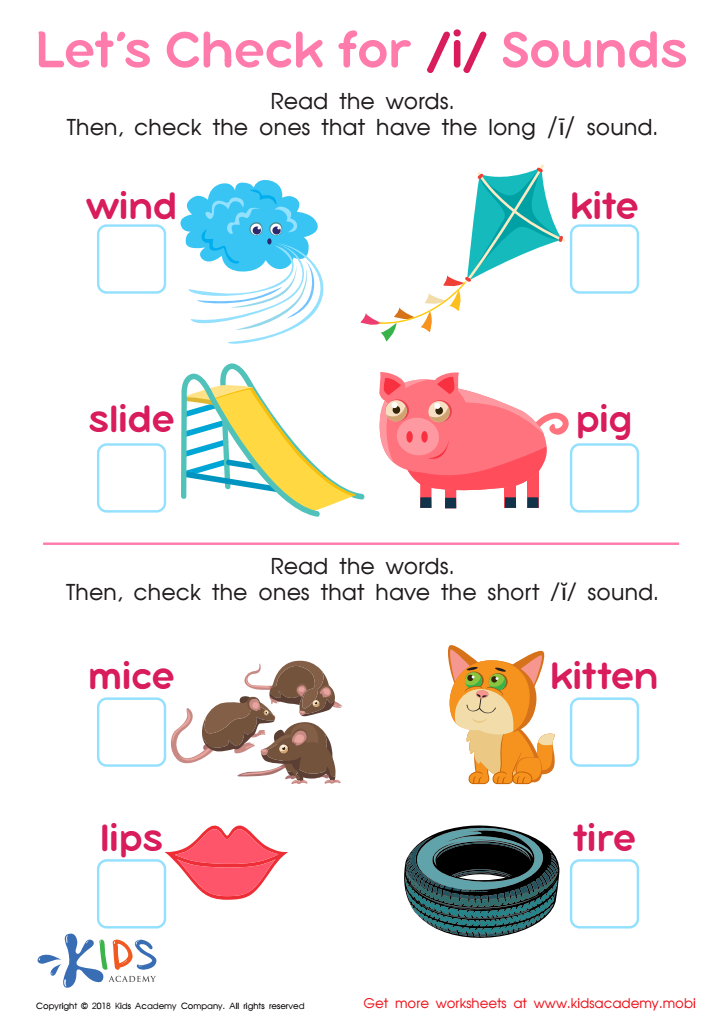
Let's Check for «i» Sounds Worksheet
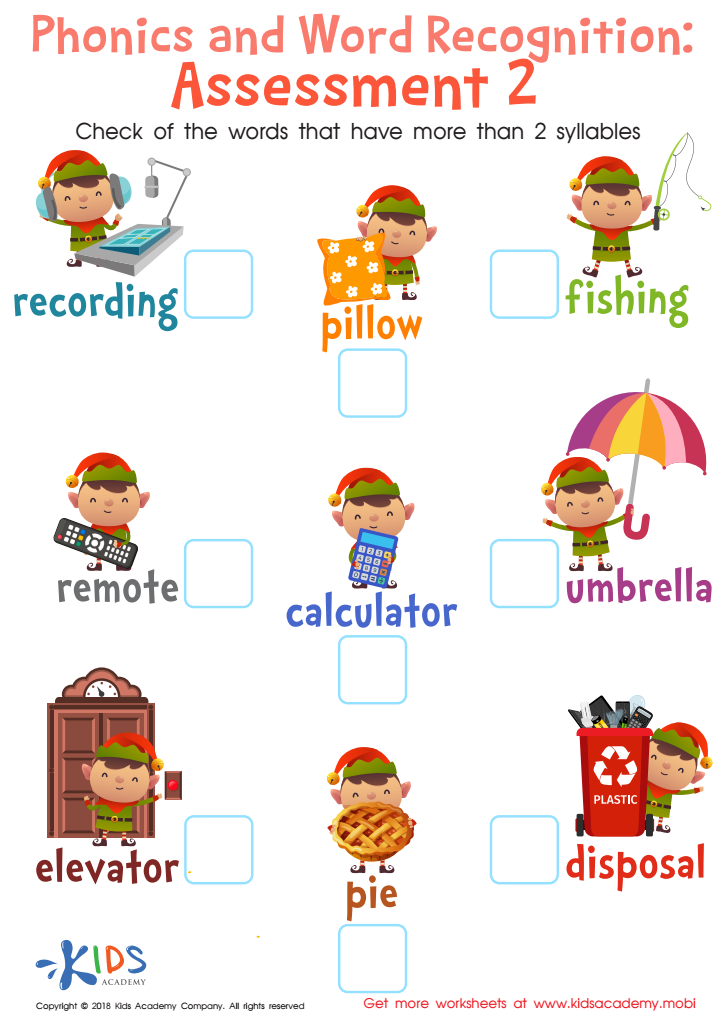
Phonics and Word Recognition: Assessment 2 Worksheet
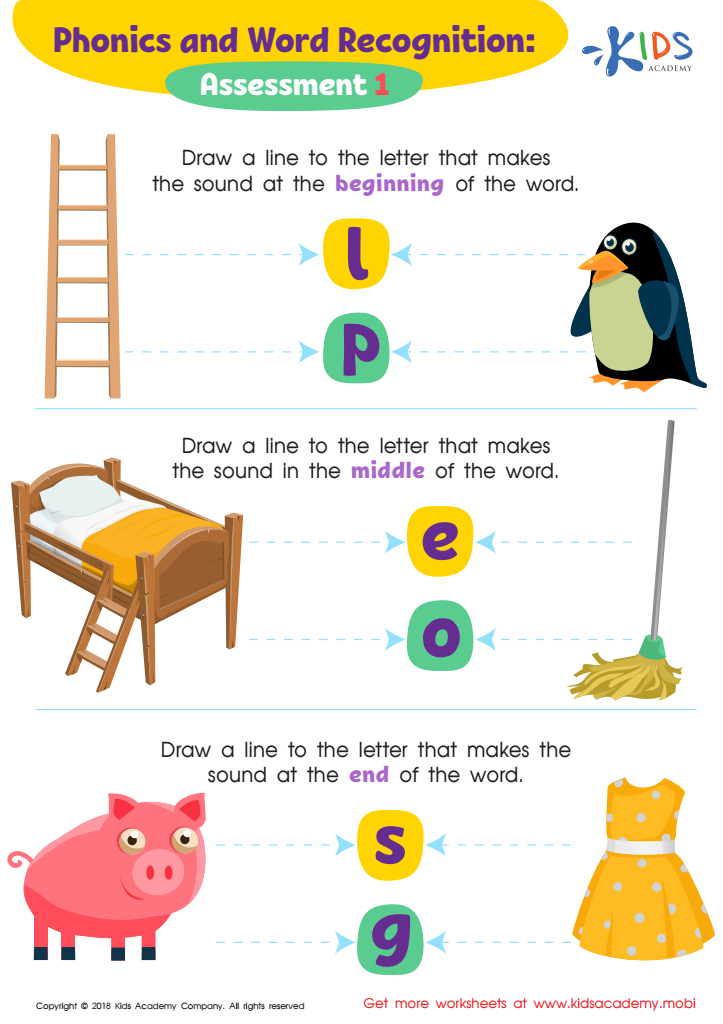
Phonics and Word Recognition: Assessment 1 ELA Worksheet
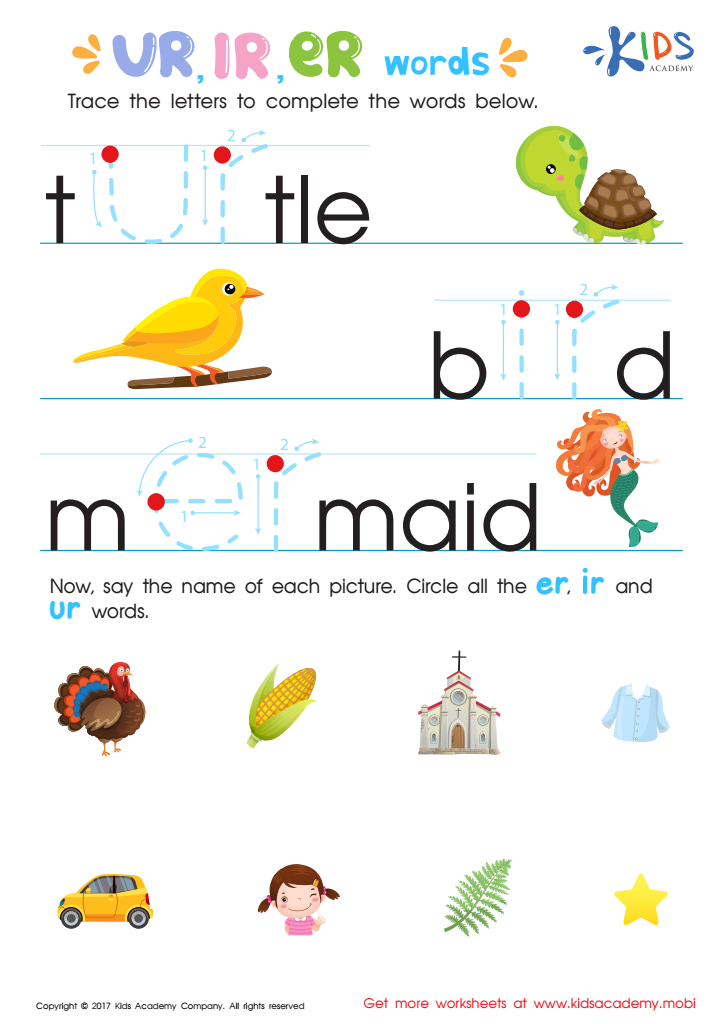
IR UR ER Words Worksheet








Parents and teachers should care deeply about phonics recognition for children aged 4-8 because it lays the groundwork for successful literacy development. Phonics recognition involves understanding the relationship between letters and sounds, which is critical for decoding, reading, and spelling words. At this formative stage, children are highly receptive to learning language patterns.
Effective phonics education helps young learners grasp how sounds form words, enhancing their ability to read fluently and comprehend text accurately. This foundational skill is not limited to reading but also bolsters spelling and writing capabilities, creating a strong base for overall academic achievement.
Phonics recognition is essential for building confidence as children transition from recognizing simple letters to decoding complex words and sentences. This recognition cultivates a love for reading as children find it easier and more enjoyable to engage in books, stories, and other textual materials.
Moreover, early phonics intervention is crucial for identifying and supporting children who may have learning difficulties. Early support can mitigate future struggles with reading and associated subjects. Ultimately, investing in phonics education equips young learners with the skills needed to become proficient and enthusiastic readers, setting the stage for long-term educational success and a lifelong love of learning.







