Reading development Normal Phonics Worksheets for Ages 4-8
5 filtered results
-
From - To
Discover the joy of reading with our "Normal Phonics Worksheets" designed for children ages 4-8. These engaging and colorful worksheets promote essential phonics skills, helping young learners recognize letters, sounds, and blends critical for reading development. Tailored to fit various skill levels, our worksheets utilize fun activities that foster a love for letters and words while boosting confidence. Each printable resource targets vital learning objectives that align with early literacy standards, ensuring a constructive and supportive environment for budding readers. Perfect for home or classroom use, these phonics worksheets make reading fun and interactive, paving the way for lifelong learning.
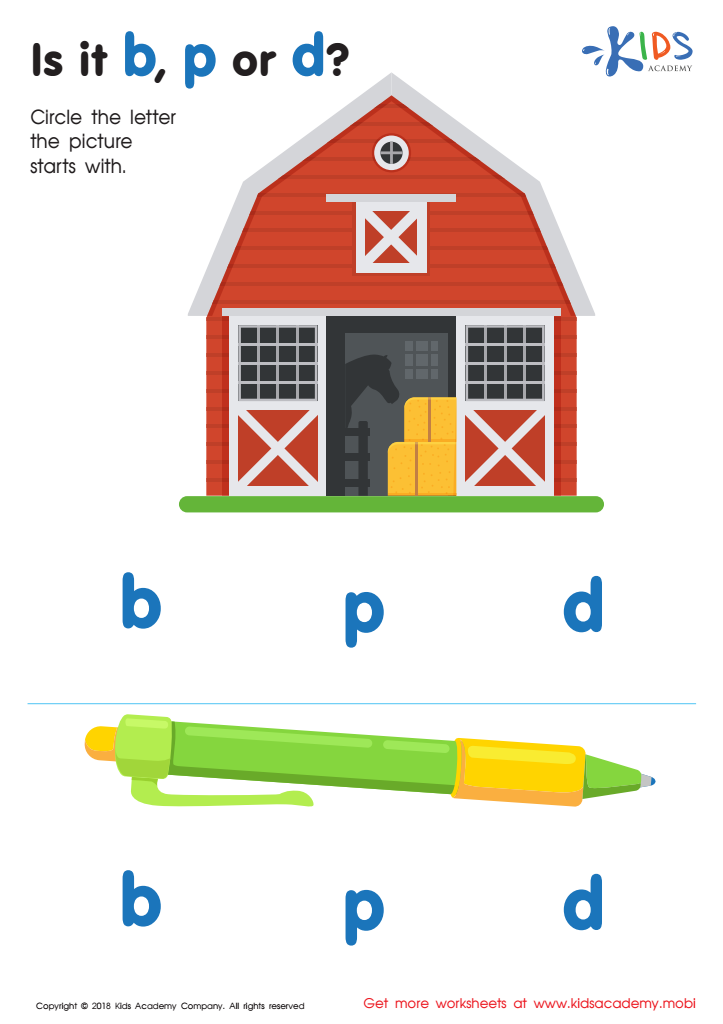
Is it b, p or d? Worksheet
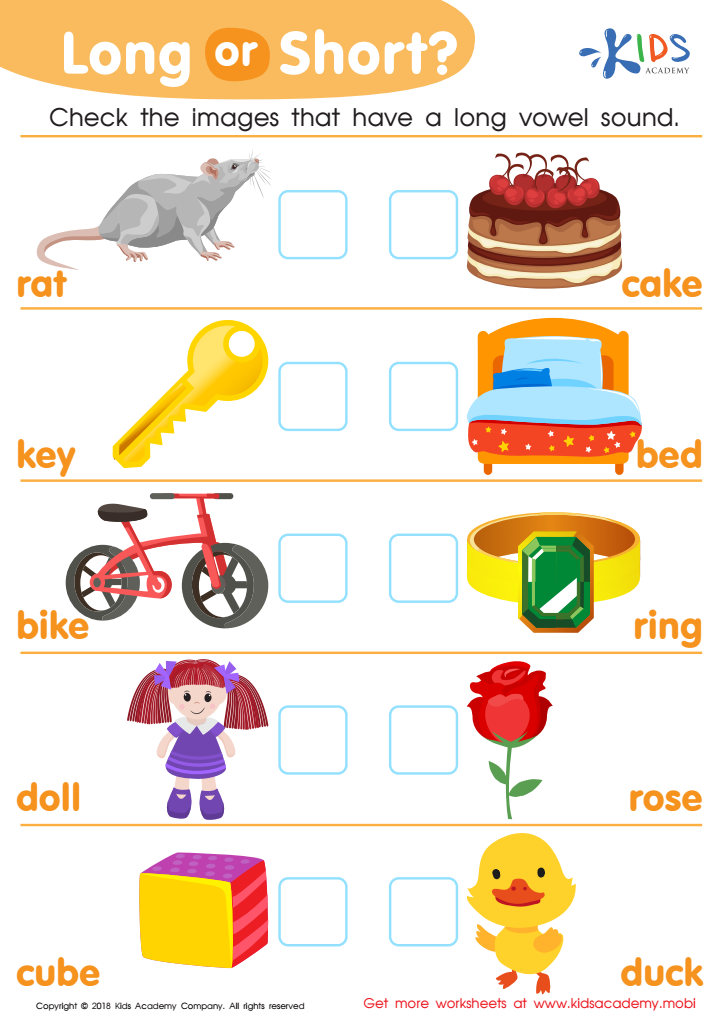
Long or Short Reading Worksheet
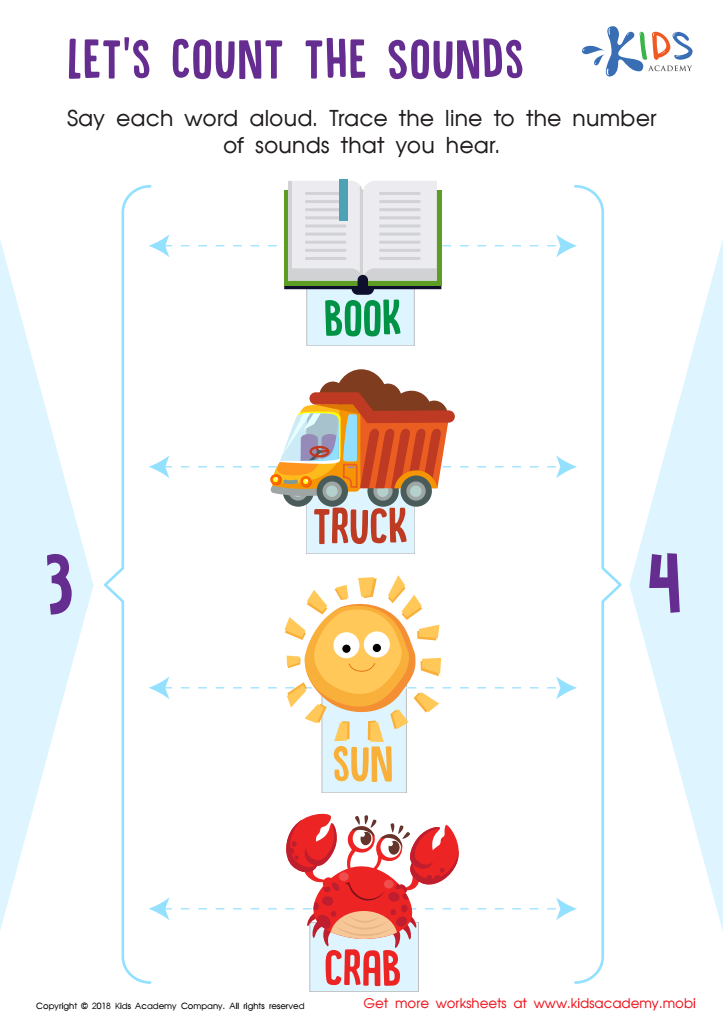
Let's Count the Sounds Worksheet
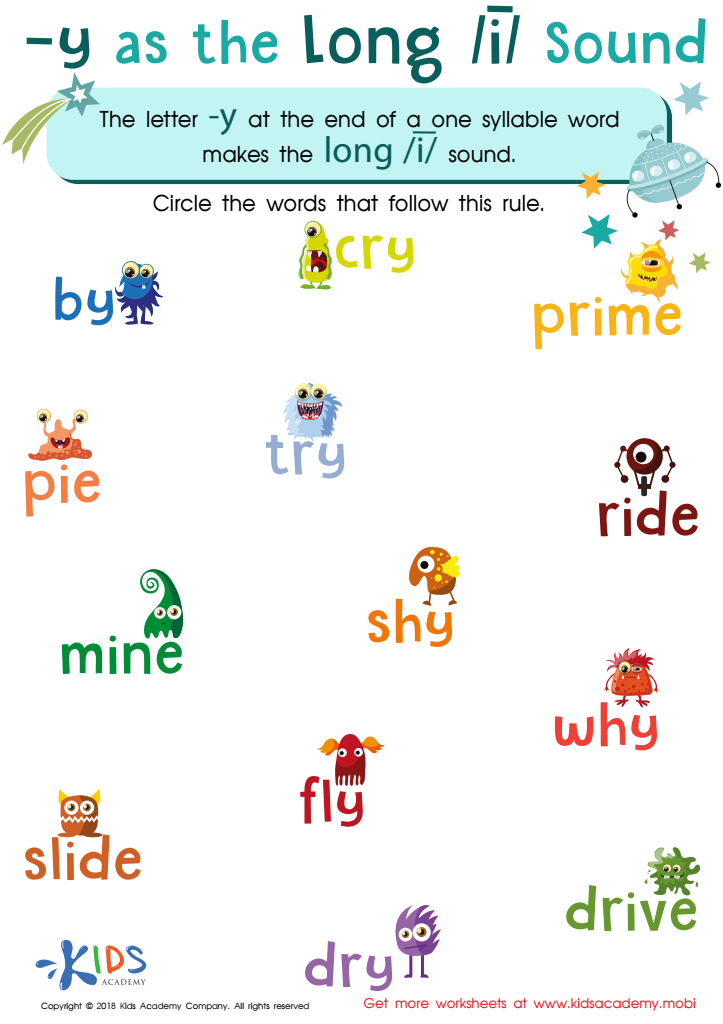
Reading: Y as Long I Worksheet
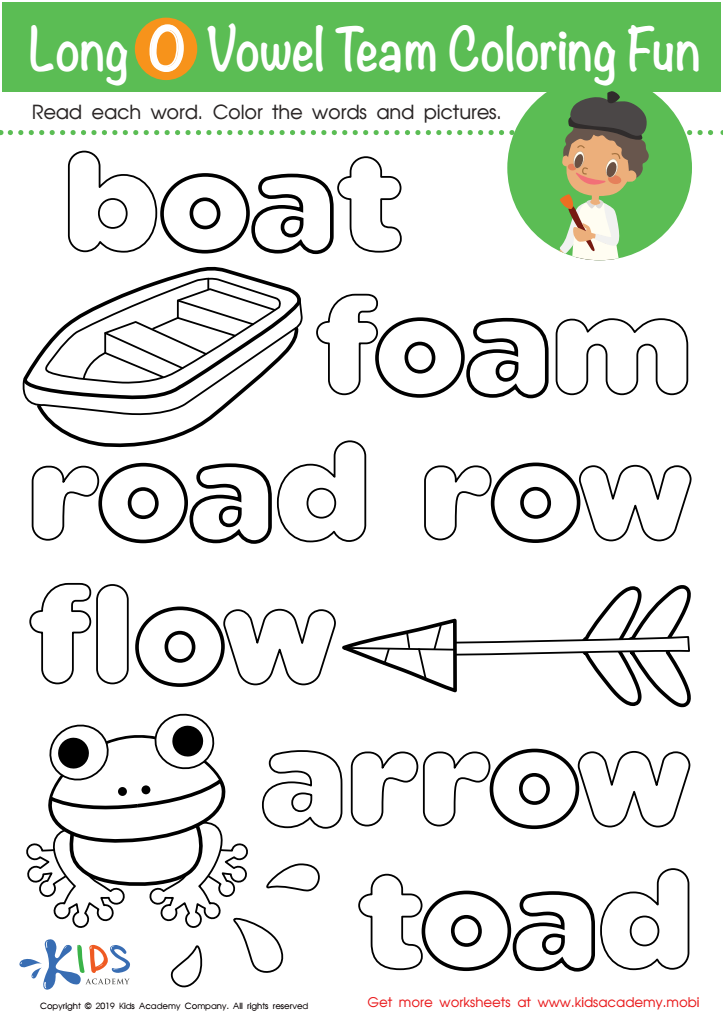
Long O Vowel Team Coloring Worksheet
 Assign to My Students








Reading development is crucial for children aged 4-8, as this is a formative stage when foundational literacy skills are established. Understanding Normal Phonics, which focuses on the systematic relationship between letters and sounds, is essential for developing decoding skills. By mastering phonics, children can accurately identify and articulate words, enhancing their reading fluency and comprehension.
Parents and teachers should care about this because a solid grounding in phonics opens doors to improved academic performance and fosters a love for reading. When children experience success in reading, their confidence grows, encouraging them to explore literature independently. Phonics also plays a key role in bridging the gaps for struggling readers, providing tools to decode words and understand texts.
Additionally, literacy skills are intrinsically linked to lifelong learning and opportunities. Mastery of reading early on sets the stage for critical thinking and information processing. Engaging with reading development through Normal Phonics allows educators and parents to cultivate a supportive environment that nurtures creativity, curiosity, and cognitive skills. Investing in these phonics strategies today not only equips children for future academic challenges but also instills a lifelong appreciation for the written word.







