Color recognition Normal Worksheets for Ages 4-8 - Page 2
34 filtered results
-
From - To
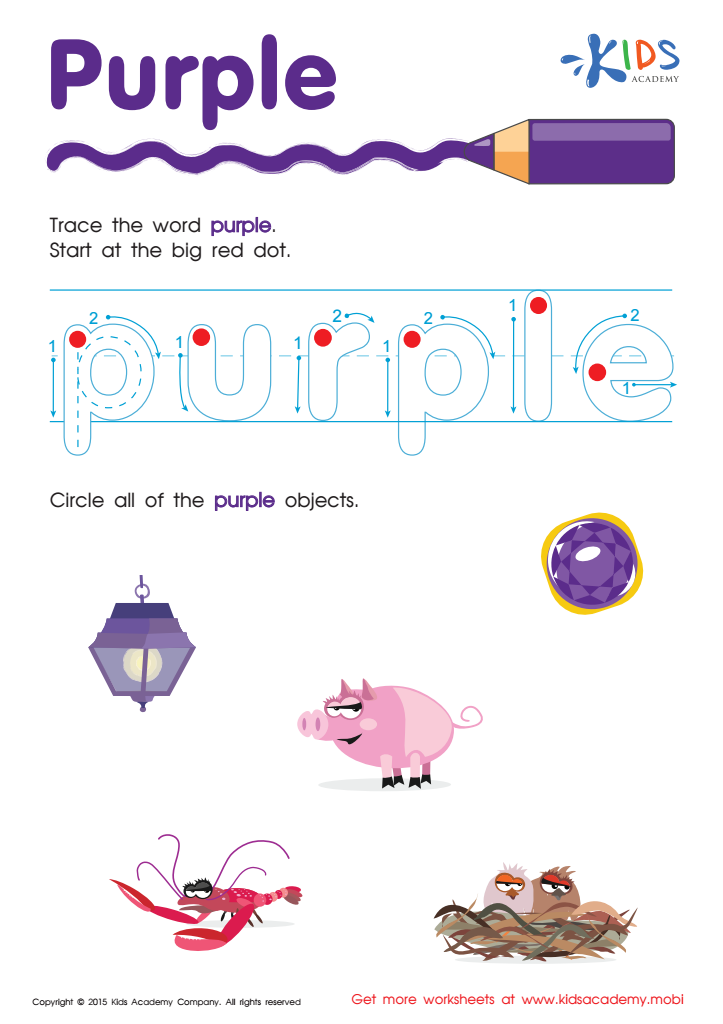
Purple Tracing Color Words Worksheet
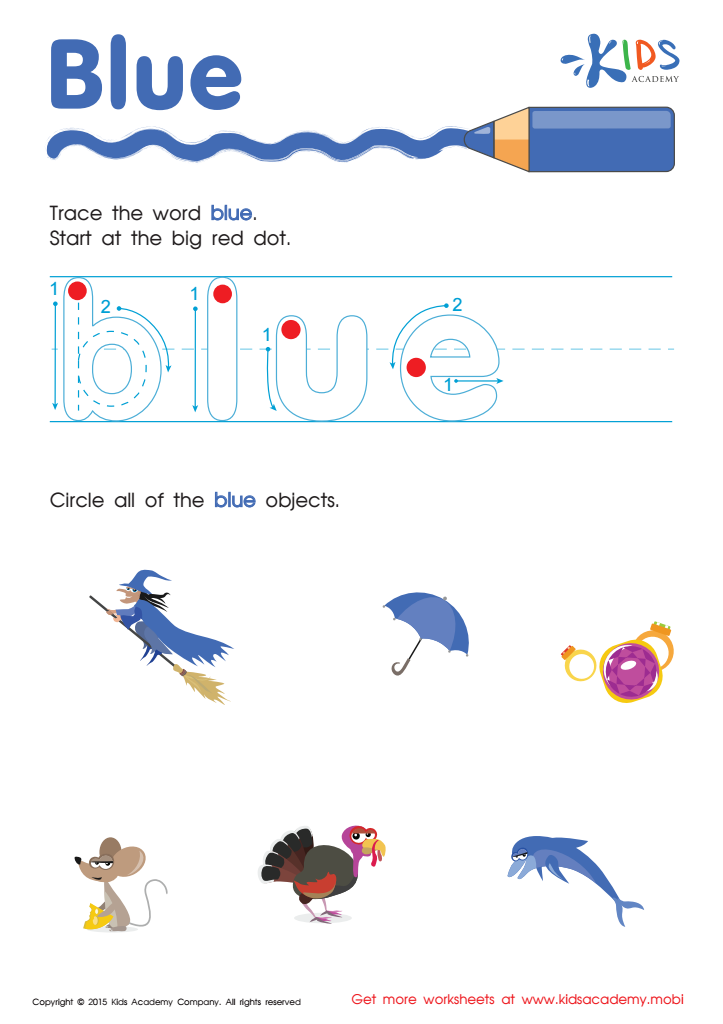
Blue Tracing Color Words Printable
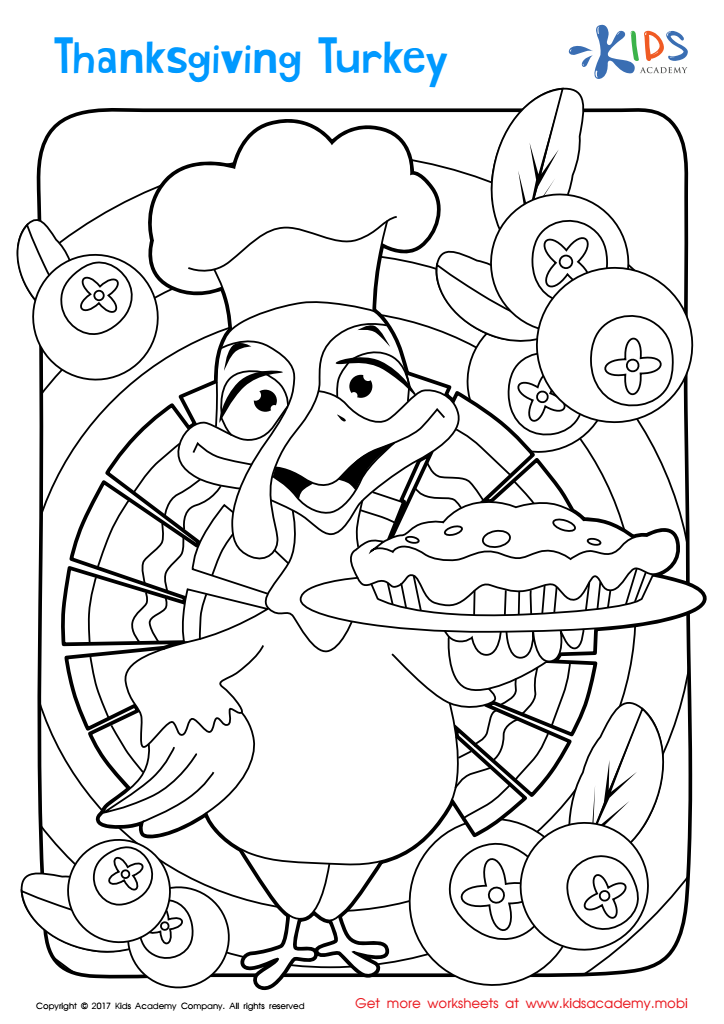
Turkey Thanksgiving Day Worksheet
 Assign to My Students
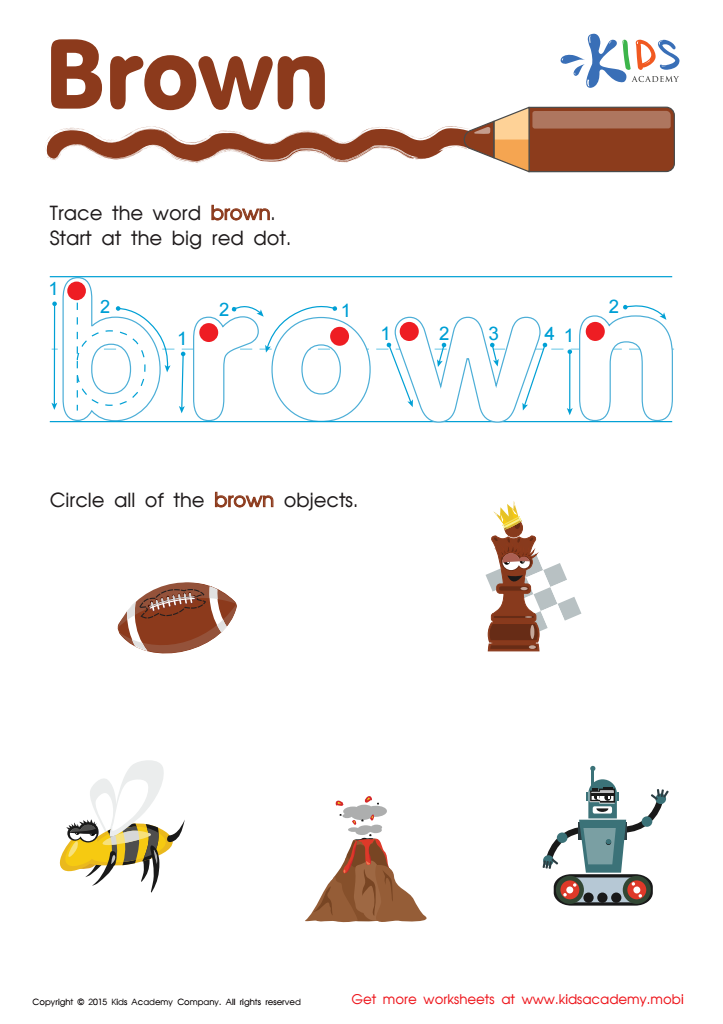
Brown Tracing Color Words Worksheet
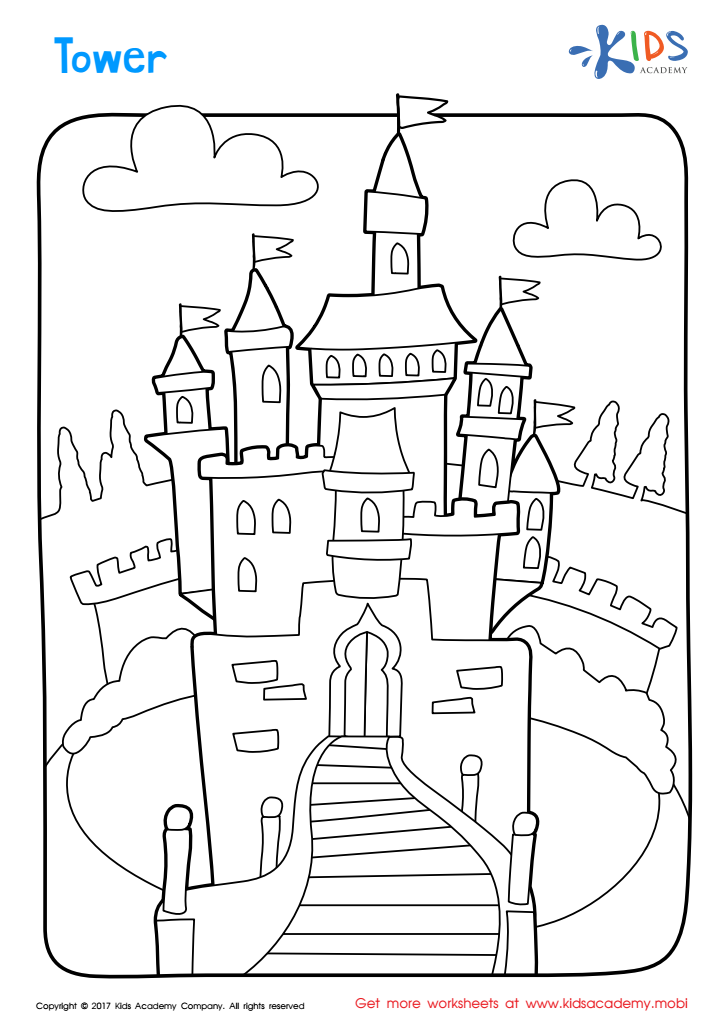
Tower Coloring Page
Assign to My Students
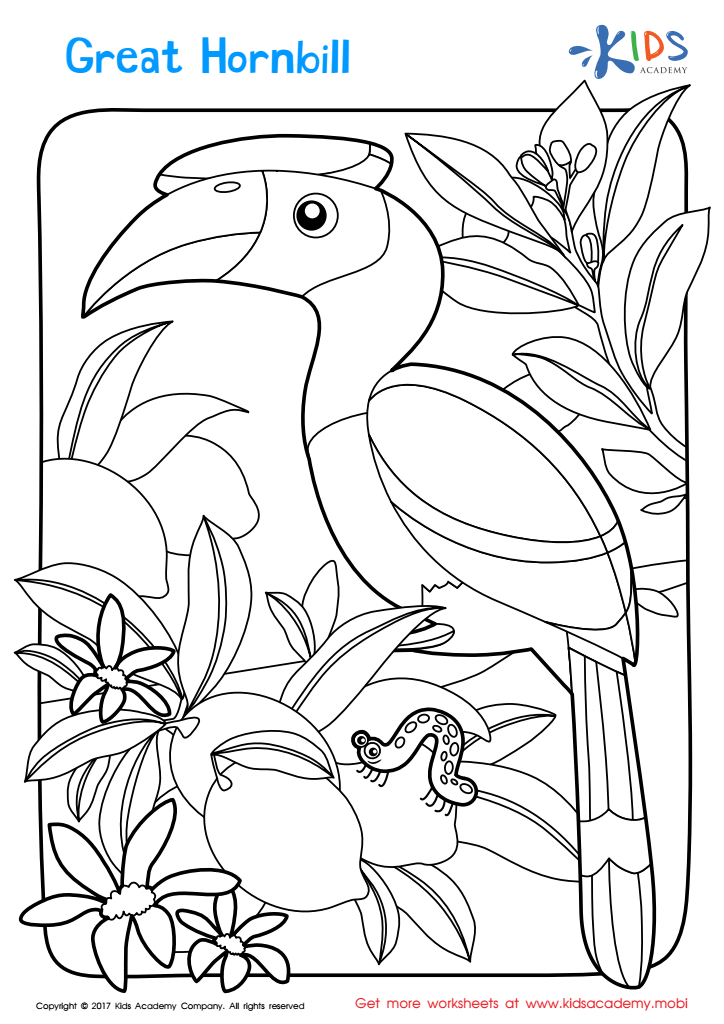
Great Hornbill Worksheet
Assign to My Students
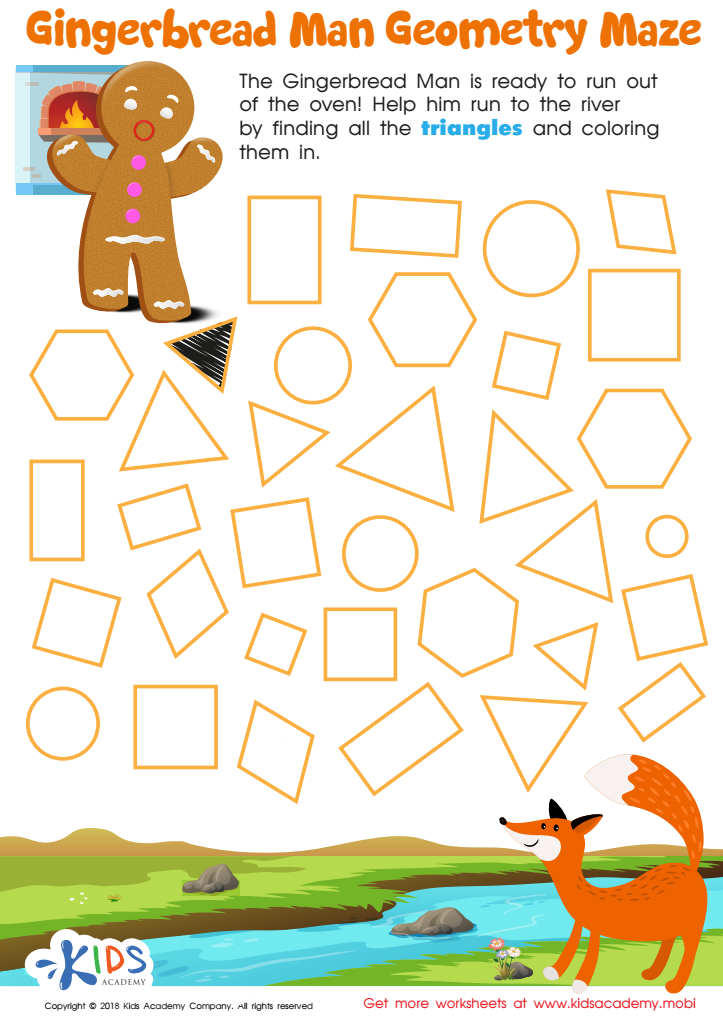
Gingerbread Man Geometry Maze Worksheet
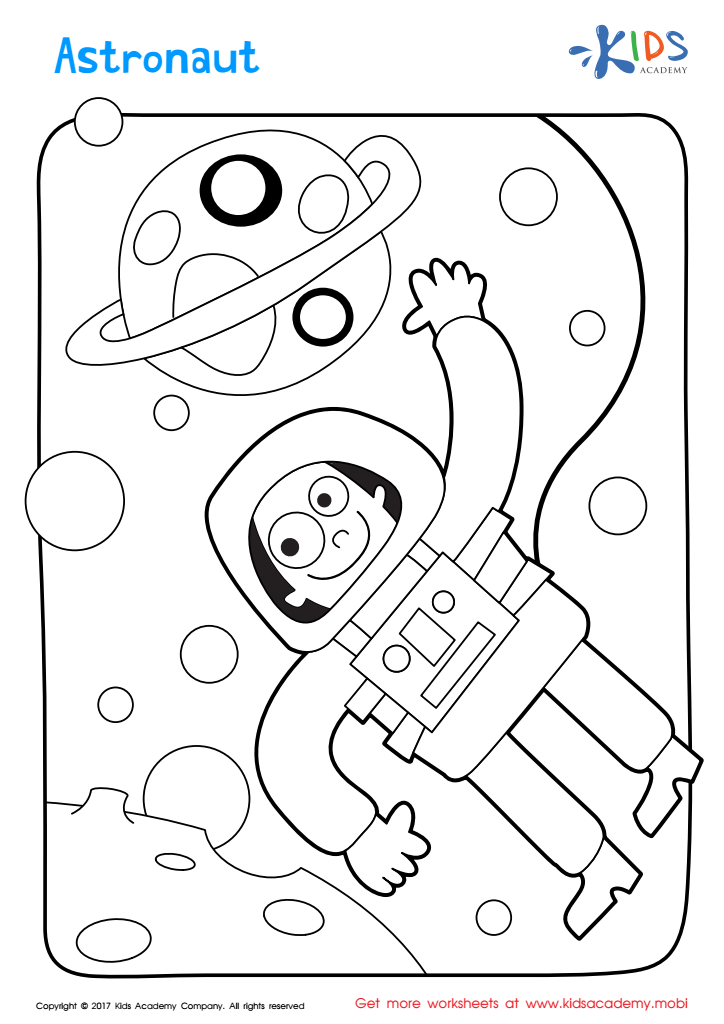
Astronaut Coloring Page
Assign to My Students
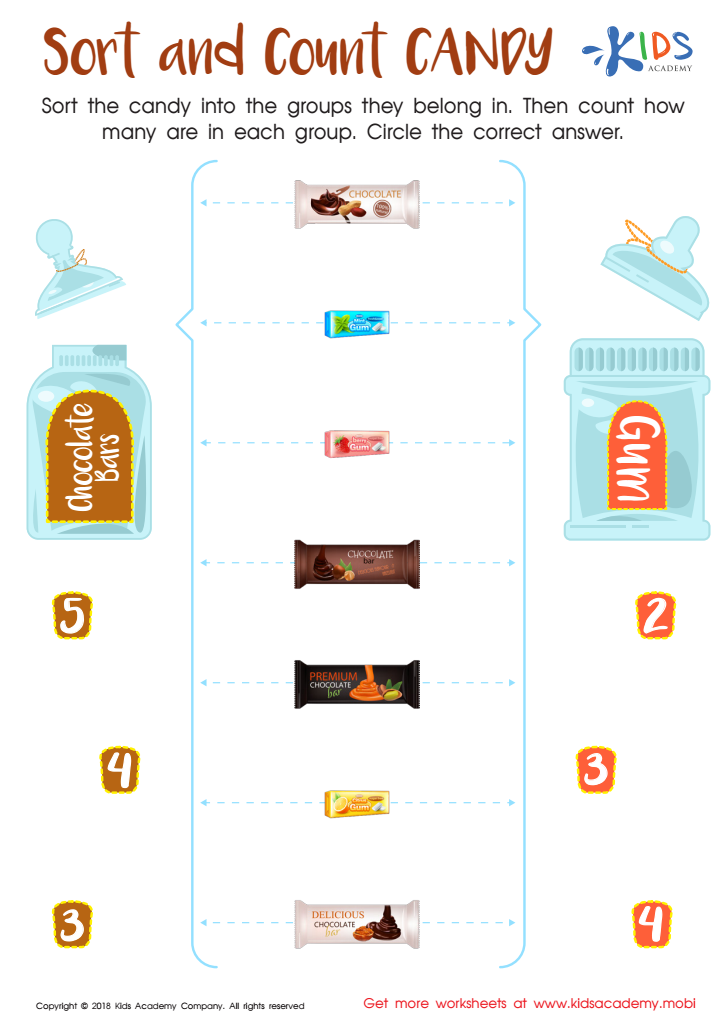
Sort and Count Candy Worksheet
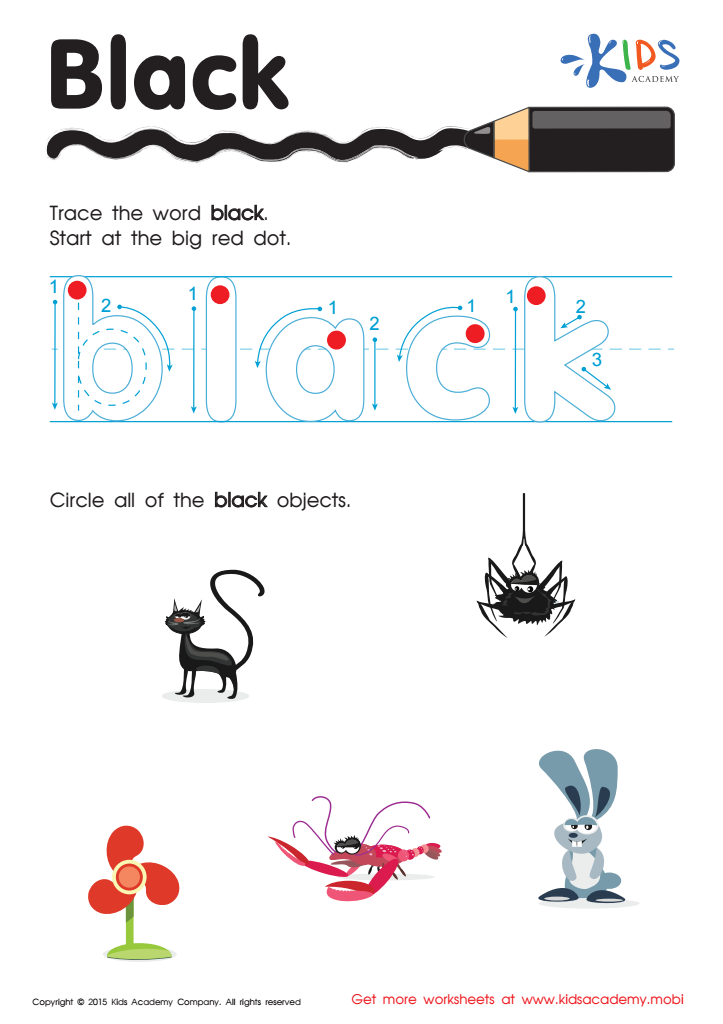
Black Tracing Color Words Printable








Color recognition is a crucial developmental milestone for children aged 4-8, and it holds significant importance for both parents and teachers. Mastering color identification lays the foundation for various cognitive skills, including language development, visual perception, and categorization. At this age, children begin to understand the world around them, and colors serve as essential tools for describing their environment, enhancing communication skills, and enriching artistic expression.
Moreover, recognizing colors can aid in problem-solving and critical thinking. For instance, when children engage in art activities, they make decisions about color combinations and learn to express their creativity. Activities like sorting objects by color also enhance organizational skills and reinforce understanding of similarities and differences.
Additionally, color recognition is foundational for more complex subjects, including math and science. Understanding color concepts can be integral in teaching patterns, relationships, and even weather phenomena.
Parents and teachers should prioritize activities that promote color recognition, as it supports academic readiness and boosts confidence in young learners. Beyond academics, a strong grasp of colors can enrich a child's play and social interactions, fostering a sense of belonging and community in early learning environments. Therefore, nurturing this skill is essential for holistic child development.








