Developing math skills Normal Worksheets for Ages 4-8
8 filtered results
-
From - To
"Developing Math Skills Normal Worksheets for Ages 4-8" are meticulously designed to foster a strong mathematical foundation in young learners. These engaging, age-appropriate worksheets cover essential concepts like counting, addition, subtraction, and basic geometry. Tailored for children aged 4 to 8, they provide a fun and interactive way to build critical skills, enhance problem-solving abilities, and boost confidence in math. With colorful graphics and enjoyable activities, these worksheets not only keep kids interested but also encourage consistent practice, making math both accessible and enjoyable. Perfect for both classroom use and at-home learning.
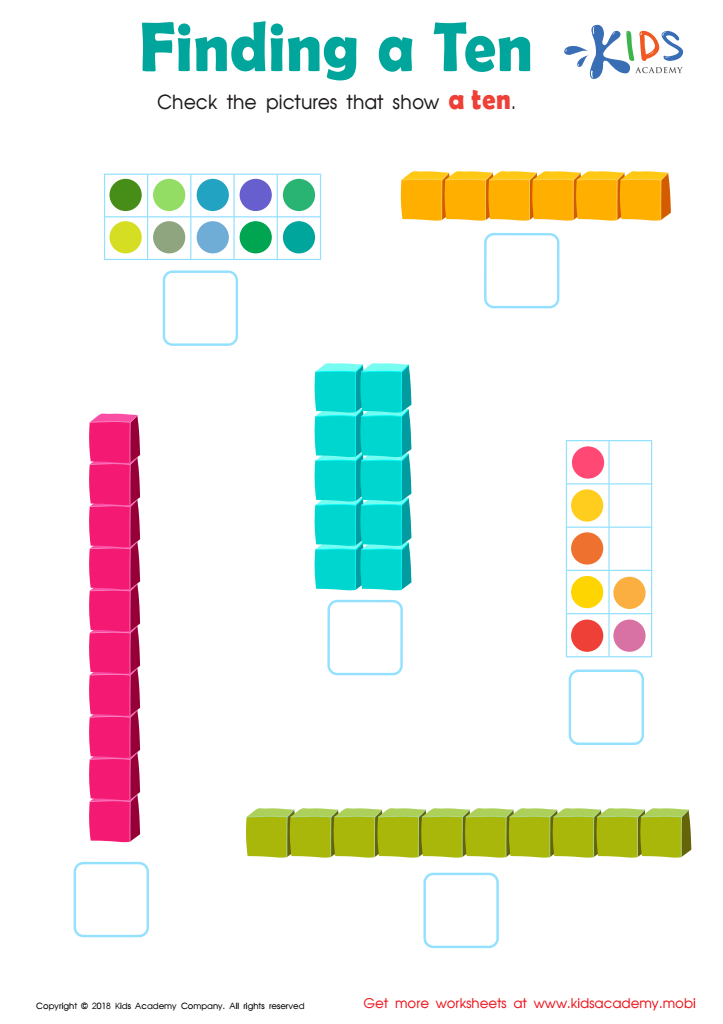
Finding a Ten Worksheet
 Assign to My Students
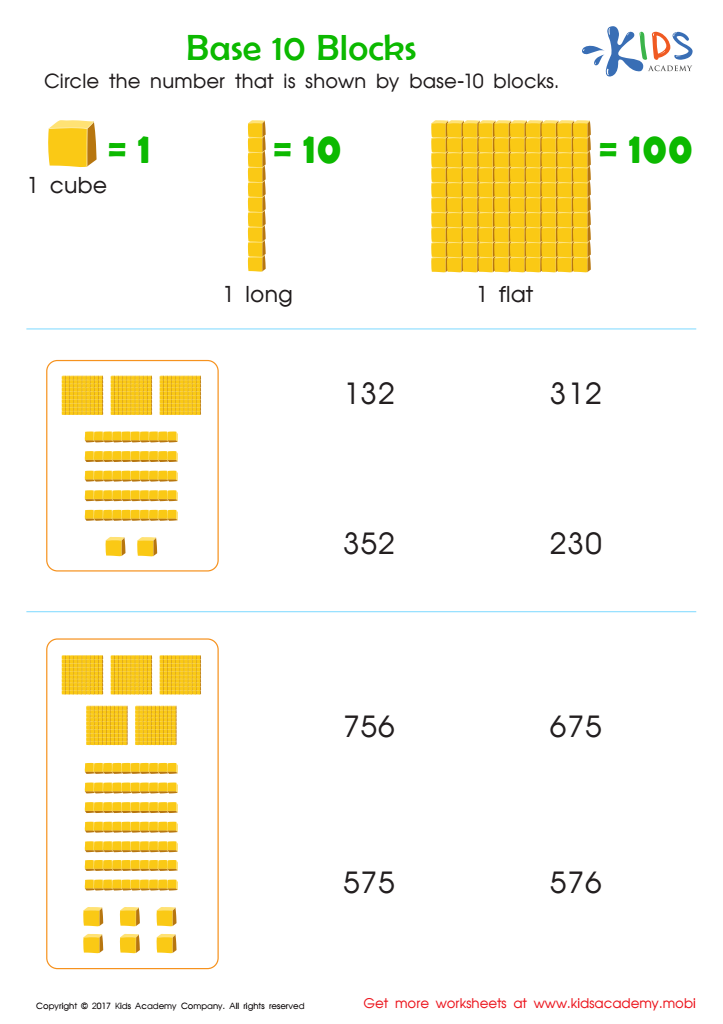
Base Ten Blocks Worksheet
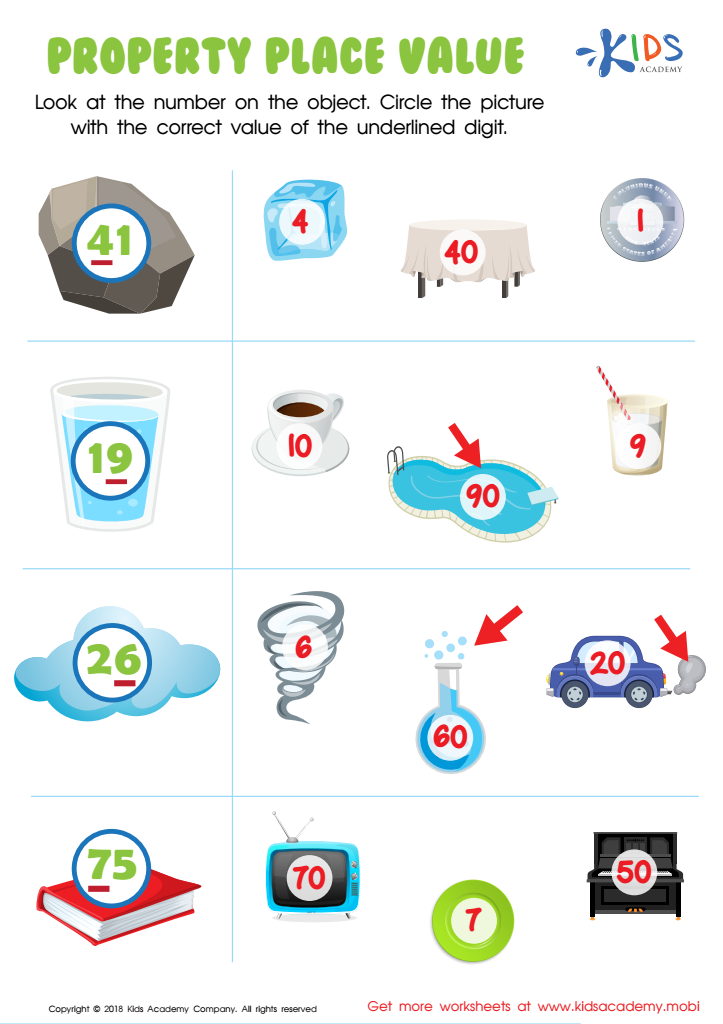
Property Place Value Worksheet
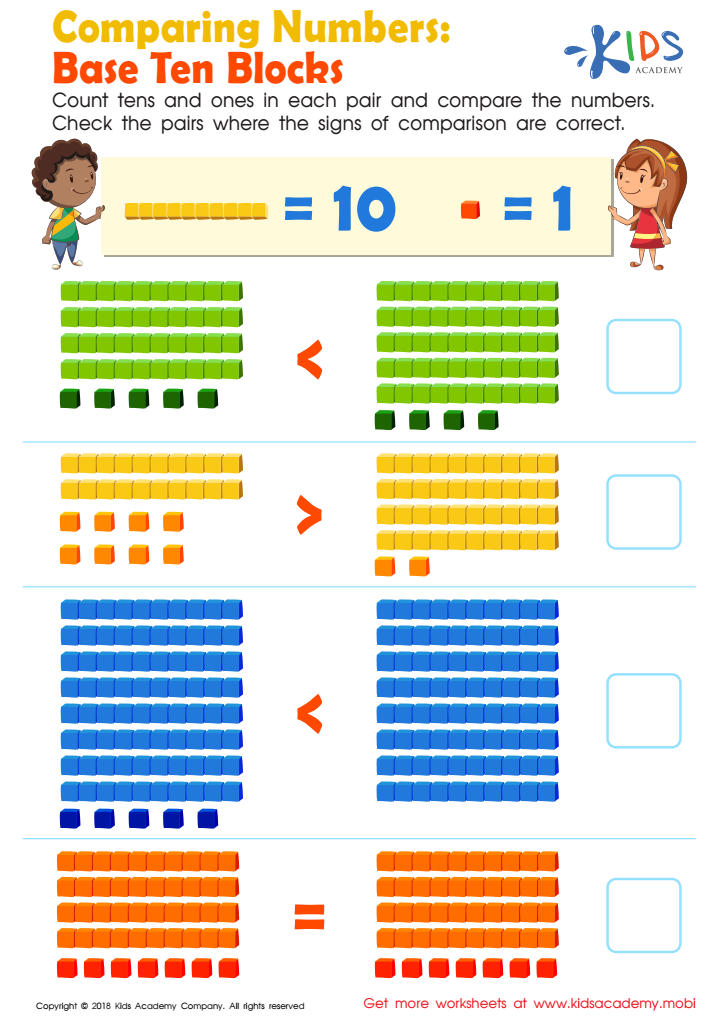
Comparing Numbers: Base Ten Blocks Worksheet
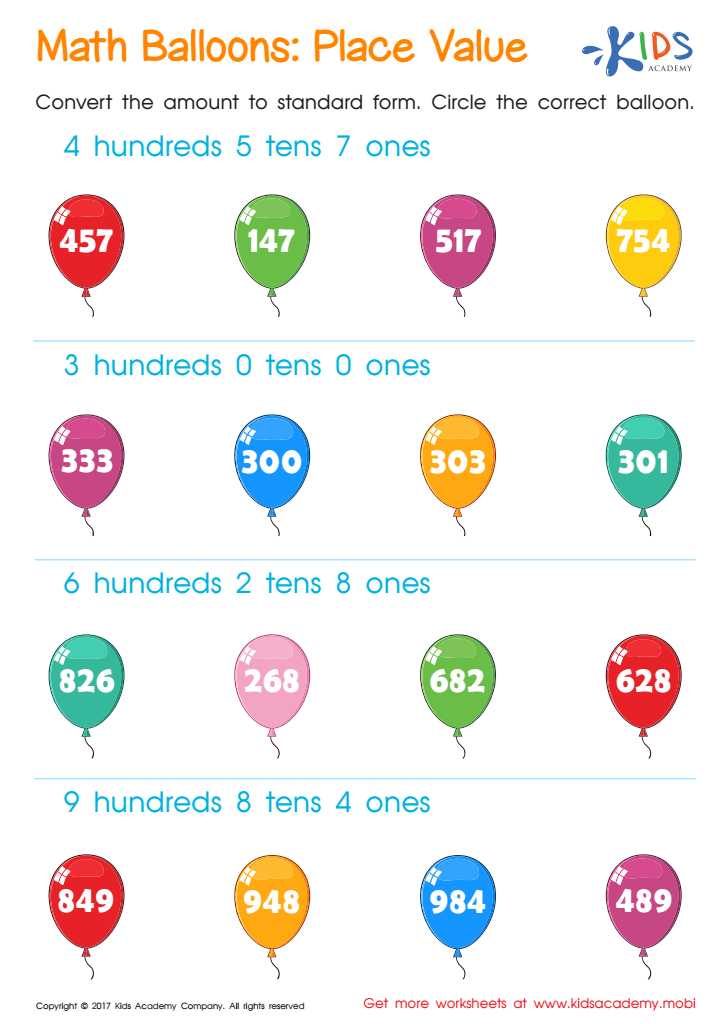
Place Value Printable Worksheet
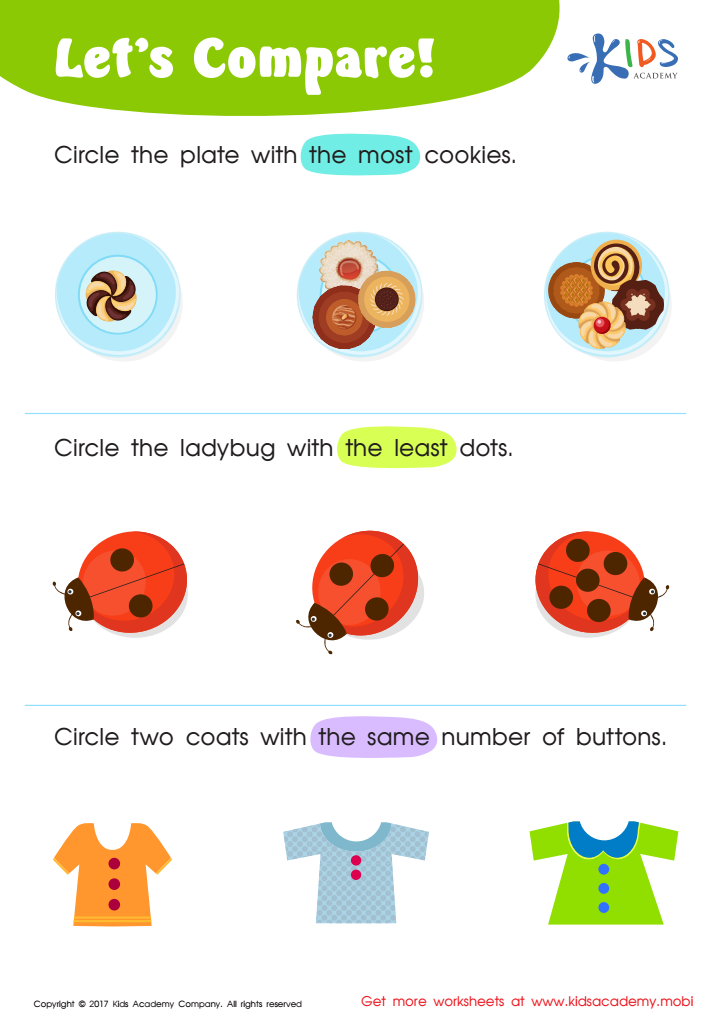
Matching: Classifying Toys by Size Worksheet
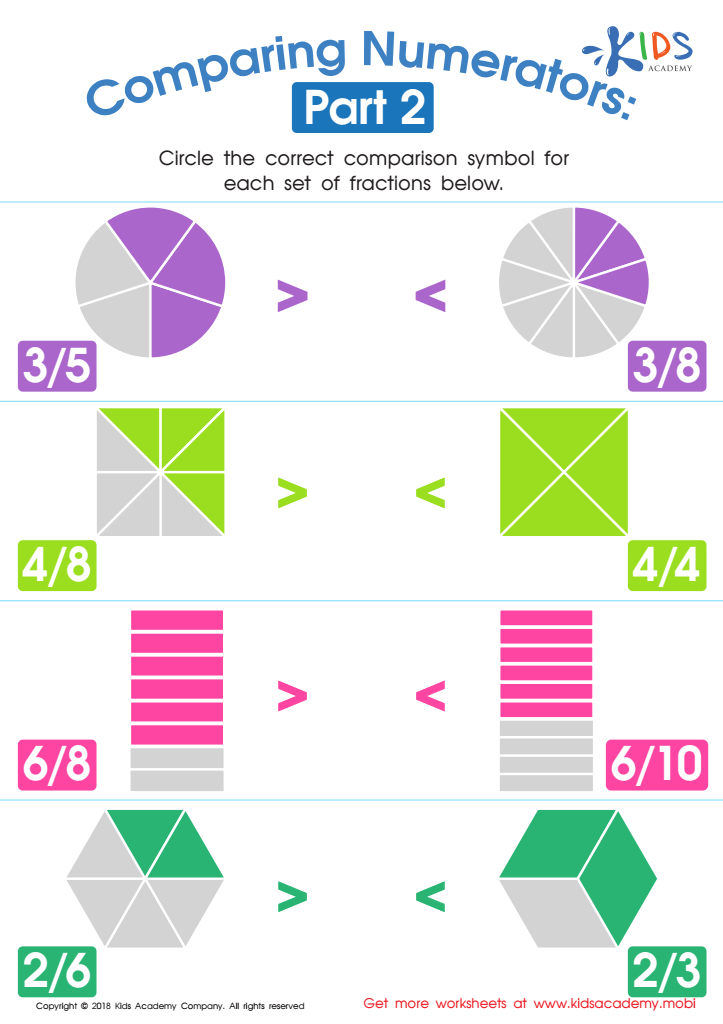
Comparing Numerators Part 2 Worksheet
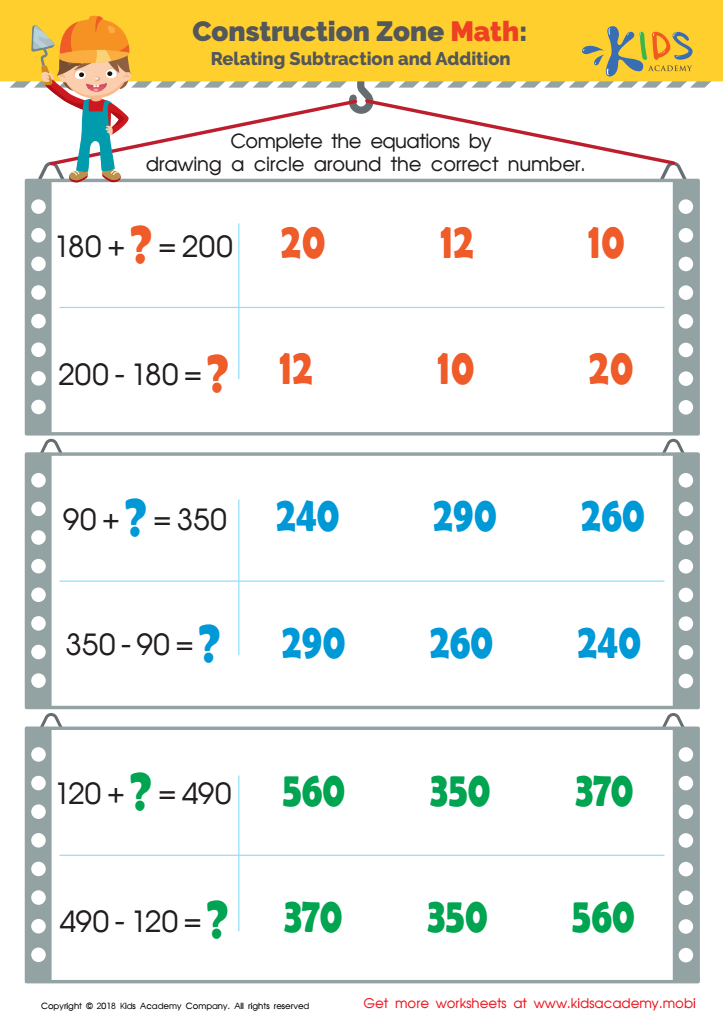
Construction Zone Math: Relating Subtraction and Addition Worksheet







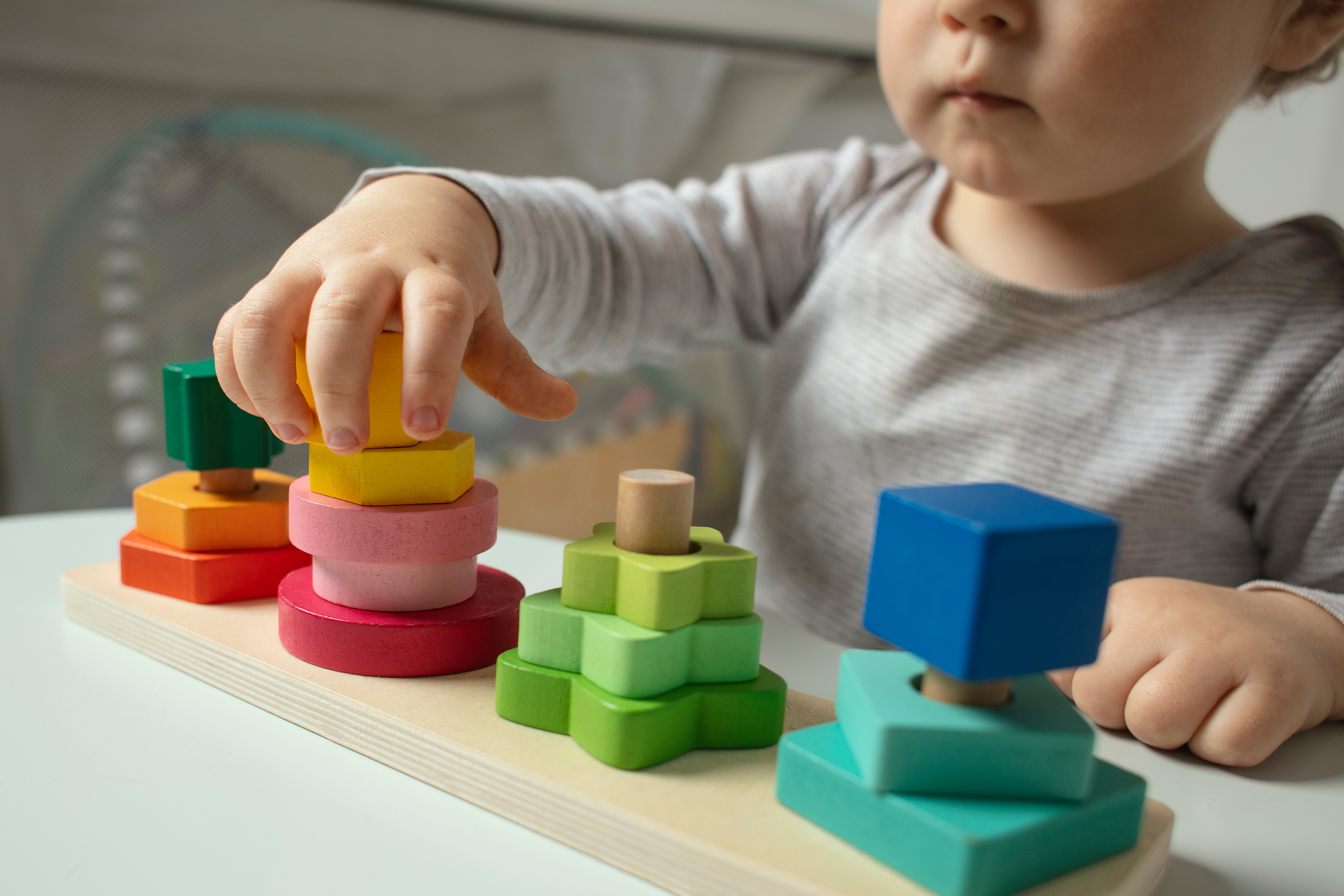
Developing math skills in children aged 4-8 is crucial as it lays the foundation for future academic and practical success. At these early stages, children's brains are highly adaptive and capable of absorbing complex concepts more easily than at a later age. Introducing math during this period enhances cognitive development, critical thinking, and problem-solving abilities.
Early math skills often predict higher achievement levels not only in later math learning but also in reading and other subjects. For instance, understanding basic concepts like counting, patterns, and simple addition can make later topics like fractions and division far more approachable. Furthermore, having a solid grasp of math helps children develop confidence in their abilities, positively influencing their overall self-esteem and attitude towards learning.
From a practical standpoint, math is integrated into many aspects of daily life—from telling time and handling money to understanding spatial relationships when playing games. Equipping children with these skills makes them more self-reliant and capable of handling everyday tasks efficiently.
For parents and teachers, fostering a love for math can be immensely rewarding and sets children on a path of lifelong learning and curiosity. Utilizing playful and engaging methods to teach math can turn it into a fun and exciting subject, rather than something to be intimidated by. Therefore, prioritizing math skill development during these formative years is essential for holistic educational growth.








