Enhancing calculation speed Normal Worksheets for Ages 4-8
4 filtered results
-
From - To
Enhance your child's math skills with our "Enhancing Calculation Speed Normal Worksheets" designed for ages 4-8. These engaging worksheets provide a fun and interactive way for young learners to practice basic arithmetic, improving their calculation speed. By using colorful illustrations and age-appropriate exercises, these worksheets capture children's attention and make learning enjoyable. Whether at home or in the classroom, our resources support children in developing their number sense and mental math abilities. Foster a strong mathematical foundation for your child and watch their confidence soar as they master essential calculations with ease. Explore our worksheets today and boost your child’s math potential!
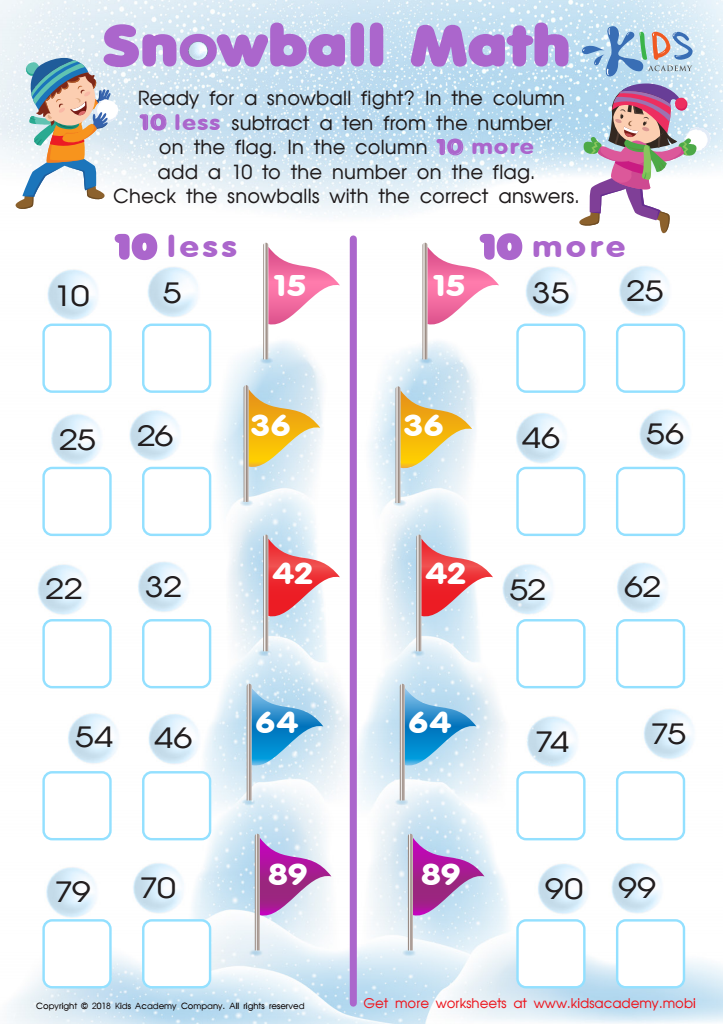
Snowball Math Worksheet
 Assign to My Students
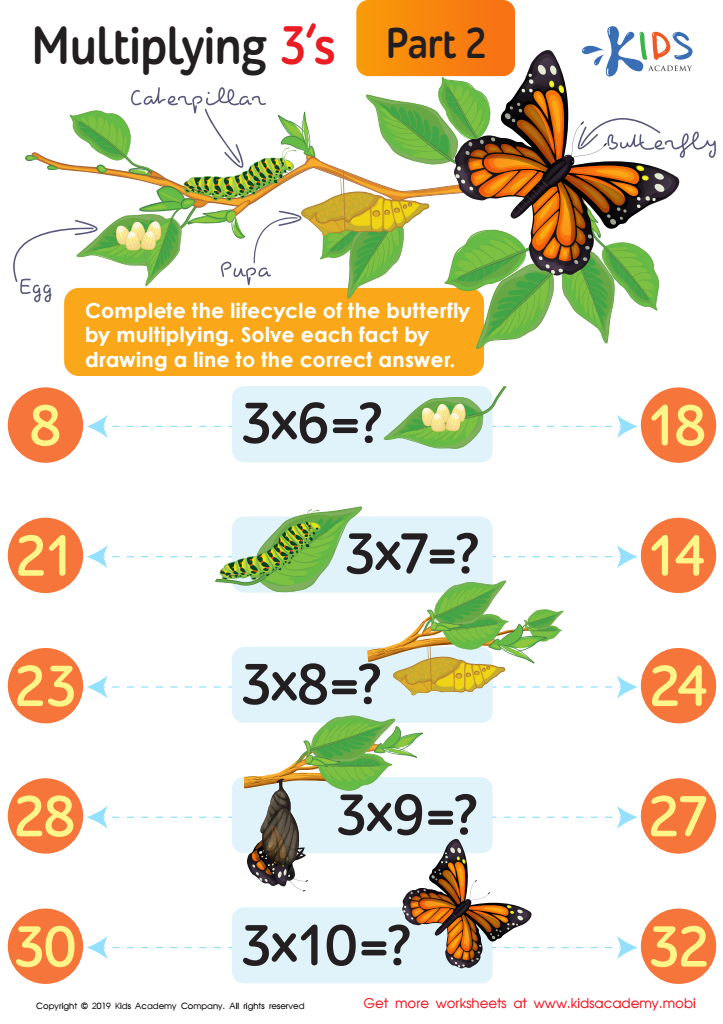
Multiplying 3s Part 2 Worksheet
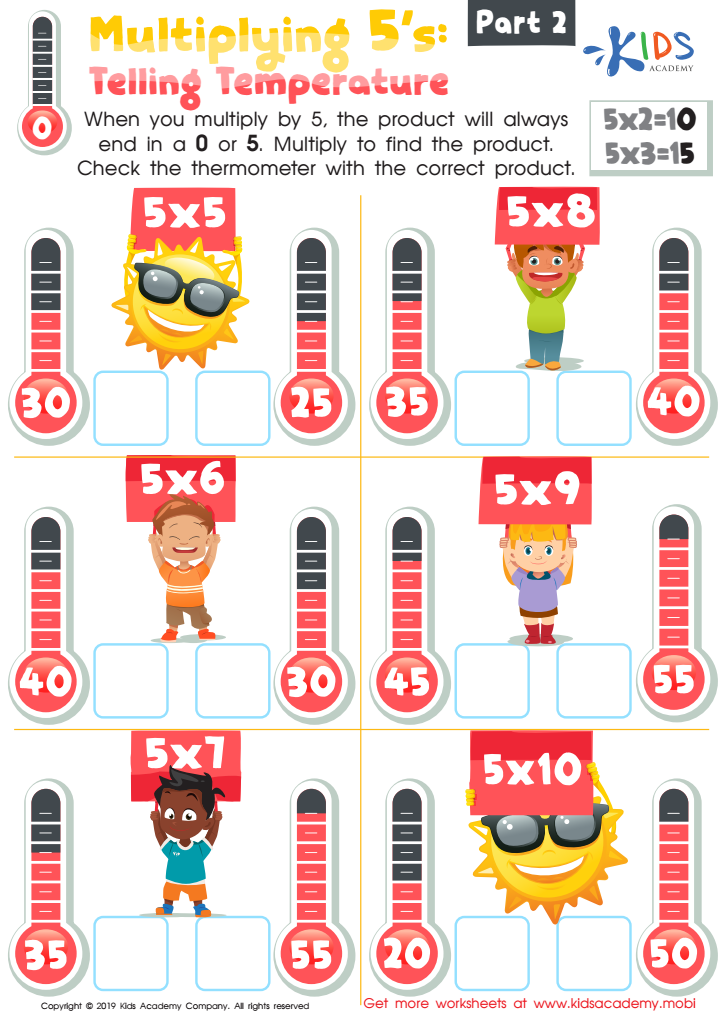
Multiplying 5’s: Telling Temperature Part 2 Worksheet








Enhancing calculation speed for children aged 4-8 is crucial for several reasons. First, early math skills form the foundation for future learning. As children grapple with basic calculations, the efficiency with which they solve problems contributes to their overall confidence in math. A solid grasp of calculation speed helps reduce anxiety in students, making them more willing to engage in math-related activities and challenges as they progress in their education.
Moreover, quick calculation skills transfer across various academic areas. Children equipped with efficient calculation abilities can better manage tasks in science, music, and even reading. This skill streamlining aids in improving focus and cognitive abilities by enabling them to allocate mental resources to problem-solving rather than spending excessive time on basic calculations.
As educators and parents, fostering this development through fun and creative methods encourages a positive attitude toward mathematics. Engaging, age-appropriate activities like games or hands-on learning can effectively enhance both enjoyment and skill mastery. Ultimately, a focus on developing calculation speed in young learners sets the stage for academic success, builds a love for learning, and promotes resilience in approach to challenges, thus supporting their overall cognitive development and future scholarly endeavors.








