Foster creativity Normal Worksheets for Ages 4-8
3 filtered results
-
From - To
Unlock your child's imaginative potential with our "Foster Creativity" Normal Worksheets designed for ages 4-8! These engaging and interactive activities are perfect for inspiring young minds. Filled with fun exercises like drawing, storytelling, and problem-solving, they help develop essential creativity skills. Our worksheets encourage kids to think outside the box and express themselves in new and innovative ways. Tailored to suit the developmental stages of early learners, they're great for both home and classroom use. Tap into your child's artistic abilities and watch their self-confidence soar with our thoughtfully crafted worksheets!
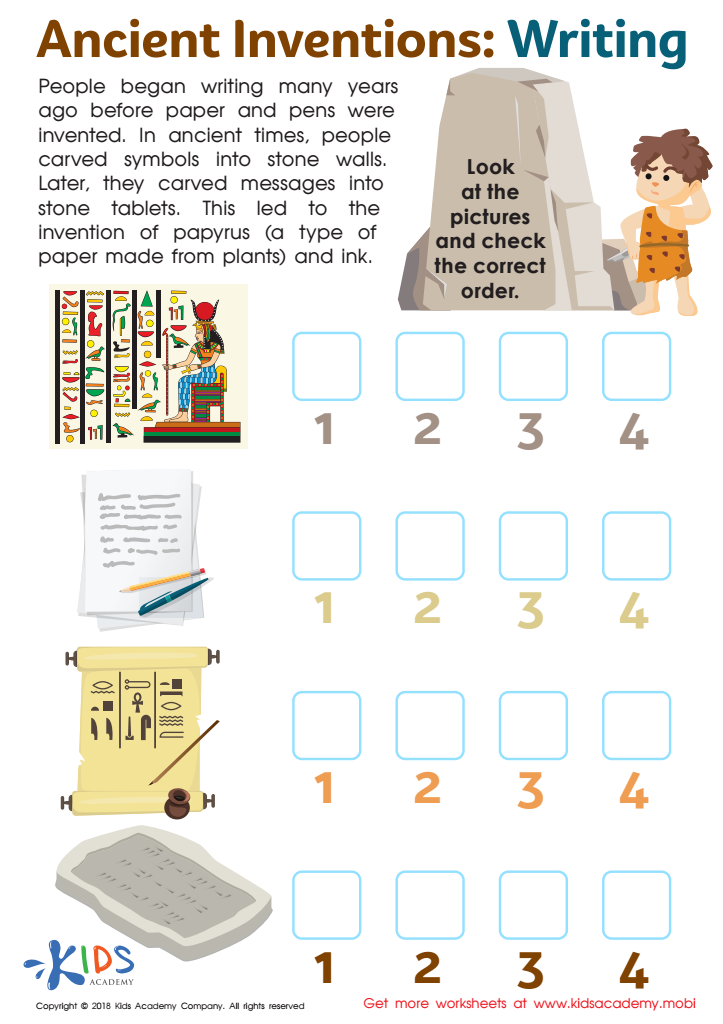
Ancient Inventions: Writing Worksheet
 Assign to My Students
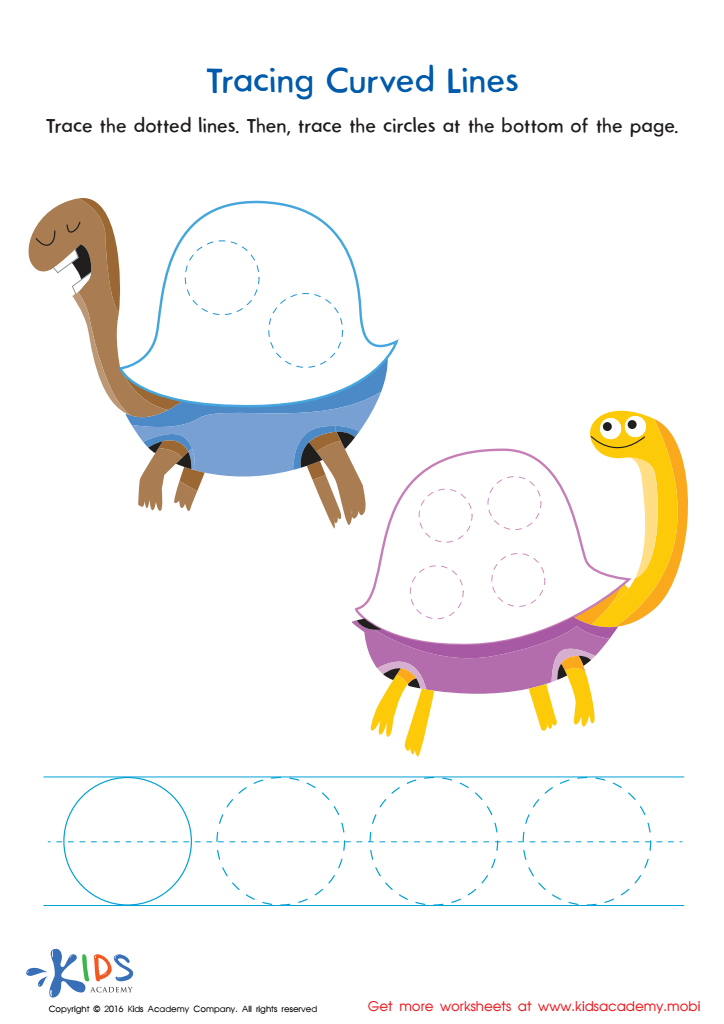
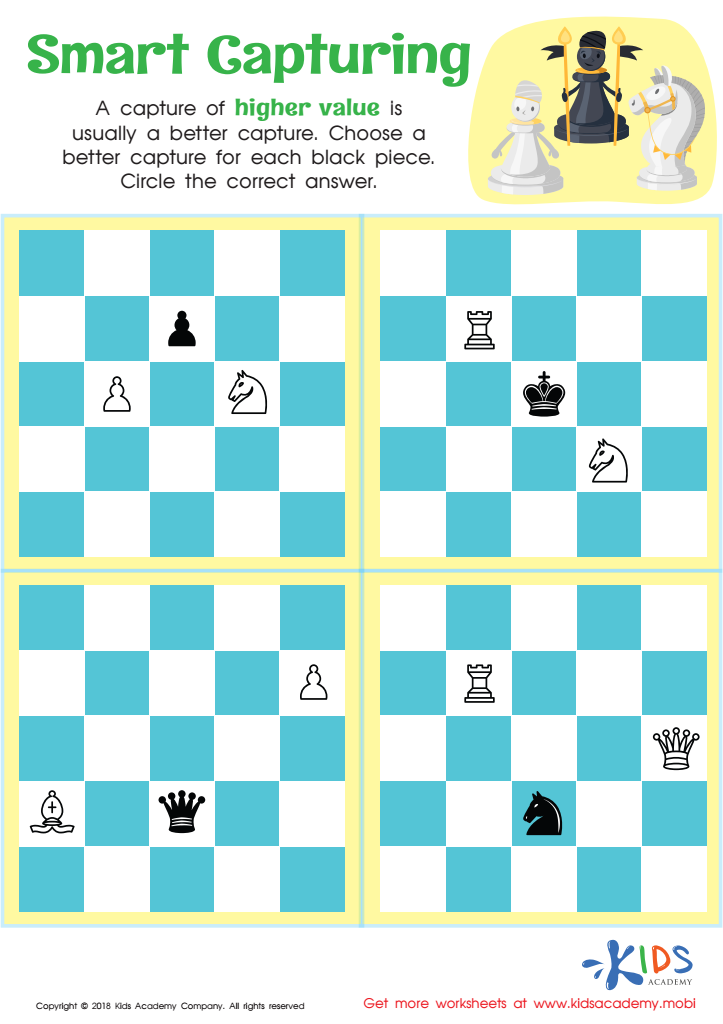
Smart Capturing Worksheet






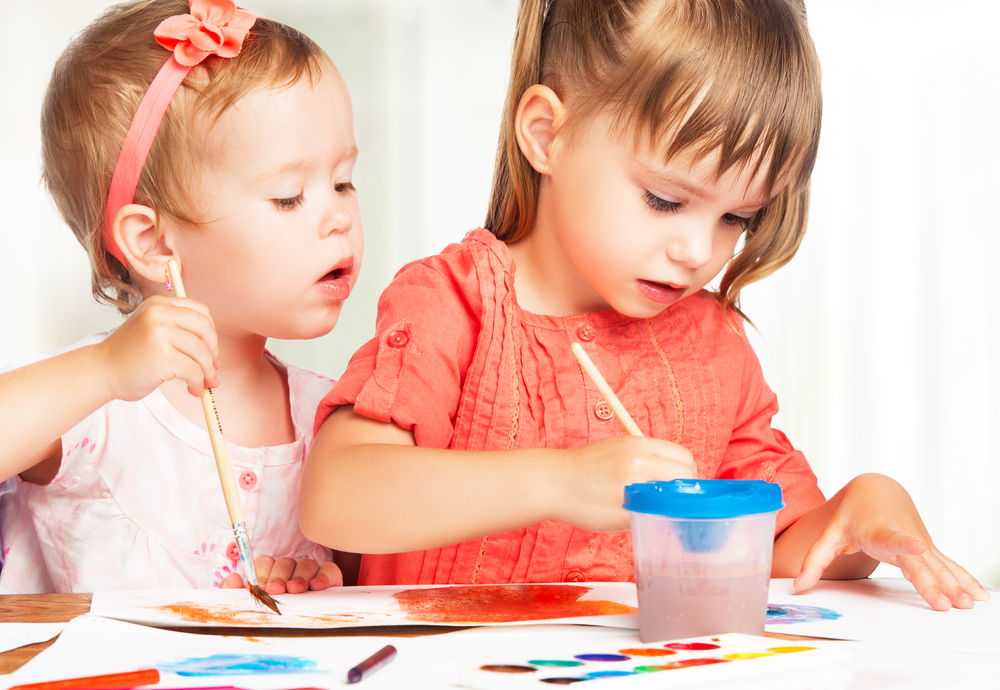
Fostering creativity in children aged 4-8 is vitally important for their cognitive, emotional, and social development. During these early years, the brain is highly adaptable and eager for new experiences, which makes it the perfect time to encourage creative thinking.
First, creativity enhances cognitive skills. Problem-solving, critical thinking, and decision-making are all stimulated through creative activities like drawing, story-telling, and imaginative play. Such engagement helps build neural pathways that benefit overall intellectual development.
Emotionally, creativity serves as an outlet for self-expression. Children often struggle to articulate complex feelings; creative activities provide a safe space to explore and express these emotions. This emotional intelligence fosters better mental well-being and resilience.
Socially, creative play often involves cooperation and communication, crucial skills for peer interactions. Projects like group art activities or collaborative games help children to learn teamwork, empathy, and conflict resolution.
In a world that increasingly values innovation and out-of-the-box thinking, nurturing creativity from a young age gives children a significant advantage. It builds a foundation for lifelong learning and adaptability. Fostering creativity enriches children’s educational experiences and prepares them for future challenges, making this an essential focus for parents and teachers.








