Hand-eye Coordination Normal Worksheets for Ages 4-8 - Page 2
35 filtered results
-
From - To
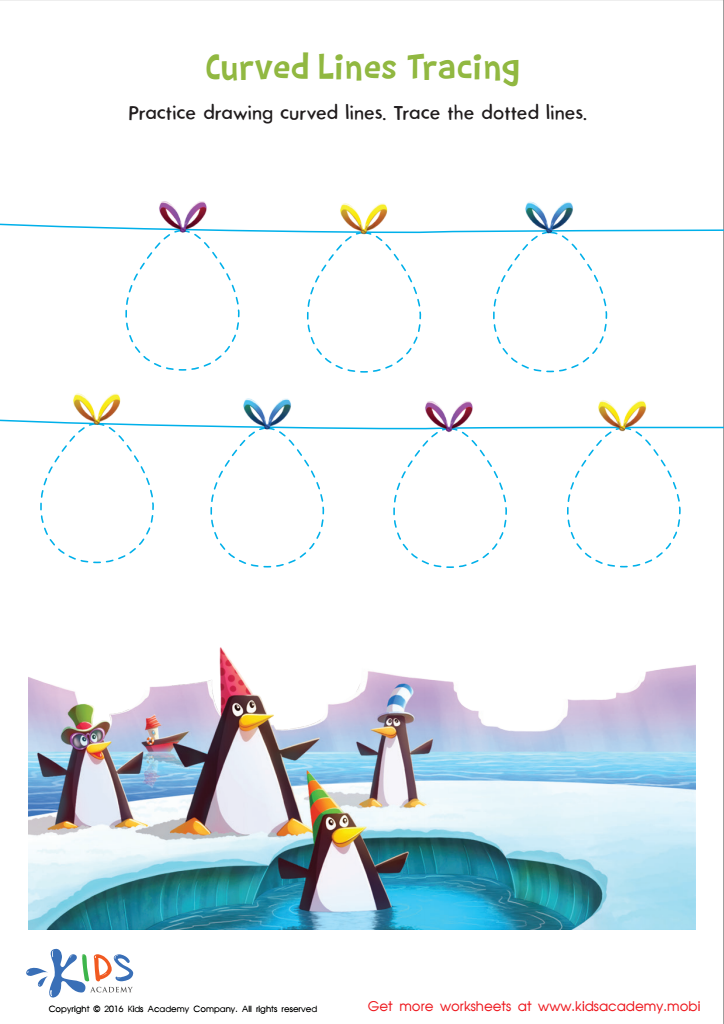
Curved Lines Tracing Worksheet
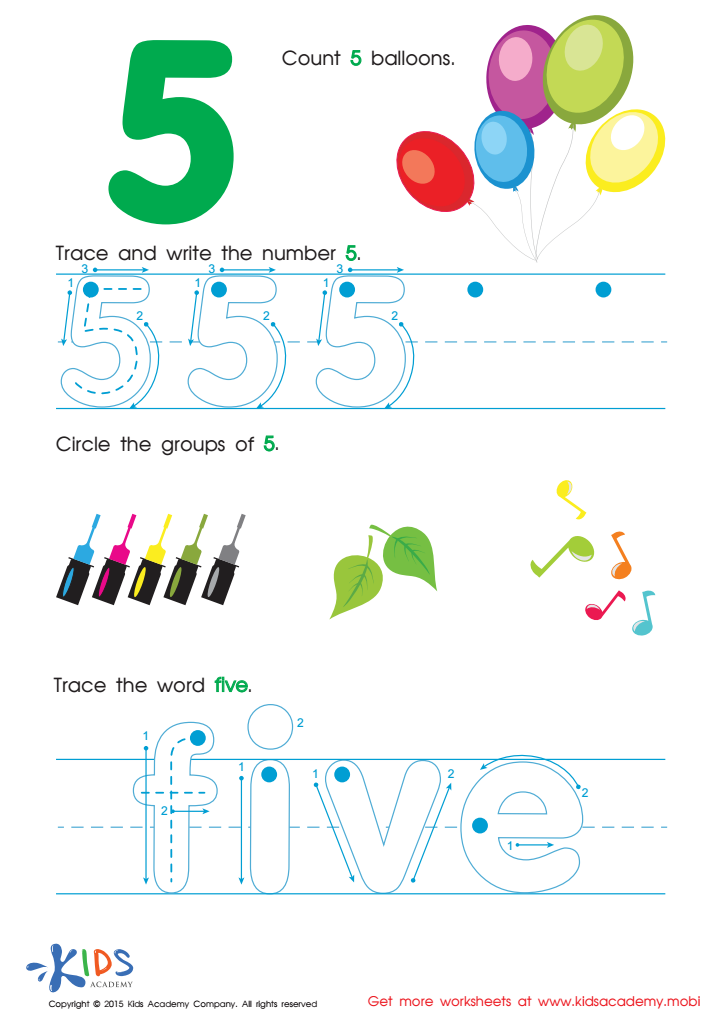
Practice Writing Number 5 Worksheet
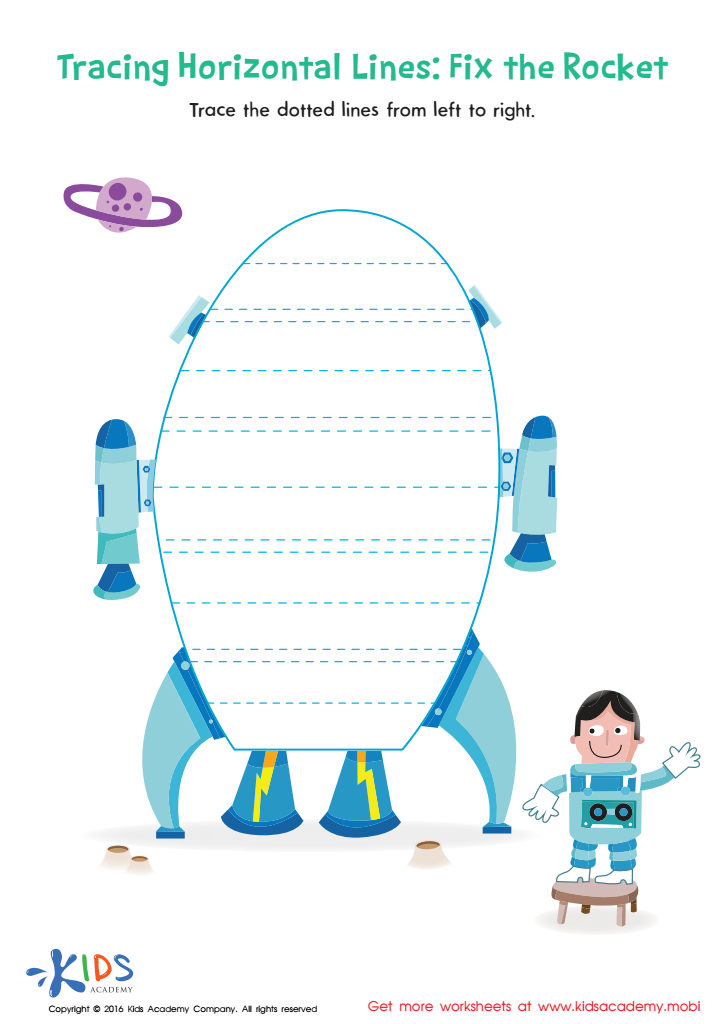
Tracing Horizontal Lines Worksheet
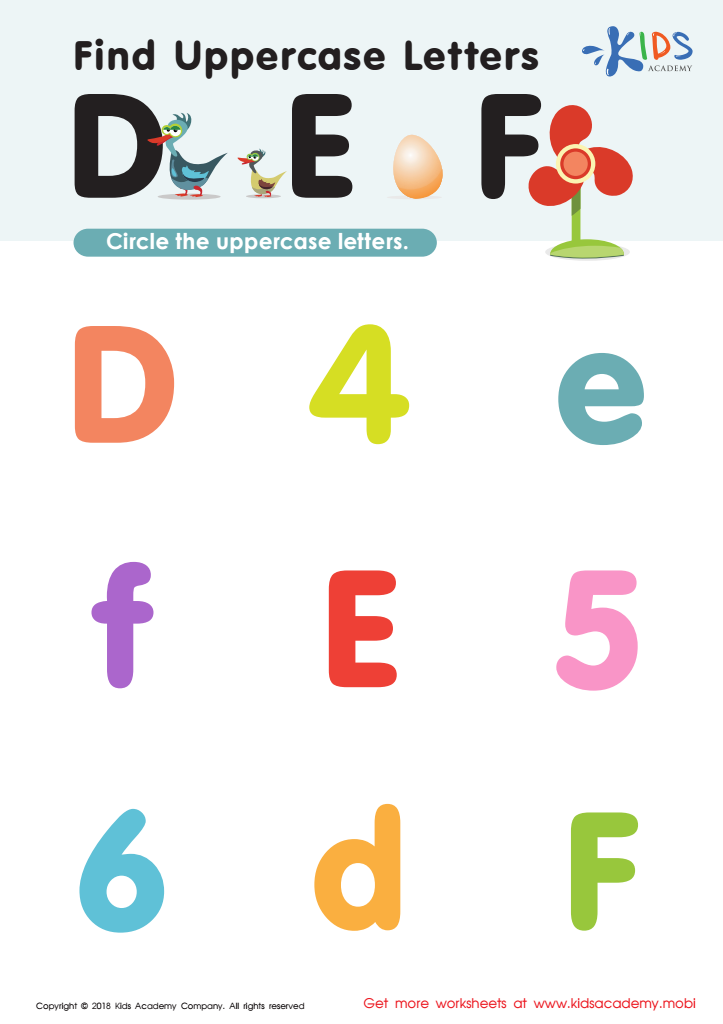
Find Uppercase Letters D, E, and F Worksheet
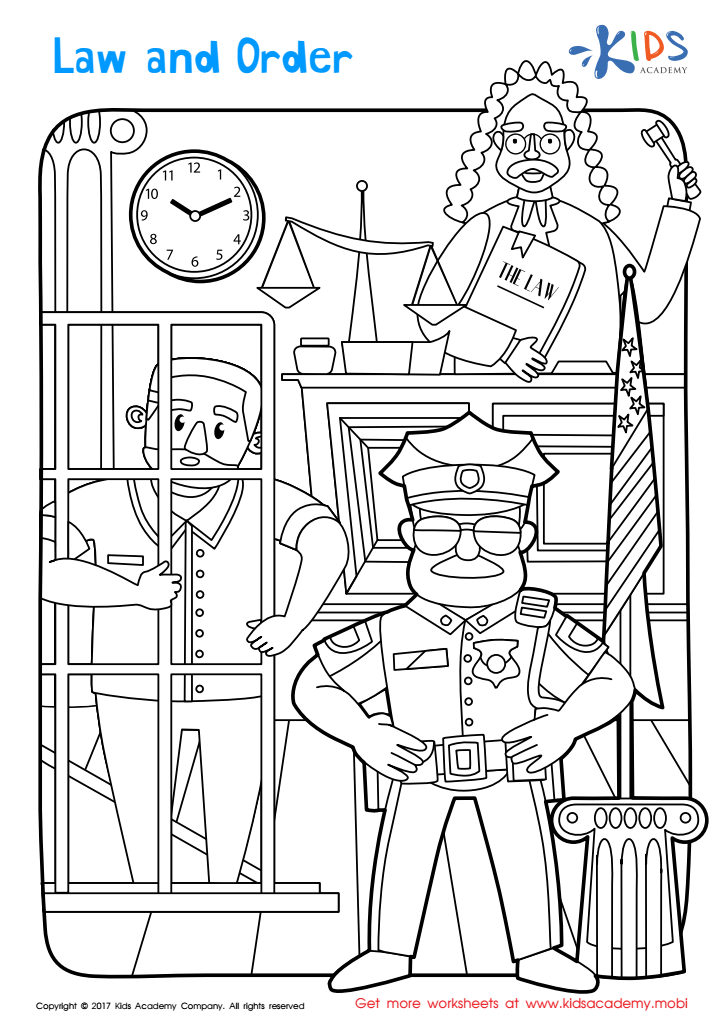
Law and Order Coloring Page Worksheet
 Assign to My Students
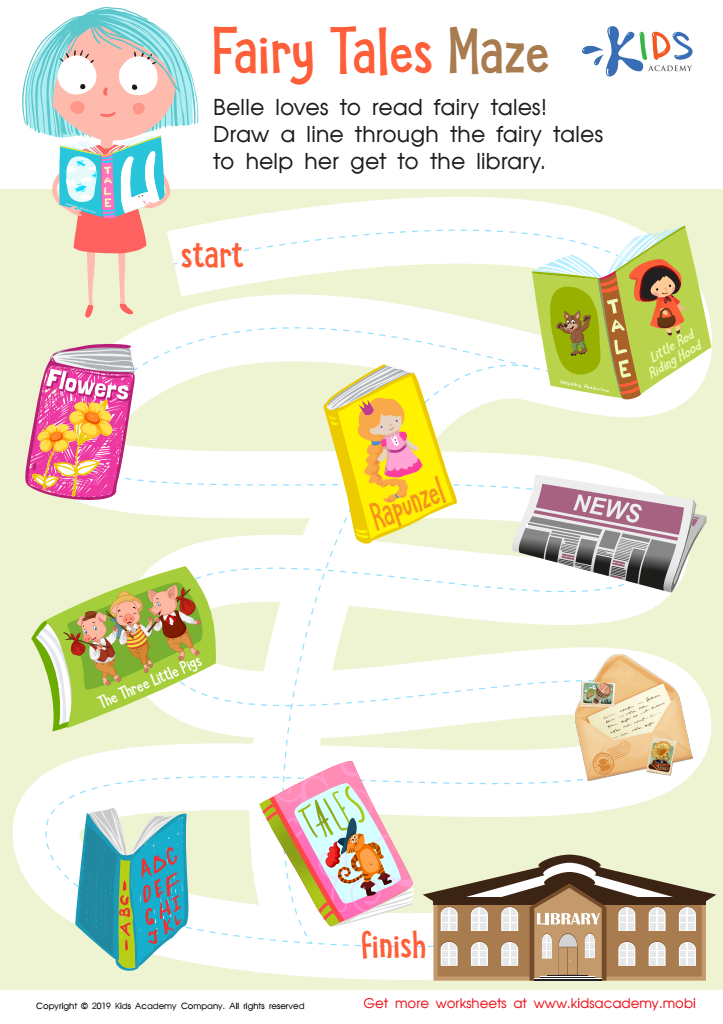
Fairy Tales Maze Worksheet
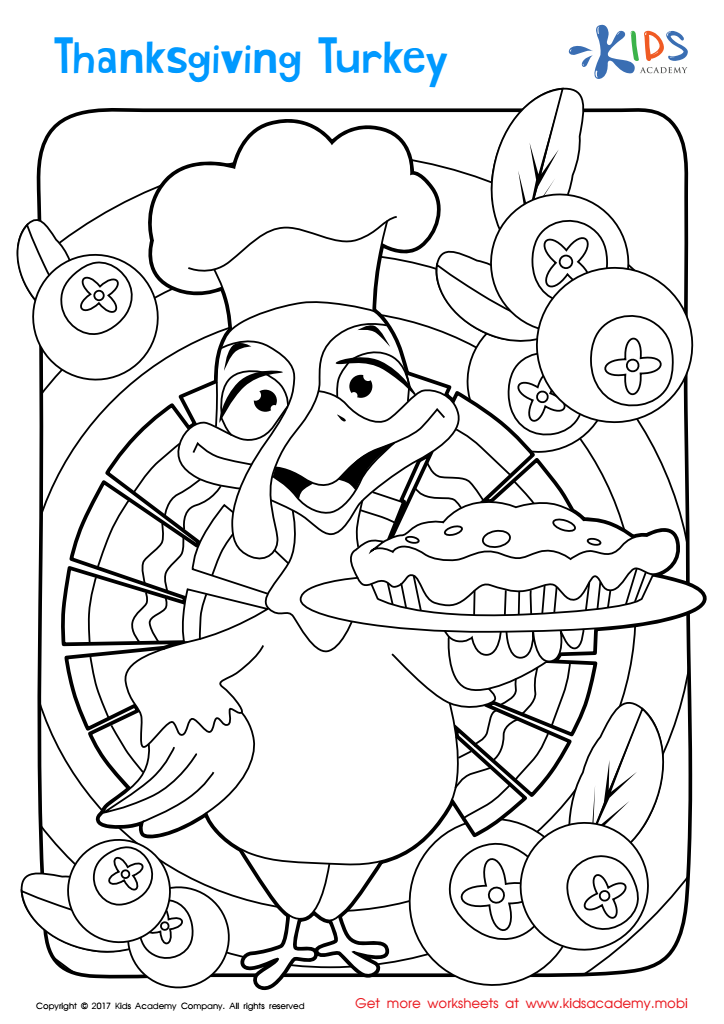
Turkey Thanksgiving Day Worksheet
Assign to My Students
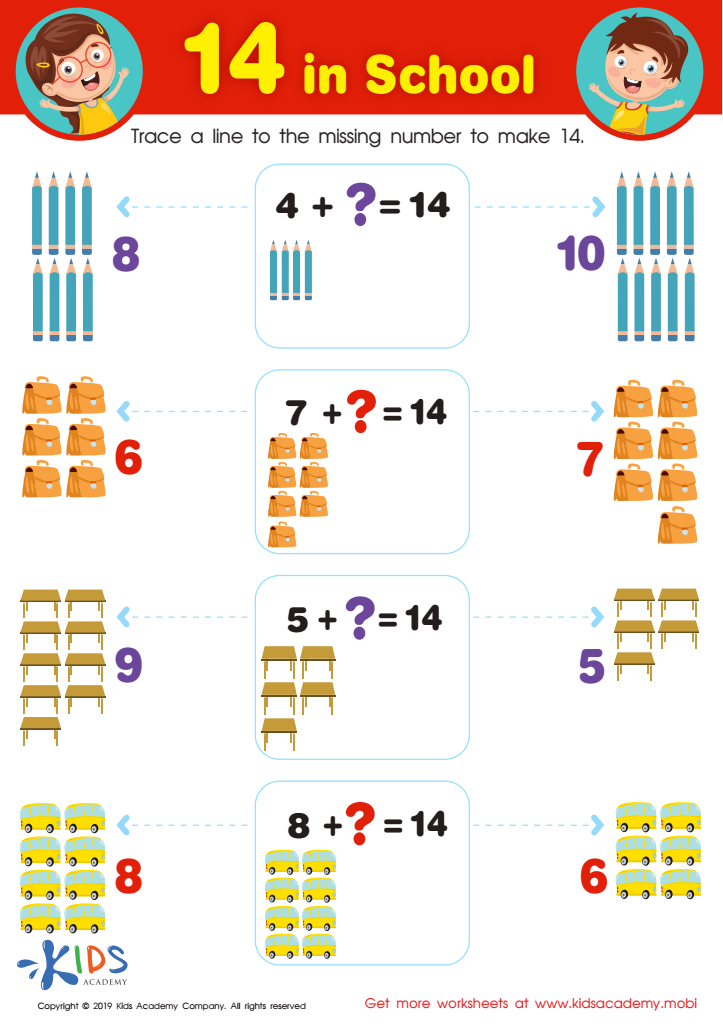
14 in School Worksheet
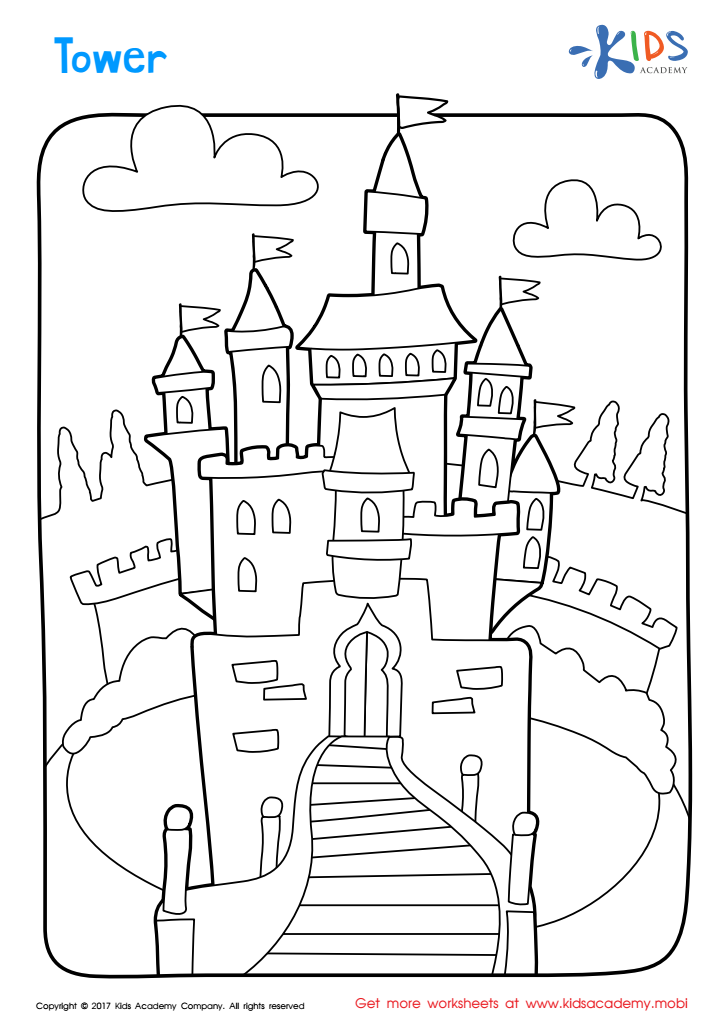
Tower Coloring Page
Assign to My Students

Long and Short E Worksheet
Assign to My Students

Letter D Tracing Page







.jpg)
Hand-eye coordination is a crucial developmental skill for children aged 4-8, directly influencing their ability to perform everyday tasks. Parents and teachers should care about this skill as it forms the foundation for both academic success and physical development. Strong hand-eye coordination allows children to engage more effectively in activities like writing, drawing, using scissors, and playing sports, all of which are essential for their educational journey and social interactions.
Moreover, good hand-eye coordination fosters greater self-confidence. Children who can master physical tasks feel a sense of achievement, which positively impacts their overall self-esteem and encourages them to take on new challenges. This coordination also enhances cognitive skills, including problem-solving and critical thinking, as children learn to synchronize their visual perception with their motor activities.
Additionally, the developmental years between ages 4 to 8 are pivotal for fine and gross motor skills. Parents and teachers can help promote hand-eye coordination through playful activities like building blocks, puzzles, and team sports. By prioritizing this skill, adults can ensure children not only develop essential physical abilities but also cultivate a love for learning, providing a strong basis for their future academic and personal growth.








