
Improving vocabulary Normal Worksheets for Ages 4-8
9 filtered results
Difficulty Level
Grade
Age
-
From - To
Subject
Activity
Standards
Enhance your child’s language skills with our “Improving Vocabulary Normal Worksheets” designed specifically for ages 4-8. These engaging worksheets offer fun and interactive activities that promote vocabulary acquisition and retention. From matching words to pictures to fill-in-the-blank exercises, your little learners will build their word bank while boosting reading comprehension and expression. Each worksheet is tailored to various learning levels, ensuring that every child experiences success and growth. Help your child communicate effectively and confidently with these thoughtfully crafted resources. Perfect for classroom or home use, our worksheets make vocabulary learning both enjoyable and educational!
Favorites
With answer key
Interactive
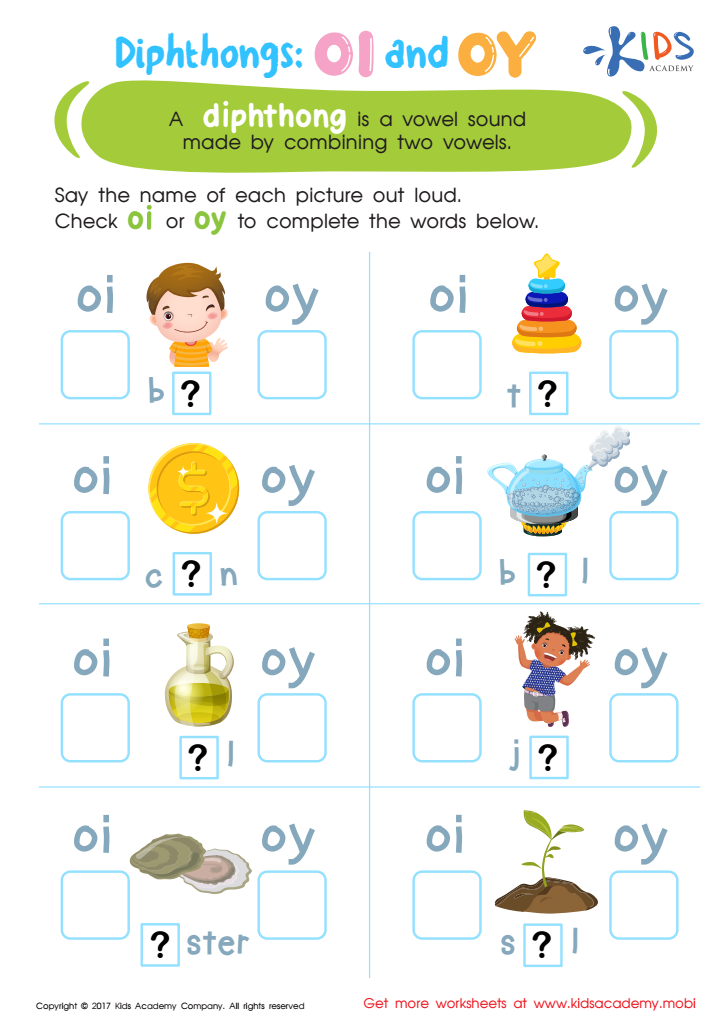
Vowel Diphthongs OI OY Worksheet
It'll help them read and spell accurately. This fun activity is a helpful way to learn tricky spellings of oi and oy diphthongs. It also aids in reading and spelling comprehension.
 Assign to My Students
Vowel Diphthongs OI OY Worksheet
Worksheet
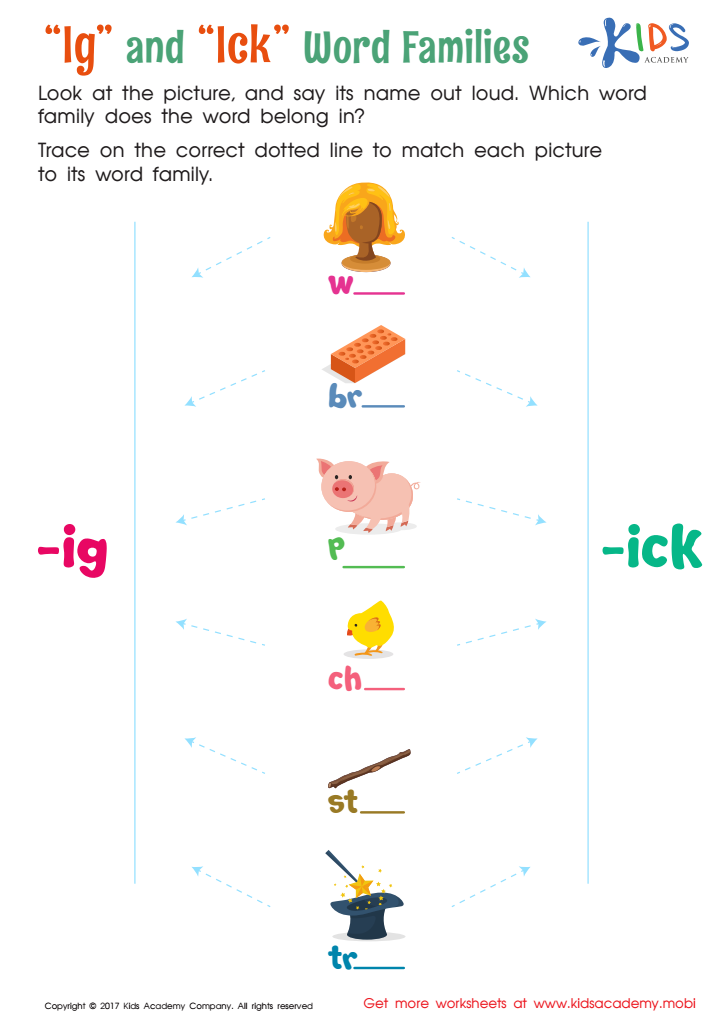
Words Families "ig" and "ick" Spelling Worksheet
Combine fun and learning with this illustrated spelling worksheet featuring "ig" and "ick" words! Ask kids to say the word, then determine which word family it belongs to. Pictures make it easier to learn and remember!
Words Families "ig" and "ick" Spelling Worksheet
Worksheet
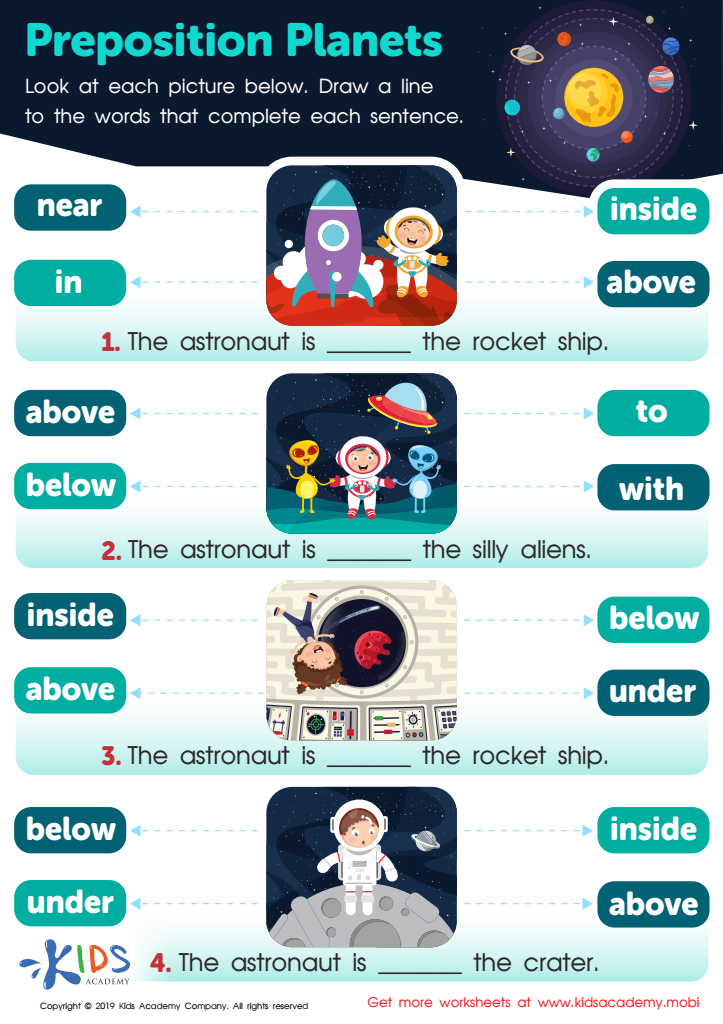
Preposition Planets Worksheet
Remind your child about outer space: which planet do we live on, and who travels there for research? Explain that prepositions show location, direction, and time. Look at the worksheet with colorful pictures of astronauts. Help your kids draw lines to the words that complete each sentence.
Preposition Planets Worksheet
Worksheet
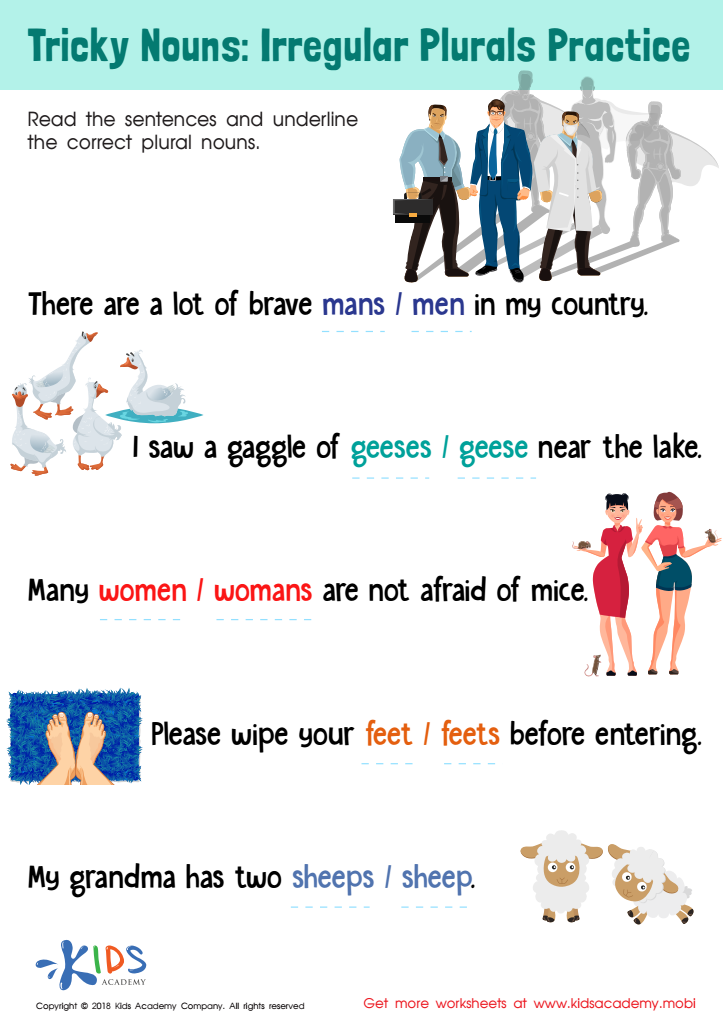
Tricky Nouns: Irregular Plurals Practice Worksheet
Rules for forming plurals of words can be tricky, but with practice, your child can learn to identify the right ones. This worksheet provides the necessary practice - ask your child to read the sentences, then underline the correct plural words.
Tricky Nouns: Irregular Plurals Practice Worksheet
Worksheet
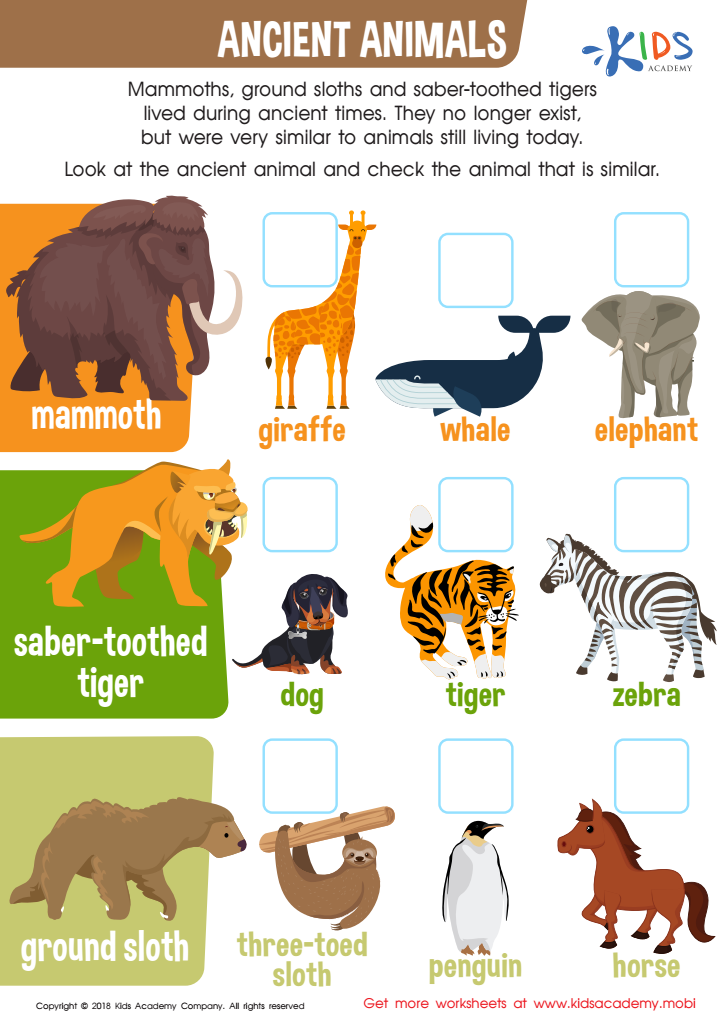
Ancient Animals Worksheet
Kids can explore prehistoric days with a fun, downloadable worksheet. They'll look at pictures of ancient animals like mammoths, ground sloths and saber-toothed tigers and then choose the animal of today that most closely resembles their ancestor. Through this sheet, they can make connections between today's animals and the past.
Ancient Animals Worksheet
Worksheet
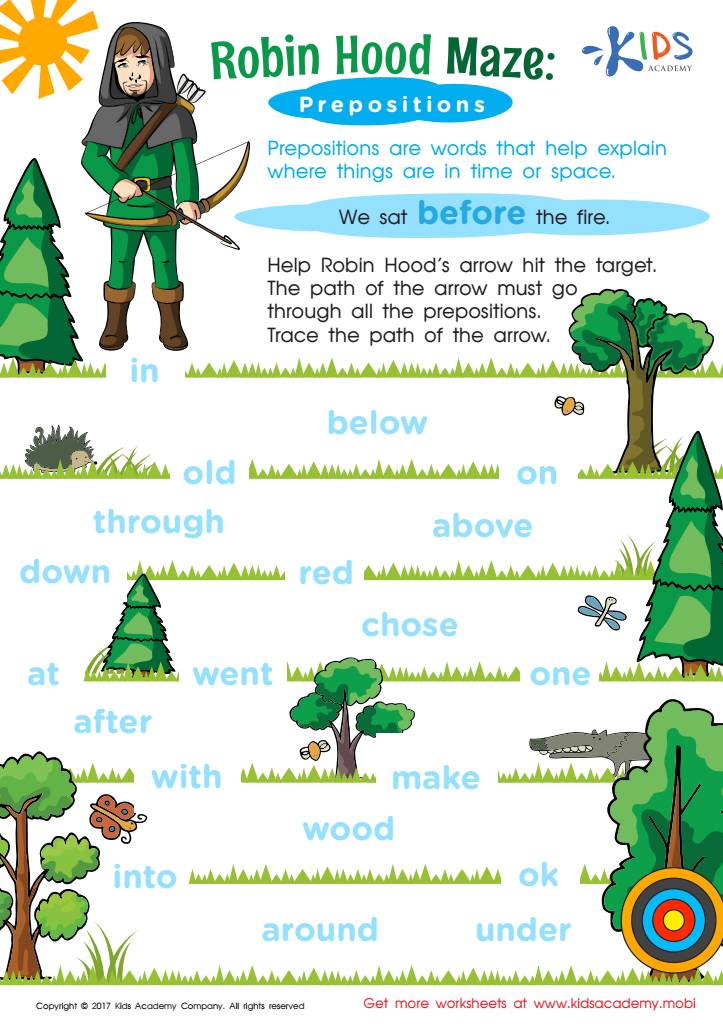
Prepositions Worksheet
Learn prepositions with this PDF worksheet for 3rd grade! Through a fun Robin Hood story, find prepositions as you help Robin shoot his arrow! A great way to learn and have fun!
Prepositions Worksheet
Worksheet
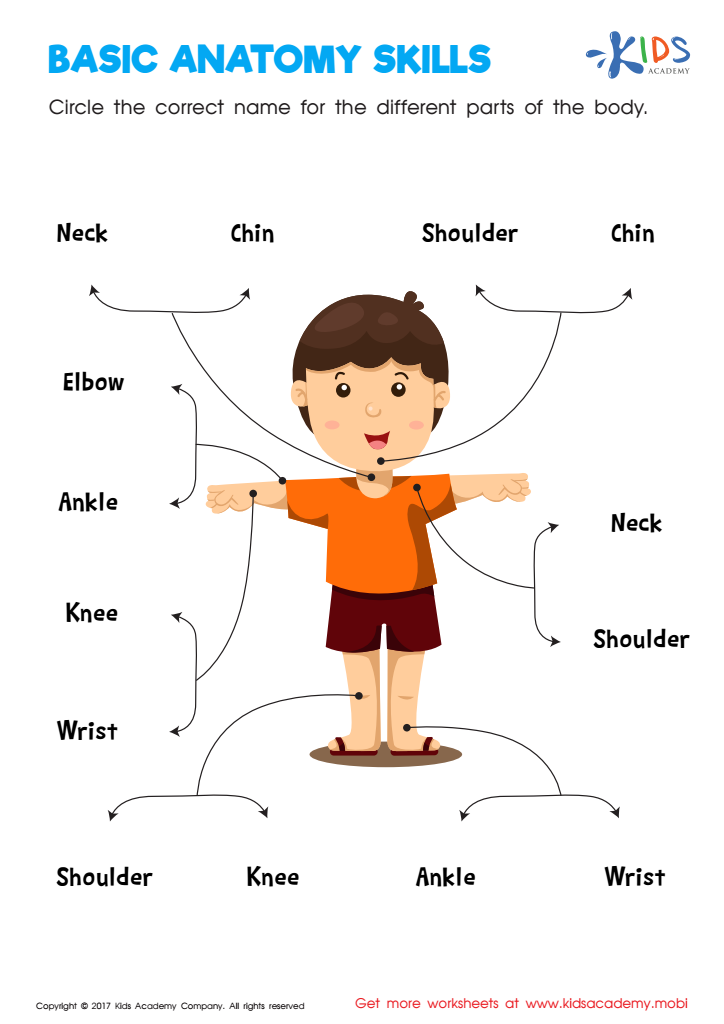
Basic Anatomy Skills Printable
Introduce your child to basic anatomy with this worksheet! It will help him learn essential body part names, differentiate between them, recognize and label them. This will give him the tools to better communicate his feelings and become self-aware.
Basic Anatomy Skills Printable
Worksheet
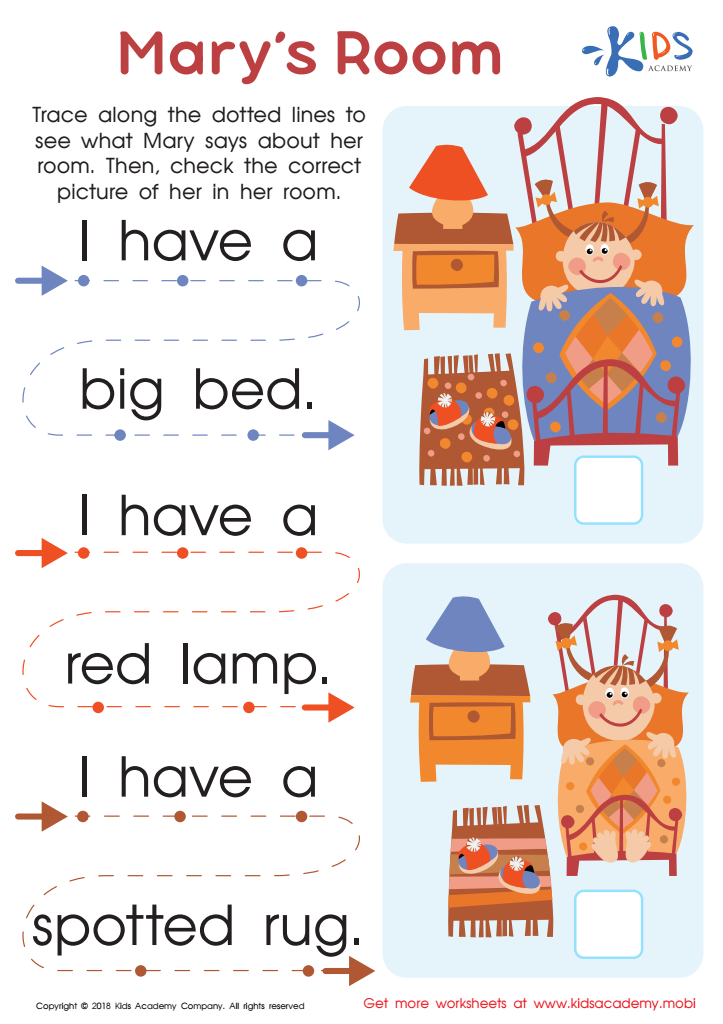
Mary's Room Worksheet
This cute PDF worksheet is a great way to help your young reader build their comprehension and directionality skills in a fun way. They'll use the images and clues to determine which room belongs to Mary. Following the traceable lines can give them a sense of being a detective, and help with directionality and fine motor skills too. Let them have fun and enjoy the activity - their skills will thank you!
Mary's Room Worksheet
Worksheet
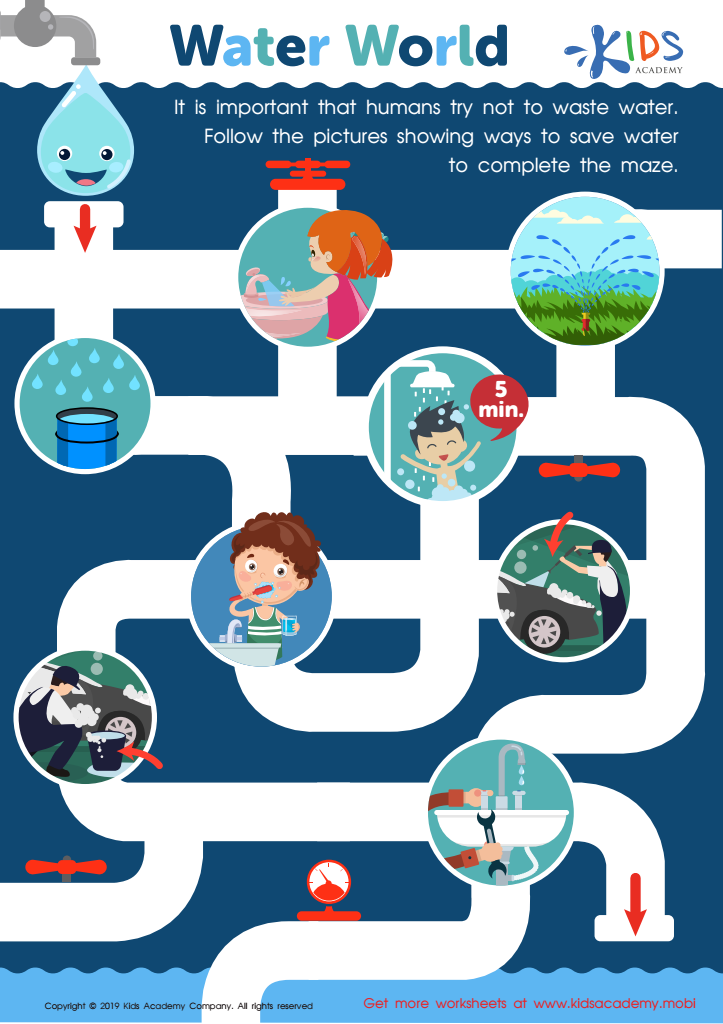
Water World Worksheet
Water is a vital necessity for living. Our bodies depend on it to stay healthy and survive. When we don't drink enough water, we become thirsty and run the risk of getting sick. Luckily, our planet is full of water and natural sources to stay hydrated. To prevent water waste, use this worksheet to teach your students how to conserve it and complete the maze.
Water World Worksheet
Worksheet
Join Kids Academy for Free
Who is primarily going to use this learning content?







Improving vocabulary in children aged 4-8 is crucial for their overall development and academic success. During these formative years, children are rapidly acquiring language skills that form the foundation for future learning. A rich vocabulary enhances their ability to express thoughts, emotions, and ideas clearly and confidently. It also facilitates better comprehension of stories, instructions, and classroom discussions, enabling children to engage more deeply with the material.
Furthermore, a strong vocabulary is linked to improved reading skills. Children with an extensive vocabulary are better equipped to decode words and understand context, making them more proficient readers. This, in turn, fosters a love for reading, paving the way for lifelong learning.
Moreover, developing vocabulary supports social skills. Children learn to communicate effectively, fostering relationships with peers and adults. Vocabulary growth also encourages curiosity and critical thinking, as children are more willing to explore new concepts and ask questions.
Ultimately, by investing time and effort into vocabulary improvement, parents and teachers can significantly enhance a child's intellectual, emotional, and social development, setting them on a path toward success in school and beyond. Therefore, it is essential that caregivers prioritize vocabulary enrichment strategies in their daily interactions and educational activities.








