Knowledge application Normal Worksheets for Ages 4-8
6 filtered results
-
From - To
Explore our "Knowledge Application Normal Worksheets for Ages 4-8," designed to enhance critical thinking and problem-solving skills in young learners. These engaging worksheets encourage children to apply what they've learned in real-world contexts, fostering a deeper understanding of various subjects. Each worksheet is crafted to meet developmental milestones and align with educational standards, making learning both fun and effective. Ideal for use at home or in the classroom, our resources help children strengthen their cognitive abilities and boost their confidence. Dive into an array of interactive activities that inspire curiosity and promote lifelong learning!
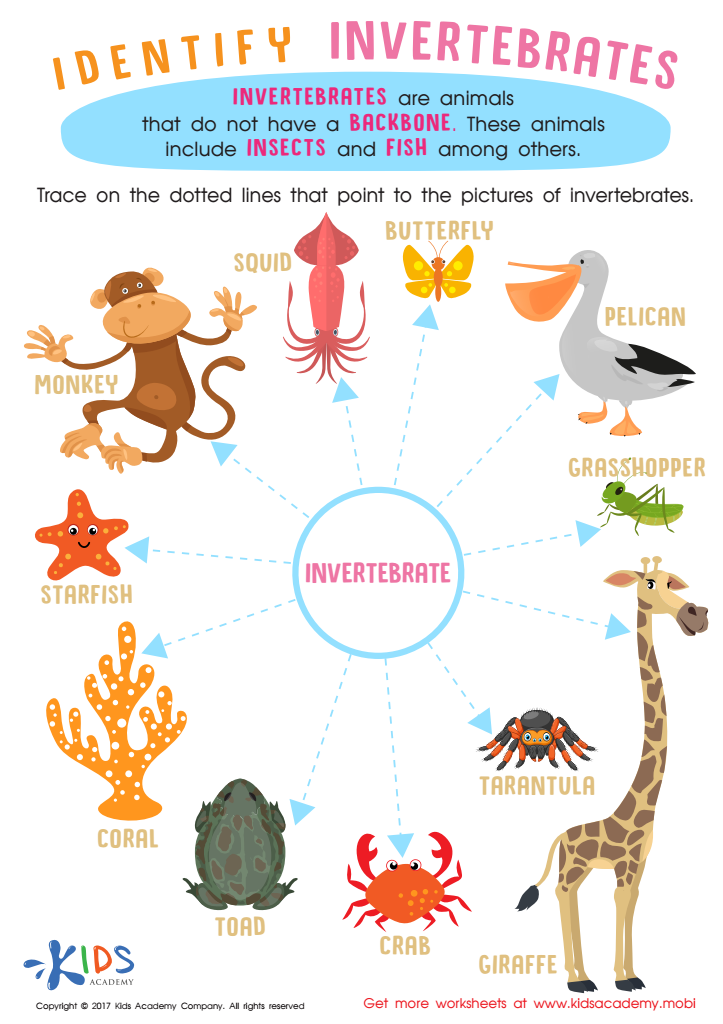
Invertebrates Worksheet for Grade 3
 Assign to My Students
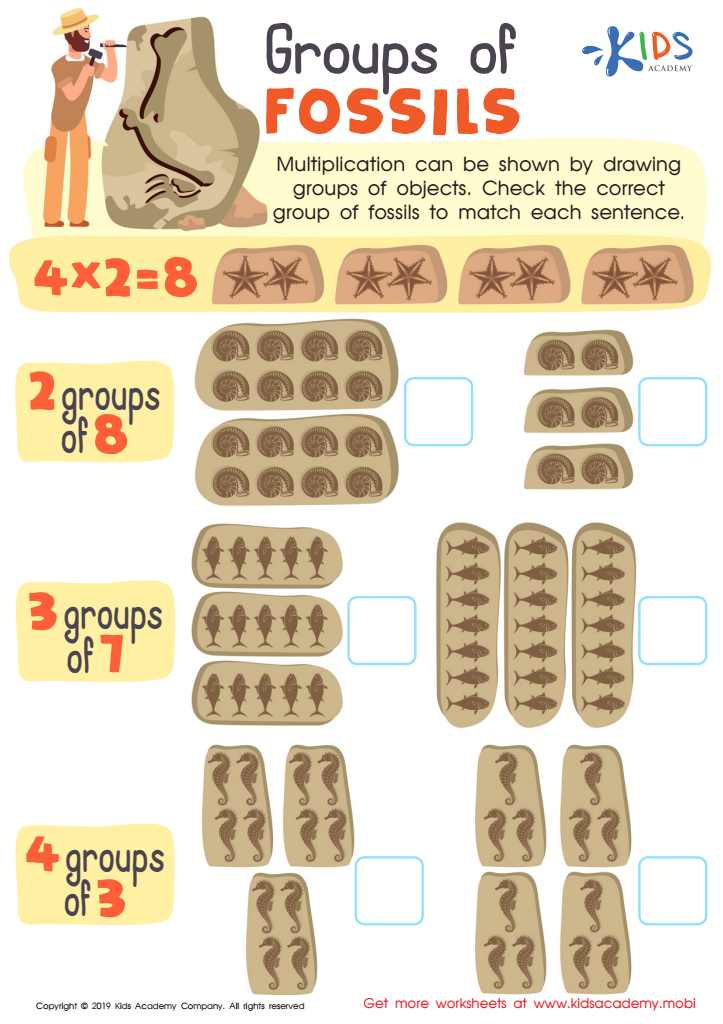
Groups of Fossils Worksheet
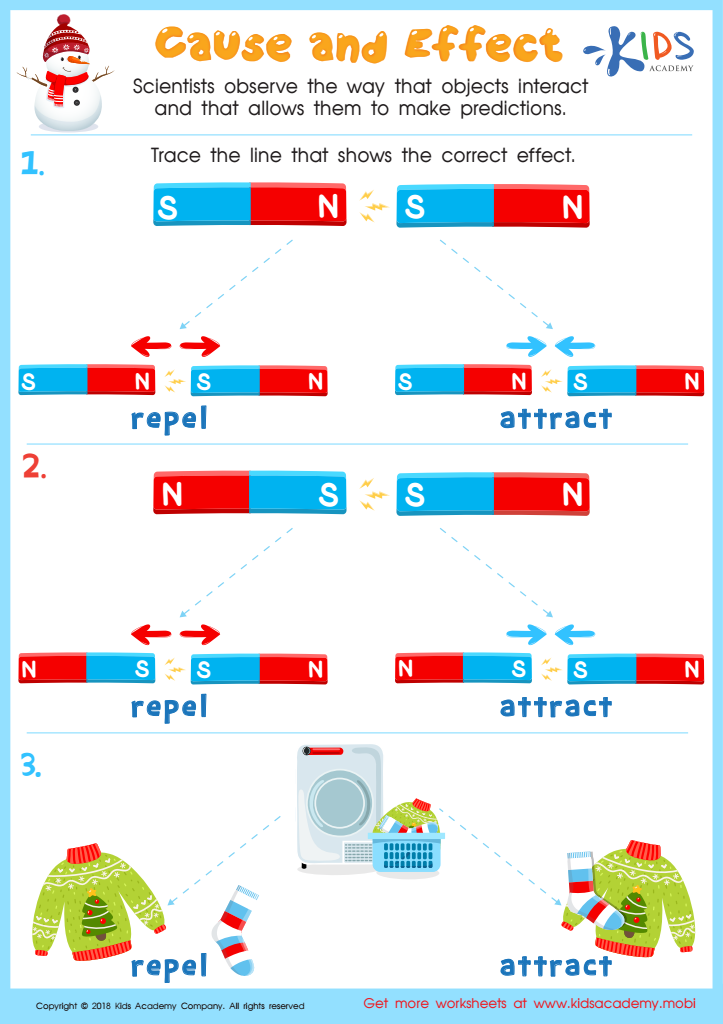
Repel and Attract Magnet Worksheet
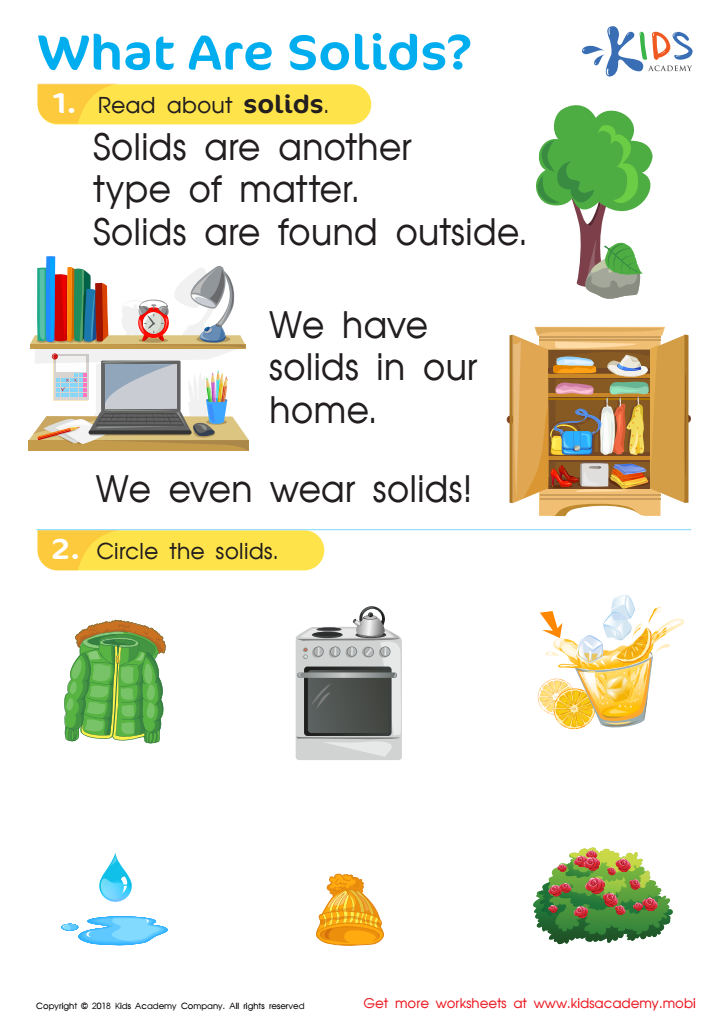
What Are Solids? Worksheet
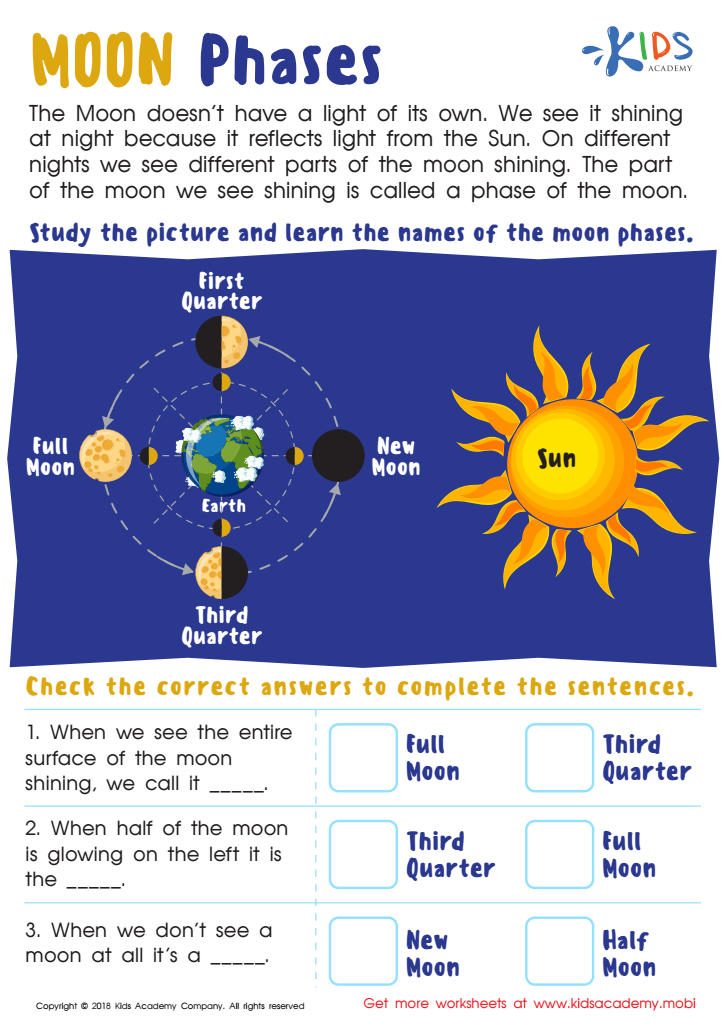
Moon Phases Worksheet
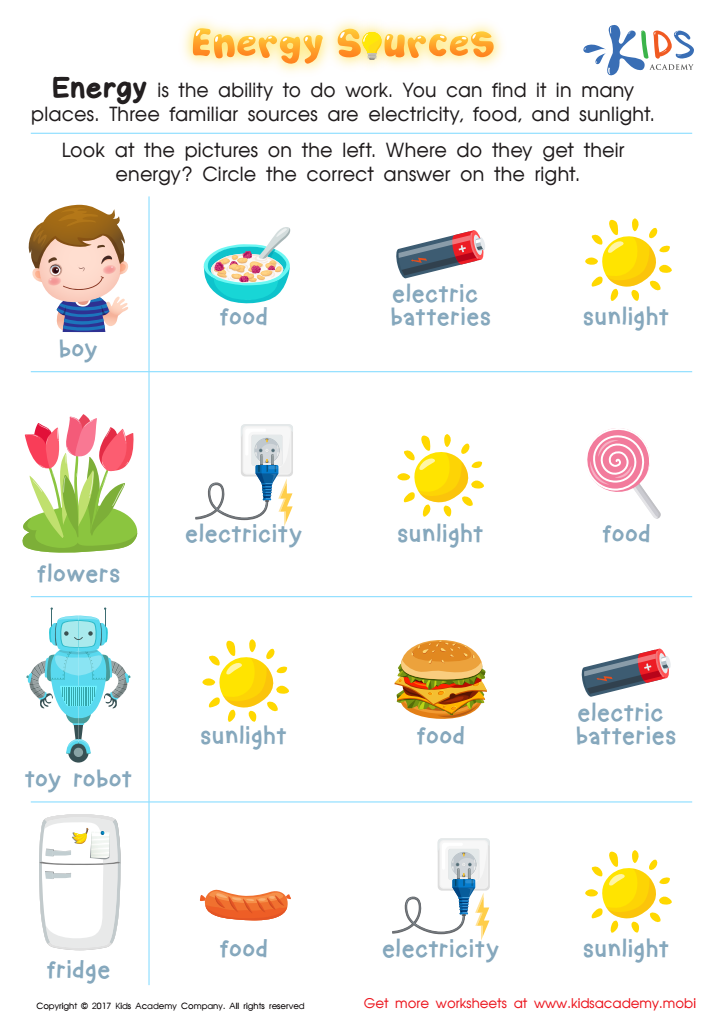
Energy Sources Printable








Knowledge application is crucial for children aged 4-8 as it bridges the gap between theoretical learning and real-world use. During these formative years, children are naturally curious and eager to explore their environment. When parents and teachers emphasize the application of knowledge, they encourage critical thinking, problem-solving, and creativity.
At this stage of development, children learn best through hands-on experiences. Engaging them in practical activities—like cooking, gardening, or simple science experiments—helps solidify concepts from the classroom and makes learning meaningful. Such experiences cultivate skills that extend beyond academics, including collaboration, communication, and perseverance.
Moreover, applying knowledge fosters a growth mindset. Children learn that challenges are opportunities for growth rather than obstacles, which nurtures resilience. Parents and teachers play a integral role by providing supportive environments where children feel safe to experiment and make mistakes.
By prioritizing knowledge application, parents and teachers empower children to become lifelong learners who can adapt and innovate in diverse situations. Such foundational skills not only enhance a child's academic performance but also equip them with the tools they need to navigate an increasingly complex world. Investing in knowledge application is, therefore, an investment in a child’s future success and well-being.








