Letter formation Normal Worksheets for Ages 4-8
4 filtered results
-
From - To
Introduce your young learners to the world of writing with our "Letter Formation Normal Worksheets for Ages 4-8". Meticulously designed to foster proper handwriting skills, these worksheets help children learn to form uppercase and lowercase letters correctly. Tailored for ages 4-8, each sheet integrates fun and engaging activities, making learning an enjoyable experience. Our comprehensive collection supports your child’s development in fine motor skills, promoting confidence in their writing abilities. Perfect for at-home practice or supplemental classroom resources, build a strong foundation in writing with our expert-designed worksheets. Nurture the joy of learning and mastery with Kids Academy today!
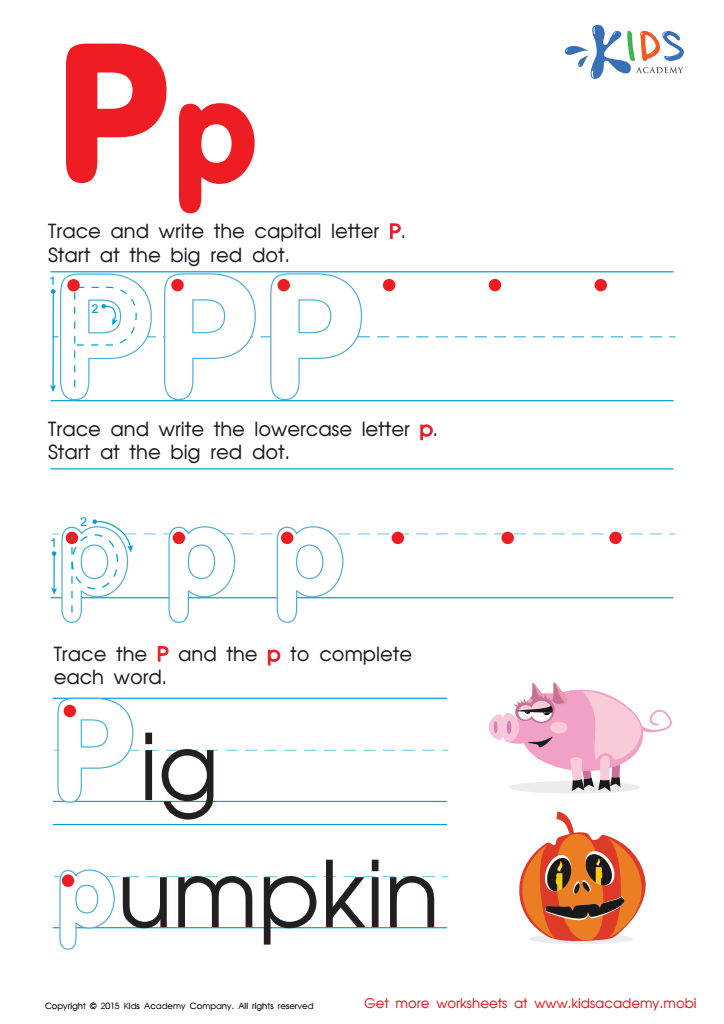
Letter P Tracing Page
 Assign to My Students
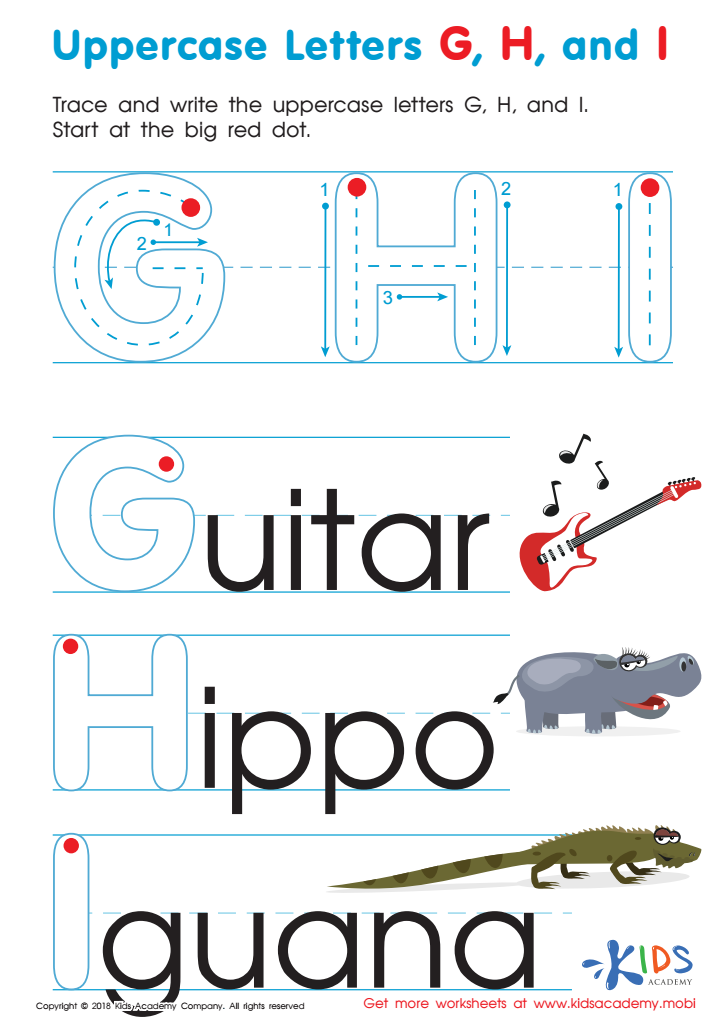
Uppercase Letters G, H, and I Worksheet
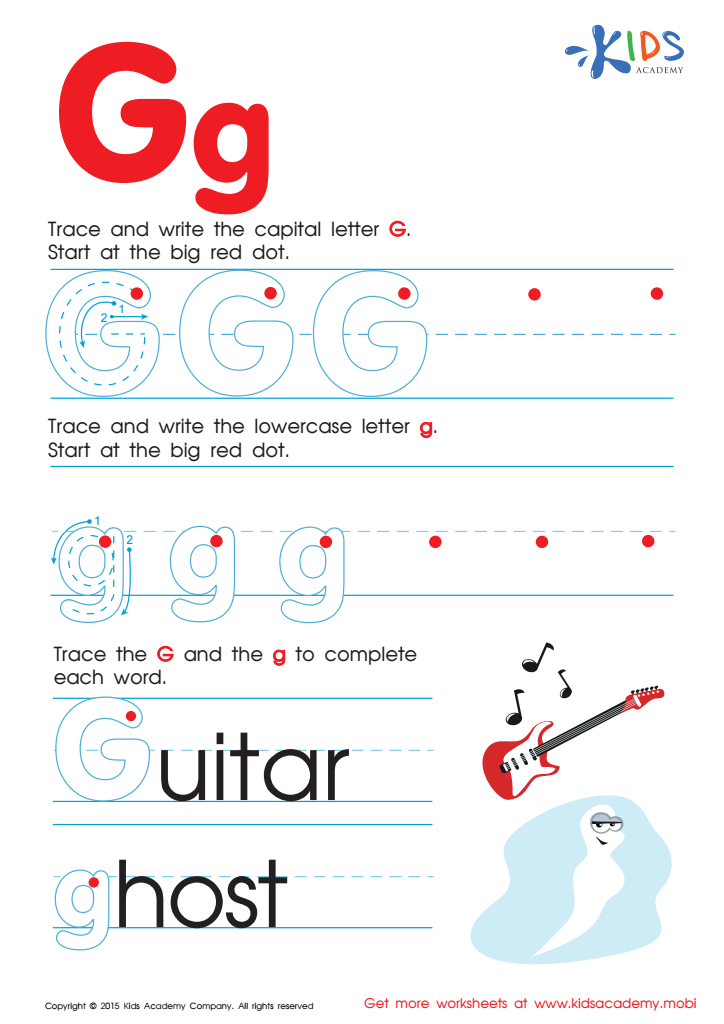
Letter G Tracing Page
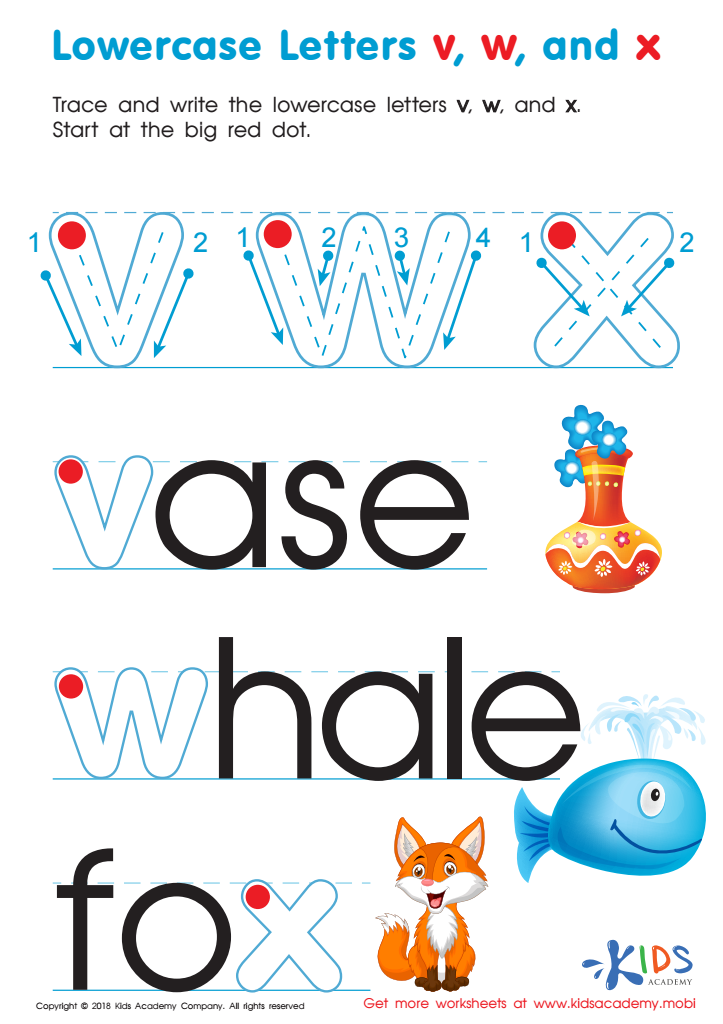
Lowercase Letters v w x Worksheet







Developing proper letter formation in children ages 4-8 is crucial for several reasons that impact their overall academic success and confidence. Firstly, correct letter formation improves legibility, ensuring that children are able to convey their thoughts and ideas clearly through their writing. This ability facilitates effective communication and minimizes misunderstandings.
Secondly, proper letter formation aids in the development of fine motor skills and hand-eye coordination. Young children often struggle with these skills, and consistent practice in writing can significantly enhance their dexterity and precision, contributing to better performance in various tasks beyond writing.
Moreover, mastering letter formation fosters a sense of accomplishment and boosts self-esteem. When children are able to write neatly and efficiently, they often feel more confident in their abilities, which can positively impact their learning attitude and willingness to engage with other academic challenges.
Lastly, efficient writing skills, cultivated through correct letter formation, indicate cognitive development and readiness for more complex tasks as children progress in their education. Teachers and parents should ensure that the foundational skills like letter formation are correctly established during these formative years to support future academic success and lifelong learning habits.








