Letter Tracing Practice Normal Worksheets for Ages 4-8
6 filtered results
-
From - To
Boost your child's writing skills with our Letter Tracing Practice worksheets designed for ages 4-8! These engaging and printable worksheets help young learners develop fine motor skills, letter recognition, and handwriting proficiency. Each worksheet features both uppercase and lowercase letters, providing ample practice opportunities. Our fun and interactive approach keeps kids motivated while learning essential writing techniques. Perfect for home or classroom use, these worksheets are a valuable resource for early education. Download today and watch your child's confidence in writing soar as they trace, learn, and master their letters in a fun, supportive environment!
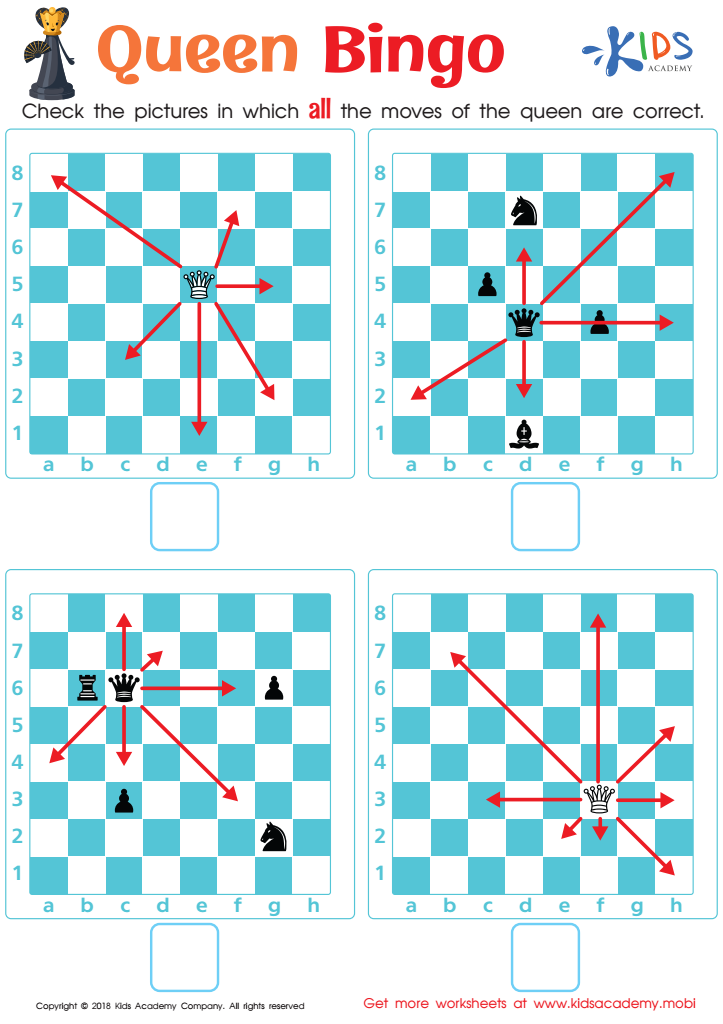
Queen Bingo Worksheet
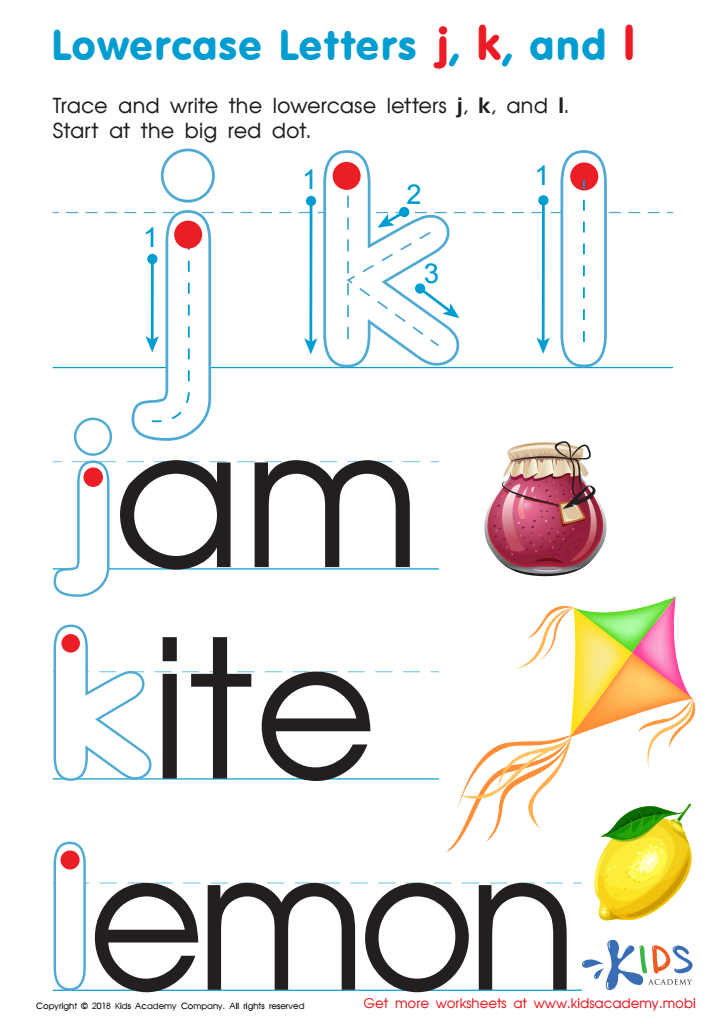
Lowercase Letters j k l Worksheet
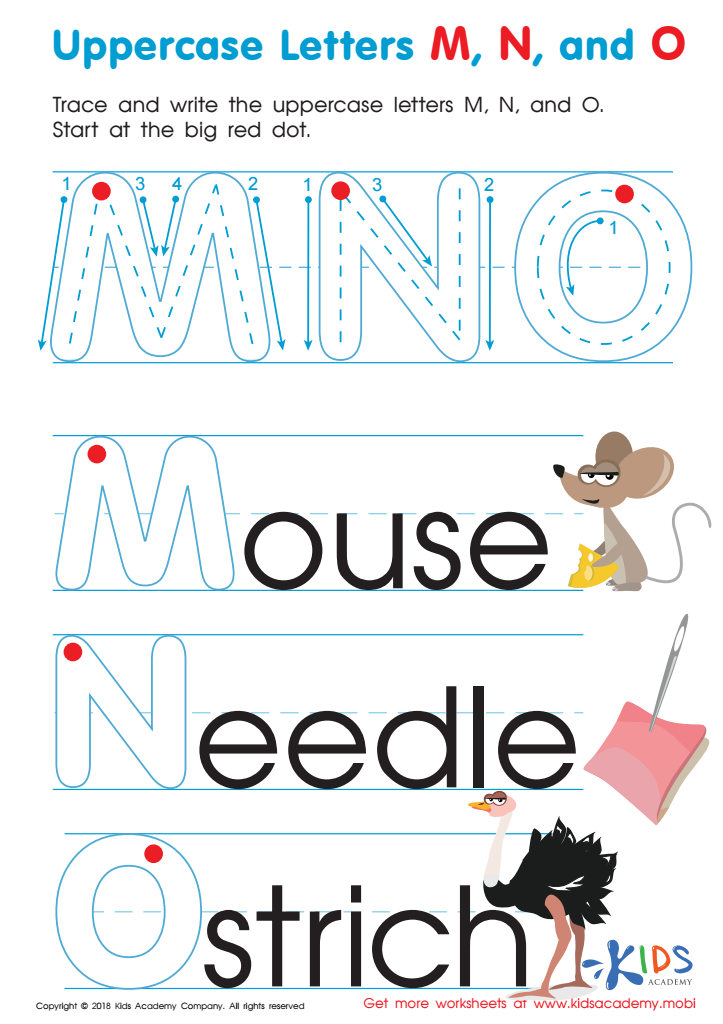
Uppercase Letters M, N, and O Worksheet
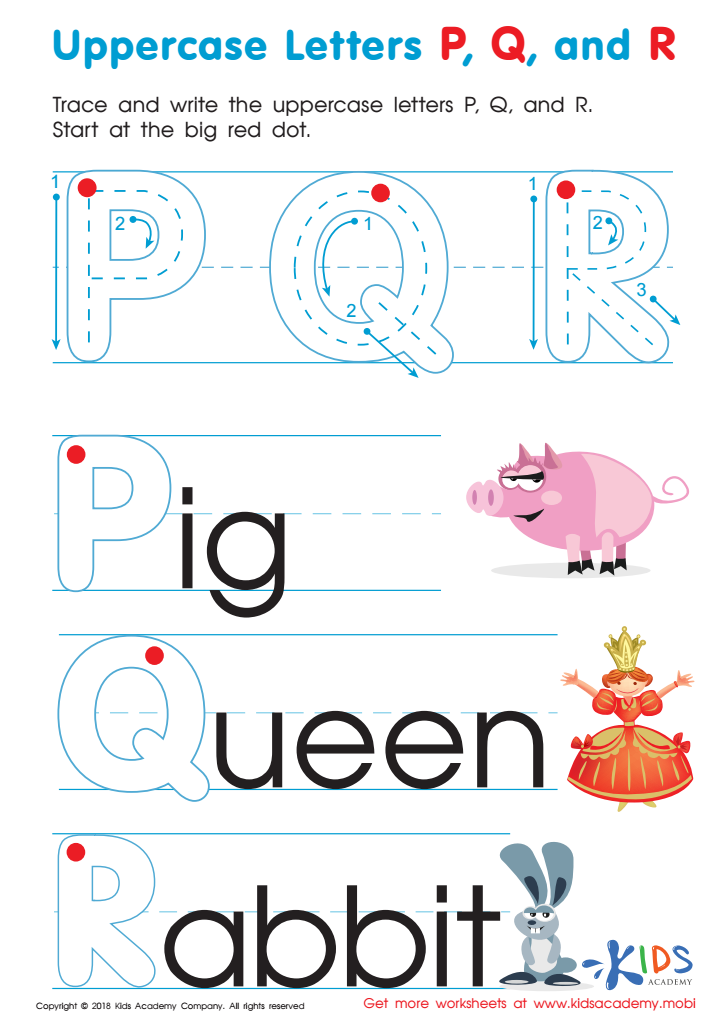
Uppercase Letters P, Q, and R Worksheet
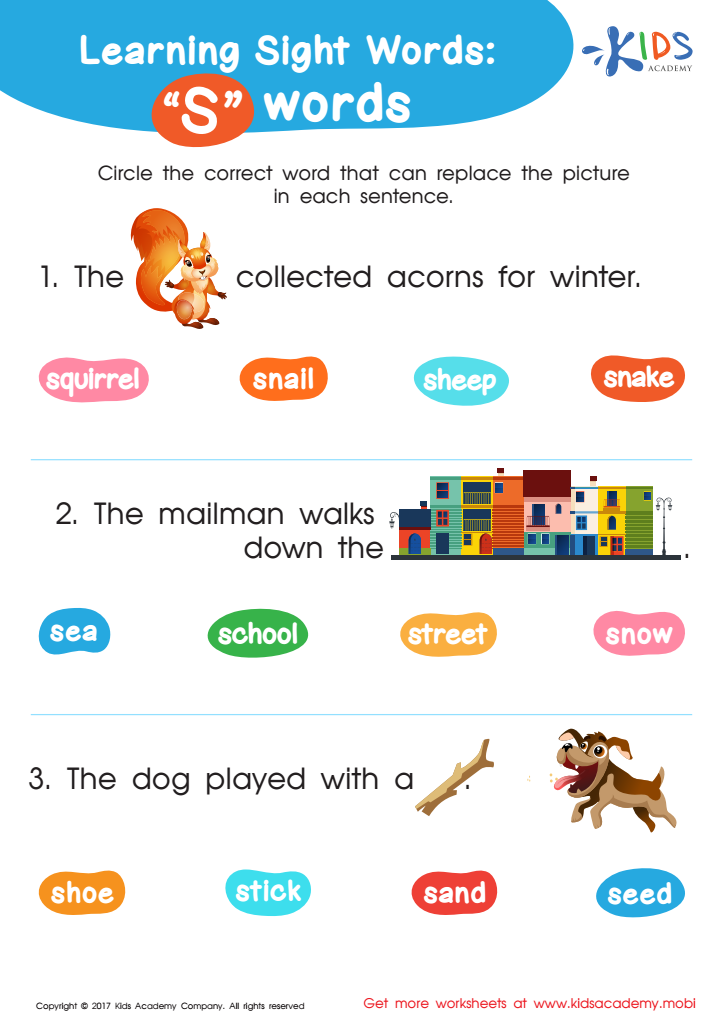
S Words Sight Words Worksheet
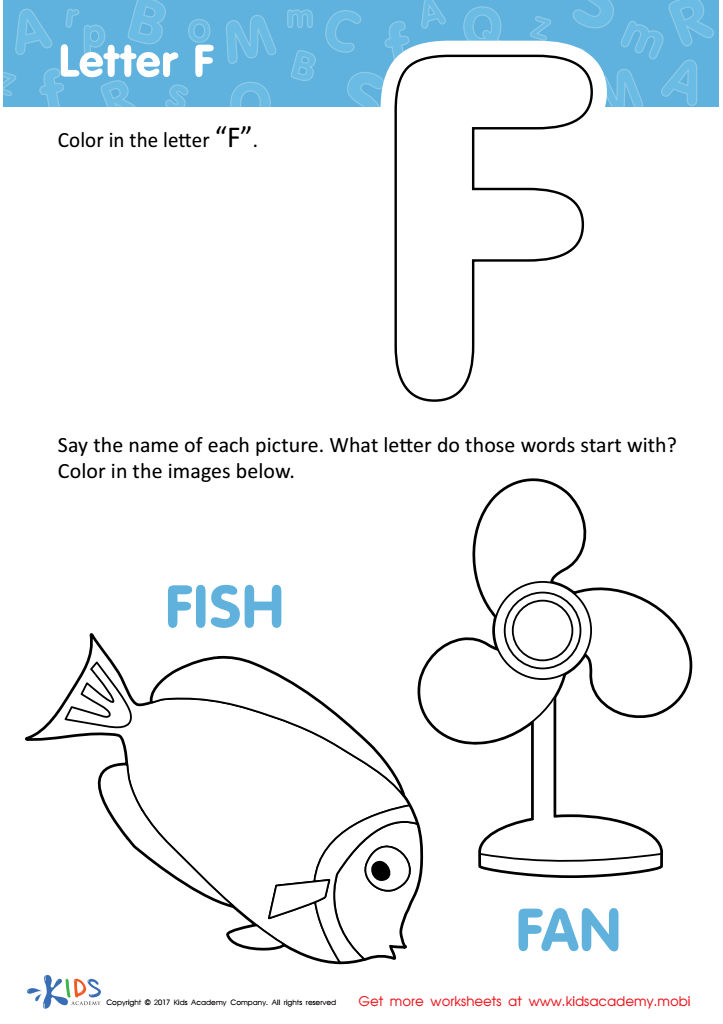
Letter F Coloring Sheet
 Assign to My Students






.jpg)

Letter tracing practice is essential for children aged 4-8 as it serves as a fundamental building block for literacy development. At this stage, children are honing their fine motor skills, which are crucial for handwriting. Tracing letters helps them develop the hand-eye coordination necessary for writing independently. This practice not only reinforces letter recognition but also aids in phonetic awareness, providing a stronger foundation for reading and language comprehension.
Moreover, engaging in letter tracing helps to instill confidence in young learners. As they master each letter, children experience a sense of achievement that motivates them to engage further with their learning. Letter tracing can also be a relaxing activity that promotes focus and discipline, skills that are valuable across various areas of development.
For teachers and parents, implementing letter tracing into daily routines supports a structured yet enjoyable learning atmosphere. It allows educators to assess a child’s progress easily and tailor instruction to meet individual needs. By investing time in letter tracing, caregivers are ultimately cultivating confident and capable readers and writers, setting the stage for lifelong academic success. Thus, both teachers and parents should prioritize this essential practice in early education.








