Reading clocks Normal Worksheets for Ages 4-8
3 filtered results
-
From - To
Discover our engaging Reading Clocks Normal Worksheets designed specifically for ages 4-8! These worksheets make learning to tell time fun and interactive, helping young learners build essential clock-reading skills. With colorful visuals and simple instructions, children will practice identifying both analog and digital clocks, as well as understanding time increments. Our carefully crafted activities cater to different learning styles, ensuring that each worksheet is beneficial and enjoyable. Perfect for classroom or home use, these worksheets support early math development and increase confidence in time-telling abilities, setting a strong foundation for future success. Start your child’s journey to mastering time today!
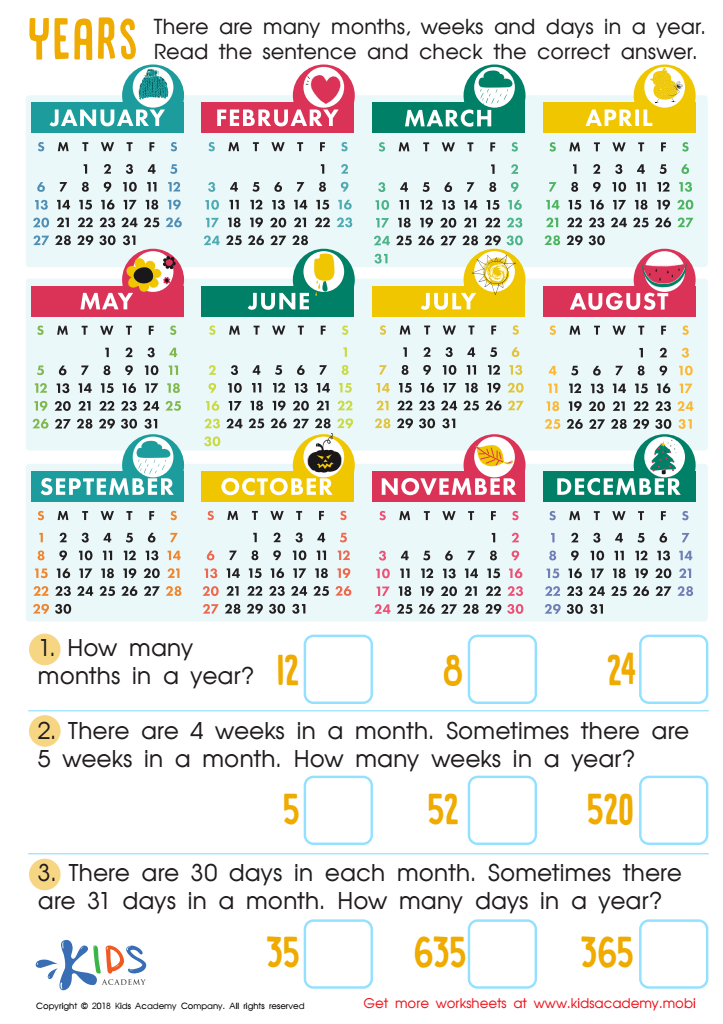
Years Worksheet
 Assign to My Students
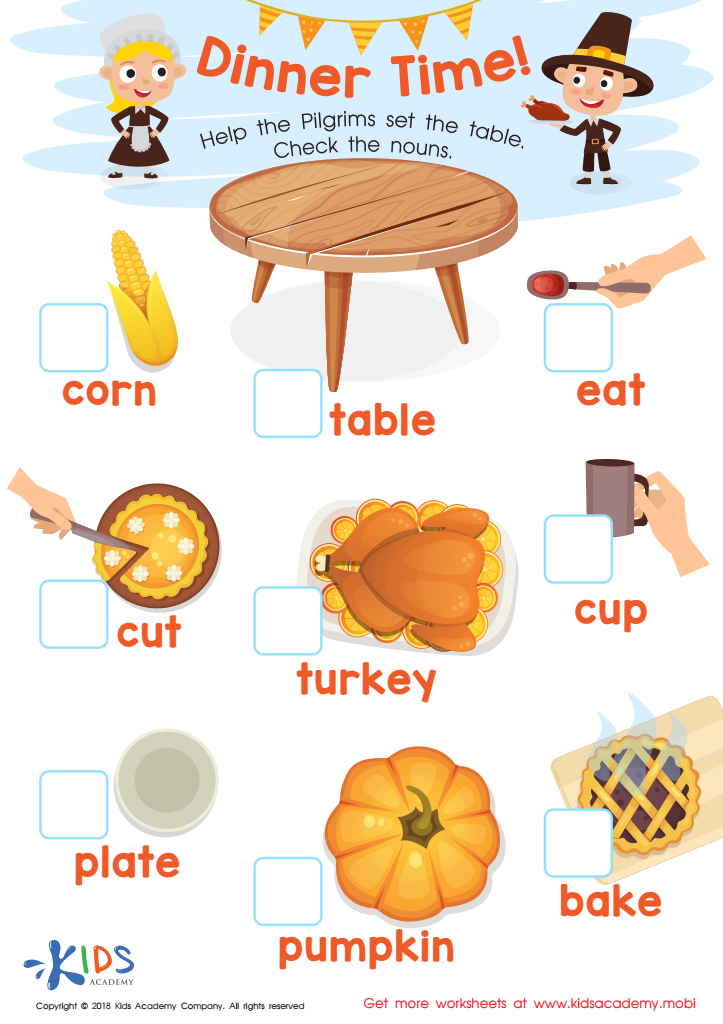
Dinner Time! Worksheet
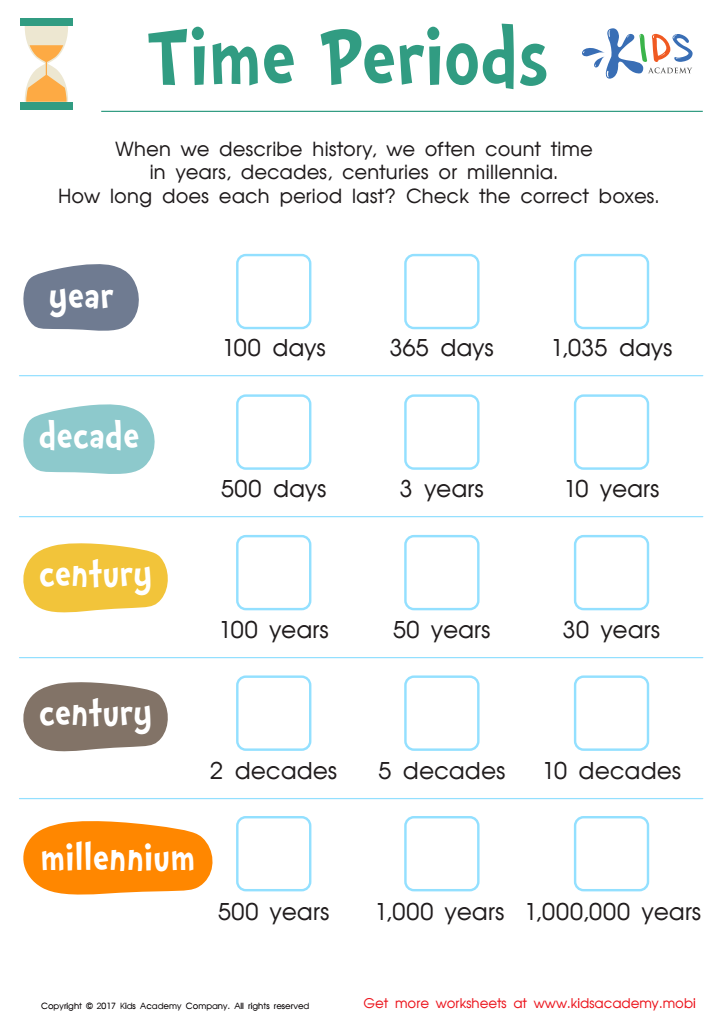
Time Periods Worksheet







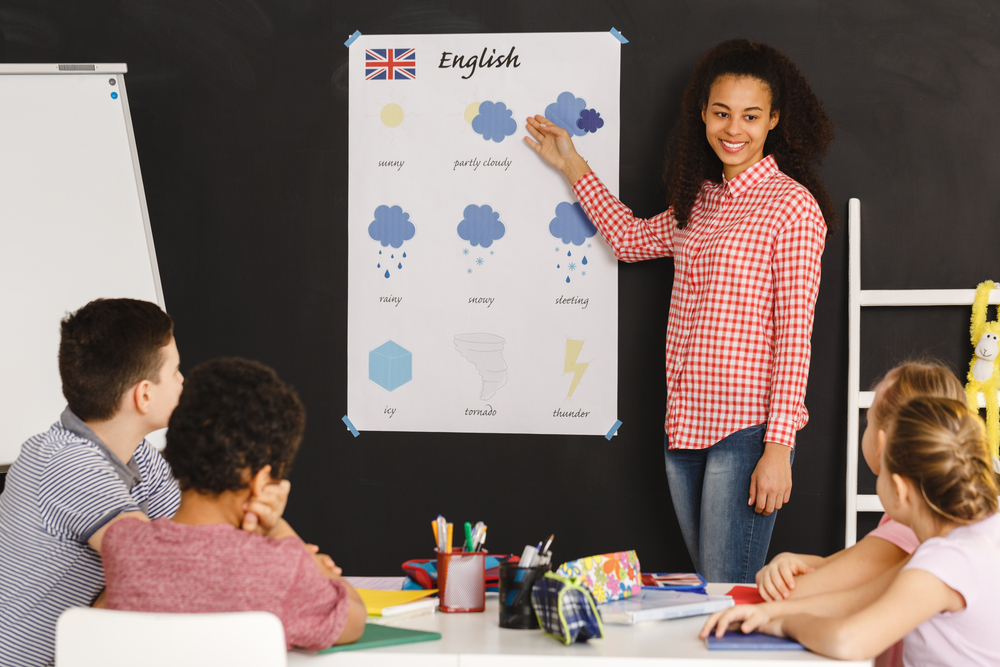
Teaching children to read clocks and understand time is an essential foundational skill that has far-reaching implications in their daily lives. For parents and teachers of ages 4-8, emphasizing this skill is crucial for several reasons.
Firstly, mastering time helps children develop a sense of routine and responsibility. Understanding hours and minutes enables them to anticipate daily activities such as school, meals, and bedtime, fostering self-discipline as they learn to manage transitions.
Moreover, reading clocks enhances cognitive skills. It encourages critical thinking, as children must interpret and calculate time intervals. This mathematical reasoning is linked to broader educational outcomes, laying the groundwork for future learning not just in math, but in everyday problem-solving.
Additionally, grasping the concept of time connects with language development. Children expand their vocabulary and comprehension skills by discussing time-related activities, helping them articulate schedules and mental concepts more clearly.
Lastly, learning to tell time supports social interactions. Children gain confidence in engaging with peers, coordinating playdates, or participating in group activities based on time.
In conclusion, investing time and effort in helping young learners read clocks enriches their lives academically and socially, promoting independence and self-management for years to come.








