
Sorting abilities Normal Worksheets for Ages 4-8
3 filtered results
Difficulty Level
Grade
Age
-
From - To
Subject
Activity
Standards
Develop essential sorting skills with our engaging and educational sorting worksheets, designed specifically for children aged 4-8. Our comprehensive collection features vibrant and fun activities that help young learners categorize objects based on shape, size, color, and more, fostering critical thinking and organizational abilities. Created by education experts, these printable worksheets align with early learning standards, making them ideal for both classroom and home use. Encourage your child's cognitive development and problem-solving skills through interactive sorting exercises that promote a love for learning. Explore our variety of sorting worksheets today for a fantastic learning experience!
Favorites
With answer key
Interactive
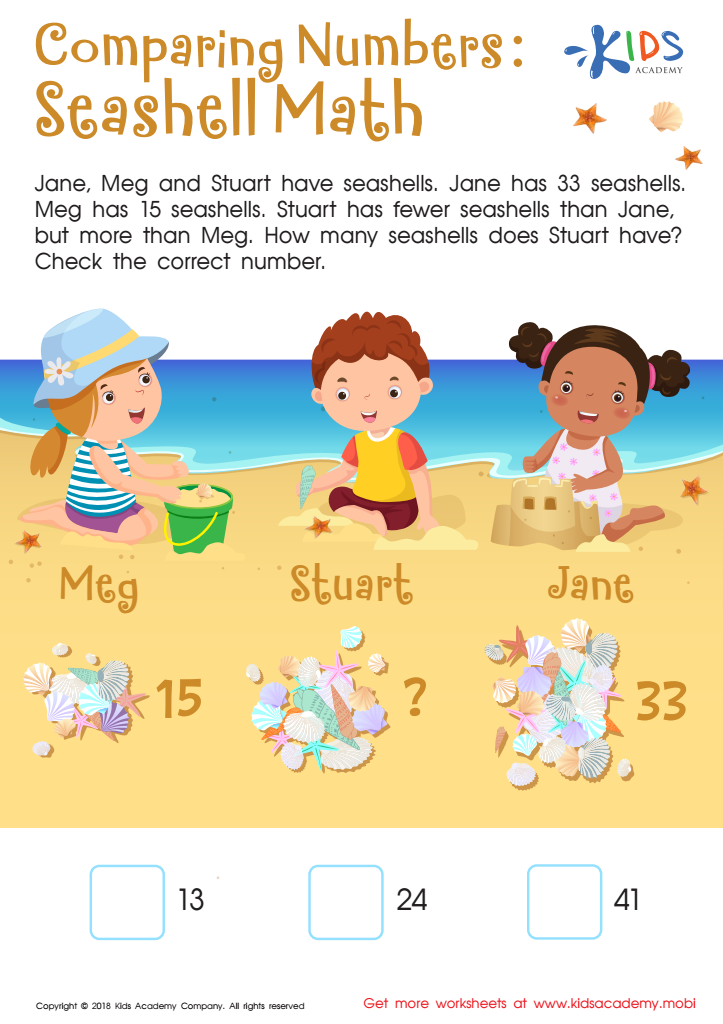
Seashell Collectors Worksheet
Bring beach fun into math with this printable worksheet! Carefully read the text with your child and figure out how many seashells Stuart has - more than Meg's, less than Jane's. Forget boring indoor math; your child won't want to miss out on this fun activity!
 Assign to My Students
Seashell Collectors Worksheet
Worksheet
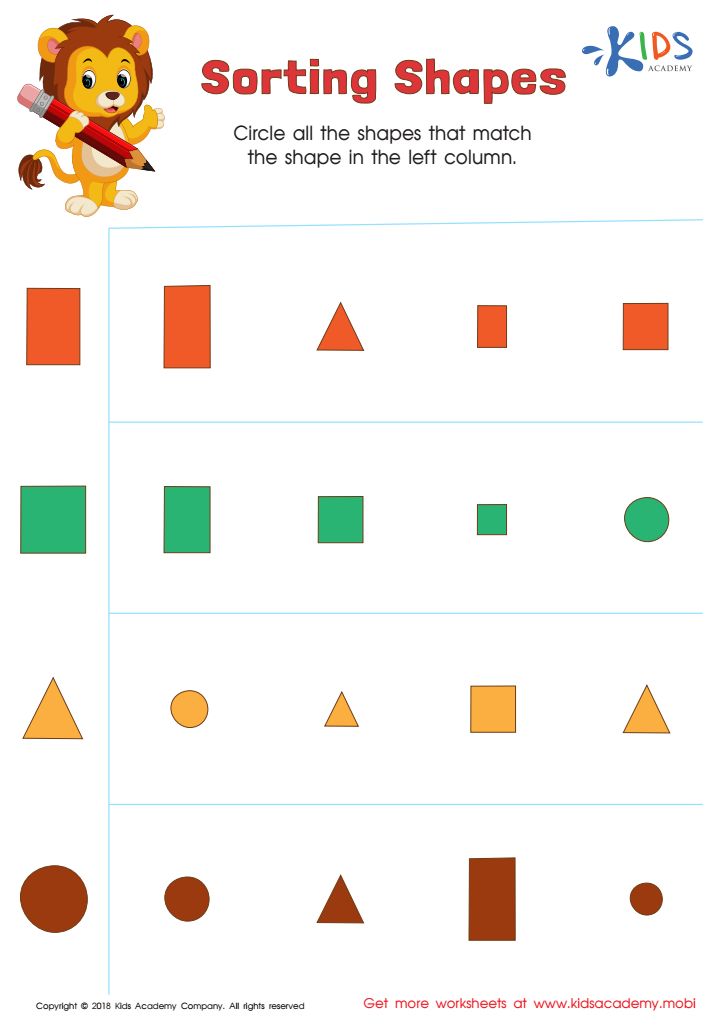
Sorting Shapes - Part 2 Worksheet
Tired of dull worksheets? Look no further than Kids Academy's colorful shape-sorting worksheet! It's perfect for challenging your toddler's problem-solving skills. Print the free PDF page and let your child practice the basics of geometry. Have them work down the left column, circling the shapes on the right that match. It's a great way to form a strong foundation in early learning.
Sorting Shapes - Part 2 Worksheet
Worksheet
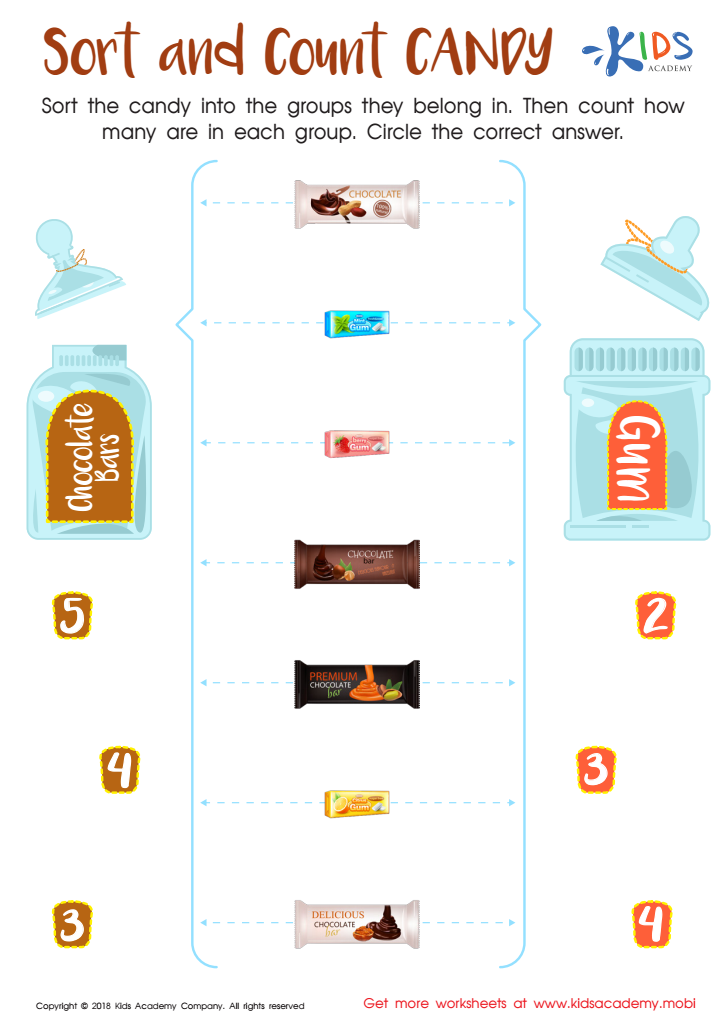
Sort and Count Candy Worksheet
Sort chocolate and candy with your kids! Help them use recognizable items and pictures to sort, practice counting with one-to-one representation, and develop their fine motor skills with the traceable lines. Download this free worksheet to get started. Yum!
Sort and Count Candy Worksheet
Worksheet
Join Kids Academy for Free
Who is primarily going to use this learning content?





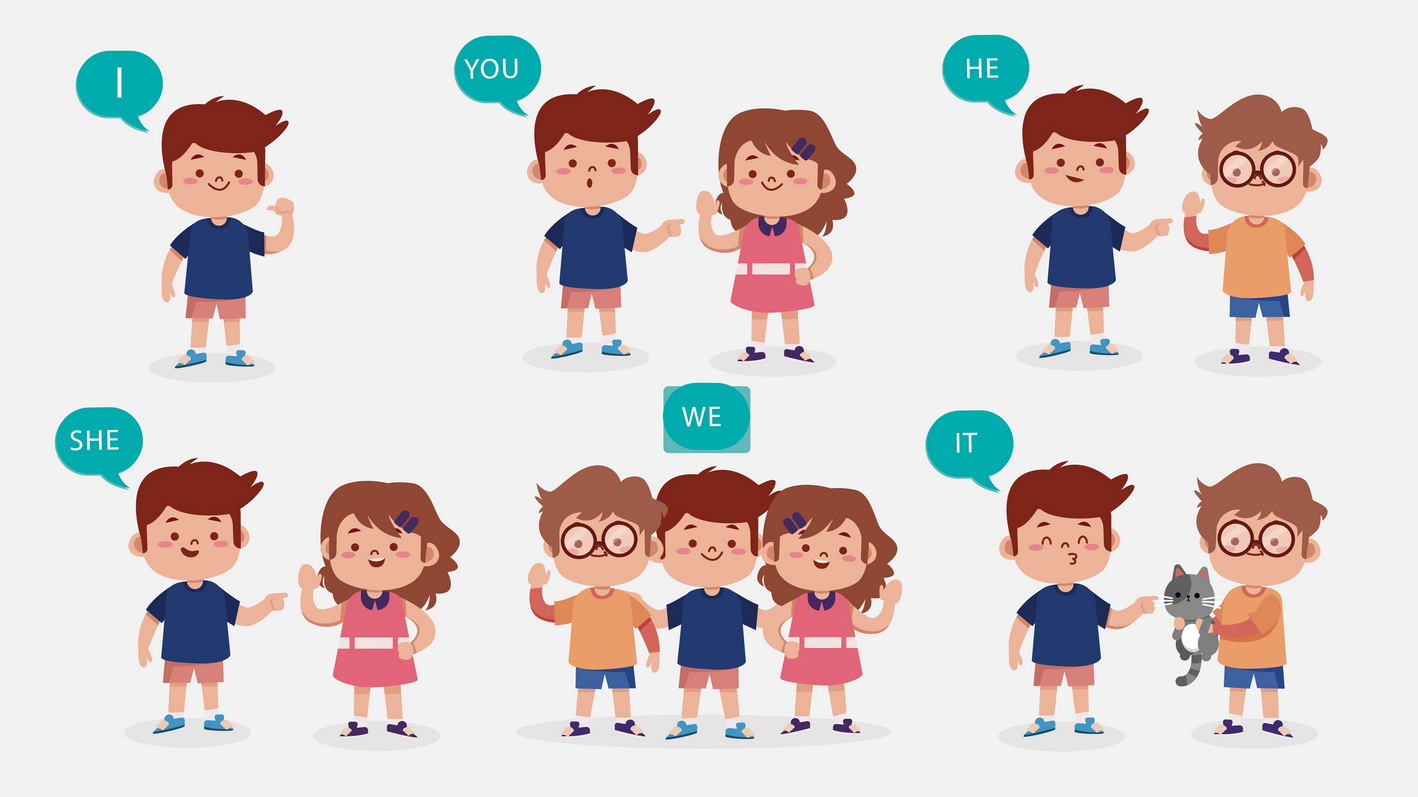

Sorting abilities are foundational cognitive skills critical for young children's development, making them important for parents and teachers to support. For children aged 4-8, sorting—classifying objects based on attributes like color, size, shape, or type—plays a vital role in enhancing their cognitive and organizational abilities. This ability is central to early math and science learning, fostering skills in pattern recognition, categorization, and logical thinking.
In the classroom, sorting activities help children understand and apply basic mathematical concepts, such as counting, comparing, and understanding sets. For example, a child who sorts blocks by color is beginning to grasp concepts of grouping and classification, which are fundamental for more advanced math skills.
At home, sorting can be part of daily routines, such as organizing toys, which helps children build independence and responsibility. It turns mundane tasks into educational opportunities that strengthen problem-solving skills.
Moreover, sorting boosts fine motor skills as children manipulate objects, enhancing hand-eye coordination essential for writing and other tasks. Socially, group sorting activities encourage communication and cooperation, vital interpersonal skills.
Teachers and parents prioritizing these abilities lay a crucial groundwork for academic success and cognitive development, ensuring a balanced approach to early education that combines play with learning.








