Shape identification Normal 2D Shapes Worksheets for Ages 4-8
4 filtered results
-
From - To
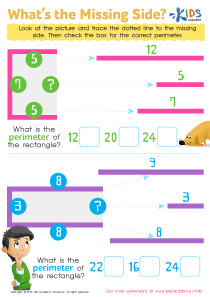
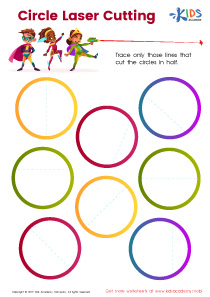
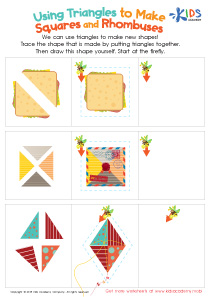
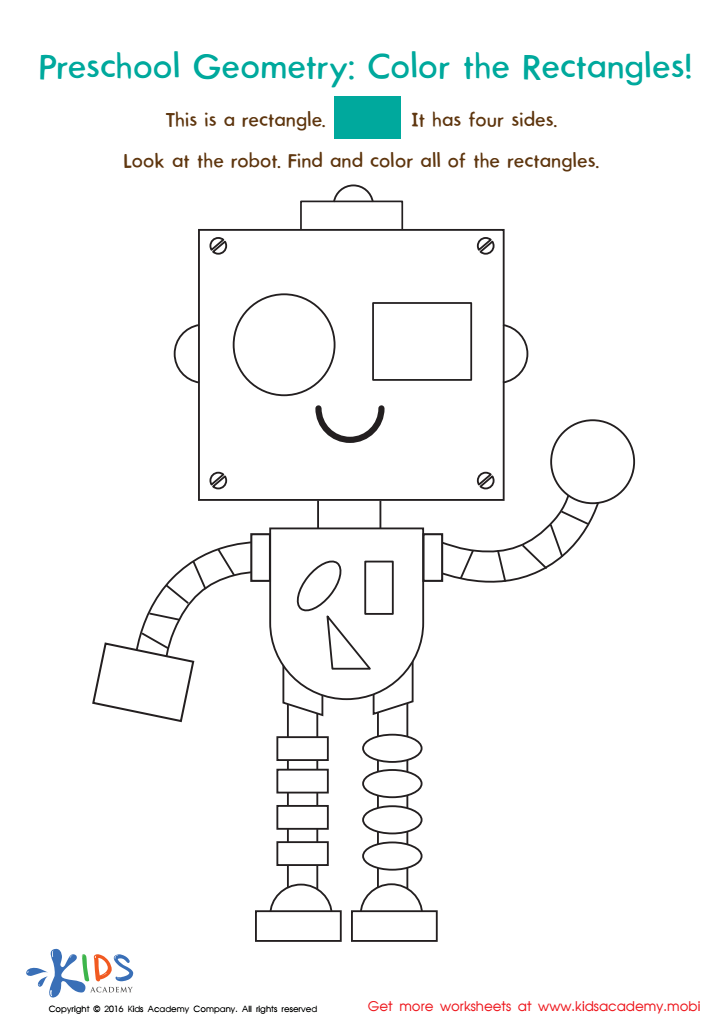
Explore our engaging "Shape Identification Normal 2D Shapes Worksheets" designed specifically for children ages 4-8. These interactive resources help young learners recognize and differentiate between basic 2D shapes such as circles, squares, triangles, and rectangles. Each worksheet is filled with fun activities that promote shape recognition, drawing, and learning through play. Our visually appealing designs make the identification process enjoyable while building foundational math skills. Perfect for homeschooling or classroom use, these worksheets encourage creativity and boost confidence in early learners. Start your child's journey toward mathematical understanding today with our carefully crafted materials that make learning shapes both effective and entertaining!
Geometry Worksheet
 Assign to My Students


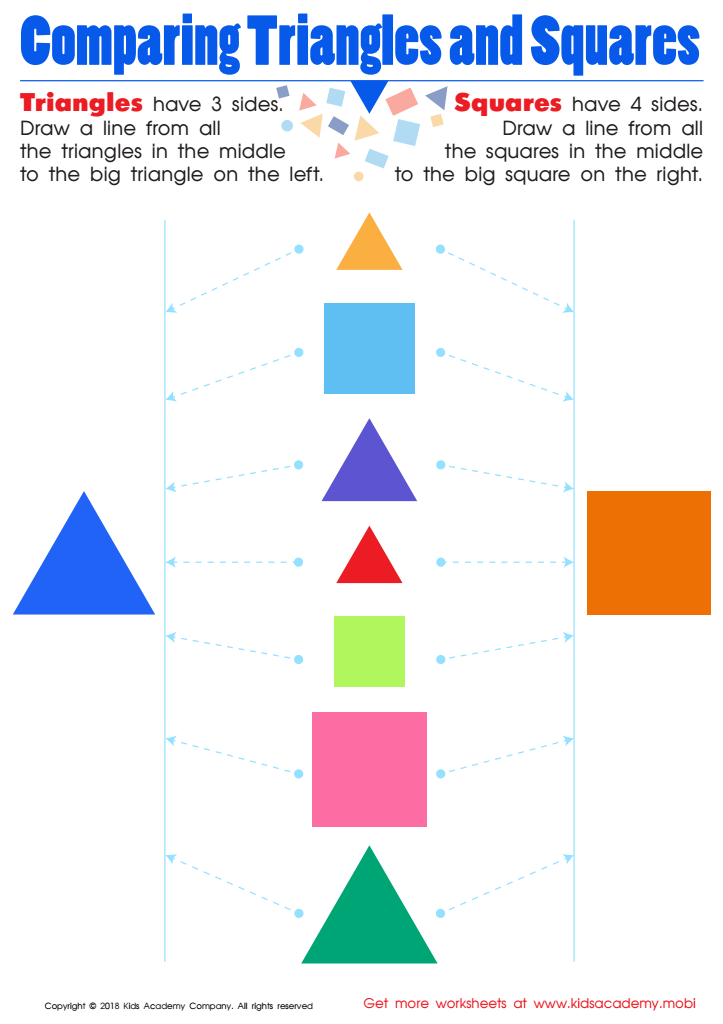
Comparing Triangles Squares Worksheet
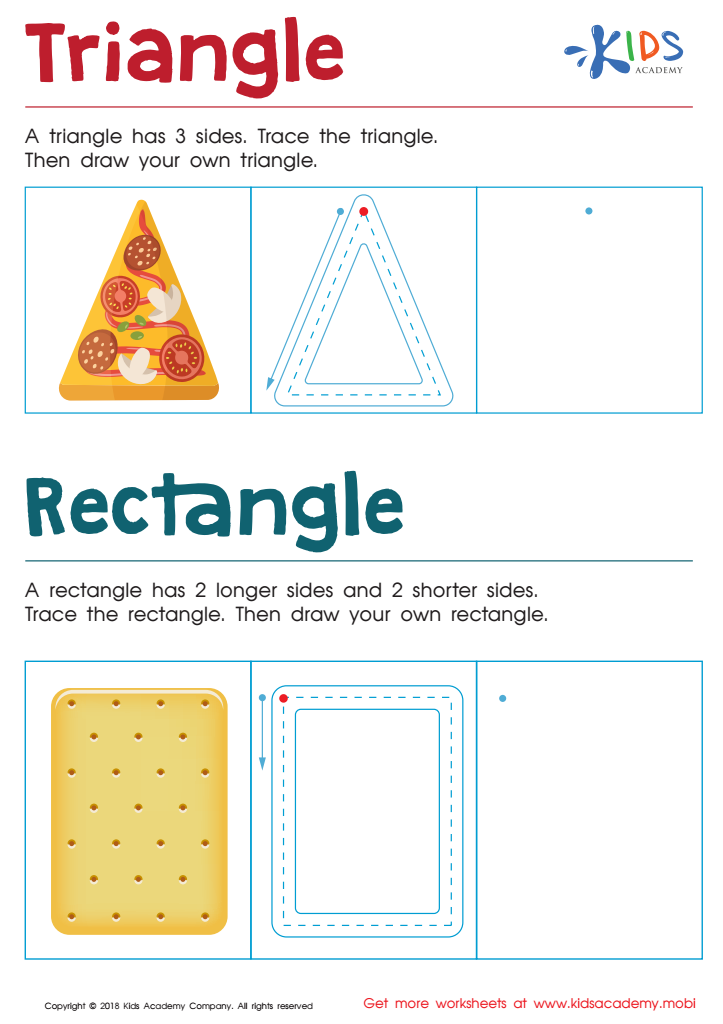
Triangle Rectangle Worksheet
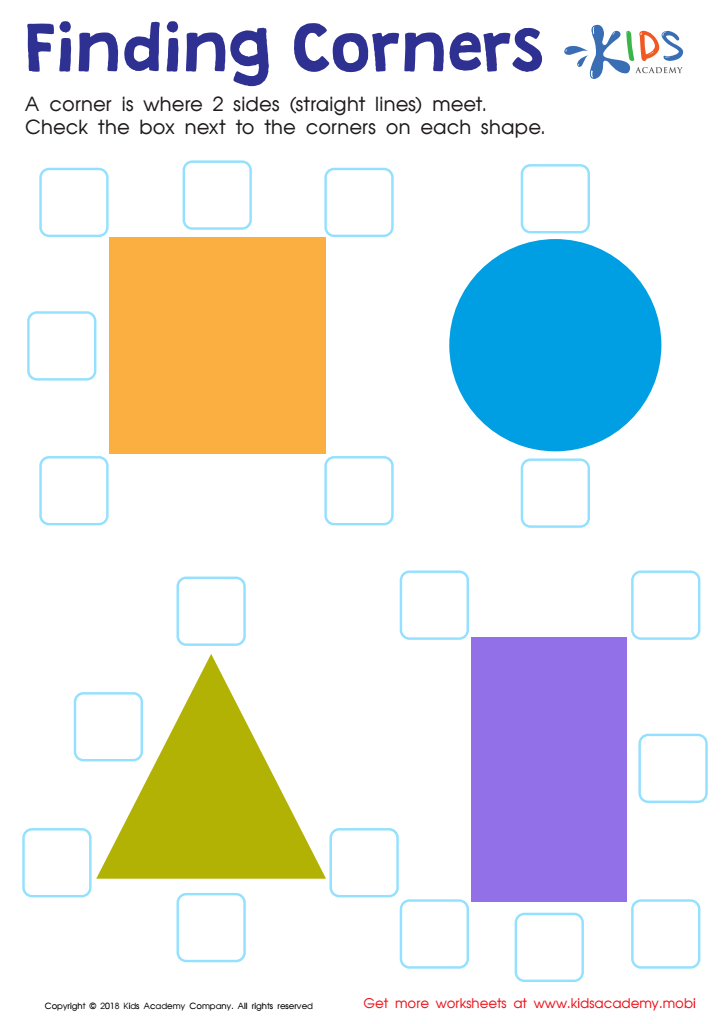
Finding Corners Worksheet








Understanding and identifying normal 2D shapes is crucial for children's cognitive and spatial development between the ages of 4-8. At this stage, children are laying the groundwork for more complex mathematical concepts, and shape identification serves as a fundamental building block.
Firstly, recognizing shapes helps children develop critical thinking skills. By categorizing and comparing different shapes, they learn to analyze and make connections, which enhances their problem-solving abilities. Engaging with shapes also impacts language development, as children learn to describe characteristics such as size, color, and properties, thereby enriching their vocabulary.
Moreover, shape identification is integral to daily life. Recognizing shapes in the environment can boost observational skills and encourage creativity through art and design. Understanding geometric concepts can foster spatial awareness, aiding in tasks such as navigation and organization.
For teachers and parents, nurturing shape recognition creates opportunities for discussions, games, and hands-on activities that make learning enjoyable. Providing a robust foundation in shape identification not only propels academic success in mathematics and science but also equips children with essential life skills. Investing time in this learning area means supporting children's overall development, leading them toward a successful educational journey.