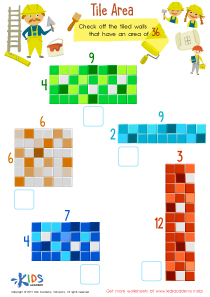
Understanding comparisons Normal Numbers Worksheets for Ages 4-8
3 filtered results
-
From - To
Explore our engaging "Understanding Comparisons Normal Numbers Worksheets" specifically designed for children aged 4-8. These worksheets introduce young learners to the essential concept of comparing quantities and numbers. Through vibrant visuals and interactive activities, students will learn to identify which numbers are greater or smaller, fostering a strong mathematical foundation. Our resources aim to make learning fun while developing critical thinking skills. Whether at home or in the classroom, these worksheets provide a valuable tool for early education. Encourage your child’s confidence in mathematics as they discover the world of comparisons in a playful and supportive environment!
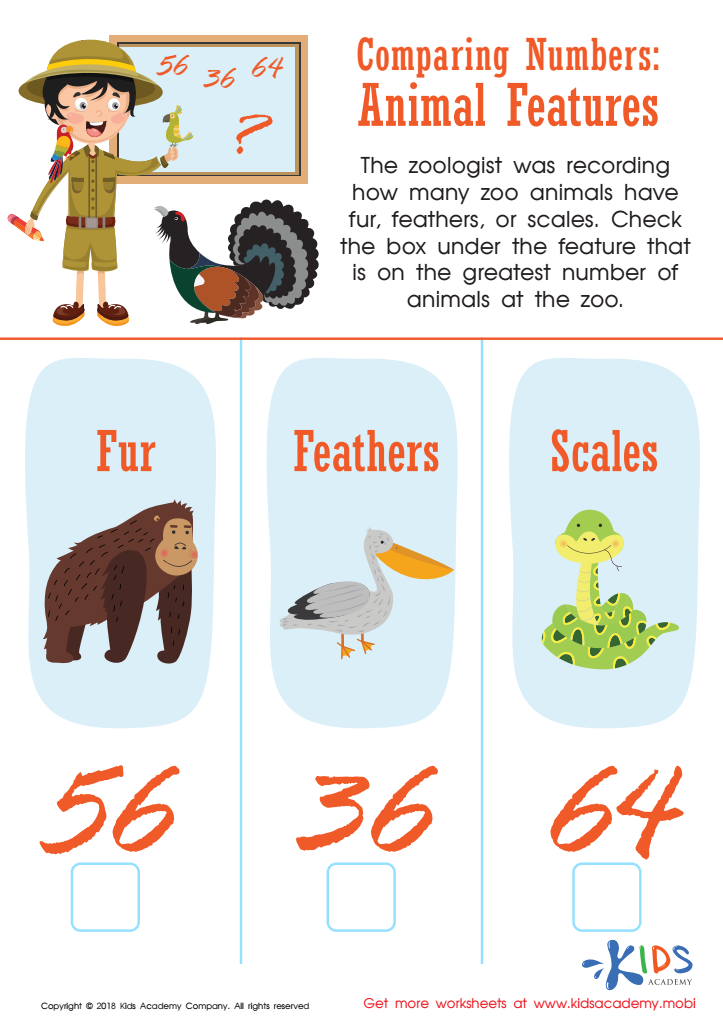
Animal Features Worksheet
 Assign to My Students
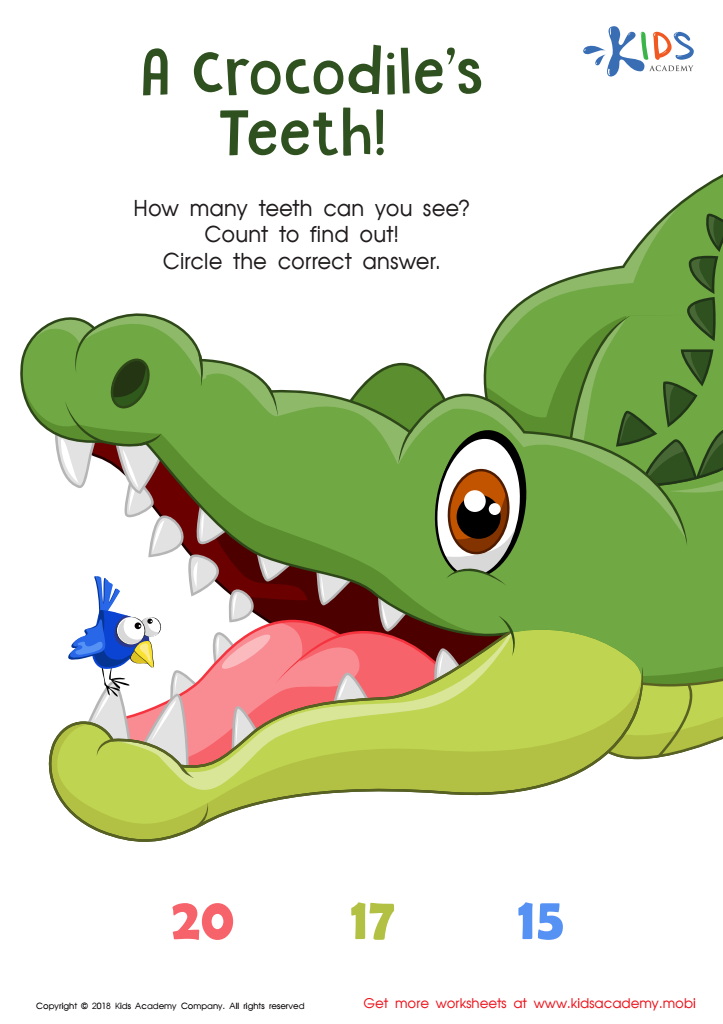
A Crocodile's Teeth Worksheet
Matching: Classifying Toys by Size Worksheet








Understanding comparisons of normal numbers is crucial for children aged 4-8 as it lays the foundation for their mathematical development. At this age, children are beginning to explore numerical concepts, and grasping comparisons helps them understand quantity, size, and value. When they learn to compare numbers, they build essential skills in counting, ordering, and basic operations such as addition and subtraction.
For parents and teachers, fostering this understanding is vital because it promotes critical thinking and problem-solving abilities. Children who can compare numbers can make more informed decisions, whether it’s identifying which group has more items or determining the bigger or smaller of two values. This foundational knowledge supports later math concepts, such as inequalities and fractions.
Moreover, learning these skills through engaging activities can enhance children's confidence and enthusiasm in math, reducing potential anxiety as they progress. Support from parents and teachers is essential in creating a conducive learning environment where curiosity thrives. By emphasizing the importance of comparisons in everyday contexts—like measuring ingredients while cooking or comparing heights of objects—educators and caregivers can make math relatable and enjoyable, ultimately nurturing a lifelong love for learning.