Associative learning Normal Math Worksheets for Ages 4-8
3 filtered results
-
From - To
Explore our Associative Learning Normal Math Worksheets designed specifically for children ages 4-8! These engaging and interactive worksheets help young learners develop critical thinking and problem-solving skills through hands-on activities and visual aids. Our carefully curated resources focus on essential math concepts, allowing children to practice associative learning by recognizing patterns, grouping numbers, and enhancing their overall mathematical understanding. Ideal for both classroom settings and home use, these worksheets support foundational math concepts in a fun, educational way. Promote early numeracy and boost confidence in your child today with our vibrant and effective worksheets tailored for young minds!
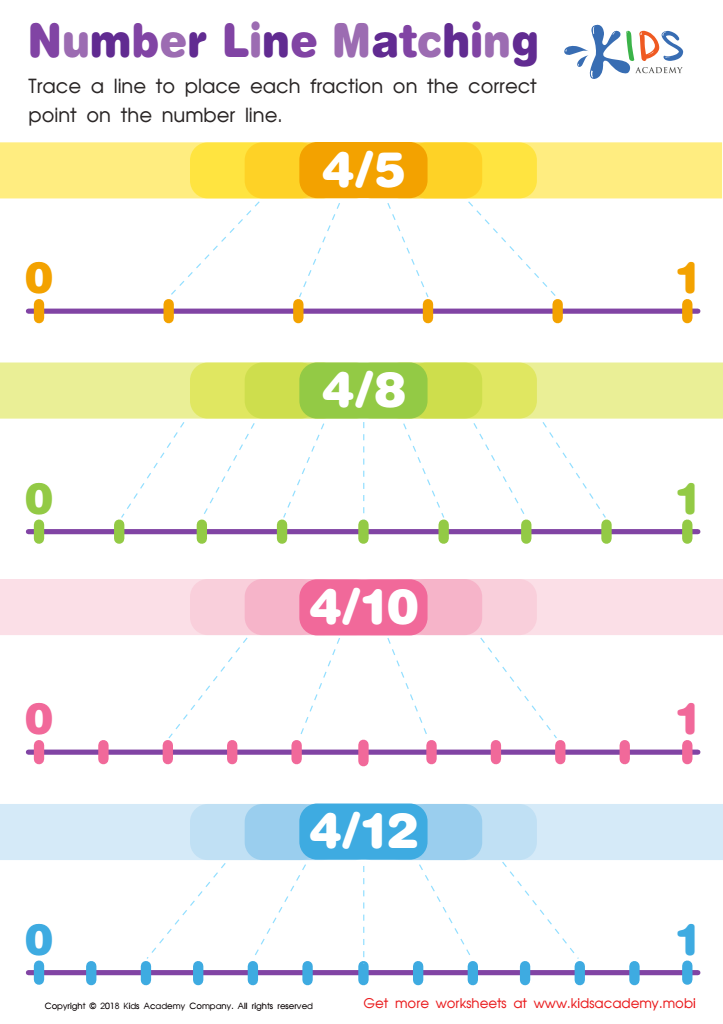
Number Line Matching Worksheet
 Assign to My Students
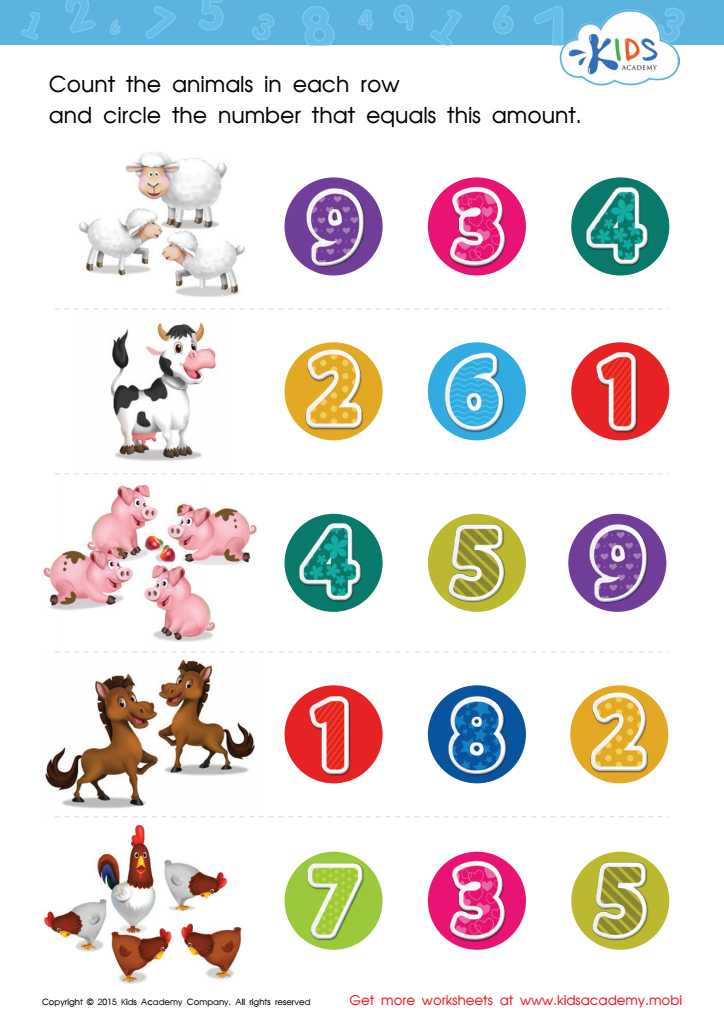
Count and Match 1 – 5 Math Worksheet
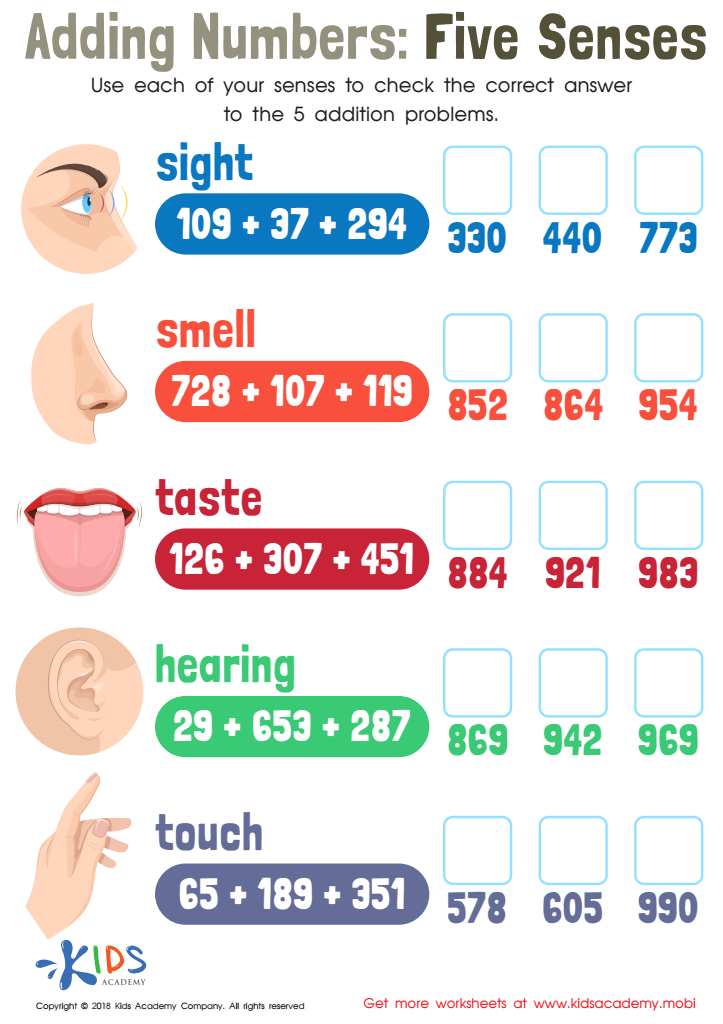
Adding Numbers: Five Senses Worksheet








Associative learning normal math for ages 4-8 is foundational, as it significantly influences children's cognitive development and lifelong learning attitudes. This stage of early education is crucial for building a solid mathematical foundation. Through associative learning, children connect new concepts with existing knowledge, enhancing their understanding and retention. For instance, by linking numbers to everyday objects, children grasp the concept of quantity and improve their counting skills.
Parents and teachers play a critical role in fostering this learning environment. Their involvement helps children develop problem-solving skills and confidence in their mathematical abilities. Engaging in activities like counting games, puzzles, and practical applications of math concepts in daily life reinforces these associations and keeps learning fun and relevant.
Furthermore, supportive interactions from parents and teachers can mitigate math anxiety, encouraging a positive attitude towards the subject as children grow older. In this digital age, where math skills are increasingly essential for academic and career success, prioritizing associative learning normal math lays the groundwork for future achievements. By recognizing the importance of this early stage, adults can help cultivate a generation of mathematically proficient and confident learners, benefitting society as a whole.








