Logical thinking development Normal Math Worksheets for Ages 4-8
5 filtered results
-
From - To
Enhance your child's logical thinking skills with our carefully crafted Normal Math Worksheets tailored for ages 4-8. Designed to make learning fun and engaging, these worksheets encourage critical thinking through a variety of exercises that challenge young minds. Featuring colorful visuals and age-appropriate activities, children will enjoy solving puzzles, identifying patterns, and completing sequences. Our resources promote problem-solving abilities and help children develop essential math concepts in an enjoyable way. Perfect for classrooms or at-home learning, these worksheets support a solid mathematical foundation while boosting cognitive skills. Unlock your child's potential with our interactive and educational math worksheets today!
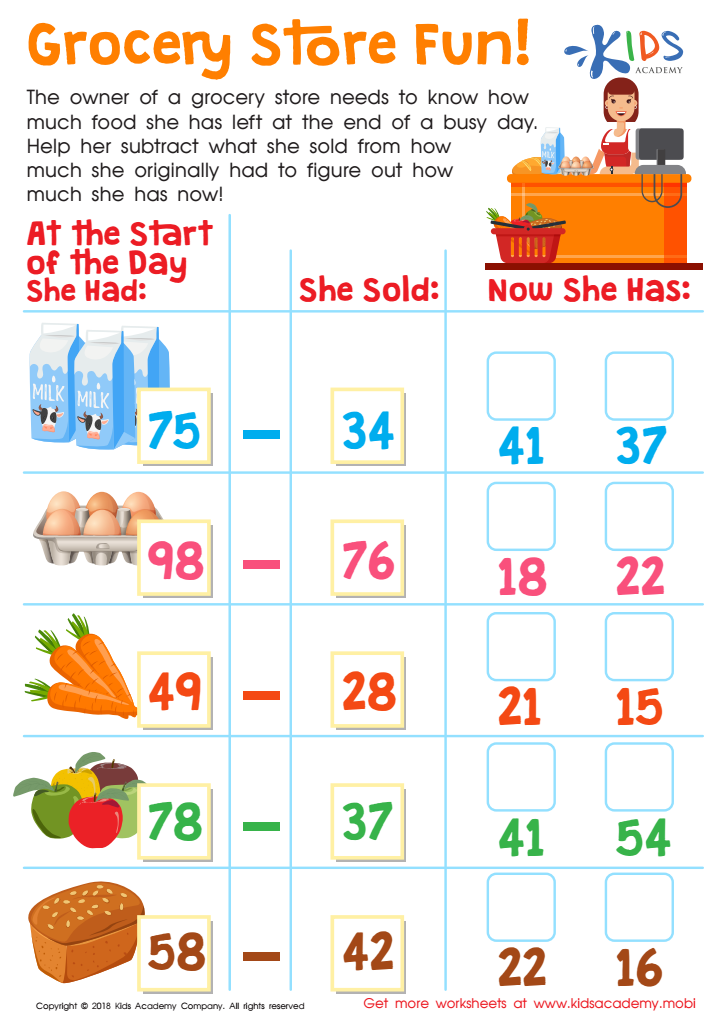
Grocery Store Fun! Worksheet
 Assign to My Students
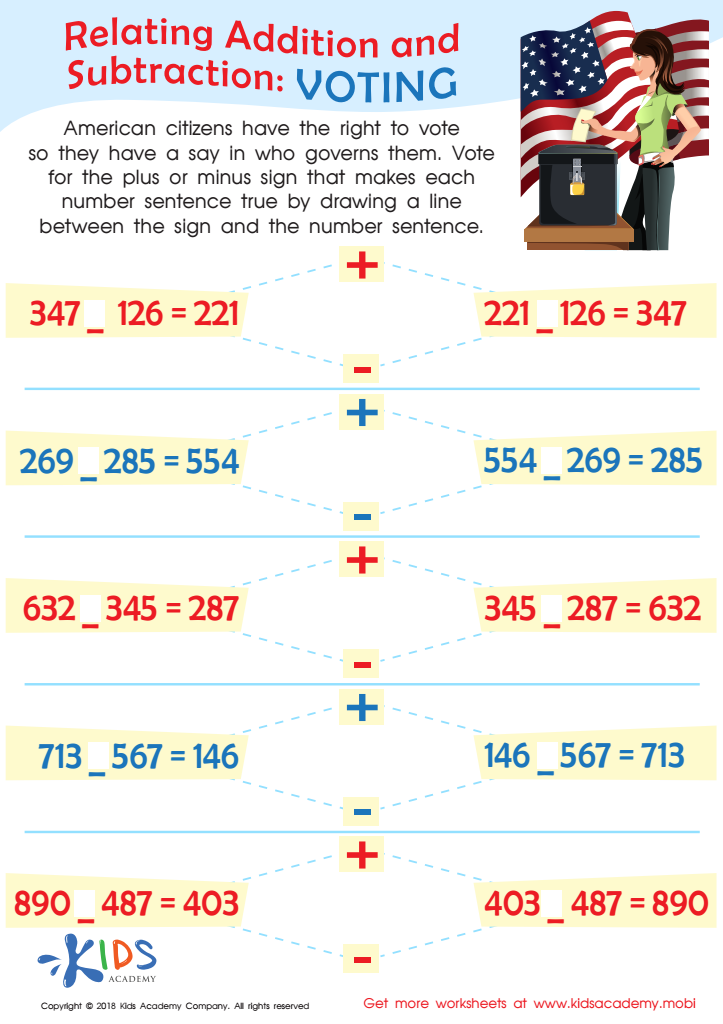
Voting Worksheet
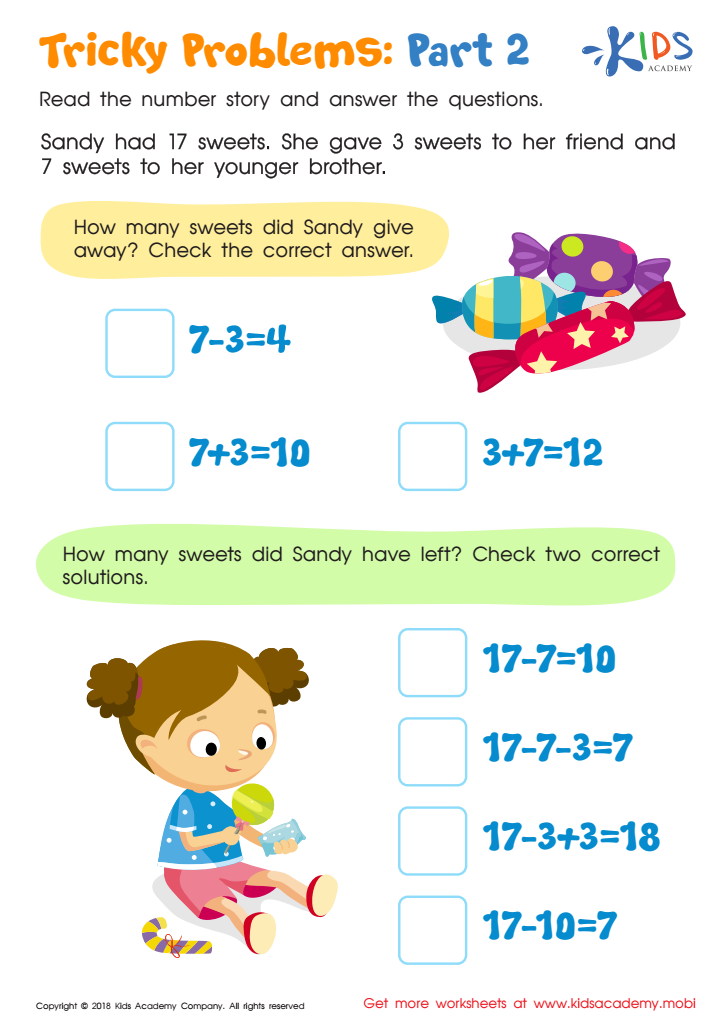
Tricky Problems Worksheet: Part 2

Match the Word Problems Worksheet
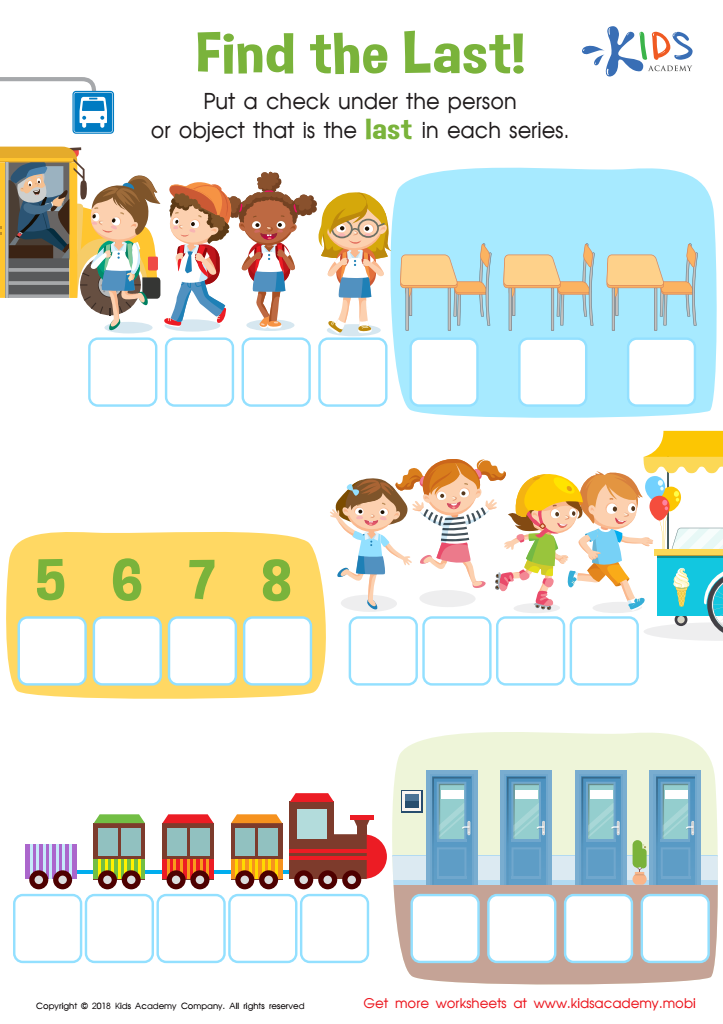
Find the Last! Worksheet








Logical thinking and early math skills are crucial for children's cognitive development between the ages of 4-8. During these formative years, children develop foundational skills that influence their future learning and problem-solving abilities. Engaging in activities that promote logical thinking, such as sorting, pattern recognition, and simple mathematical concepts, helps children learn to analyze information, make connections between ideas, and approach challenges systematically.
Parents and teachers should care because these skills are not just about math; they form the basis for critical thinking in general. As children learn to think logically, they develop reasoning skills that will benefit them in all areas of life, from academics to daily decision-making. Furthermore, early exposure to math concepts fosters a positive attitude towards learning and confidence in their abilities.
Moreover, children who engage in logical thinking exercises tend to perform better in school, paving the way for future success in STEM fields. Encouraging these skills at a young age creates a strong foundation that encourages curiosity, resilience, and creativity. Parents and teachers play an essential role in this development by providing enriching experiences, embracing challenges, and supporting their child's journey in becoming a confident and capable learner.








