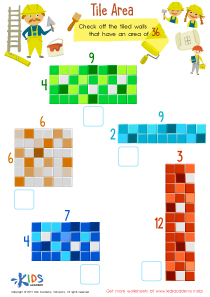
Visual discrimination Normal Matching Worksheets for Ages 4-8
3 filtered results
-
From - To
Enhance your child's visual perception skills with our Visual Discrimination Normal Matching Worksheets, tailored for ages 4-8. Designed by educational experts, these engaging worksheets help young learners improve their ability to notice differences and similarities among various objects. The fun matching activities promote concentration, attention to detail, and cognitive development. Perfect for preschoolers and early elementary students, our worksheets make learning enjoyable while reinforcing essential skills. Boost your child's confidence and prepare them for academic success with our age-appropriate visual discrimination resources. Download today and transform learning into a captivating experience!
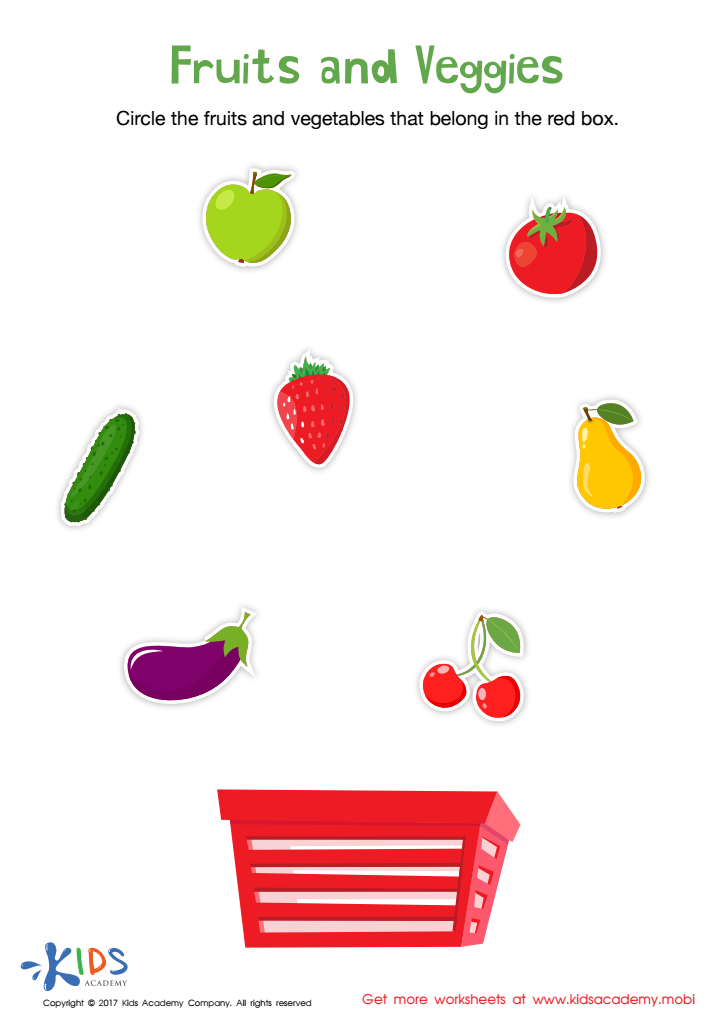
 Assign to My Students
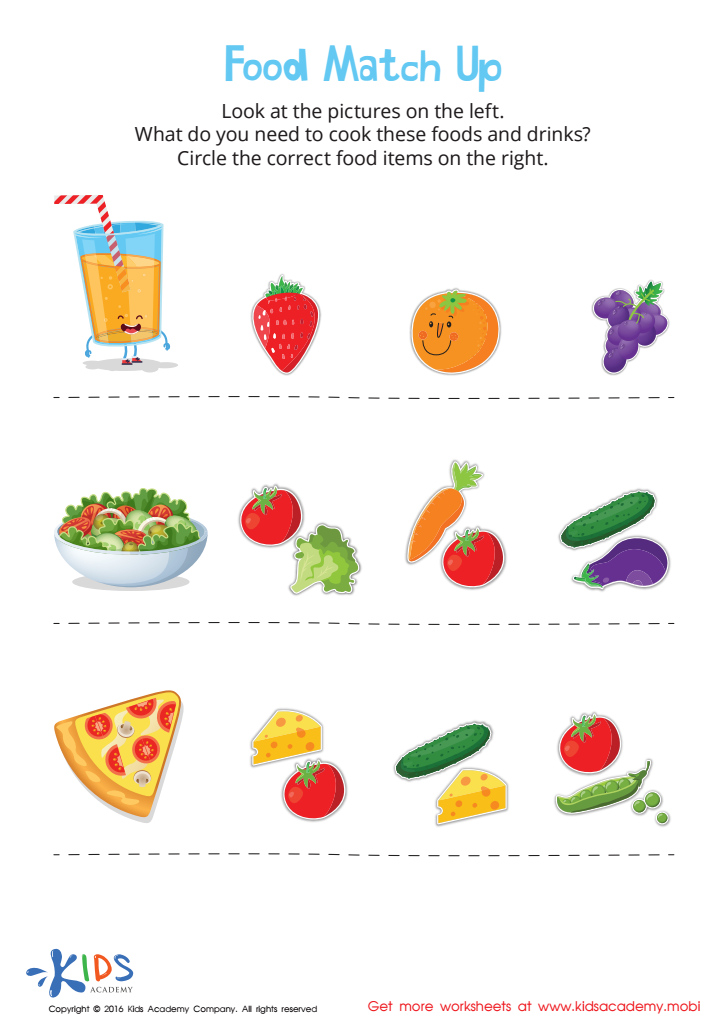
Food Match Up Worksheet
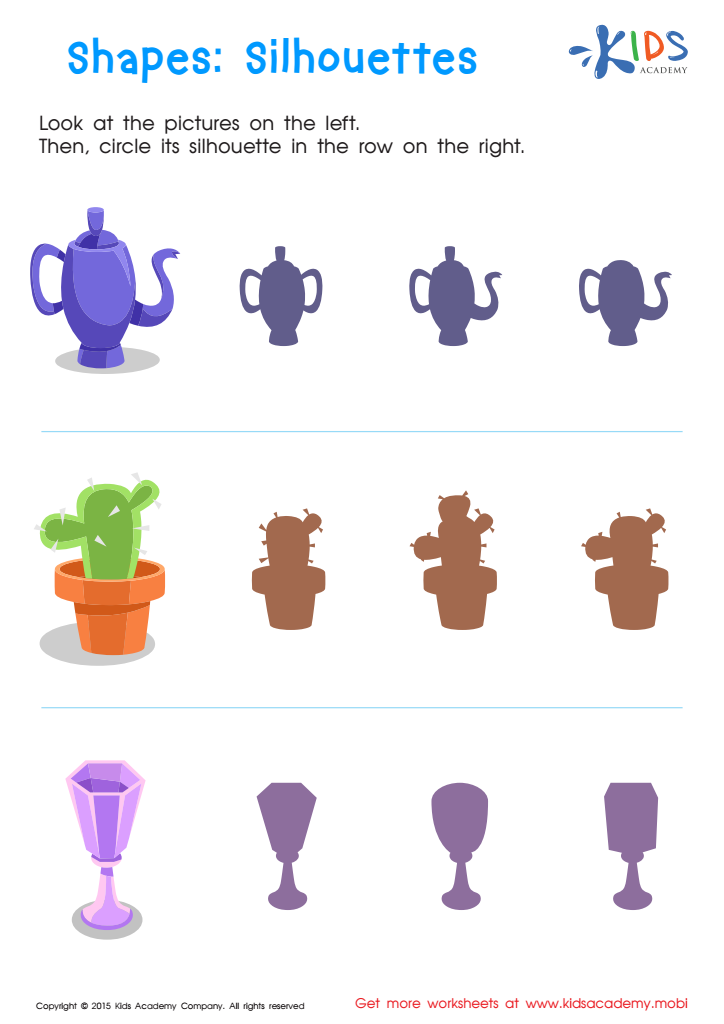
Silhouettes – Shapes Worksheet






Visual discrimination is a crucial developmental skill for children ages 4-8, as it lays the groundwork for more advanced learning abilities like reading, writing, and problem-solving. Visual discrimination Normal Matching involves the fundamental ability to discern differences and similarities in shapes, patterns, and objects, which is essential for recognizing letters, numbers, and words. By fostering this skill, parents and teachers help children improve their attention to detail, which can lead to greater academic success.
In the early childhood education stage, children are just beginning to develop their cognitive and visual systems. Effective visual discrimination enables them to identify and categorize different symbols and objects, effectively aiding memory retention and comprehension. This also helps children follow instructions more accurately, hold a pencil correctly, and develop fine motor skills required for handwriting.
Additionally, Visual discrimination Normal Matching activities such as matching games and puzzles promote a child’s concentration, patience, and problem-solving abilities. These activities are not only important for academic purposes but also for a child's overall perceptual and cognitive development. Engaging children in these activities also provides a strong foundation for future learning experiences, reinforcing self-confidence and encouraging a positive attitude toward learning. Thus, parents and teachers should place high importance on nurturing visual discrimination skills to support holistic growth and academic readiness.