Reading skills improvement Normal Building Vocabulary Worksheets for Ages 4-8
3 filtered results
-
From - To
Boost your child’s reading skills with our engaging Normal Building Vocabulary Worksheets designed specifically for ages 4-8! These worksheets are tailored to enhance vocabulary and comprehension, promoting confident reading through fun and interactive activities. Each worksheet focuses on age-appropriate words and concepts, encouraging young learners to explore language while cultivating a love for reading. Ideal for home or classroom use, these resources support essential reading skill development, making learning enjoyable and effective. Help your child excel in their literacy journey with our thoughtfully designed worksheets that make building vocabulary an exciting adventure! Explore the fun of reading today!
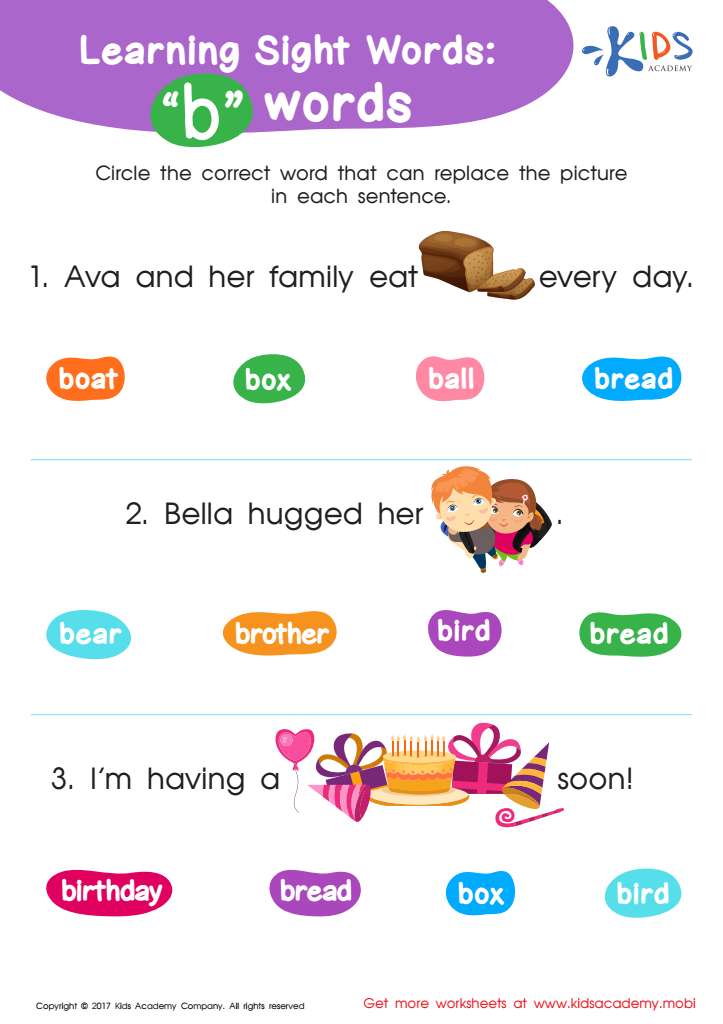
Sight Words Free Worksheet – B Words
 Assign to My Students











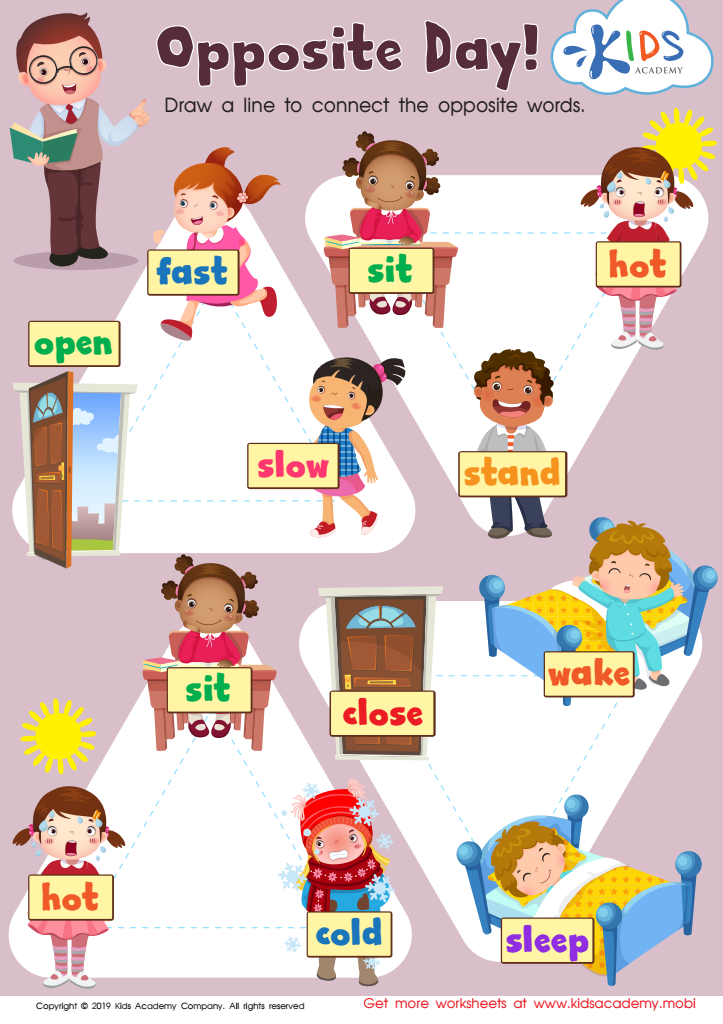
Opposite Day Worksheet
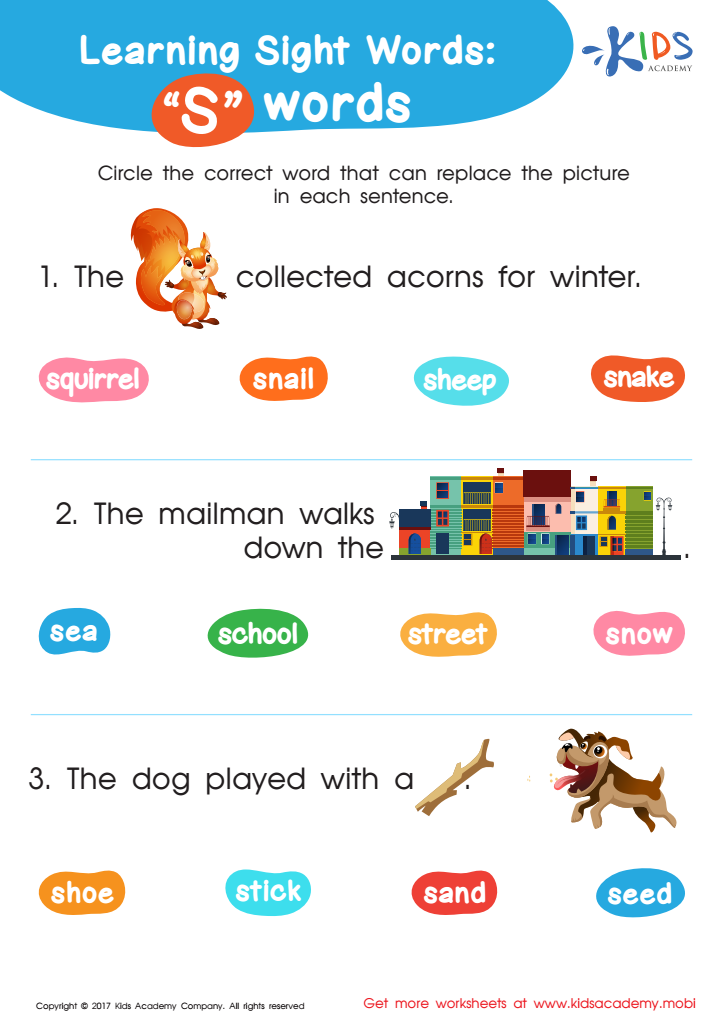
S Words Sight Words Worksheet








Improving reading skills and building vocabulary in children aged 4-8 is crucial for their cognitive, social, and emotional development. At this early stage, children are particularly impressionable, and enhancing their reading abilities sets a strong foundation for future academic success. Reading introduces children to new ideas, cultures, and ways of thinking, fostering critical thinking and creativity.
A rich vocabulary enhances comprehension and expression, allowing children to articulate their thoughts clearly. It empowers them to engage in conversations, understand instructions, and engage with peers effectively, which is essential for social development. Moreover, a robust vocabulary strengthens reading fluency, enabling children to enjoy books and stories, further sparking a love for reading.
For teachers, guiding students in vocabulary development is integral to literacy instruction. It helps identify gaps in learning and allows for tailored support. Engaging parents in reading activities, such as storytelling and word games, reinforces learning at home.
Ultimately, fostering reading skills and building a strong vocabulary in early learners equips them with the tools they need to thrive both academically and socially, ensuring they are prepared for the challenges of school and beyond. Parents and teachers share the responsibility to nurture these essential skills.








