Sentence construction Normal Building Vocabulary Worksheets for Ages 4-8
6 filtered results
-
From - To
Enhance your child's language skills with our engaging Sentence Construction Building Vocabulary Worksheets, tailored for ages 4-8. Designed to foster creativity and comprehension, these worksheets encourage young learners to craft sentences using essential vocabulary. Through fun exercises, children will practice word order, punctuation, and storytelling, making the learning process enjoyable and effective. Perfect for classrooms or homeschooling, each worksheet targets key learning objectives while sparking imagination. Help your child develop a strong foundation in reading and writing with our thoughtfully designed activities. Visit our site to explore a variety of worksheets that will enrich your child's vocabulary and sentence-building expertise!
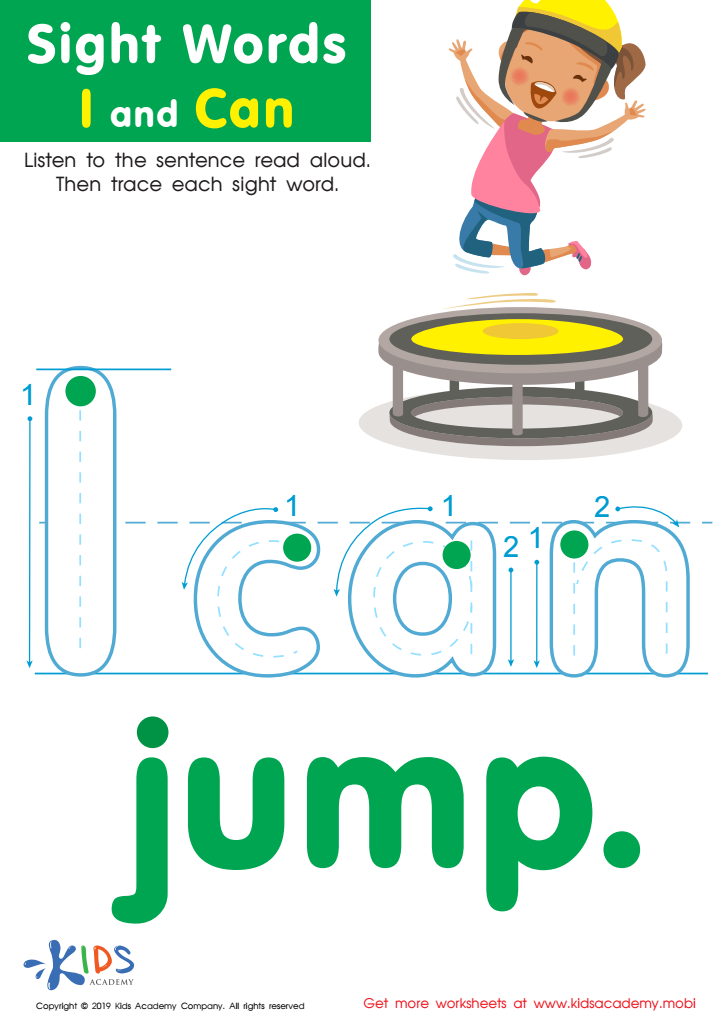
Sight Words I Can Worksheet
 Assign to My Students











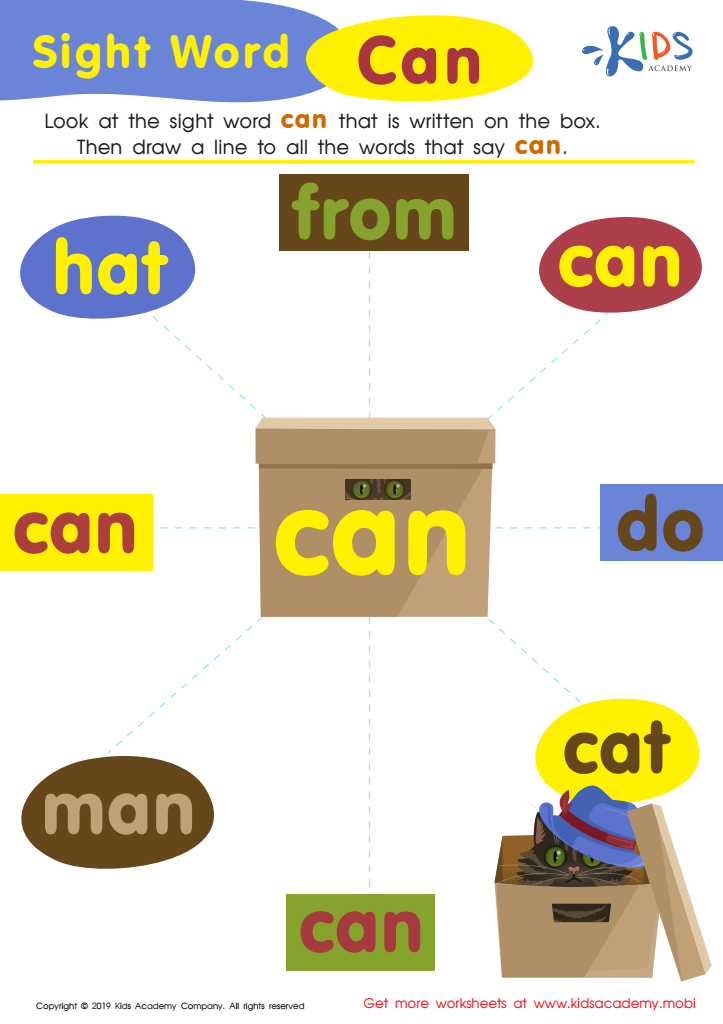
Sight Word Can Worksheet
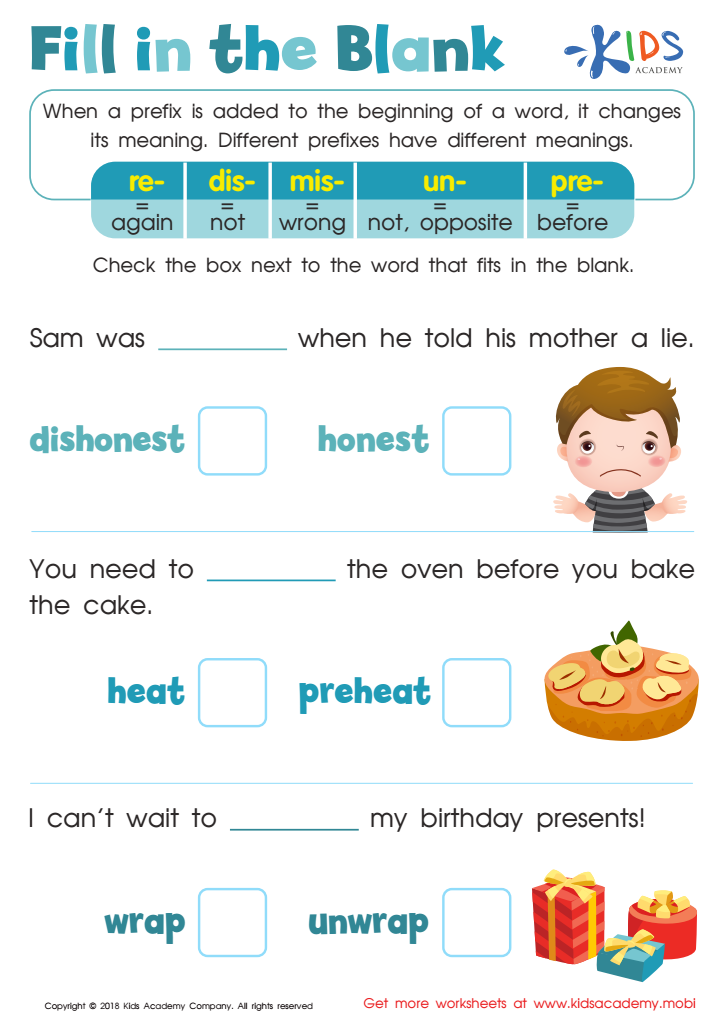
Reading: Fill in the Blank Worksheet
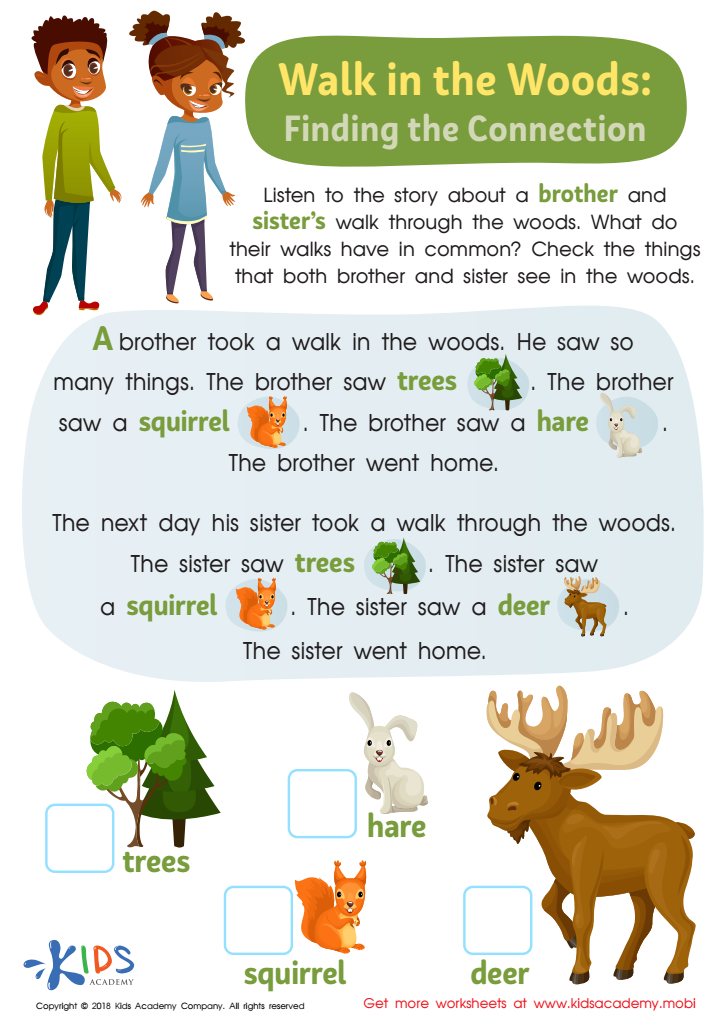
Walk In the Woods: Finding Connections Worksheet
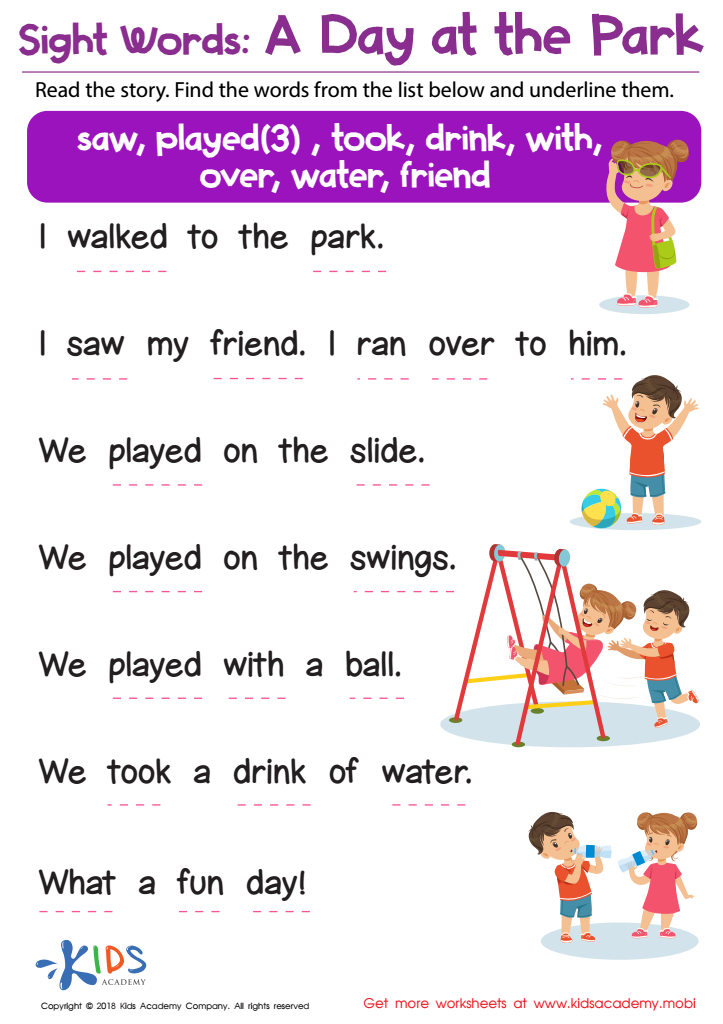
Sight Words: A Day at the Park Worksheet
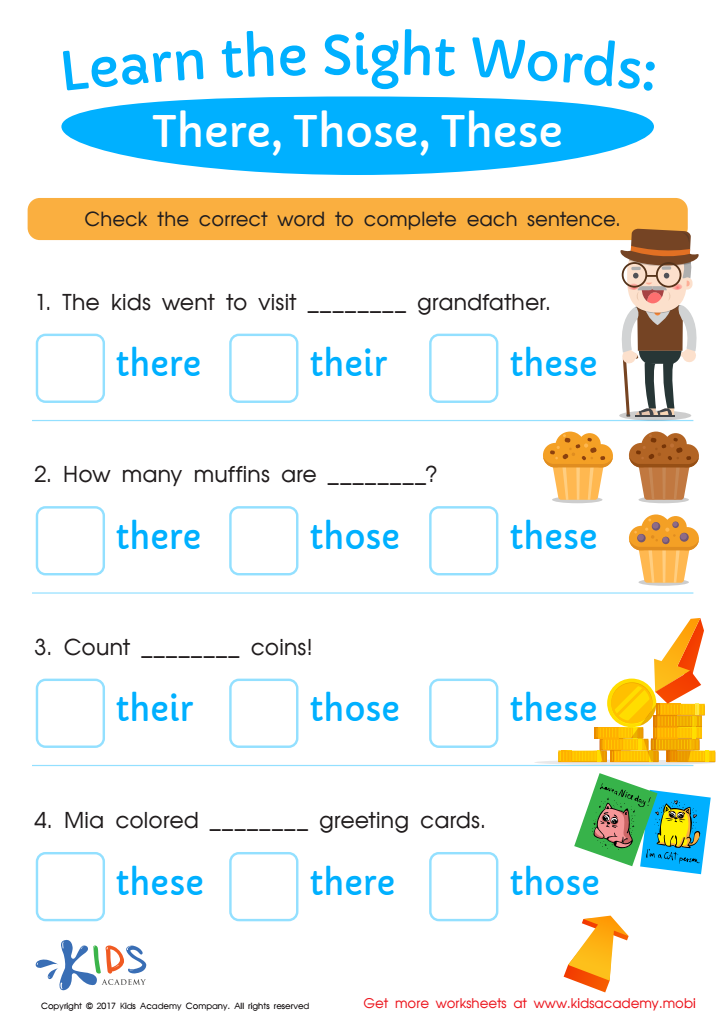
There, Those and These Sight Words Worksheet








Sentence construction and vocabulary building are pivotal for children aged 4-8, as they serve as foundational pillars for effective communication. During these formative years, children's brains are exceptionally receptive to language input, making it an ideal time to introduce new words and teaching them how to organize thoughts into coherent sentences.
Parents and teachers should care about this development for several reasons. Firstly, a solid vocabulary enhances comprehension skills, enabling children to understand the spoken and written word more effectively, which is essential for academic success. Improved vocabulary also fosters self-expression, allowing children to articulate their thoughts, feelings, and ideas more clearly.
Additionally, engaging in sentence construction encourages critical thinking and encourages creativity. When children learn how to arrange words to form sentences, they exercise their cognitive skills, promoting better problem-solving abilities.
Furthermore, excellent verbal skills are crucial for social interactions. Children who communicate well are often more confident in their social engagements, which aids in building friendships and navigating social dynamics.
Ultimately, prioritizing sentence construction and vocabulary development creates well-rounded learners who are equipped for future educational challenges, making it a vital focus for parents and teachers alike.








