Logical Reasoning Normal Reading Worksheets for Ages 4-8
11 filtered results
-
From - To
Enhance your child's critical thinking and reading skills with our "Logical Reasoning Normal Reading Worksheets" designed for ages 4-8. These engaging, age-appropriate worksheets focus on developing logical reasoning through fun and interactive reading exercises. Ideal for young learners, each worksheet is crafted to boost comprehension, problem-solving abilities, and analytical thinking. Our collection provides a diverse range of activities that make learning enjoyable and effective. Perfect for classroom use or at-home practice, these worksheets are a valuable tool for parents and educators looking to support the early development of essential reading and logical reasoning skills.
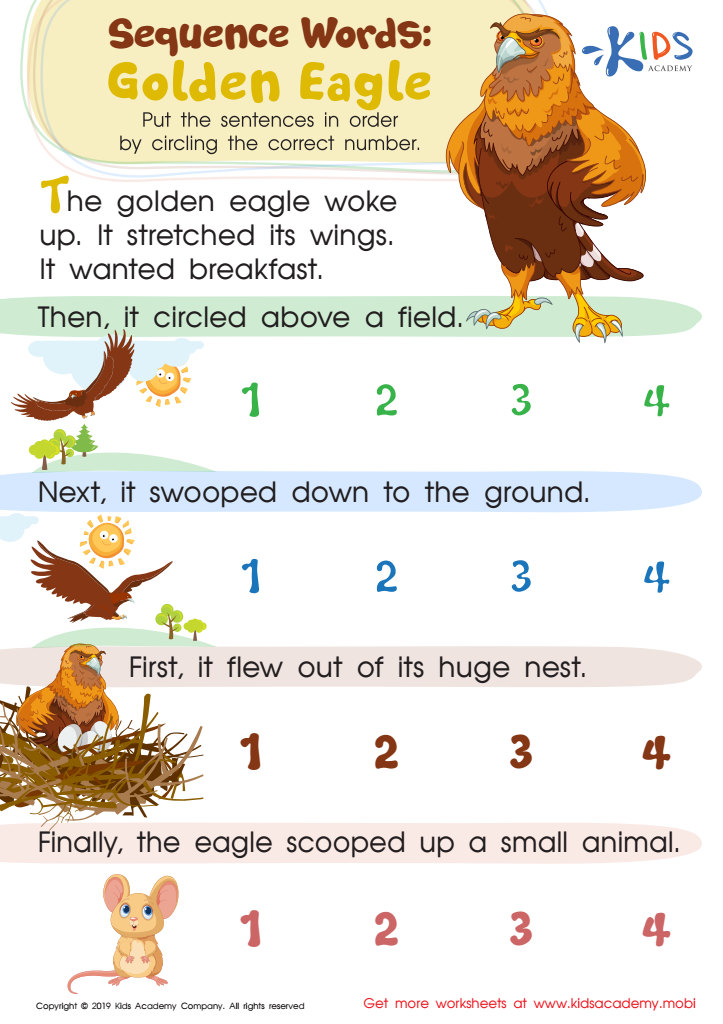
Sequence Word Eagle Worksheet
 Assign to My Students
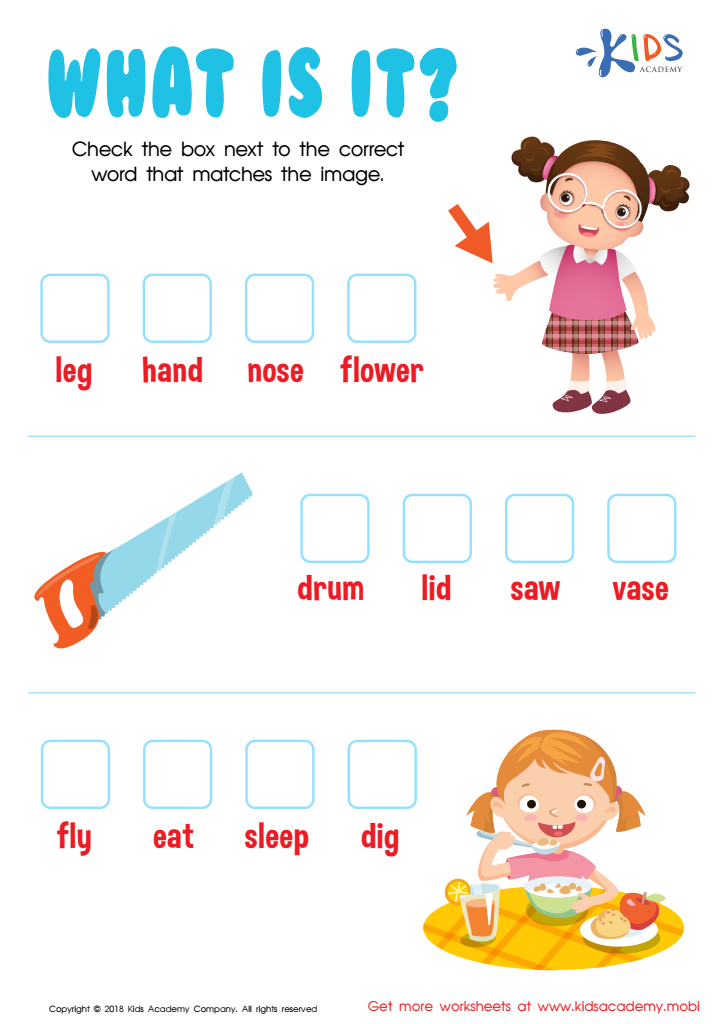
What Is It? Worksheet
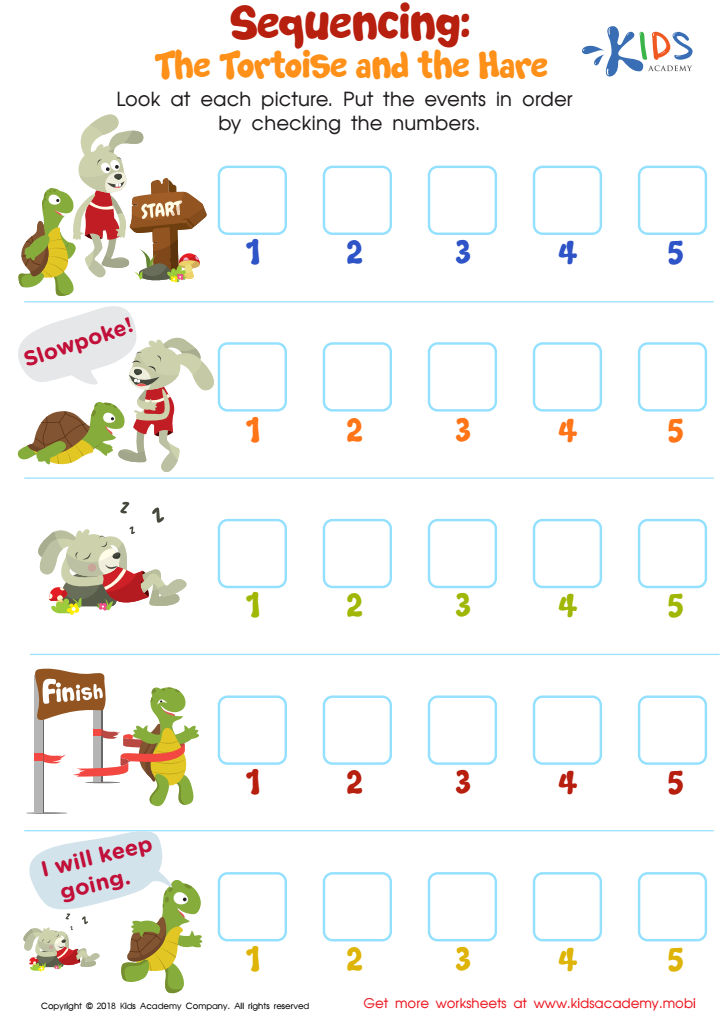
Sequencing: The Tortoise and the Hare Worksheet
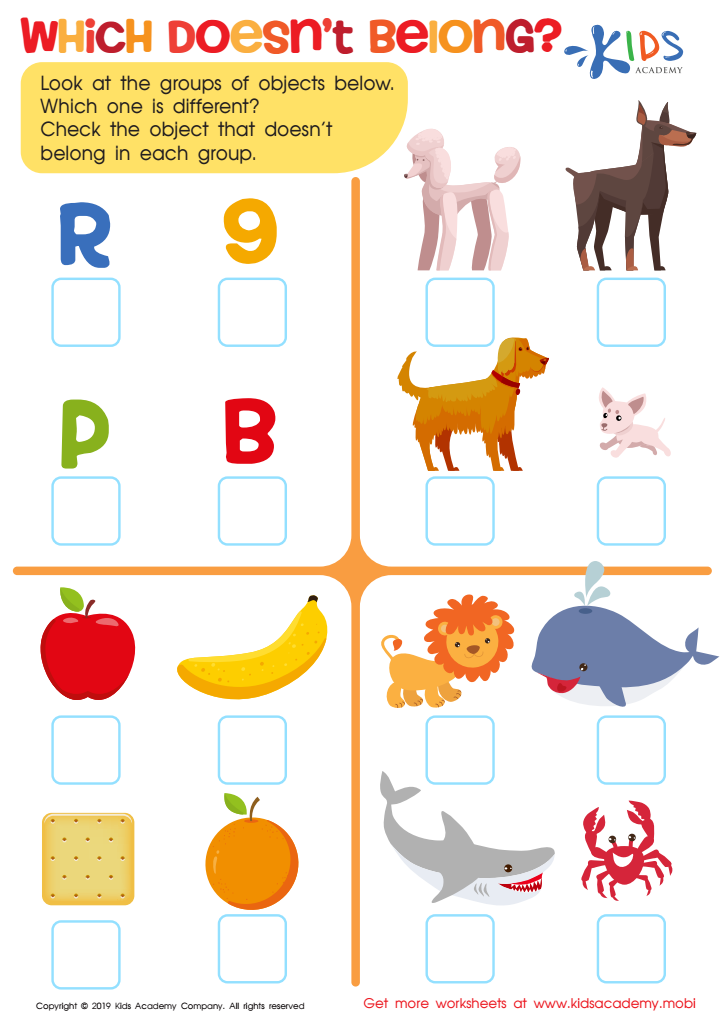
Which Doesn't Belong? Worksheet
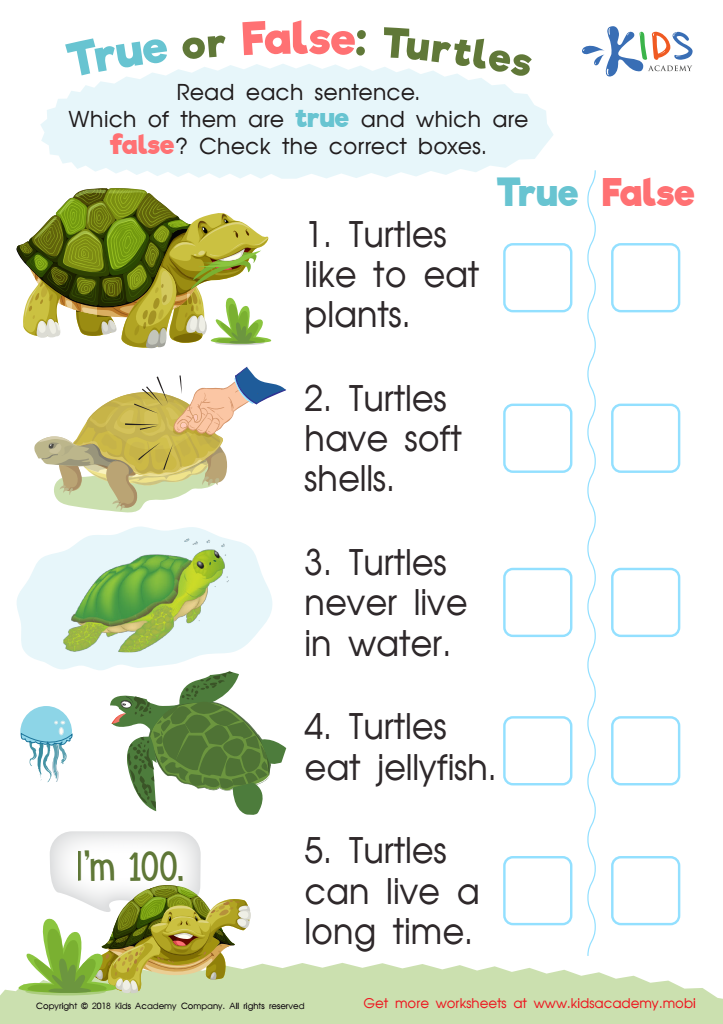
True or False: Turtles Worksheet
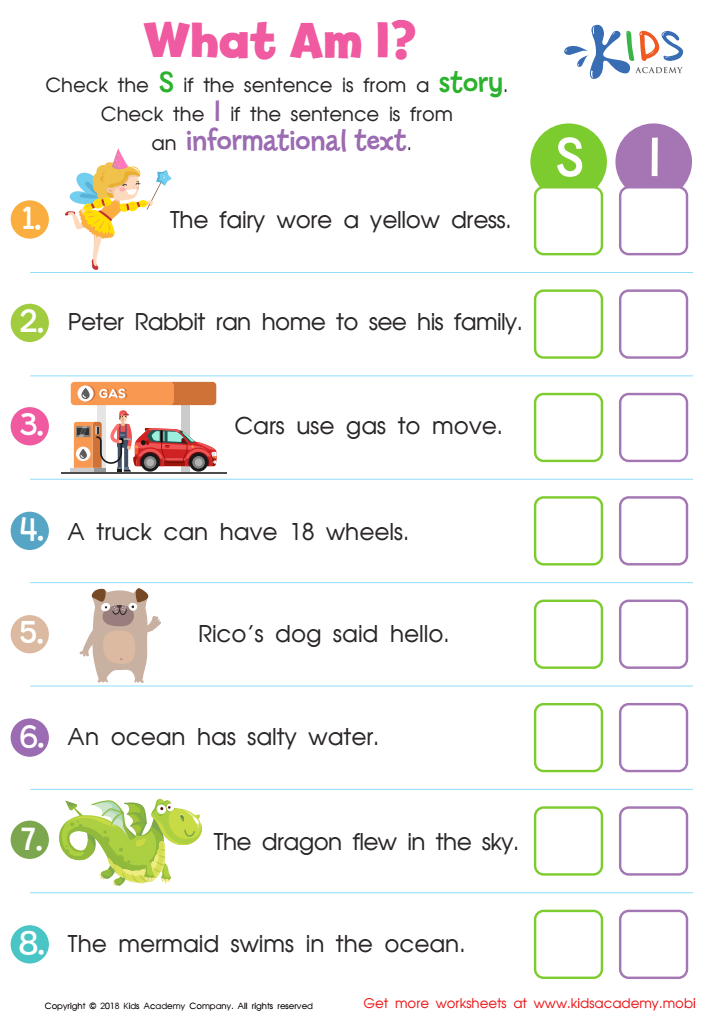
What Am I? Worksheet
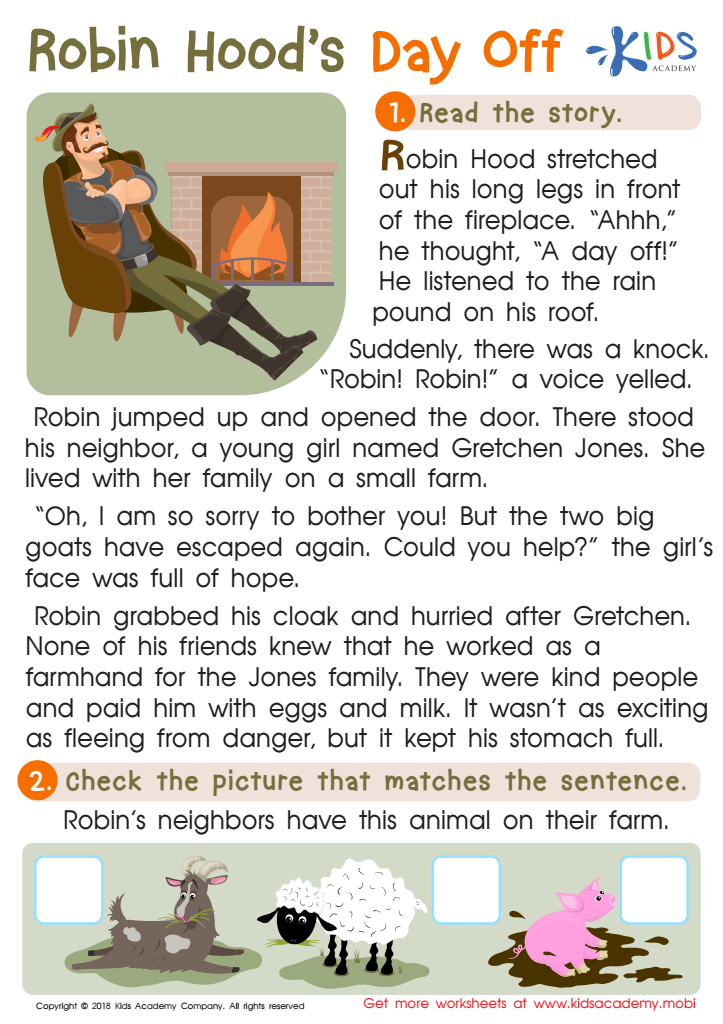
Robin Hood's Day Off Worksheet
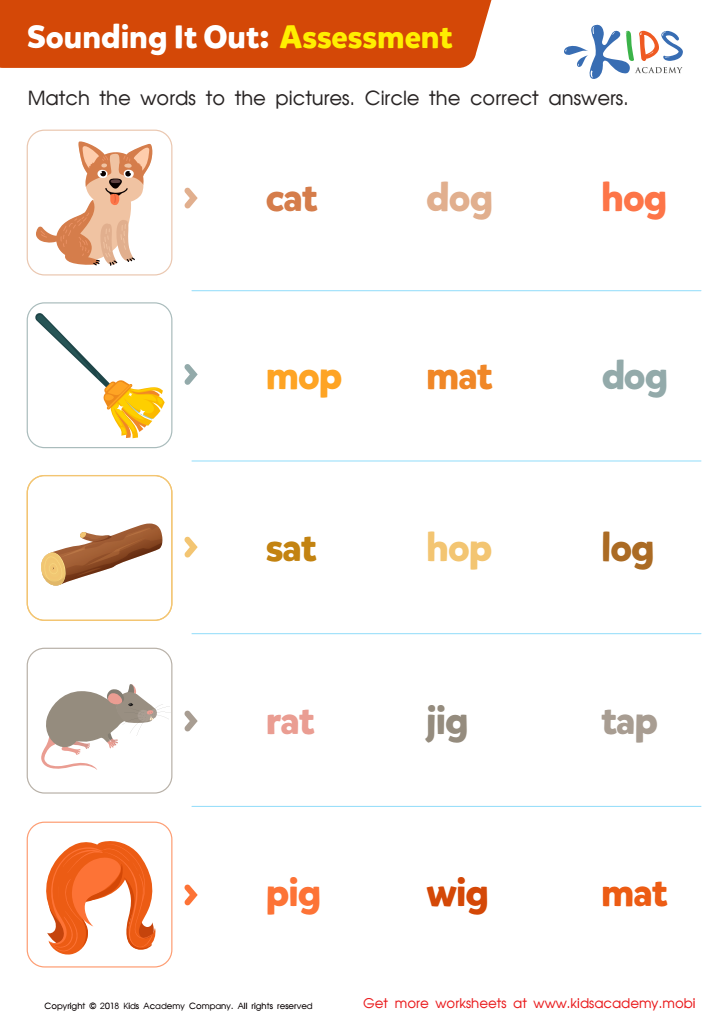
Sounding it Out: Assessment Worksheet
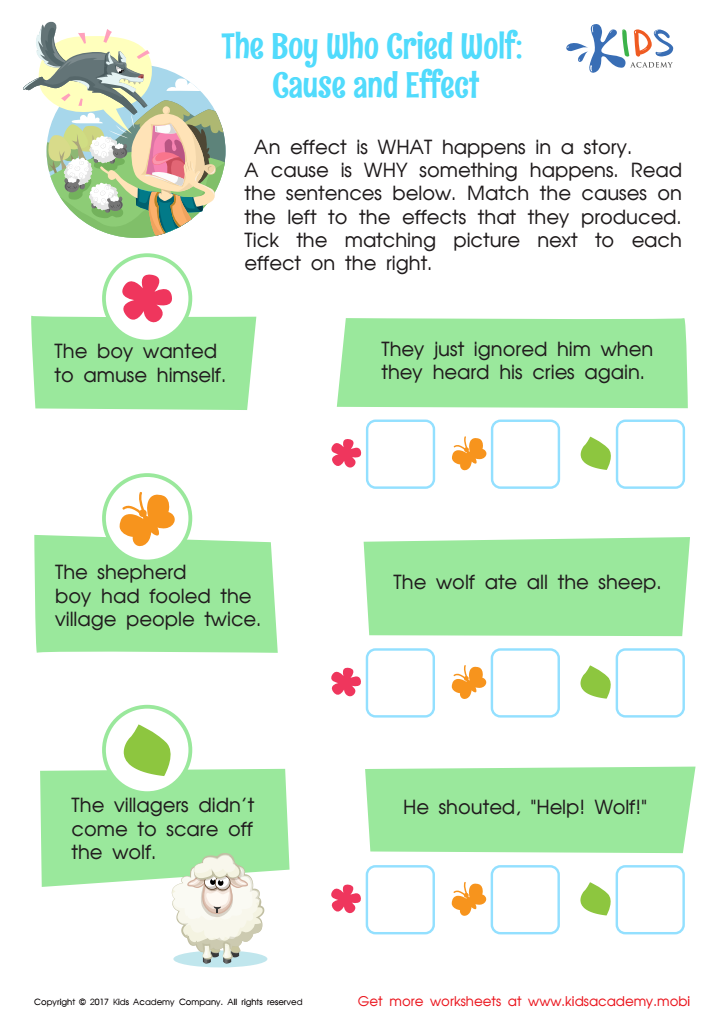
The Boy Who Cried Wolf: Cause and Effect Worksheet
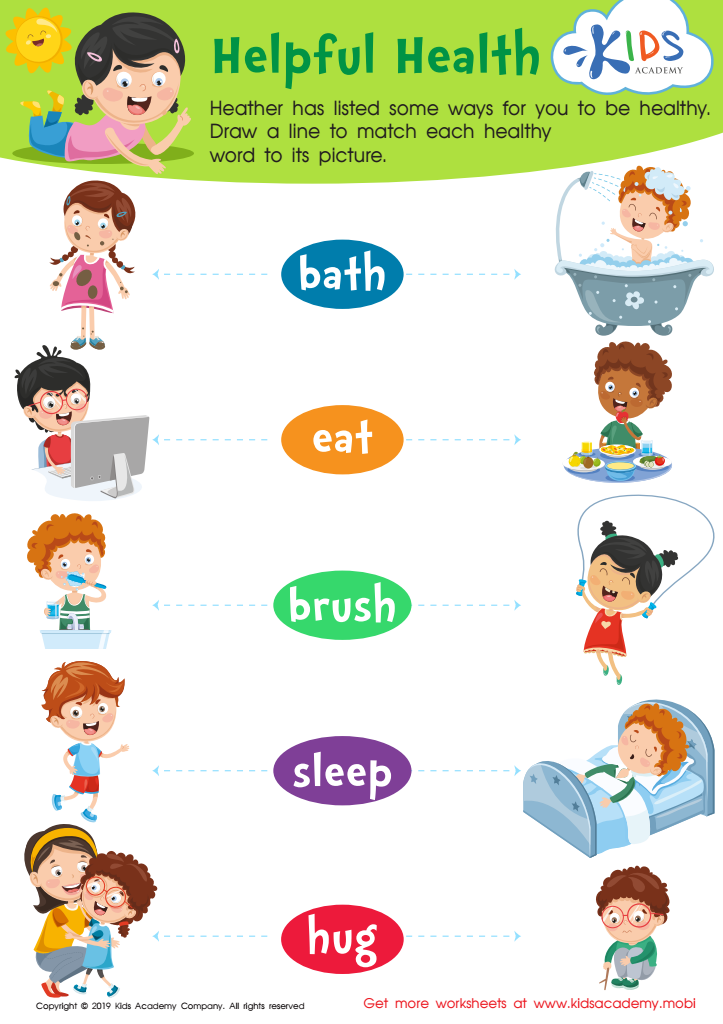
Helpful Health Worksheet
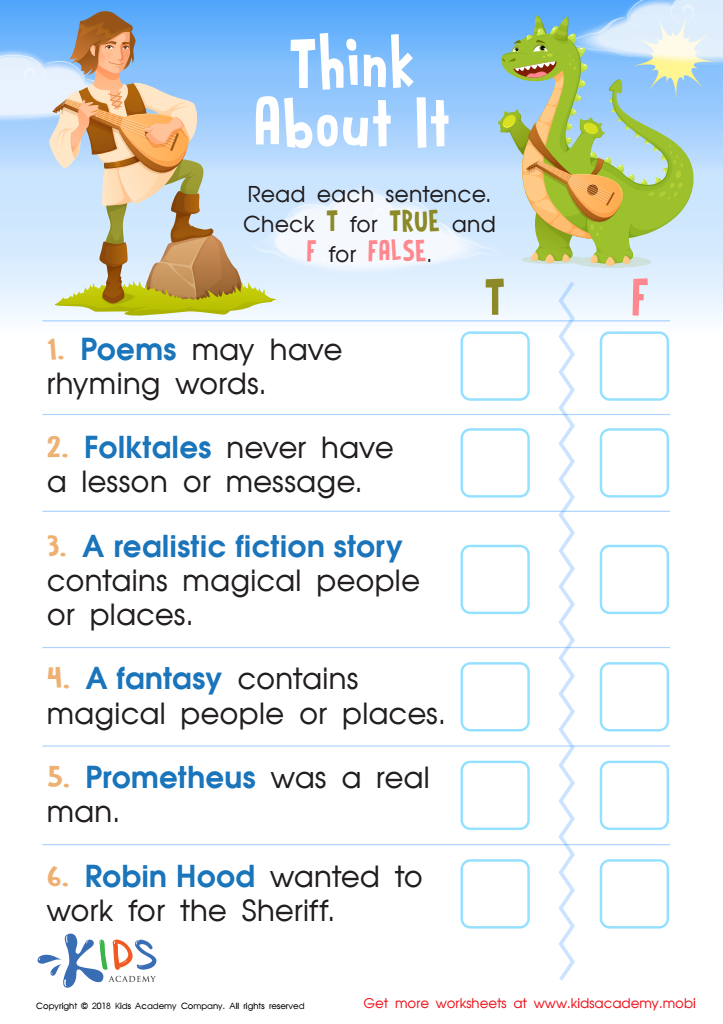
Think About It: Assessment Worksheet







Parents and teachers play a crucial role in nurturing foundational skills in children aged 4-8, and logical reasoning through normal reading is one of them. During these formative years, children's brains are highly flexible and receptive to new information. Learning logical reasoning helps them develop critical thinking skills, which are vital for understanding complex concepts and solving problems throughout life. Logical reasoning fosters the ability to make connections, analyze patterns, and derive conclusions, thereby igniting curiosity and creativity.
Normal reading, on the other hand, is pivotal in enhancing comprehension, vocabulary, and overall language development. It introduces children to a wide range of scenarios, characters, and narratives which not only broaden their imagination but also provide multiple contexts for applying logical reasoning. As kids navigate through stories, they practice predicting outcomes, understanding cause and effect, and recognizing sequences.
Combining logical reasoning with regular reading stimulates cognitive development, allowing children to better absorb academic materials, participate in discussions, and engage in play that reinforces their learning. Moreover, these skills are mutually reinforcing; logical reasoning enhances comprehension, while reading extensively offers practice in logic. Therefore, fostering these abilities early sets the stage for lifelong learning, academic success, and critical life skills development.








