Enhance your child's reading skills with our Normal Reading Worksheets designed for ages 4-8! These printable resources provide engaging activities that support early literacy development. Featuring vibrant illustrations and age-appropriate texts, each worksheet encourages children to practice phonics, sight words, and comprehension in a fun, interactive way. Designed to cater to various learning styles, these worksheets help students build confidence and foster a love for reading. Parents and teachers can easily incorporate them into daily lessons or use them for at-home practice. Unlock your child's potential and watch them flourish as they embark on their reading journey with our expertly crafted worksheets!

Check out this FREE Trial Lesson on Reading for age 4-8!

Sounding Out CVC words

Favorites
With answer key
Interactive
  • 4-8
  • Reading practice
  • Reading
  • Normal
Name Those Clothes Worksheet

Name Those Clothes Worksheet

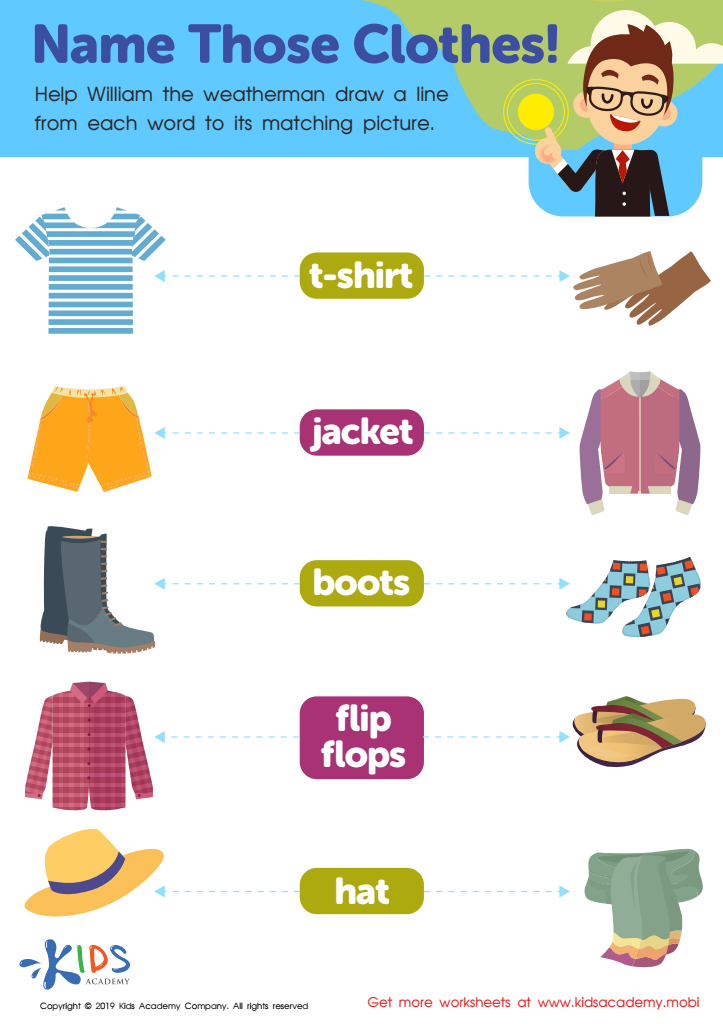
This worksheet will help your preschooler build their vocabulary, develop life-skills and work on fine motor skills. They'll analyze which clothing goes with the weatherman and match it to the word. It's a fun and interactive way to recognize high-frequency words.
Name Those Clothes Worksheet
Worksheet
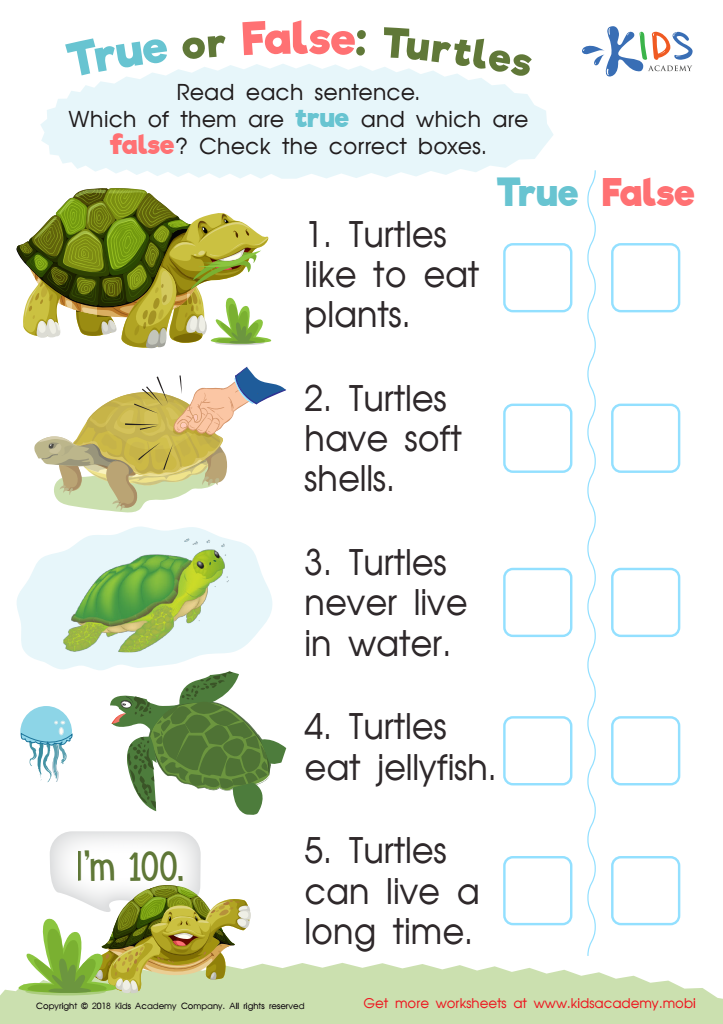
True or False: Turtles Worksheet

True or False: Turtles Worksheet

Print this free downloadable worksheet to strengthen your child's reading comprehension. Assist them to read each sentence and recall facts about turtles. Check true or false for each statement to verify their knowledge. Perfect for early learners!
True or False: Turtles Worksheet
Worksheet
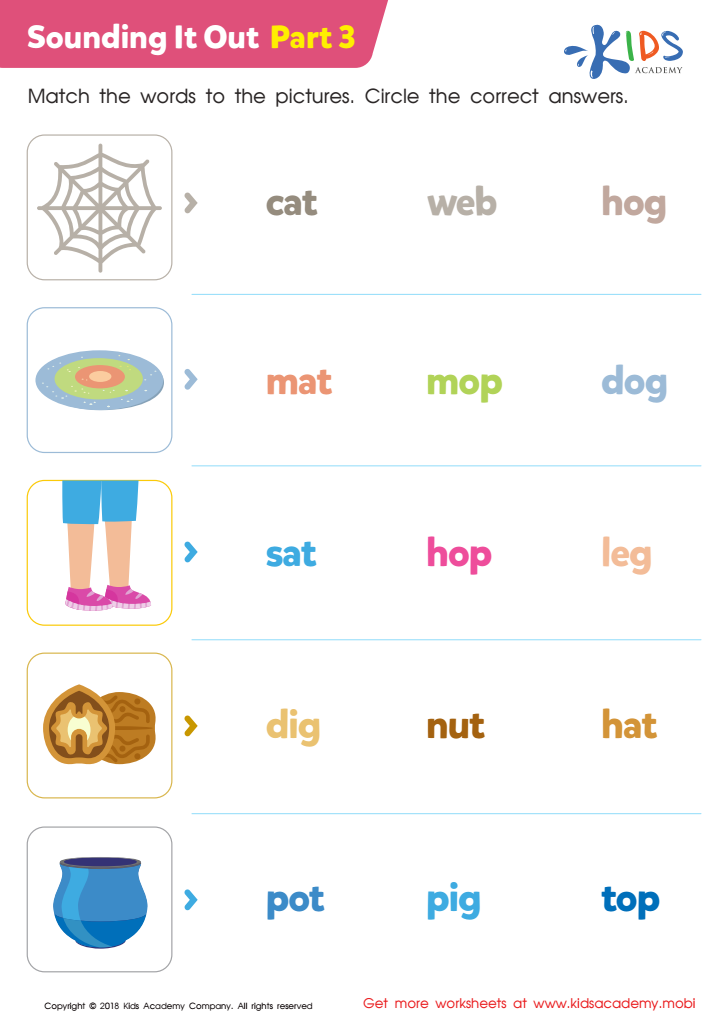
Sounding it Out: Part 3 Worksheet

Sounding it Out: Part 3 Worksheet

Once Parts 1 and 2 are complete, this printable phonics worksheet will help kids take their reading skills to the next level! As they gain confidence, give them hints less often and direct their attention to three words in a row. Ask them to read and circle the correct word to complete!
Sounding it Out: Part 3 Worksheet
Worksheet
Benjamin Franklin Worksheet

Benjamin Franklin Worksheet

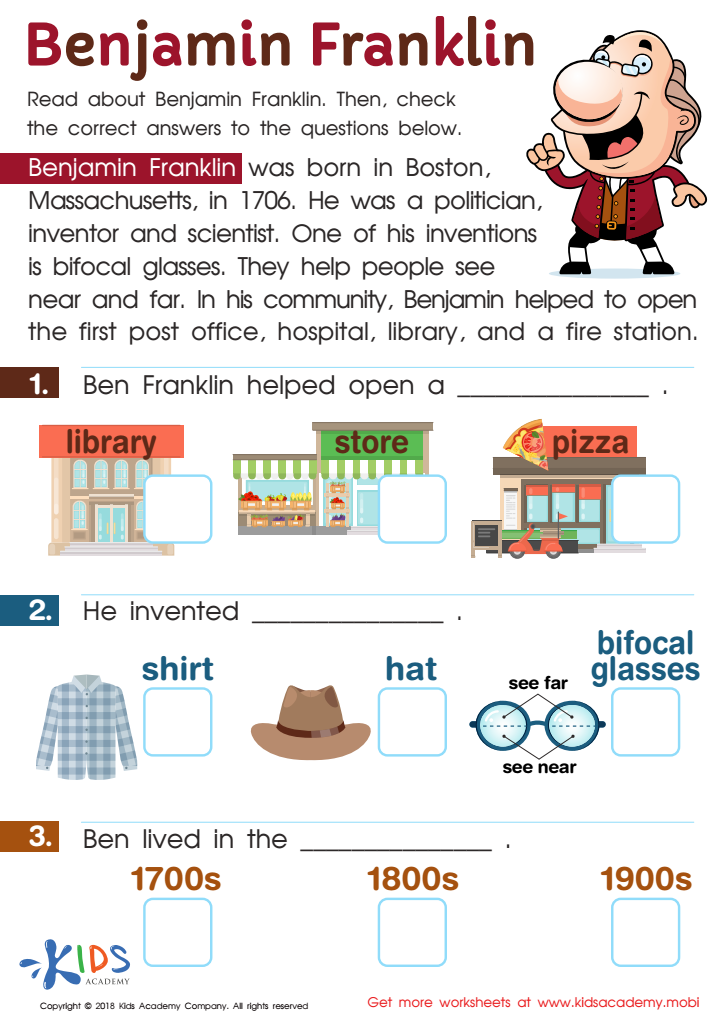
Introduce your kids to one of history's most important figures - Benjamin Franklin! Tell them all about his remarkable contributions to the world and then use this worksheet to teach them even more. Read the text to them and check their answers against the questions afterwards.
Benjamin Franklin Worksheet
Worksheet
Mountain Animals Worksheet

Mountain Animals Worksheet

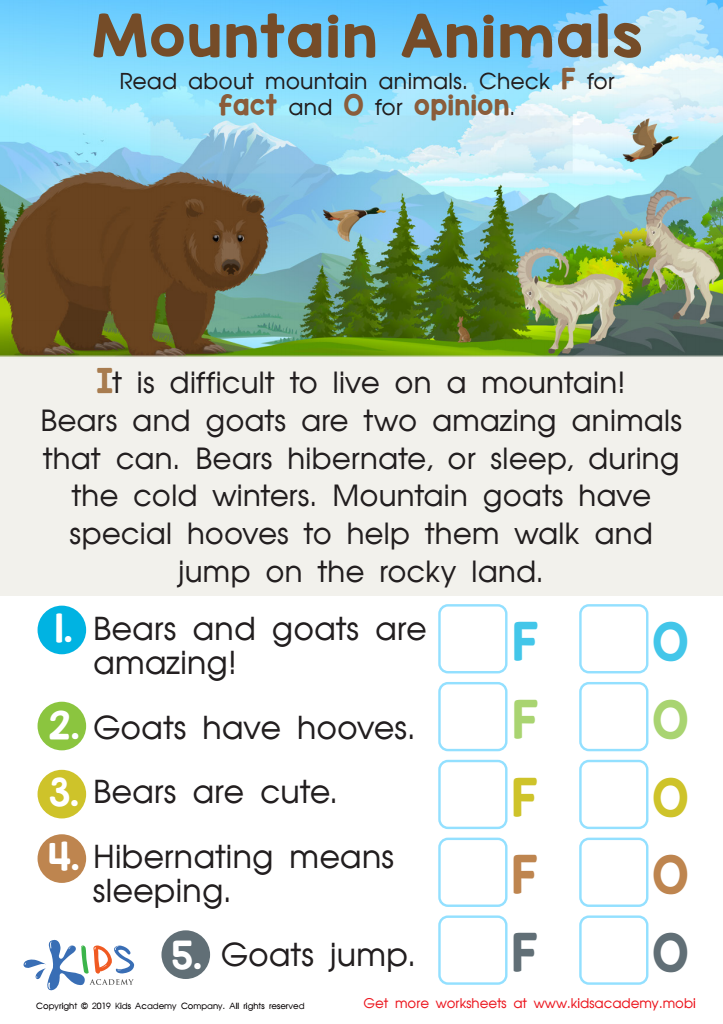
Is mountain wildlife amazing? Fact or fiction? Help your child sharpen critical-thinking skills with this engaging worksheet. Featuring a fun nonfiction passage about animals like bears and goats, your child will read through the text and identify each statement as fact or fiction. Perfect for boosting reading comprehension and analytical abilities!
Mountain Animals Worksheet
Worksheet
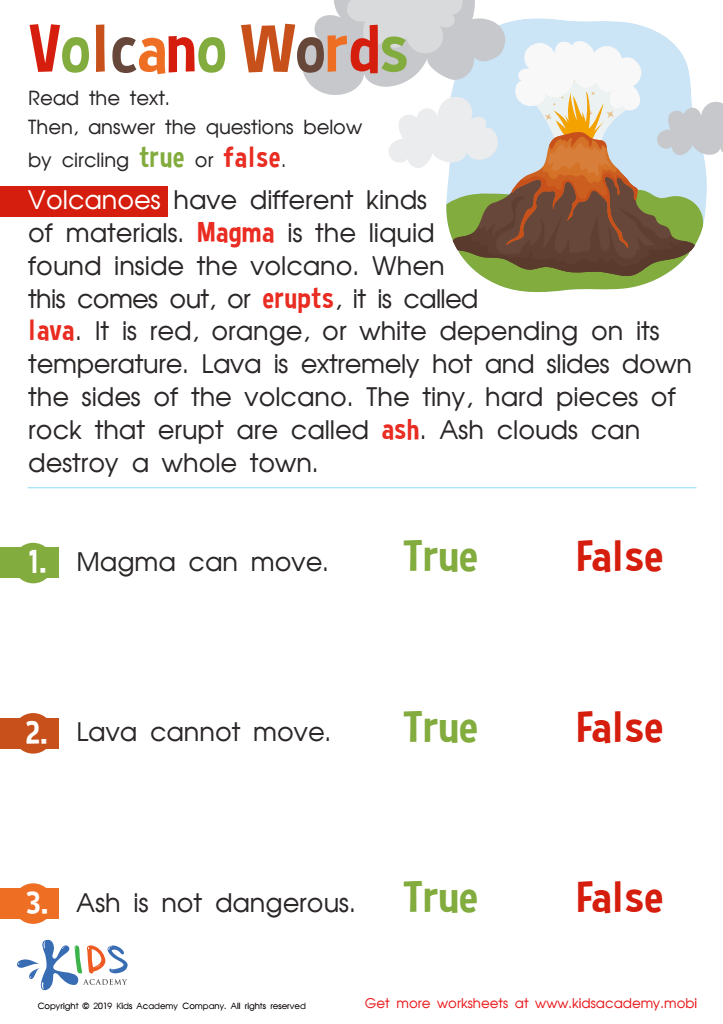
Volcano Words Worksheet

Volcano Words Worksheet

This worksheet helps kids focus and improve their reading comprehension skills. Start by reading a passage about volcanos and noting the bolded red words. Then answer true/false statements below, double-checking in the text if needed.
Volcano Words Worksheet
Worksheet
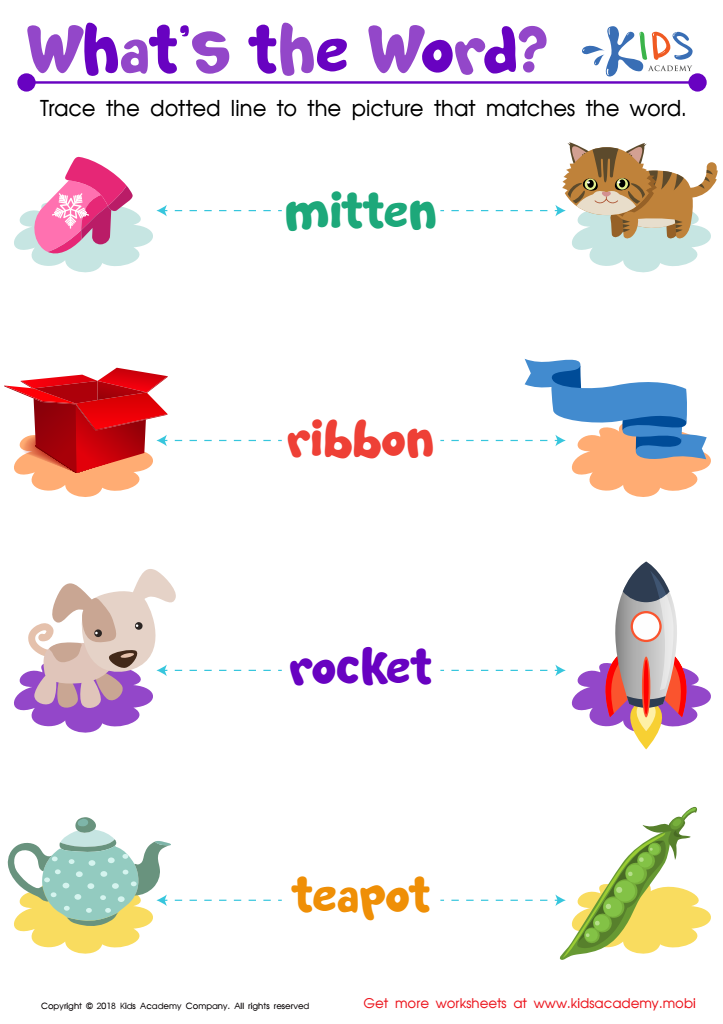
Reading: What's Word Worksheet


Reading: What's Word Worksheet

Teaching reading? This worksheet can help! Students read the word and draw a line to the picture for clues if needed. This will boost their vocabulary and fluency, increasing confidence and reading skills. Watch their progress as new words are added!
Reading: What's Word Worksheet

Worksheet


Reading practice is crucial for children aged 4-8, as it forms the foundation for their academic journey and lifelong learning. For parents and teachers, prioritizing reading during these formative years is essential for several reasons.

Firstly, early reading enhances language development, expanding vocabulary and improving comprehension skills. Children who practice reading regularly are more likely to understand complex texts as they progress in their education. Secondly, reading improves cognitive abilities, including critical thinking and problem-solving, helping children to make connections across different subjects.

Furthermore, reading fosters creativity and imagination, allowing young learners to explore diverse worlds and ideas through literature. This not only supports emotional development but also cultivates empathy by exposing them to different perspectives.

Regular reading practice also encourages a love for learning, instilling habits that promote academic success. Parents and teachers play a vital role in creating a nurturing environment where reading is valued and encouraged, leading to higher self-esteem and confidence in students.

Ultimately, supporting normal reading practices in young children is an investment in their future, equipping them with essential skills that will serve them throughout their lives. Prioritizing reading is a gift that pays dividends in various aspects of development.