Spelling practice Normal Reading Worksheets for Ages 4-8 - Page 2
35 filtered results
-
From - To
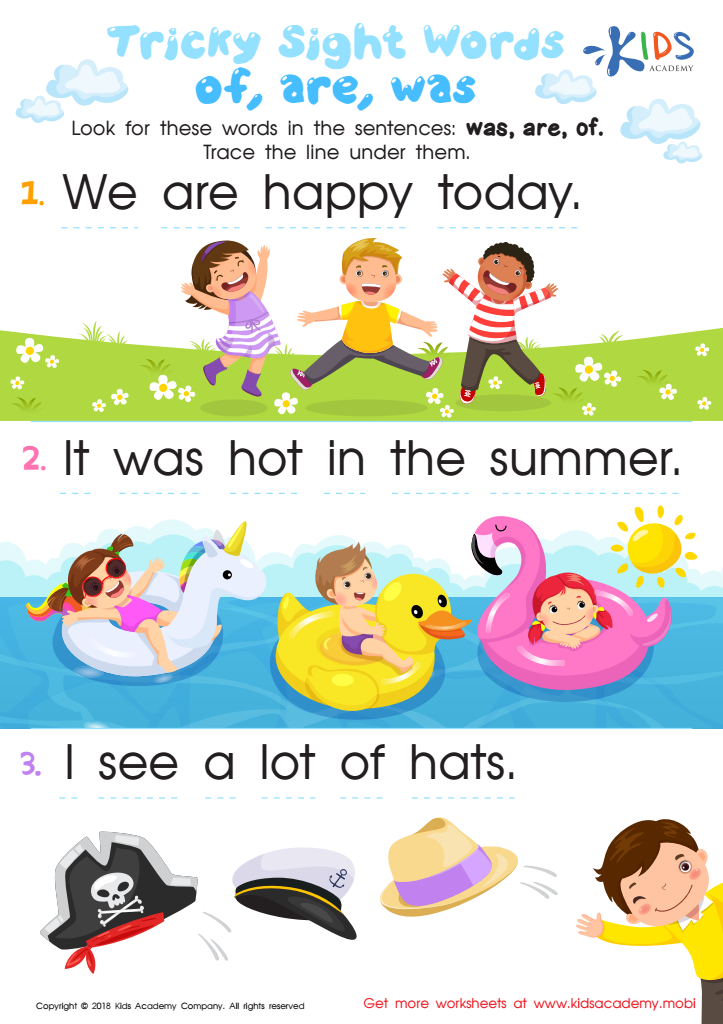
Tricky Sight Words Worksheet
 Assign to My Students
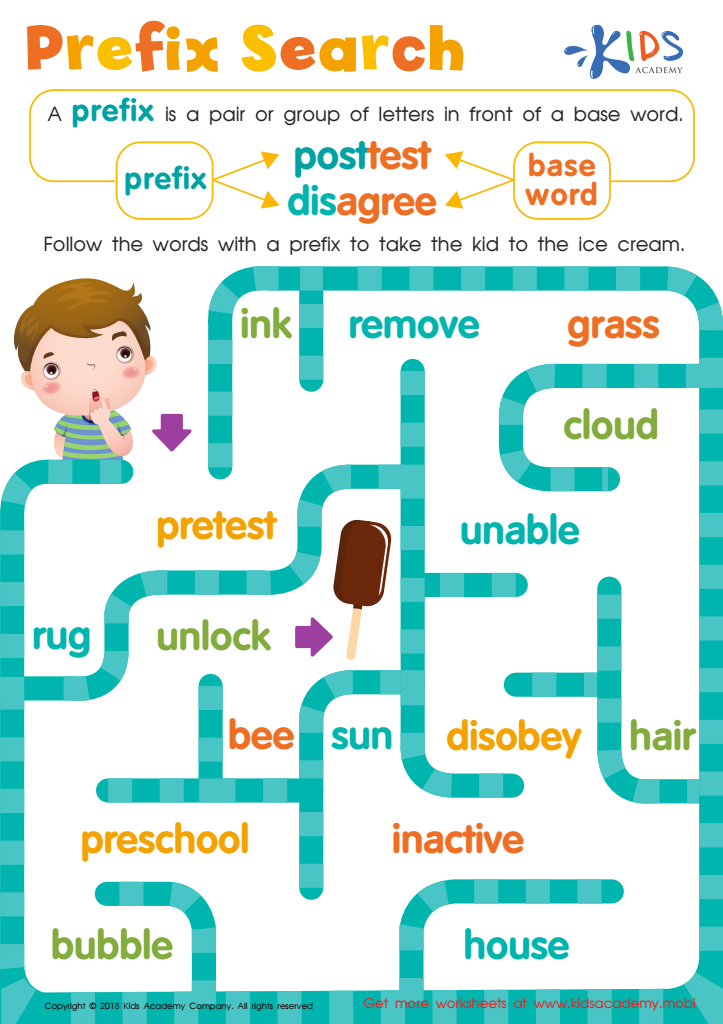
Reading: Prefix Search Worksheet
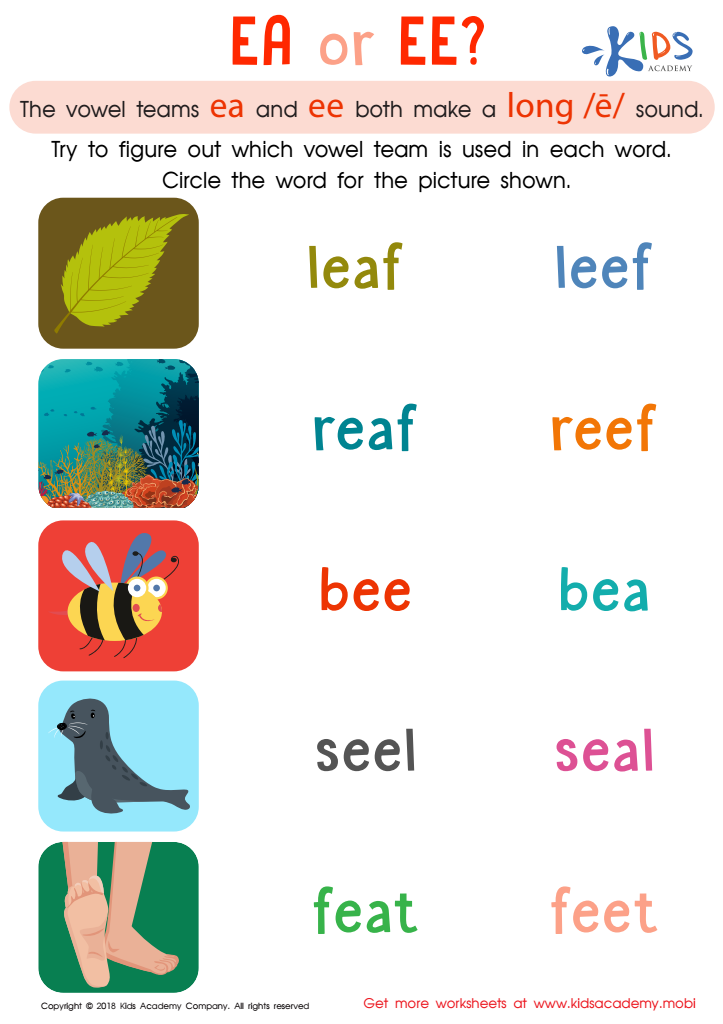
Reading: EA and EE Worksheet
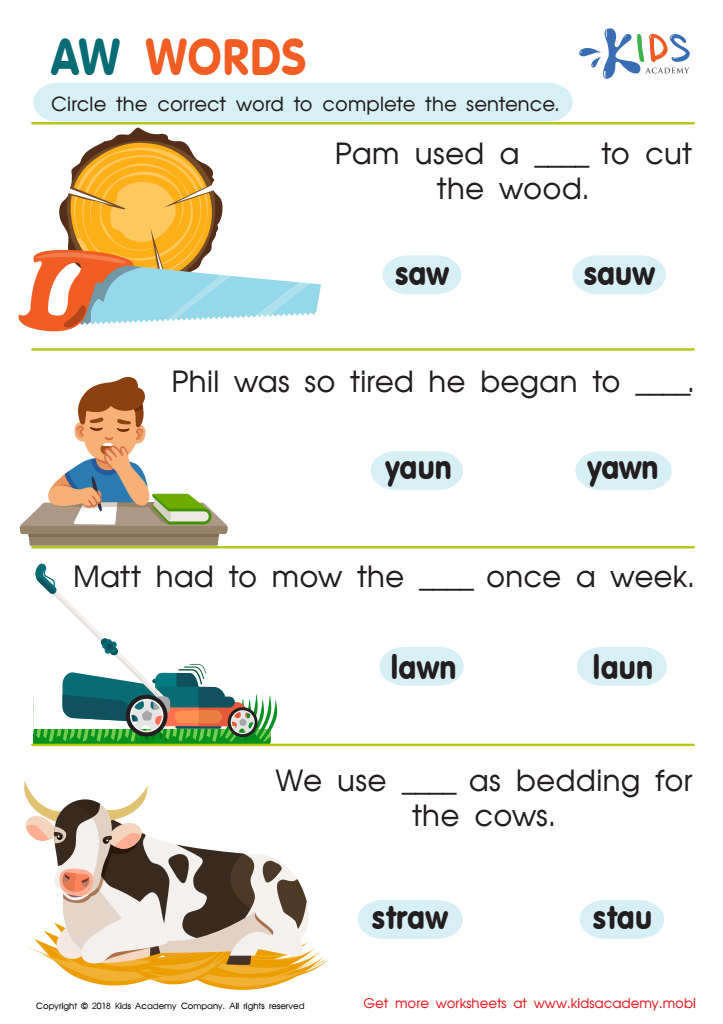
Reading: AW Words Worksheet
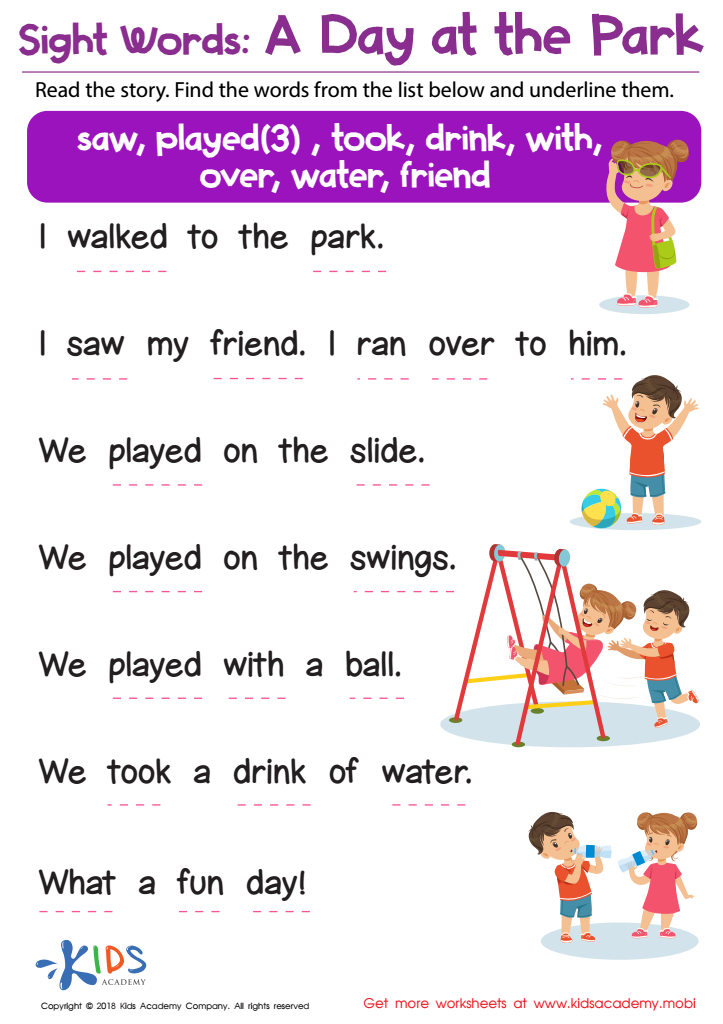
Sight Words: A Day at the Park Worksheet
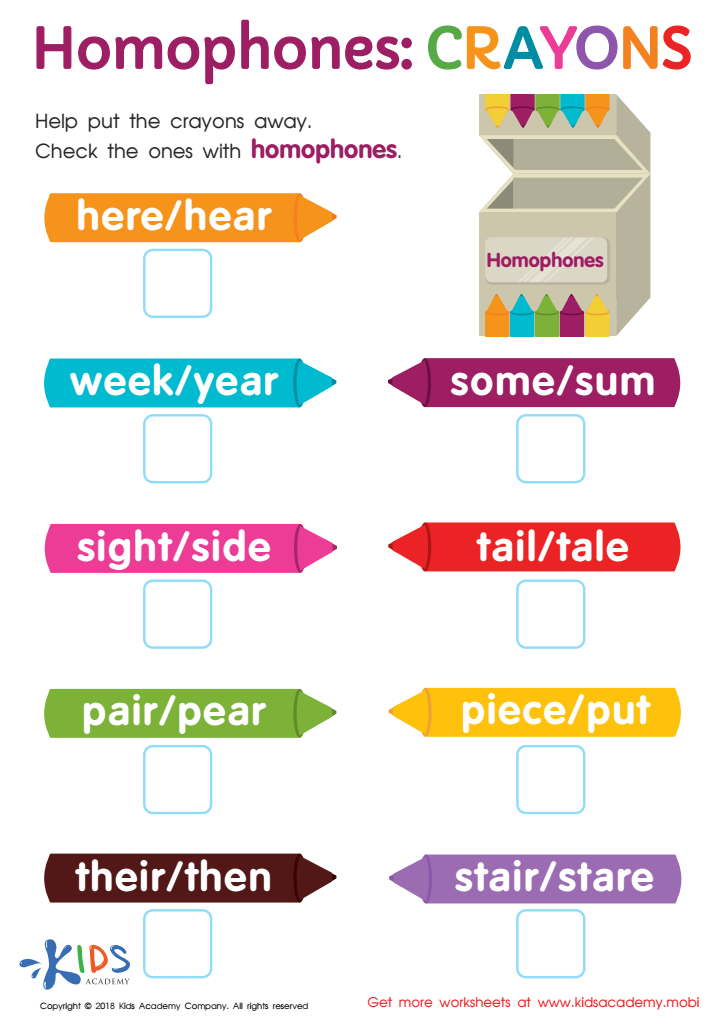
Homophones: Crayons Worksheet
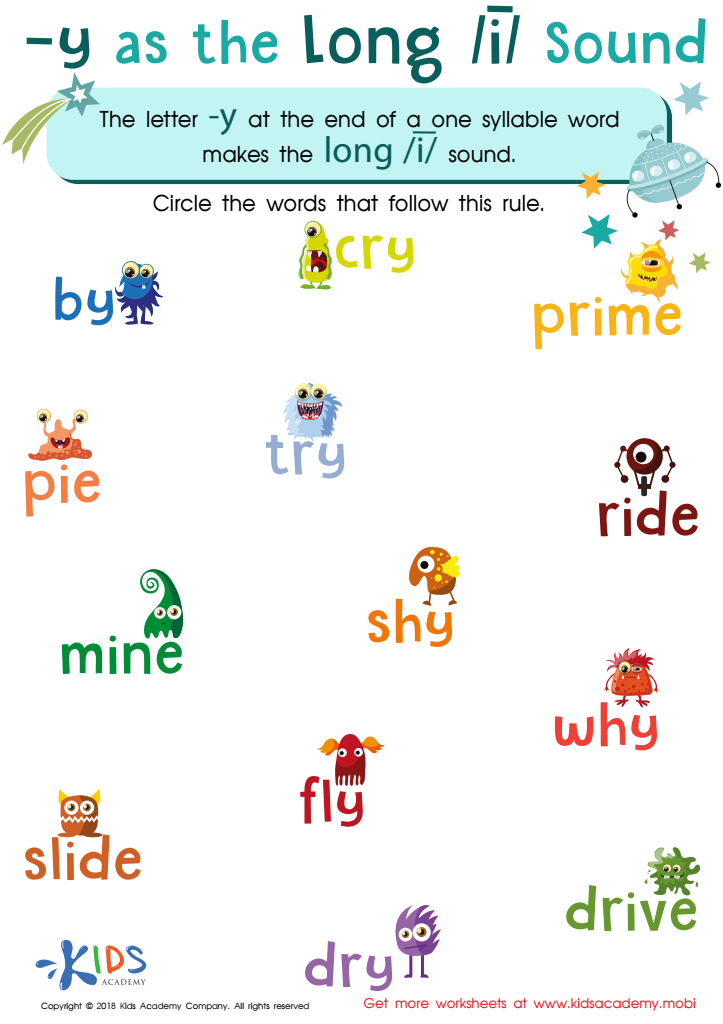
Reading: Y as Long I Worksheet
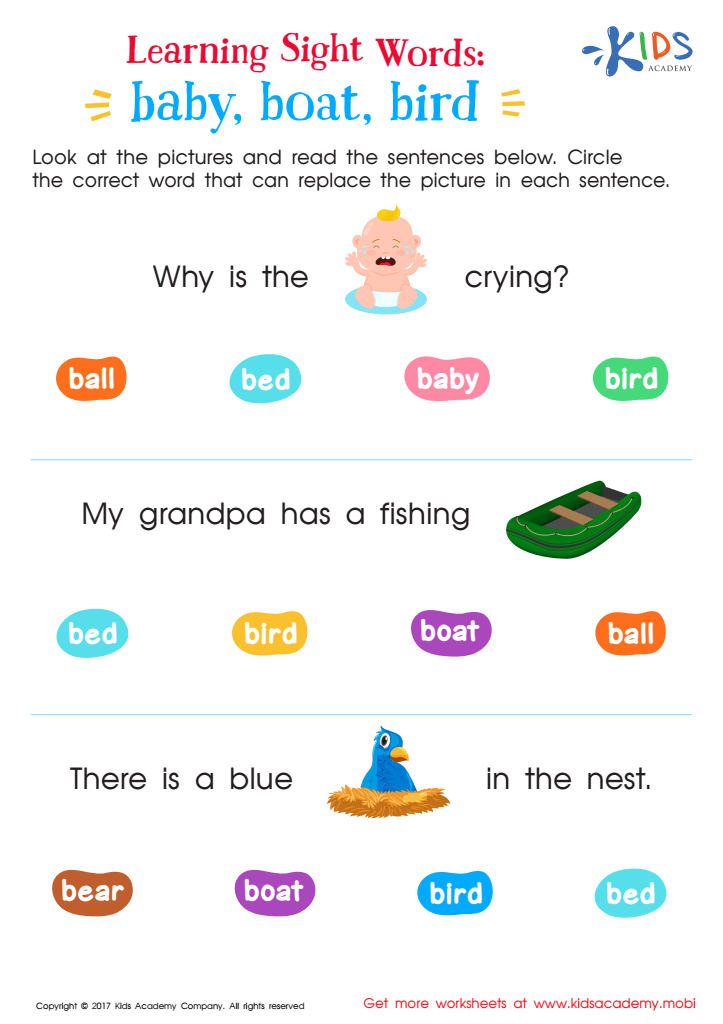
Baby, Boat, Bird Worksheet Sight Words Worksheet
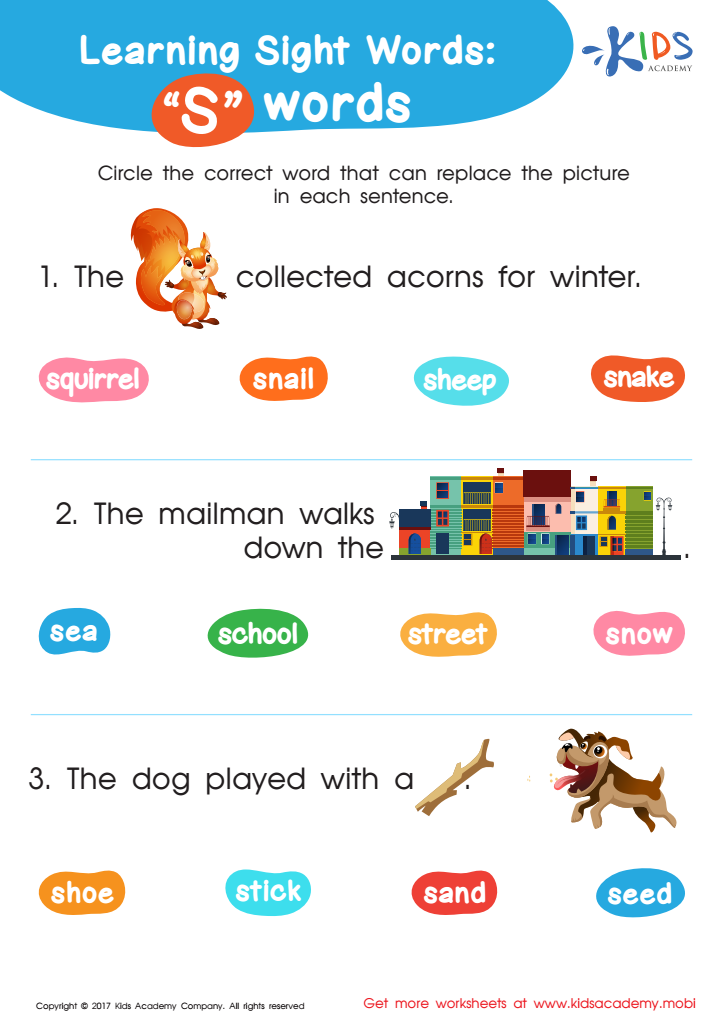
S Words Sight Words Worksheet
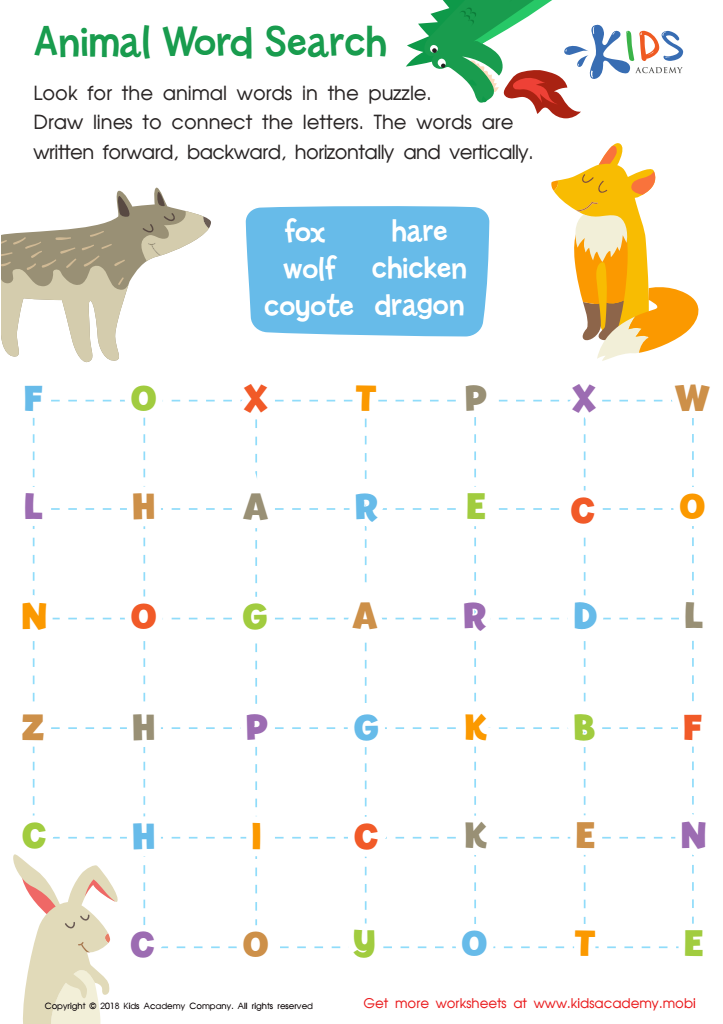
Animal Word Search Worksheet
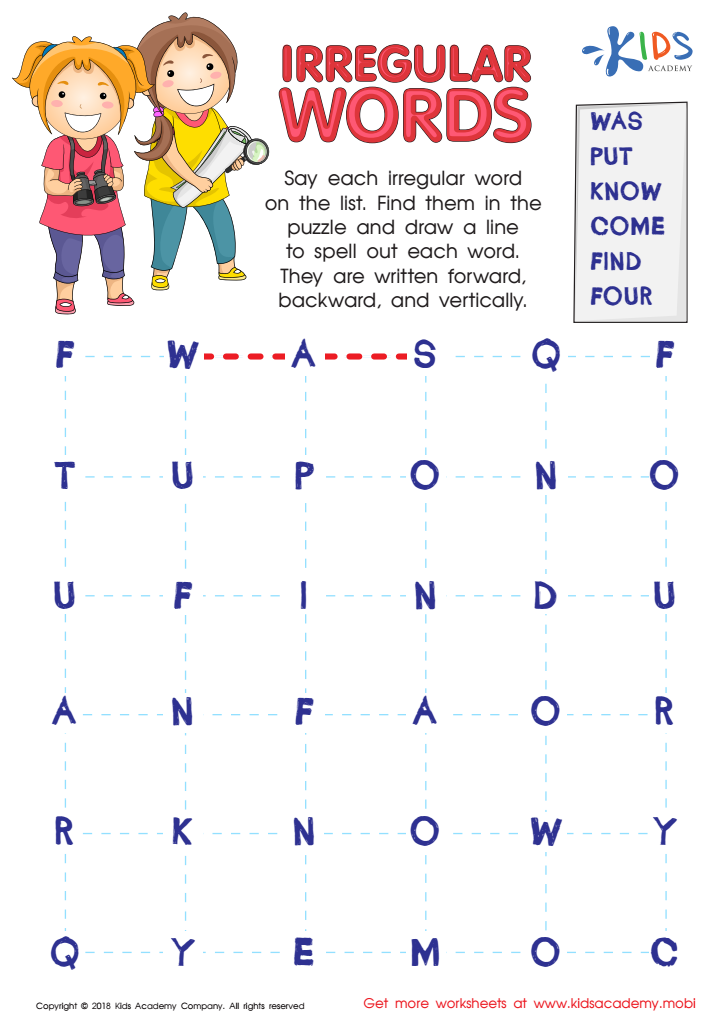
Irregular Words Worksheet






Spelling practice is crucial for children aged 4-8 as it lays a strong foundation for their reading and writing skills. At this developmental stage, children are not just learning to recognize letters and sounds; they are beginning to make connections between oral language and written representation. Engaging with spelling helps reinforce phonemic awareness—a critical skill that allows children to hear, identify, and manipulate sounds in words.
When parents and teachers emphasize spelling practice, they nurture vocabulary development, enhance comprehension, and improve writing abilities. Spelling encourages children to explore language, experiment with word formation, and develop their own identity as young readers and writers. Additionally, regular practice fosters a sense of accomplishment, bolstering a child's confidence and motivation.
Furthermore, spelling activities can be seamlessly integrated into everyday learning through games, storytelling, or creative writing exercises, making the process enjoyable. By prioritizing spelling practice, adults can create an engaging literacy environment that supports children's academic growth and love for learning. Ultimately, strong spelling skills influence overall communication abilities, emphasizing the importance of needed fluency in an increasingly text-oriented world. Thus, parents and teachers should be actively involved in making spelling education a fun and essential component of early literacy development.








