Comprehension skills Normal Reading Comprehension Worksheets for Ages 4-8
13 filtered results
-
From - To
Boost your child's reading journey with our “Comprehension Skills: Normal Reading Comprehension Worksheets” tailored for ages 4-8. These engaging worksheets are designed to develop essential comprehension skills through fun and interactive activities. Each worksheet focuses on enhancing a child's ability to understand and retain information from text, thus improving literacy and critical thinking. Easy to download and use, our carefully crafted exercises are perfect for young learners at home or in the classroom. Give your child the advantage they need for academic success with our expertly designed comprehension worksheets. Start building a strong reading foundation today!
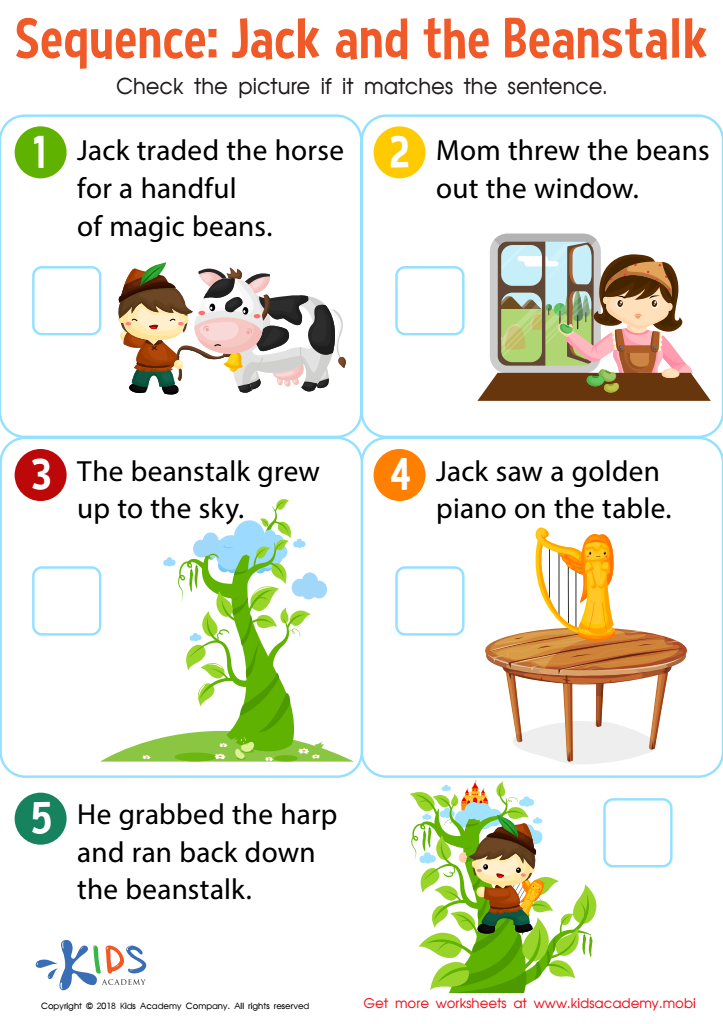
Sequence: Jack and The Beanstalk Worksheet
 Assign to My Students
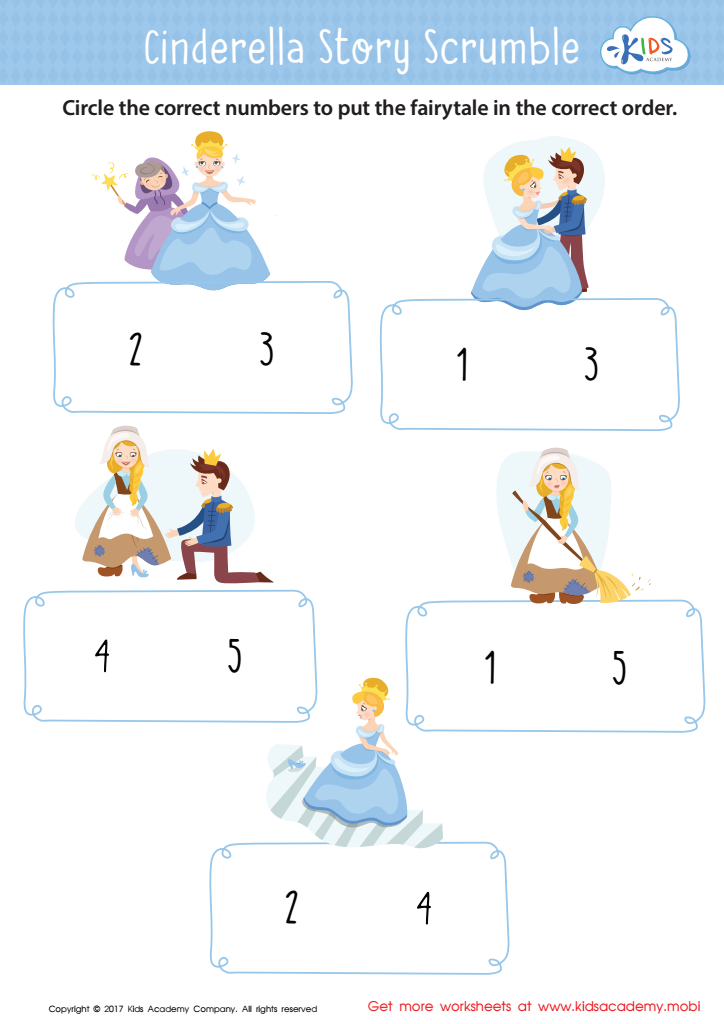
Cinderella Story Sequencing Worksheet
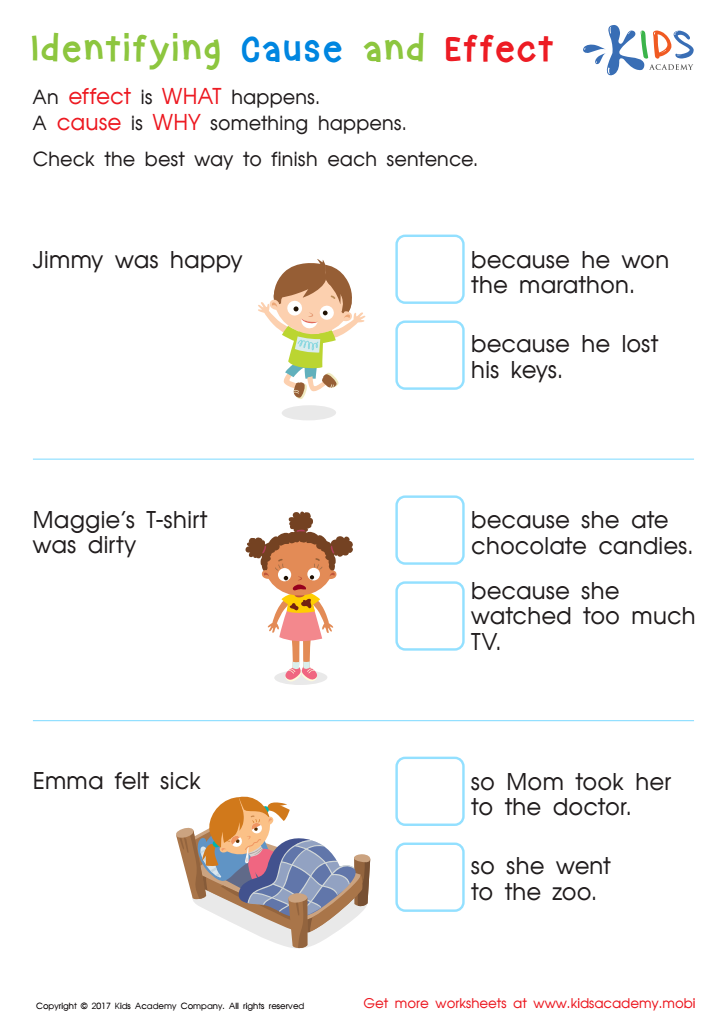
Indentifying Cause and Effect Worksheet
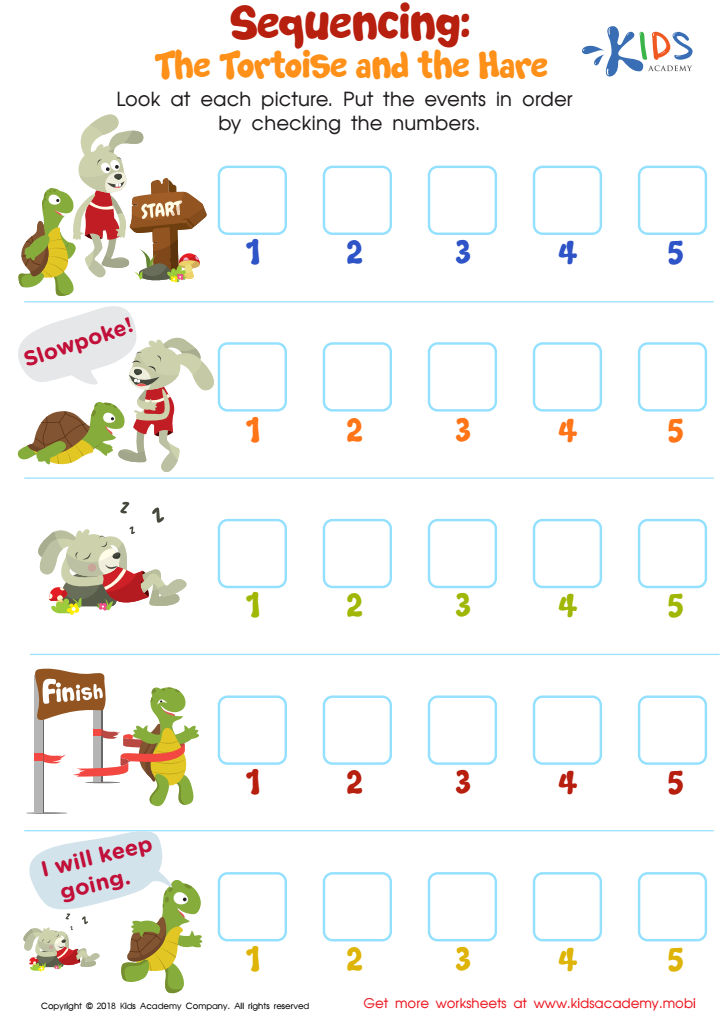
Sequencing: The Tortoise and the Hare Worksheet
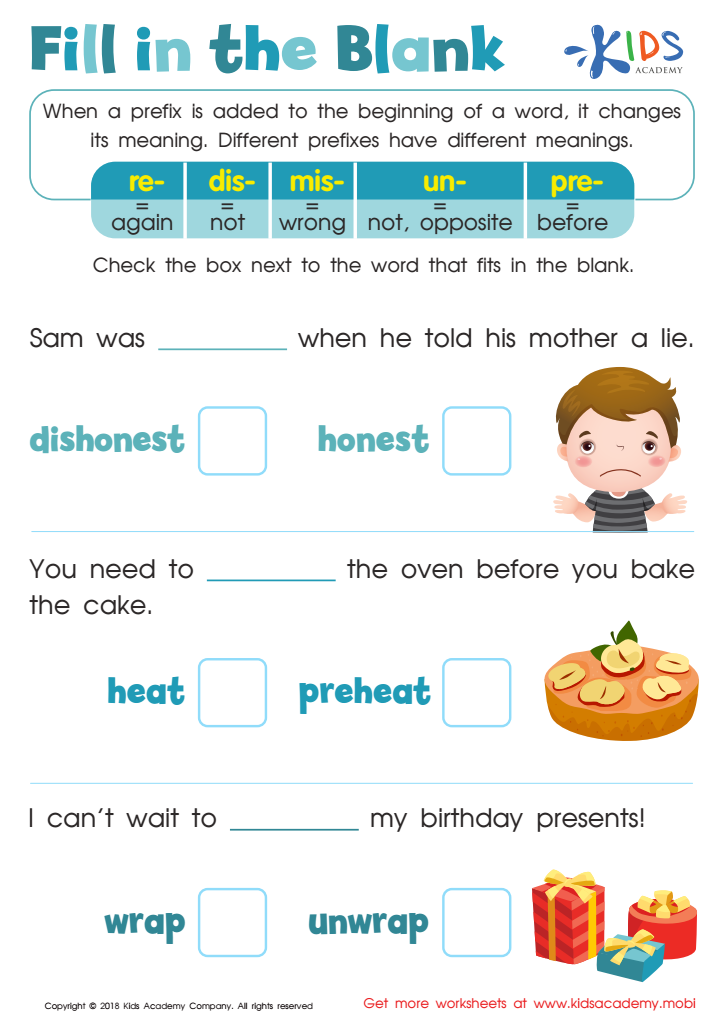
Reading: Fill in the Blank Worksheet
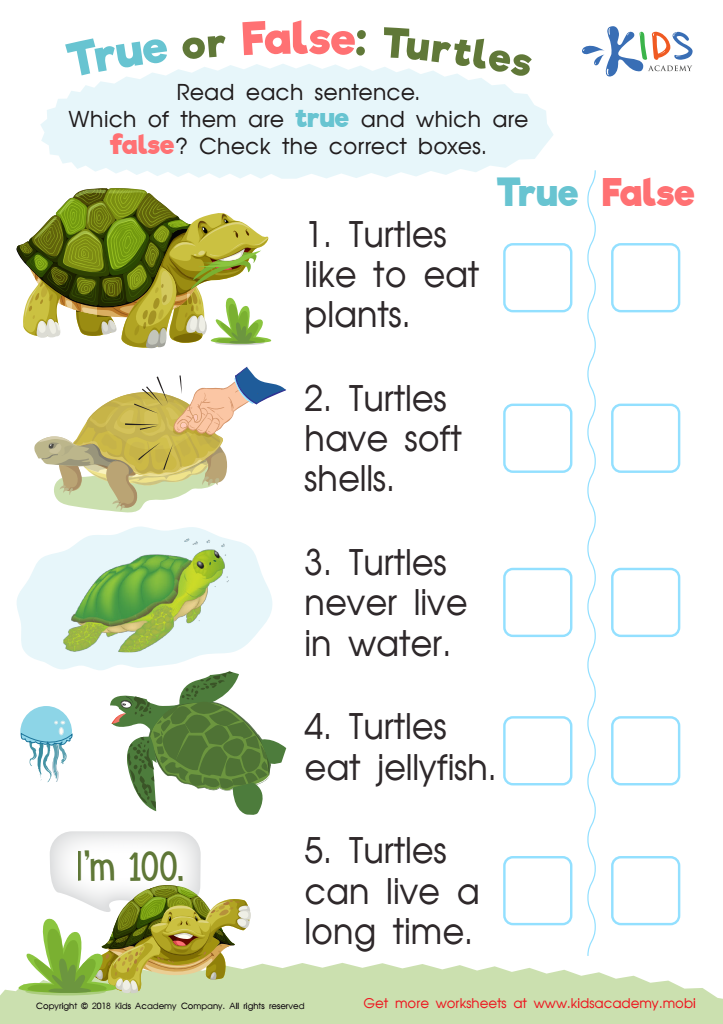
True or False: Turtles Worksheet
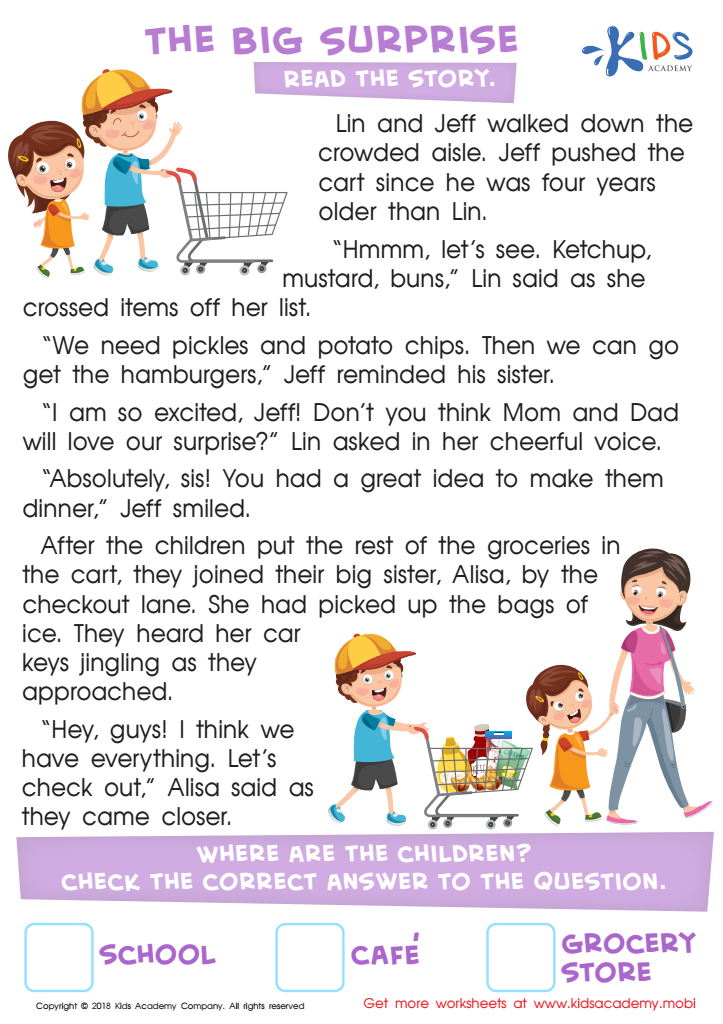
The Big Surprise Worksheet
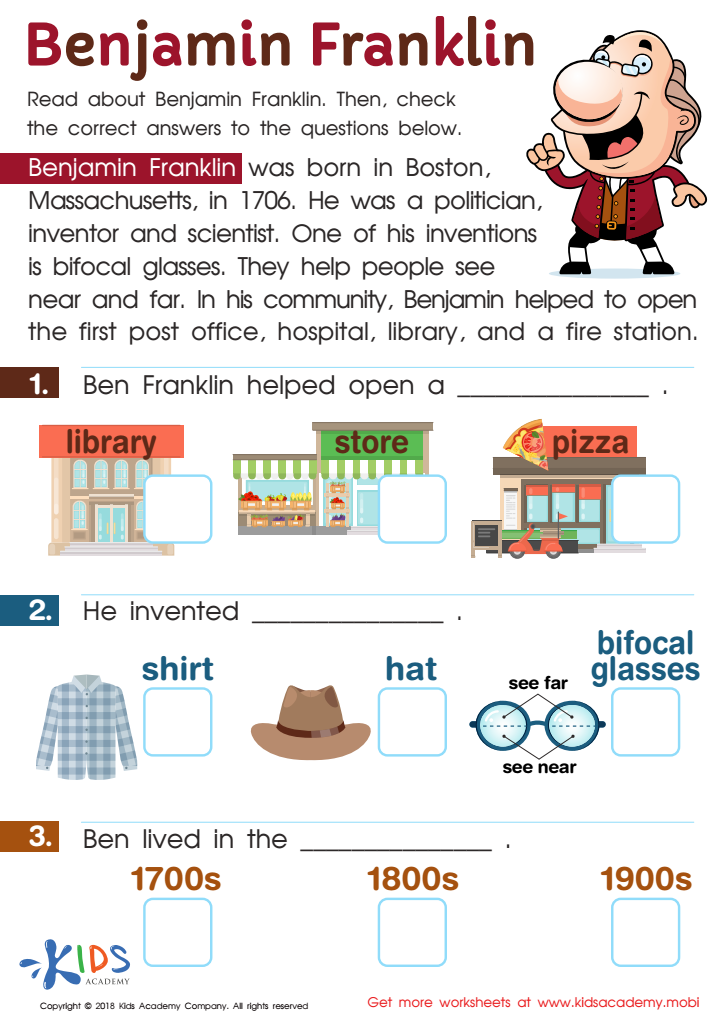
Benjamin Franklin Worksheet
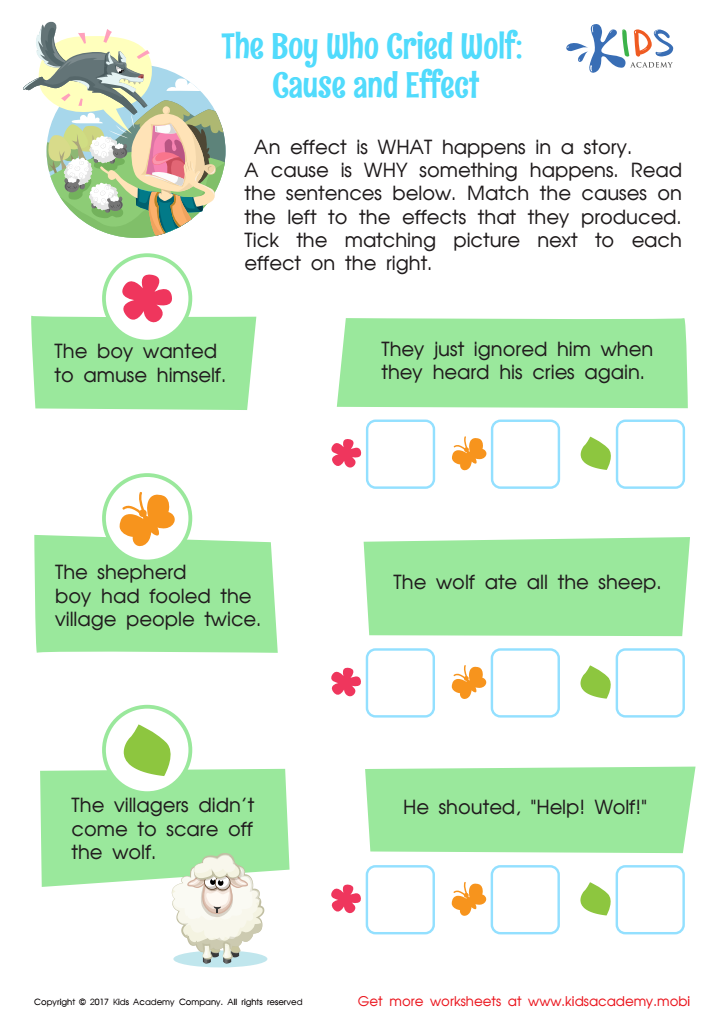
The Boy Who Cried Wolf: Cause and Effect Worksheet
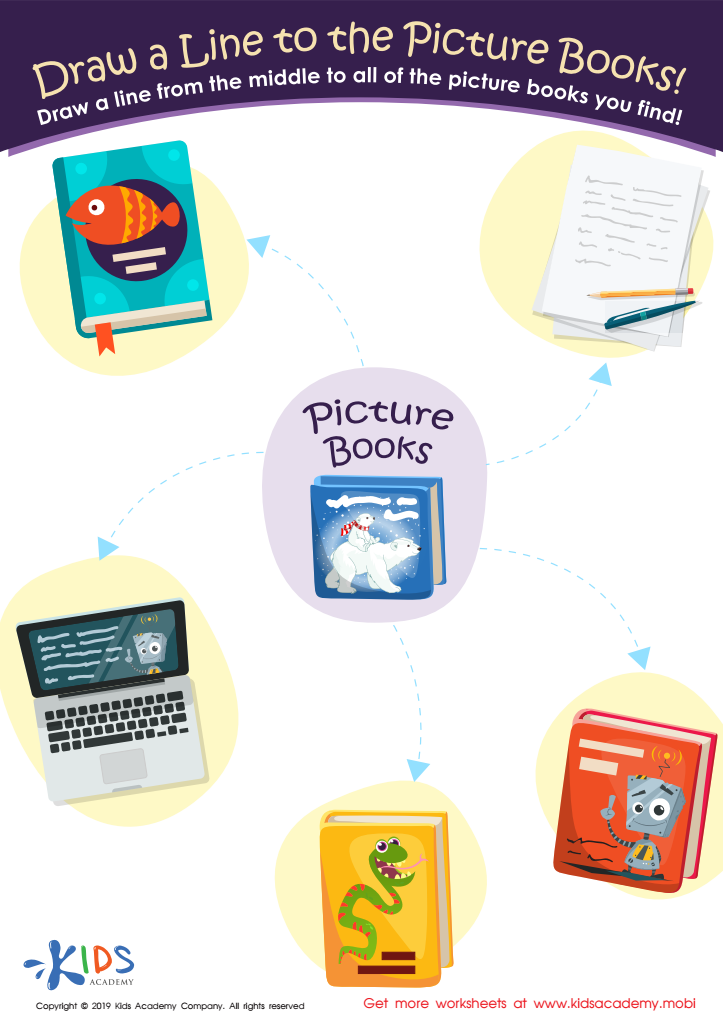
Draw a Line to the Picture Books Worksheet
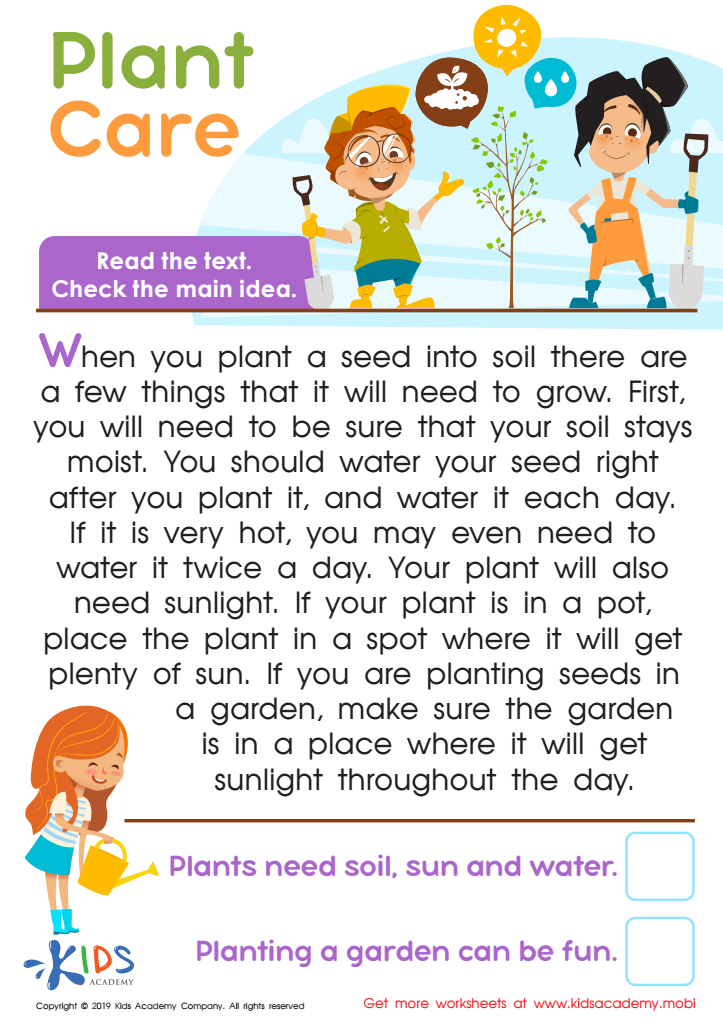
Plant Care Worksheet
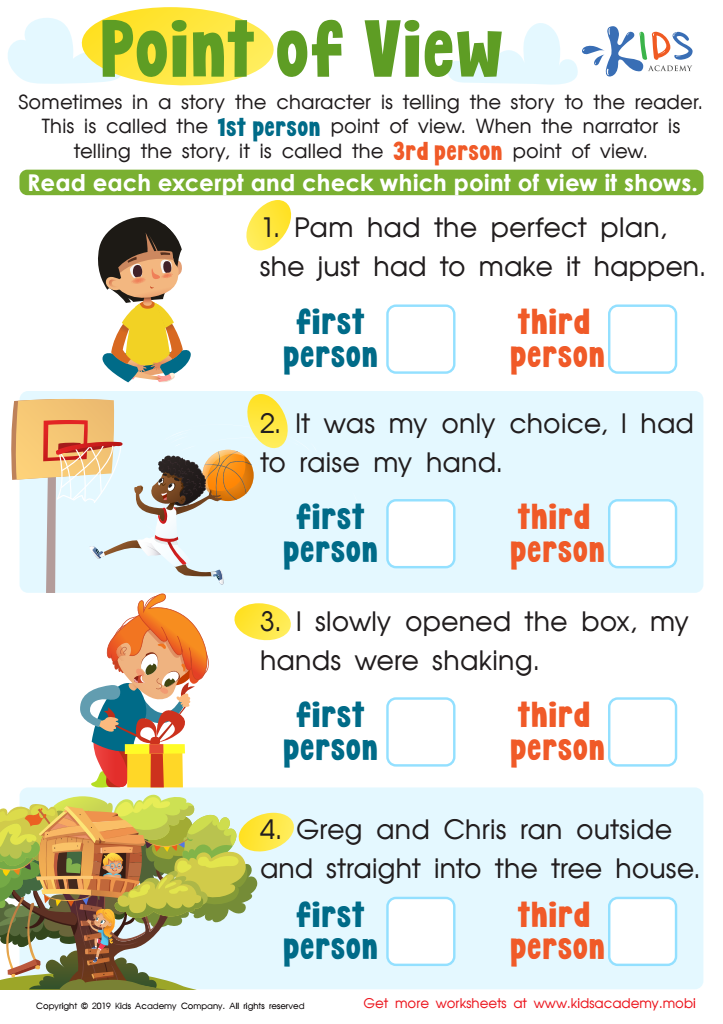
Point of View Printable
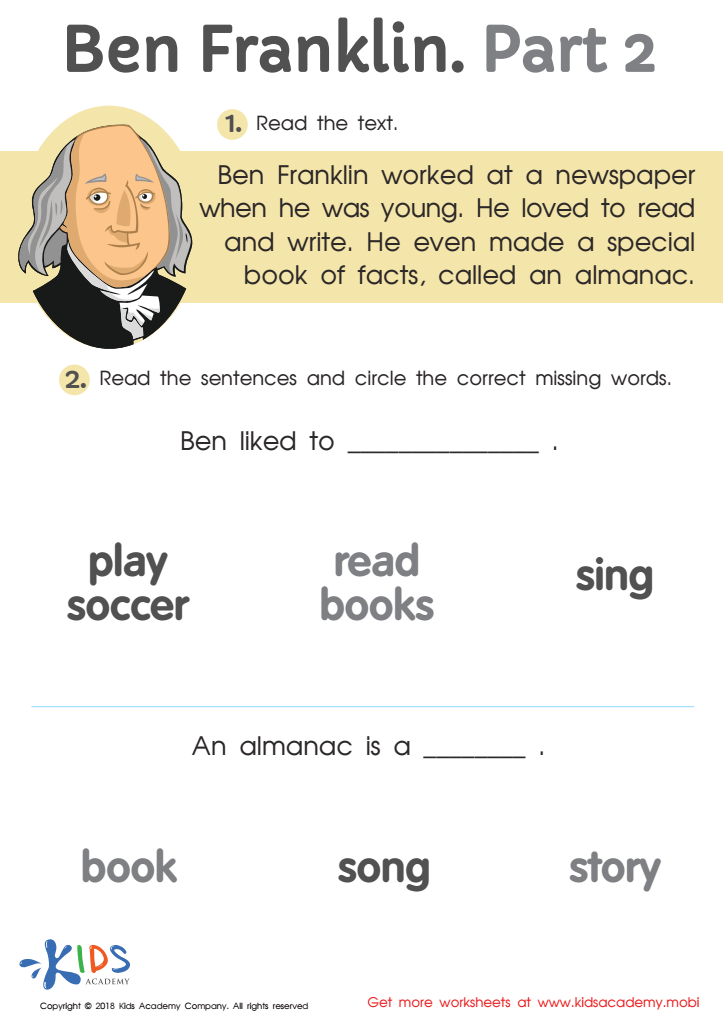
Ben Franklin Part 2 Worksheet








Comprehension skills in reading are essential for children ages 4-8, forming the foundation for their future academic success and general life skills. During these early formative years, children are not just learning to read; they are reading to learn. Strong comprehension abilities allow them to extract meaning, make inferences, and critically analyze the content they engage with. This sets the stage for effective learning across all subjects, as almost every academic discipline relies on the ability to comprehend and process written information.
Moreover, good reading comprehension skills can foster a deep love of reading and encourage lifelong learning. When children understand what they read, they are more likely to enjoy stories and information, which fuels their natural curiosity and desire to explore various topics. Additionally, strong comprehension supports vocabulary development, language skills, and cognitive growth.
Parents and teachers should prioritize comprehension skills to ensure children can fully benefit from their educational experiences. Strategies such as interactive read-alouds, discussions about the story, asking predictive and inferential questions, and connecting the reading material to the child's experiences can hugely benefit comprehension skills. Investing time and effort in enhancing these skills early on can result in positive long-term educational outcomes and a proactive, engaged learner.








