Fine Motor Skills Normal Reading Fiction Worksheets for Ages 4-8
3 filtered results
-
From - To
Discover engaging Fine Motor Skills Normal Reading Fiction Worksheets for children aged 4-8! These printable worksheets are designed to enhance fine motor development while fostering a love for reading. Each activity combines captivating stories with fun exercises, encouraging kids to practice writing, cutting, and coloring in a creative, educational context. With themes that resonate with young learners, these worksheets not only improve hand-eye coordination but also promote reading comprehension and imagination. Perfect for parents and educators, our resources provide a balanced approach to learning, ensuring that children develop crucial skills in a playful and enjoyable manner. Explore our collection today!

Twinkle Twinkle Little Star Coloring Page
 Assign to My Students
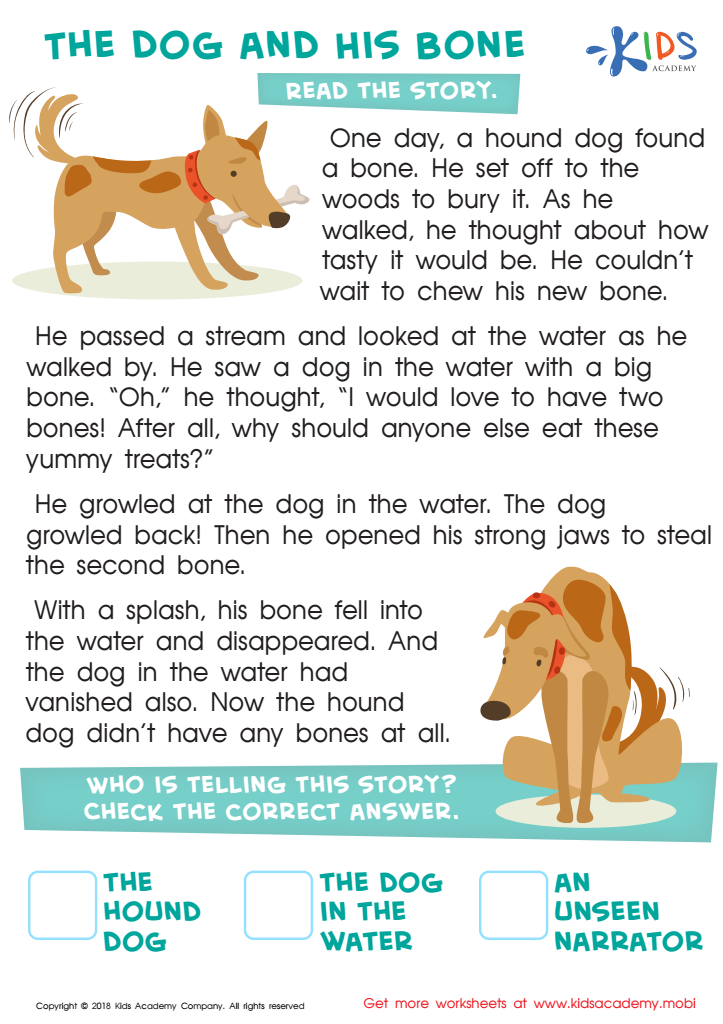
The Dog and His Bone Worksheet
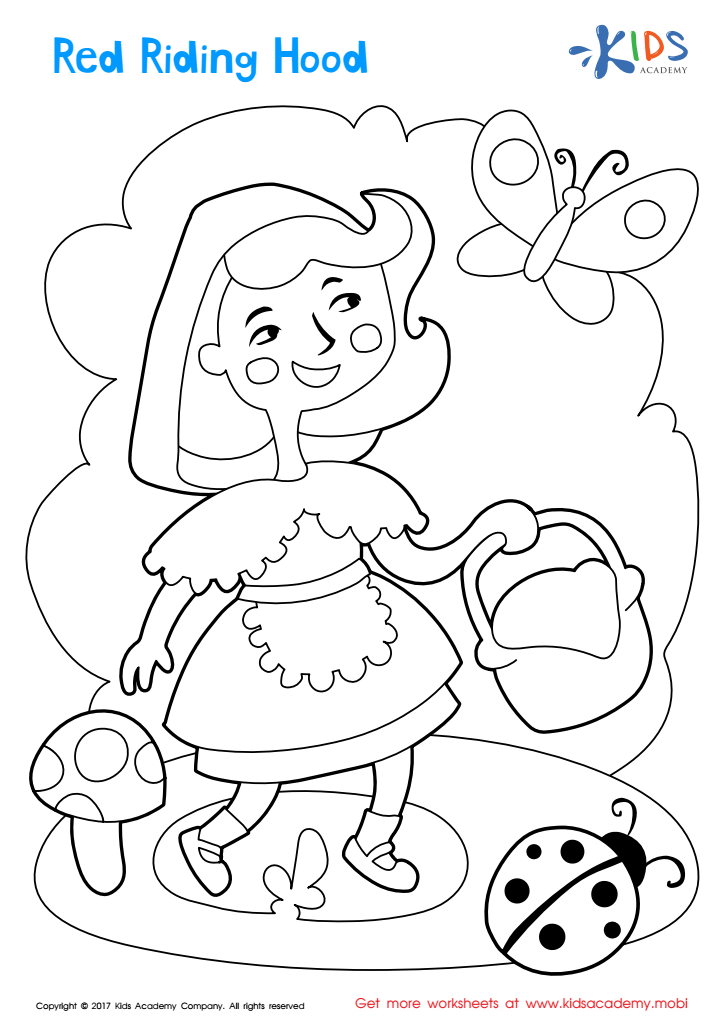
Red Riding Hood Coloring Page
Assign to My Students







.jpg)
Fine motor skills are crucial for children's overall development and play a significant role in their ability to engage with reading, especially when it comes to handling books and tools necessary for literacy activities. For children aged 4-8, these skills allow them to manipulate objects with precision, which supports activities like turning pages, writing letters, or using scissors. When children have strong fine motor skills, they are more likely to explore, create, and interact with their reading materials confidently.
Additionally, fine motor skills are closely linked to cognitive processes such as attention, hand-eye coordination, and spatial awareness. Engaging in activities that enhance these skills, like drawing or crafting, can facilitate better understanding and retention of the stories encountered in fiction. Moreover, as children express their thoughts through writing or art, imagination and comprehension deepen, fortifying their love for reading.
Parents and teachers should emphasize fine motor skill development as it not only boosts reading readiness but also sets the foundation for academic success across subjects. Promoting these skills through playful activities fosters a love for learning, ensuring children are equipped to become proficient readers and critical thinkers. Supporting this aspect of development is an investment in a child's future educational journey.







