Categorization skills Normal Animals Worksheets for Ages 4-8
3 filtered results
-
From - To
Enhance your child's learning journey with our "Categorization Skills Normal Animals Worksheets" designed for ages 4-8. These engaging worksheets introduce youngsters to the fascinating world of animals while promoting essential categorization skills. Perfect for home or classroom use, they allow children to group animals based on various attributes, fostering critical thinking and comprehension. With vibrant illustrations and interactive activities, kids will enjoy sorting animals by habitat, size, and type, making learning both fun and effective. These worksheets cater to different levels and ensure a comprehensive understanding of animal classification. Download now to support your child's educational growth!
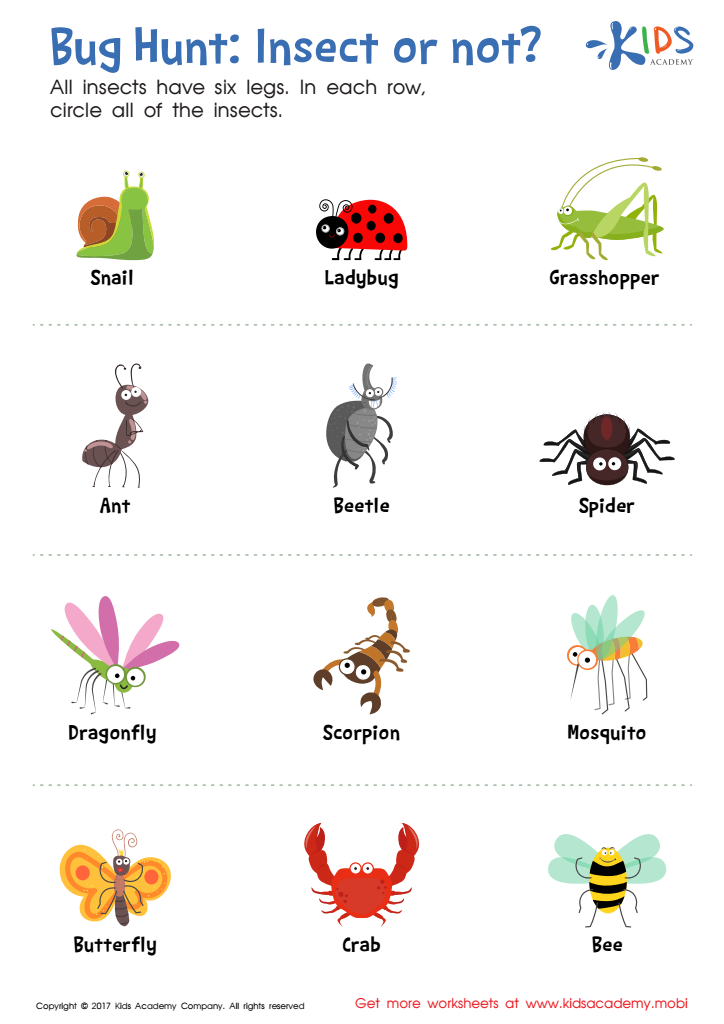
 Assign to My Students

Identifying Living or Non–living Worksheet
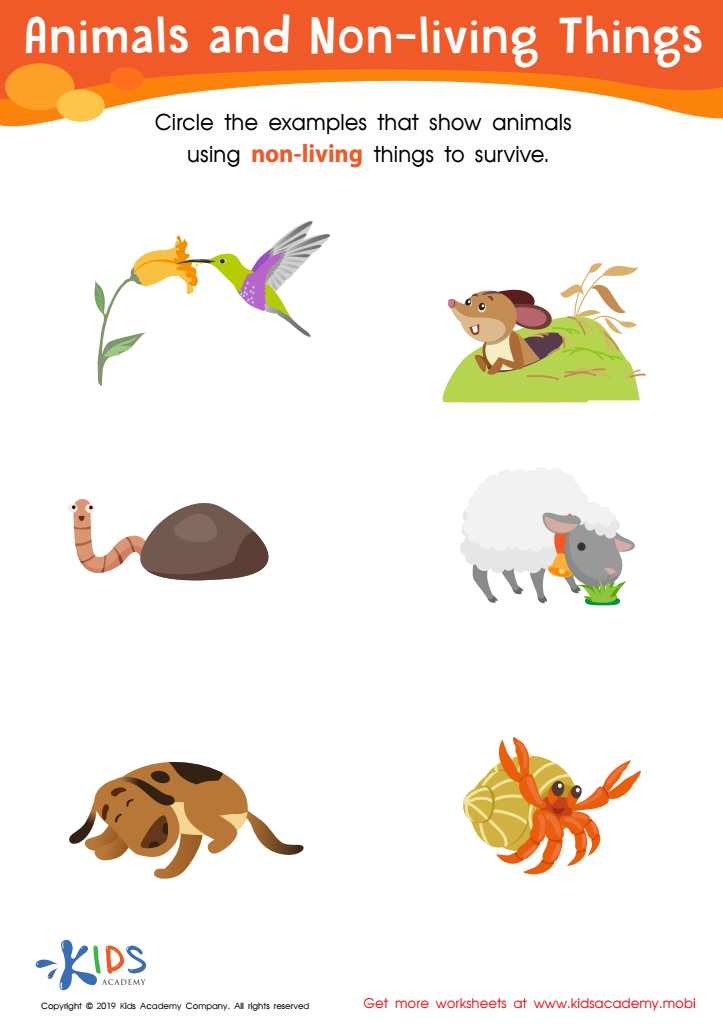
Animals and Non-Living Things Worksheet


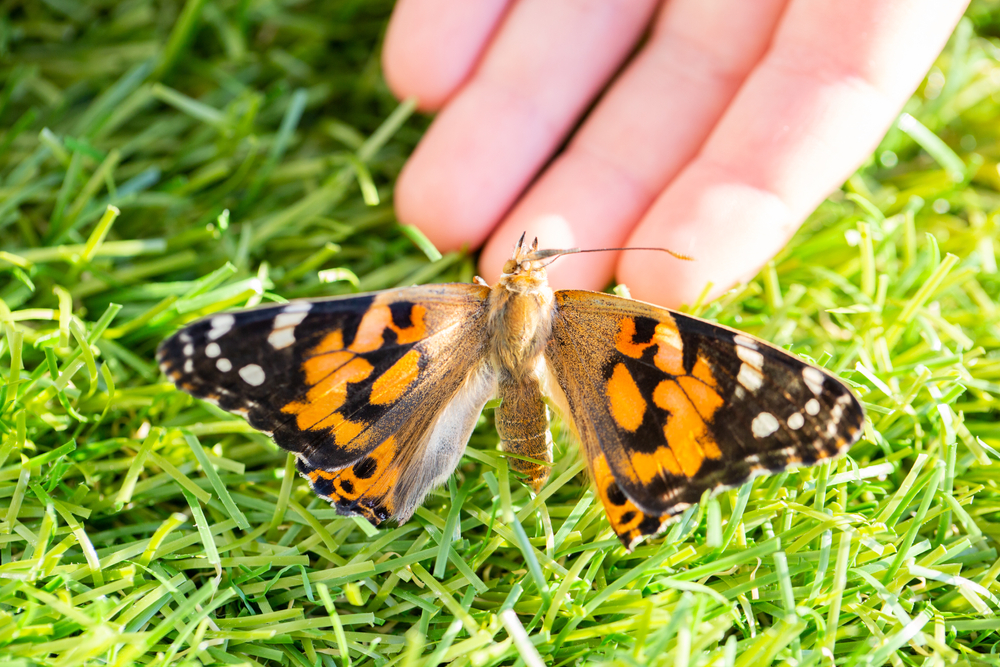



Categorization skills are vital for healthy cognitive and social development in children aged 4-8 years, especially when it comes to understanding normal animals. These skills help children classify and organize their experiences, enhancing their ability to make sense of the world around them.
When children categorize animals, they learn to identify similarities and differences, fostering critical thinking and reasoning skills. For instance, recognizing that both cats and dogs are pets but belong to different families allows children to develop logical reasoning abilities. This kind of abstraction lays the groundwork for more complex concepts in science and mathematics later on.
Moreover, understanding animal categories promotes vocabulary development. By learning terms like "mammals," "reptiles," or "birds," children expand their language skills while also deepening their comprehension of the natural world. Engaging in discussions about normal animals enhances communication skills, allowing children to express their ideas effectively.
Finally, categorization allows children to connect emotionally with the world. By learning about normal animals, children often develop empathy and understanding for living creatures, highlighting the importance of respect and care for nature. Consequently, parents and teachers should prioritize enhancing categorization skills, as they play a critical role in a child's learning journey and overall development.








