Filters

8 filtered results

Clear all filters
Favorites
With answer key
Interactive

8 filtered results

Difficulty Level

Grade


Discover our engaging Vocabulary Enhancement Normal Animals Worksheets designed specifically for children ages 4-8! These educational resources aim to boost language skills while exploring fascinating animal facts. Our worksheets encourage young learners to develop vocabulary related to various animals, promoting word recognition and comprehension through fun activities. With colorful illustrations and easy-to-follow exercises, children will enjoy learning about the animal kingdom. Perfect for classrooms or home learning, these worksheets are an excellent tool for supporting literacy and science education. Enhance your child's vocabulary and inspire a love for animals today with our thoughtfully crafted worksheets!

Check out this FREE Trial Lesson on Animals for age 4-8!

Animal Habitats

Favorites
With answer key
Interactive
  • 4-8
  • Vocabulary enhancement
  • Animals
  • Normal
Animals and Their Young Worksheet

Animals and Their Young Worksheet

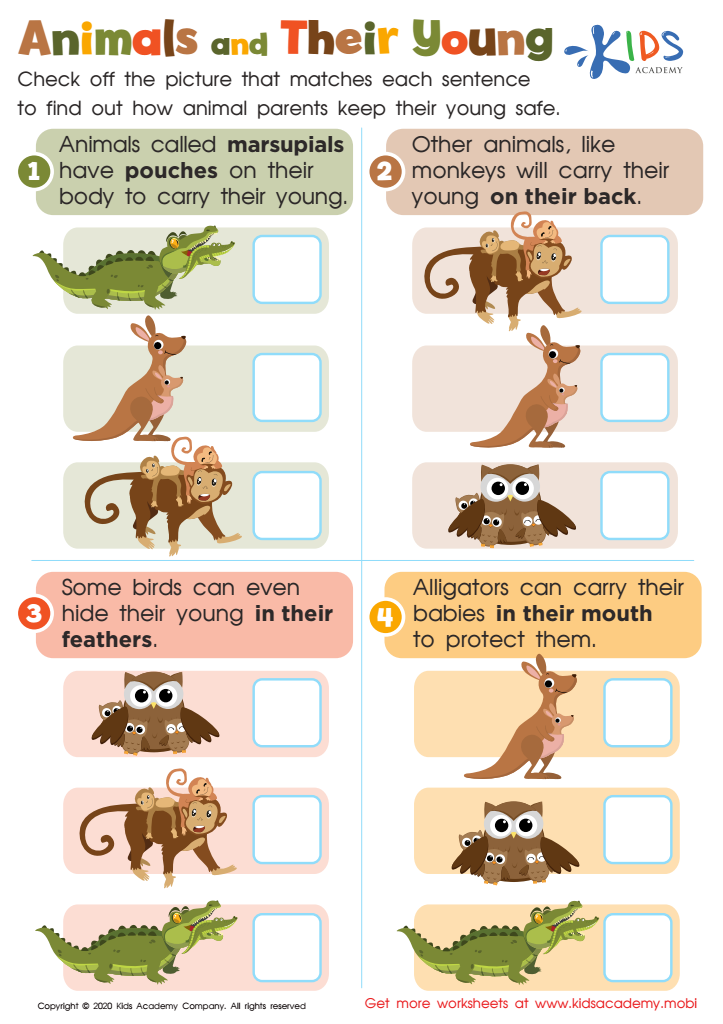
Help your child learn more about the animal kingdom with this cute science worksheet! They'll find out how animals protect and keep their babies close. From pouches to hitching a ride on mama’s back, they'll read the sentence above each illustration and select the description that fits. Check off the correct description as they go - a fun and educational activity!
Animals and Their Young Worksheet
Worksheet
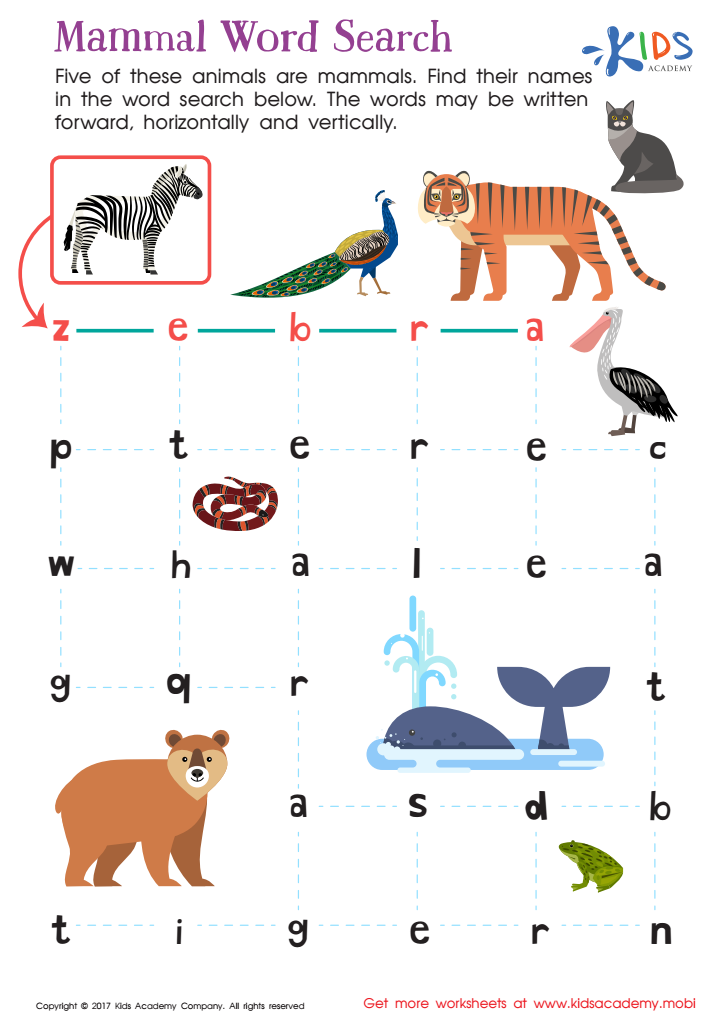
Free printable mammal word search

Printable Mammal Word Search

Second graders can enjoy new discoveries and adventures every day with a free printable mammal word search. They'll be tasked to find 5 mammals from a given list, making learning fun and efficient!
Printable Mammal Word Search
Worksheet
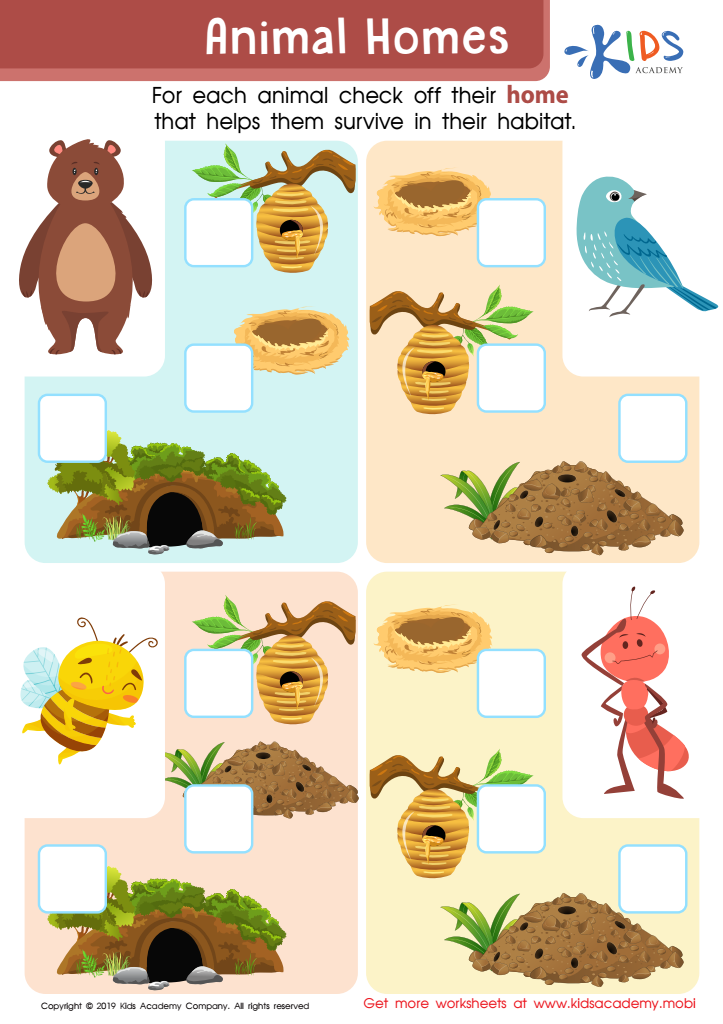
Animal Homes Worksheet
Animal Homes Worksheet
It's your duty as a teacher to protect, direct and guide your students while they're at school. Ask your kindergartners what a home means and why it's special. Use this worksheet to teach them that both people and animals have homes. Show them the pictures, and have them check off which is the home of each animal.
Animal Homes Worksheet
Worksheet
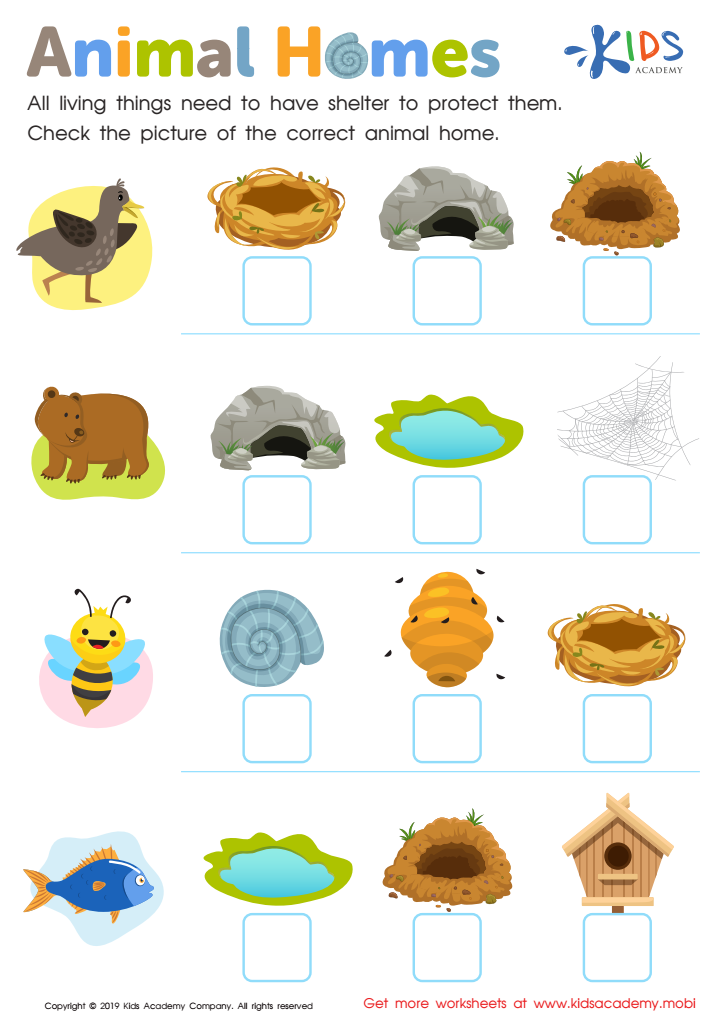
Animal Homes Worksheet

Animal Homes Worksheet

Students have homes where they can do things they love, sleep and stay safe from bad weather. Check the worksheet for animals and their shelters. Ask your kids to identify each and match the animal home to the picture. (80 words)
Animal Homes Worksheet
Worksheet
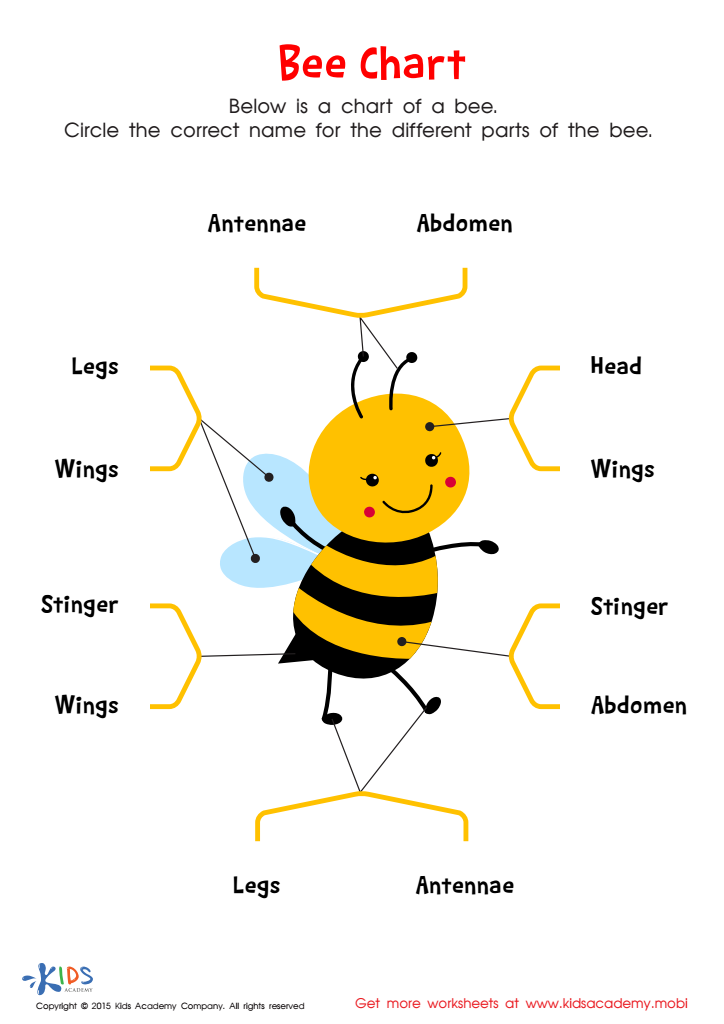
Delightful Bee Anatomy Worksheet

Bee Chart Worksheet

Bee Chart Worksheet
Worksheet
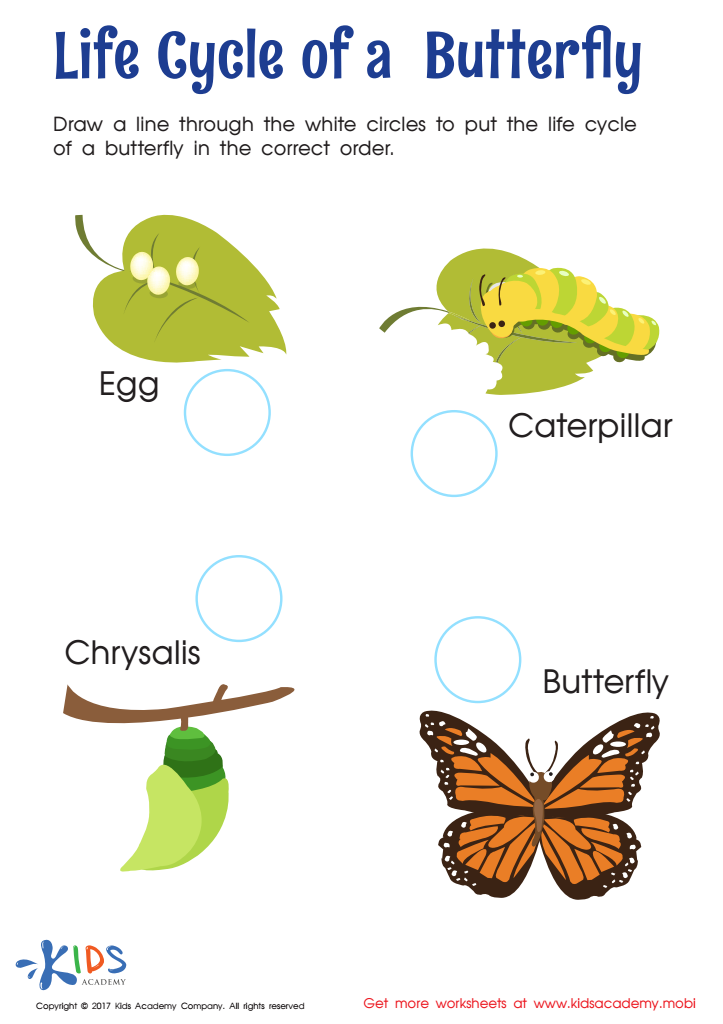
Life cycle of a butterfly worksheet pdf

Life Cycle of Butterfly Worksheet

Kids Academy offers an exciting activity – a Life Cycle of a Butterfly Worksheet PDF. It shows four stages in the lifecycle of a butterfly with vivid pictures. Kids put the stages in the correct order to study the lifecycle.
Life Cycle of Butterfly Worksheet
Worksheet
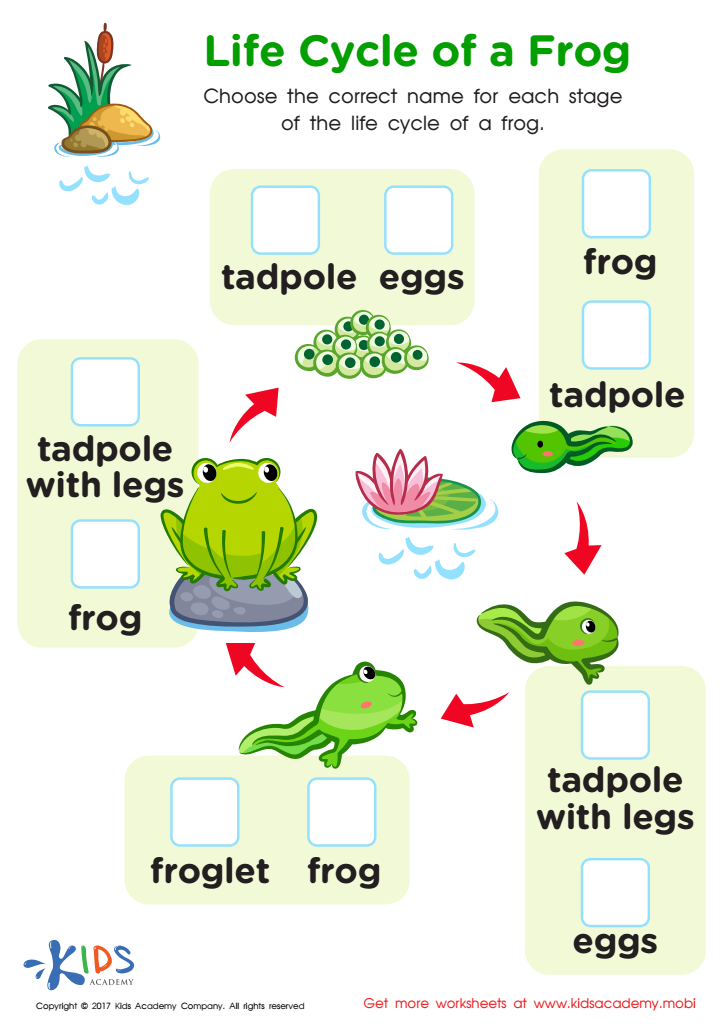
Life Cycle Frog Printable

Life Cycle Frog Printable

Kids can explore the life cycle of frog with this fun worksheet! Draw lines from one stage to the next to follow the transformation from tadpole to frog and learn about the cycle of life.
Life Cycle Frog Printable
Worksheet
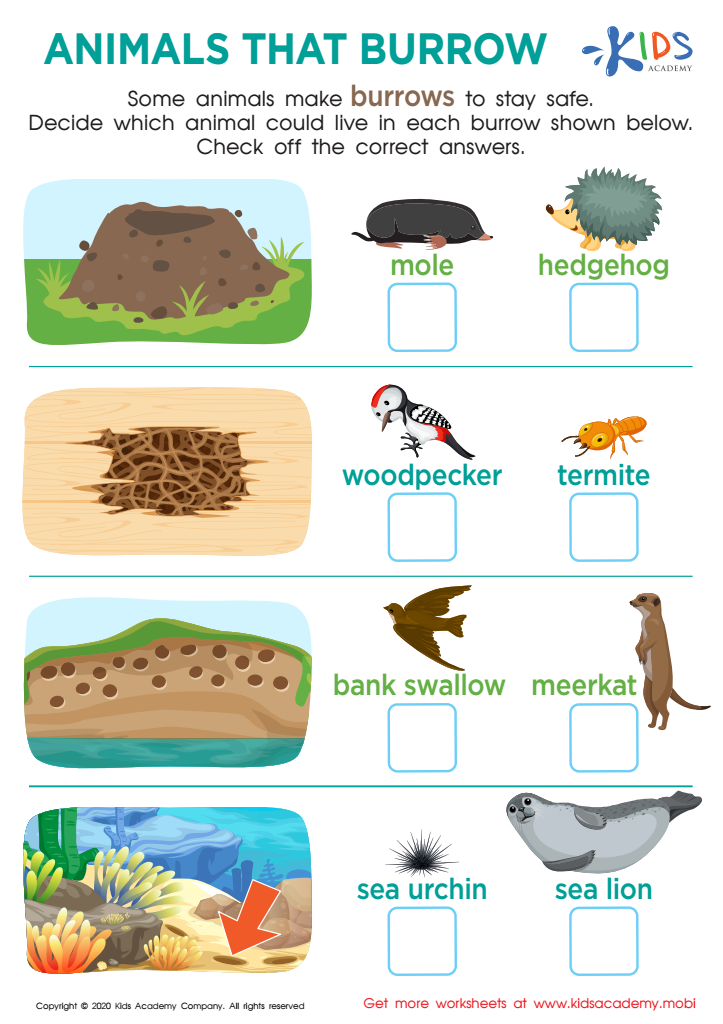
Animals That Burrow Worksheet

Animals That Burrow Worksheet

Teach your little one about animal protection with this Kids Academy PDF worksheet! Help them read the description of burrowing animals, then check off the pictures to discover which ones hide in holes. It's an exciting way to learn about the fascinating ways animals keep themselves safe from predators.
Animals That Burrow Worksheet
Worksheet


Vocabulary enhancement through the introduction of normal animals for children aged 4-8 is crucial for several reasons. First, this age group is at a pivotal stage in language development, where they are expanding their understanding of the world. Teaching them vocabulary related to animals not only enriches their language skills but also nurtures their cognitive growth. By learning about common animals, children become familiar with names, characteristics, and behaviors, which can ignite their curiosity and encourage further exploration of nature and science.

Furthermore, language proficiency is linked to academic success. Building a strong vocabulary foundation can enhance reading comprehension, writing skills, and effective communication, all of which are necessary for future learning.

Additionally, discussions about normal animals promote emotional intelligence and empathy. Understanding different creatures allows children to relate, respect, and empathize with living beings, fostering social skills and compassionate behavior.

Finally, incorporating fun and engaging material about animals invites parents and teachers to create a positive learning environment, making vocabulary lessons enjoyable and memorable. Overall, kindergarten and early primary education can set the stage for lifelong learning, curiosity, and respect for the world around them.