Comparative analysis Normal Science Worksheets for Ages 4-8
3 filtered results
-
From - To
Unlock the wonders of science for young learners aged 4-8 with our "Comparative Analysis Normal Science Worksheets." Designed to encourage critical thinking, these engaging worksheets introduce children to the fascinating world of comparison in a fun and age-appropriate way. With captivating visuals and interactive exercises, kids will explore similarities and differences in various scientific concepts, fostering curiosity and comprehension. Perfect for classroom or at-home learning, our resources promote essential skills while making science accessible and enjoyable. Dive into the exciting realm of normal science and watch your child's analytical abilities soar with these thoughtfully crafted worksheets!
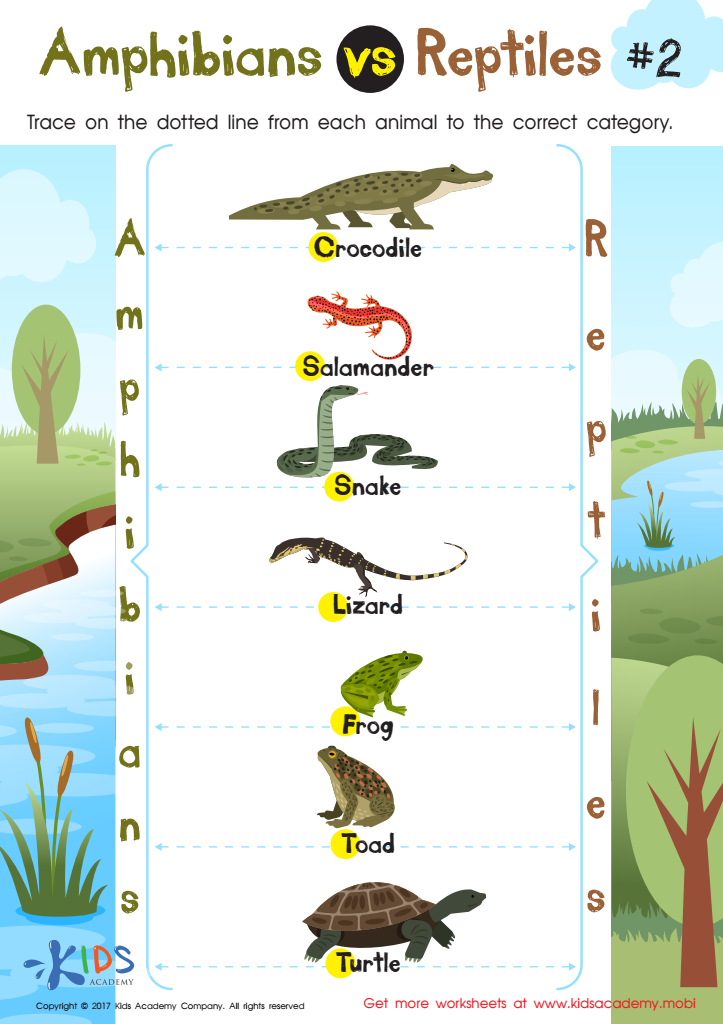
Amphibians vs Reptiles Worksheet for 3rd Grade
 Assign to My Students
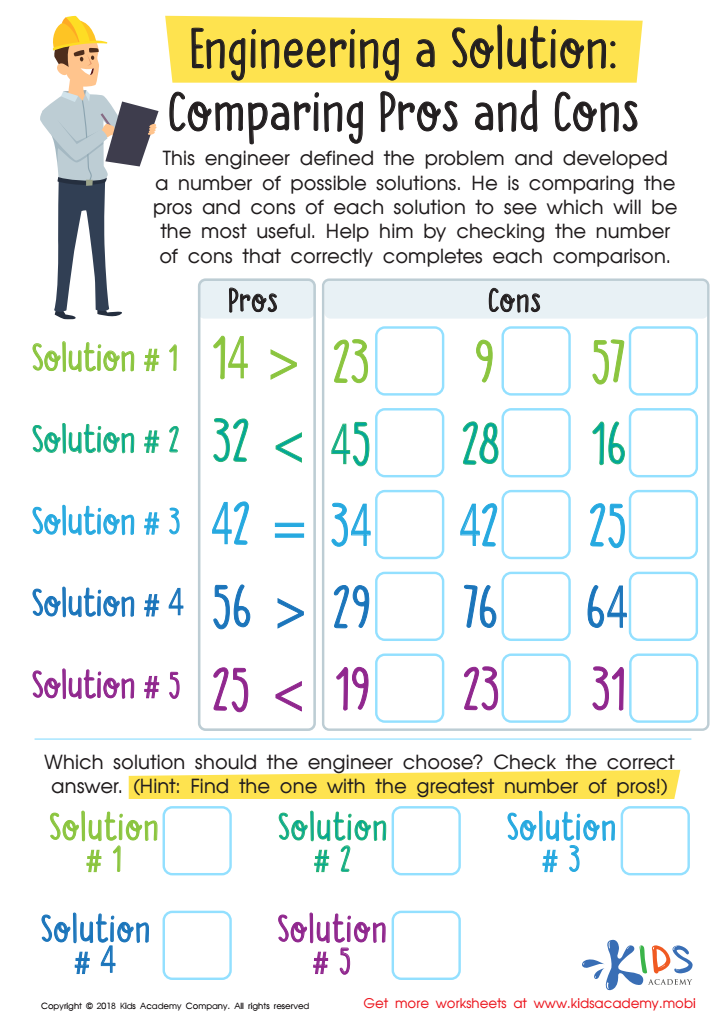
Engineering a Solution: Comparing Pros and Cons Worksheet
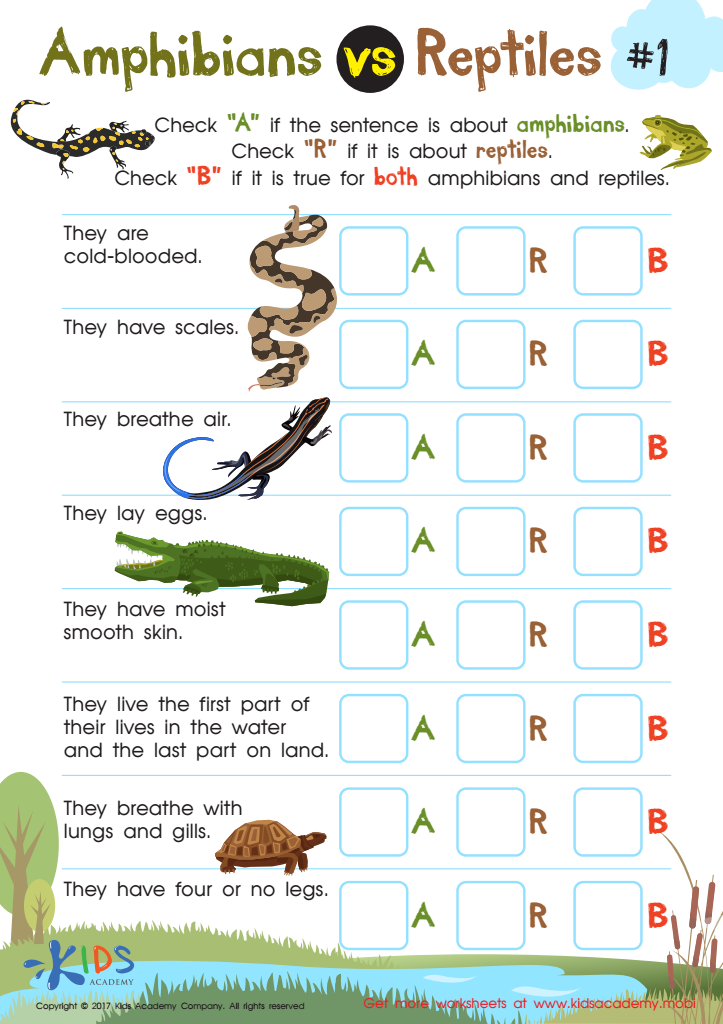
Amphibians vs Reptiles Worksheet






Comparative analysis in normal science is vital for parents and teachers working with children aged 4-8 as it fosters critical thinking and a deeper understanding of the world. During these early years, children are naturally curious, and exposing them to comparative analysis helps them explore concepts by examining similarities and differences among objects, ideas, and even living beings. This process enhances their observational skills and promotes a systematic way of thinking.
In addition, engaging children in comparative activities encourages collaboration and discussion, allowing them to articulate their thoughts and build effective communication skills. These skills are essential as they navigate their social environments and start to form their own ideas about various topics.
Furthermore, comparative analysis lays the groundwork for scientific inquiry, inspiring young learners to ask questions, form hypotheses, and seek evidence. By instilling an appreciation for scientific exploration early on, parents and teachers are equipping children with the tools needed for lifelong learning.
Ultimately, integrating comparative analysis in education not only supports academic growth but also nurtures creativity and problem-solving abilities, which are critical in our increasingly complex world. Therefore, promoting this understanding in early education is crucial for holistic child development.







