
Critical thinking skills Normal Plants and Animals Worksheets for Ages 4-8
3 filtered results
Difficulty Level
Grade
Age
-
From - To
Subject
Activity
Standards
Discover our engaging "Critical Thinking Skills Normal Plants and Animals Worksheets" designed for children aged 4-8. These worksheets help young learners explore the fascinating world of plants and animals while developing essential critical thinking skills. Each activity encourages students to observe, analyze, and draw conclusions about their environment, fostering a deeper understanding of nature. With a variety of colorful, fun, and interactive exercises, children will enhance their problem-solving abilities and creativity while enjoying the learning process. Perfect for both home and classroom use, these worksheets support early science education and help cultivate inquisitive minds ready to delve into the wonders of the natural world.
Favorites
With answer key
Interactive
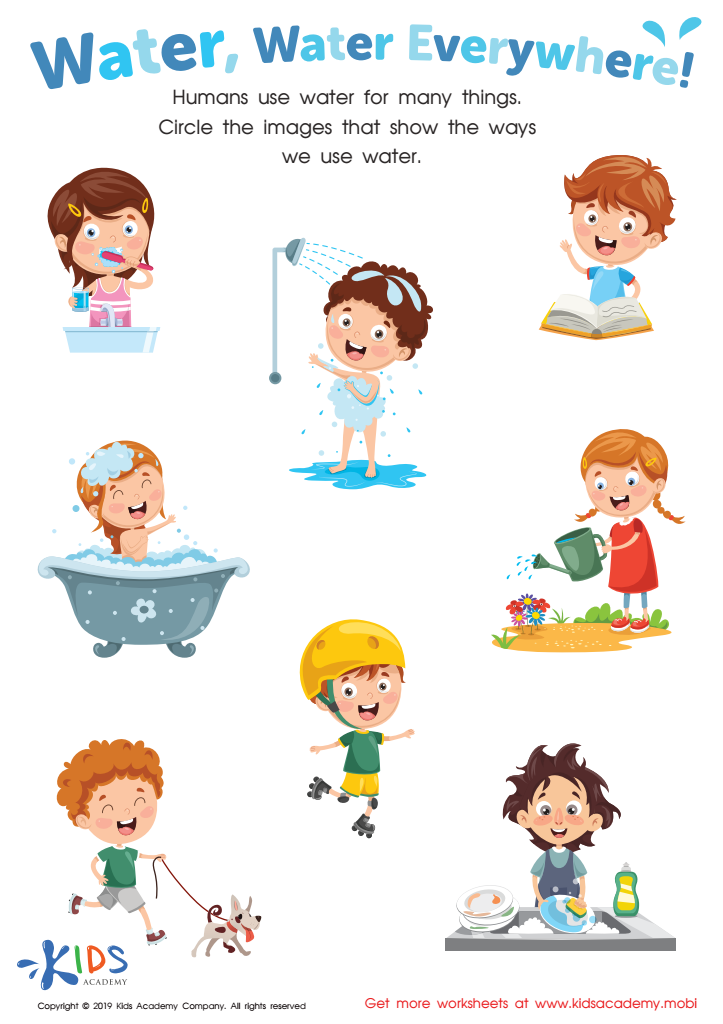
Water, Water Everywhere! Worksheet
Ask your kids how we use water daily. Point out how vital it is to the environment, as many living things couldn't exist without it. Show them this worksheet with kids doing different things that involve water. Ask them to identify what each one is doing, then help them circle the images which show the ways we use the water.
 Assign to My Students
Water, Water Everywhere! Worksheet
Worksheet











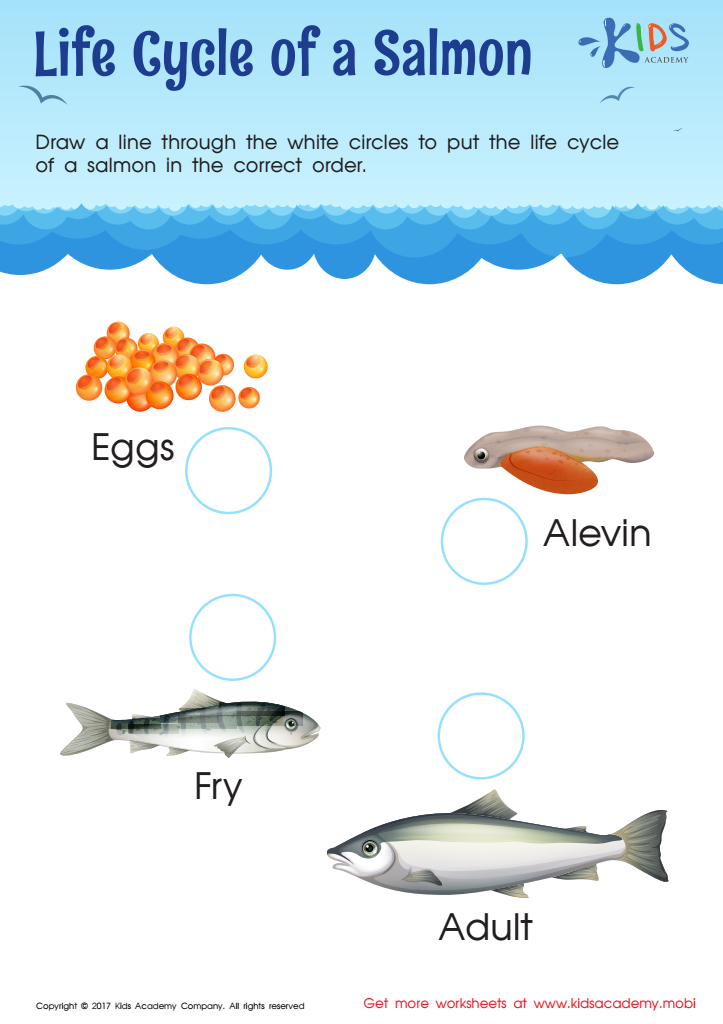
Cycle Of Salmon Worksheet
Explore the life cycle of a salmon with this grade 2 worksheet! Kids will learn by arranging the stages of the salmon's lifecycle in order. Science activities in this set cover a wide range of lifecycles in nature.
Cycle Of Salmon Worksheet
Worksheet
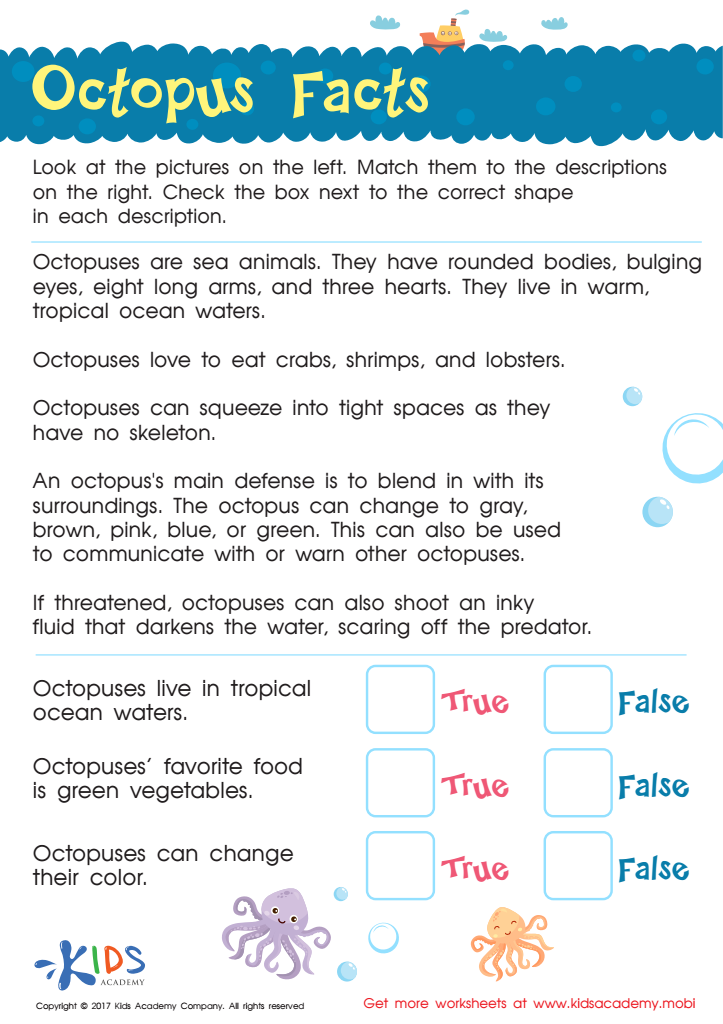
Octopus Facts Worksheet For Kids
Let your child dive into the world of octopuses with this fun worksheet. It offers invaluable practice in reading non-fiction texts, while they learn interesting facts about these strange sea creatures. It's a great way to help them hone their skills in reading comprehension.
Octopus Facts Worksheet For Kids
Worksheet
Join Kids Academy for Free
Who is primarily going to use this learning content?








Parents and teachers should prioritize critical thinking skills in children aged 4-8 when exploring topics like normal plants and animals because these abilities lay the foundation for lifelong learning. From an early age, developing critical thinking encourages curiosity and enables children to ask questions, make observations, and draw conclusions about the natural world around them.
Understanding plants and animals helps children recognize relationships in ecosystems, fostering their appreciation for biodiversity. Engaging with these subjects can stimulate imaginative thinking—encouraging children to imagine how plants and animals interact within their environments, which is a crucial part of scientific literacy.
Additionally, early exposure to critical thinking about biological concepts can improve problem-solving skills, helping children make informed decisions in everyday life—whether choosing nutritious foods or caring for pets. Instruction that encourages analysis, evaluation, and creativity provides a supportive framework for children to better articulate their thoughts and understand diverse viewpoints.
Moreover, instilling these skills fosters emotional intelligence and social awareness, as children learn to investigate and respect the world around them. Ultimately, when parents and teachers advocate for the development of critical thinking skills in contexts like normal plants and animals, they prepare children to thrive as knowledgeable, thoughtful citizens.







