Learning about ecosystems Normal Plants and Animals Worksheets for Ages 4-8
3 filtered results
-
From - To
Explore the fascinating world of ecosystems with our engaging "Normal Plants and Animals Worksheets" designed for children aged 4-8. These worksheets provide an interactive and fun way to learn about various ecosystems, the roles of plants and animals, and their interdependence. Featuring colorful illustrations and age-appropriate activities, your little learners will enjoy identifying different species, understanding their habitats, and discovering the importance of biodiversity. Perfect for classrooms or home education, these resources facilitate hands-on learning and nurture a love for nature. Download now and embark on an exciting journey to explore our planet’s incredible ecosystems with your young explorers!
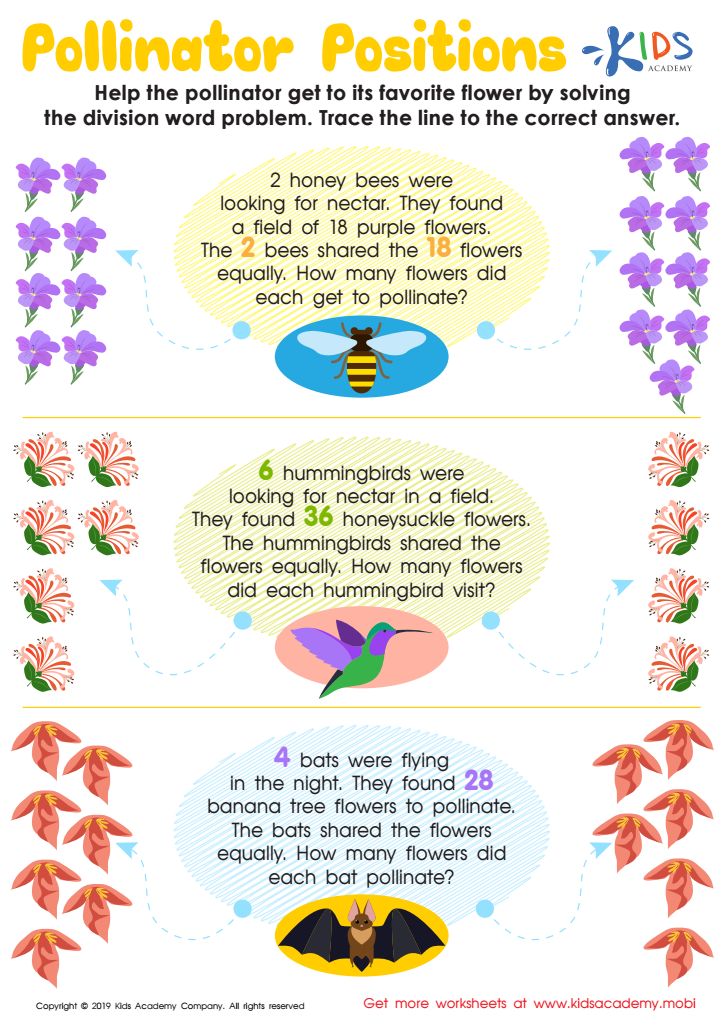
Pollinator Positions Worksheet
 Assign to My Students

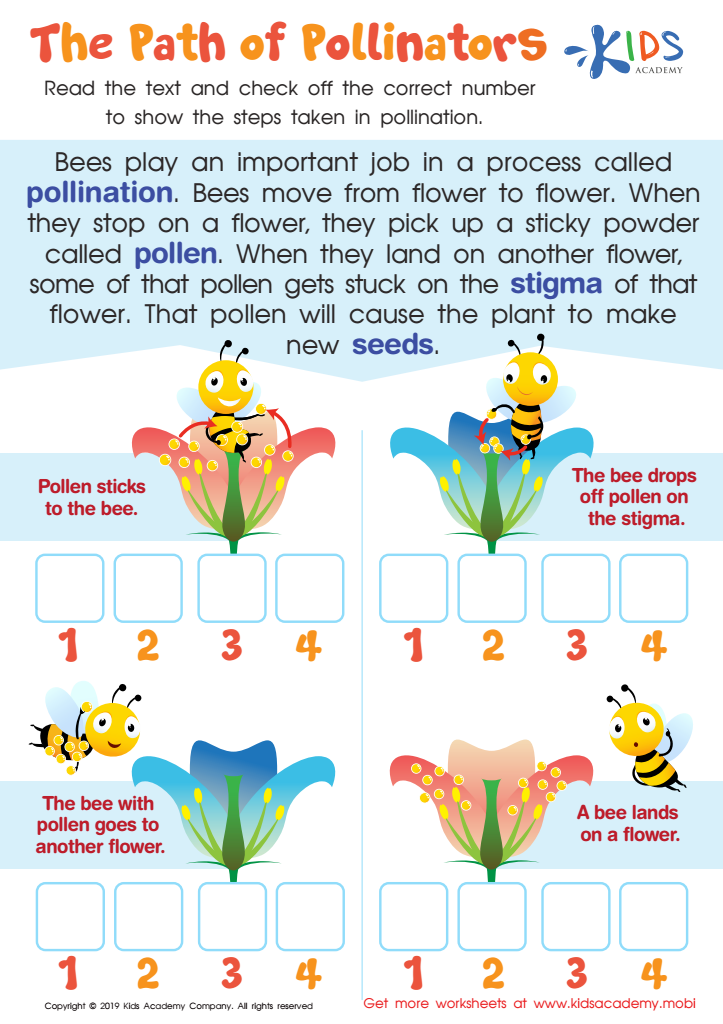
The Path of Pollinators Worksheet
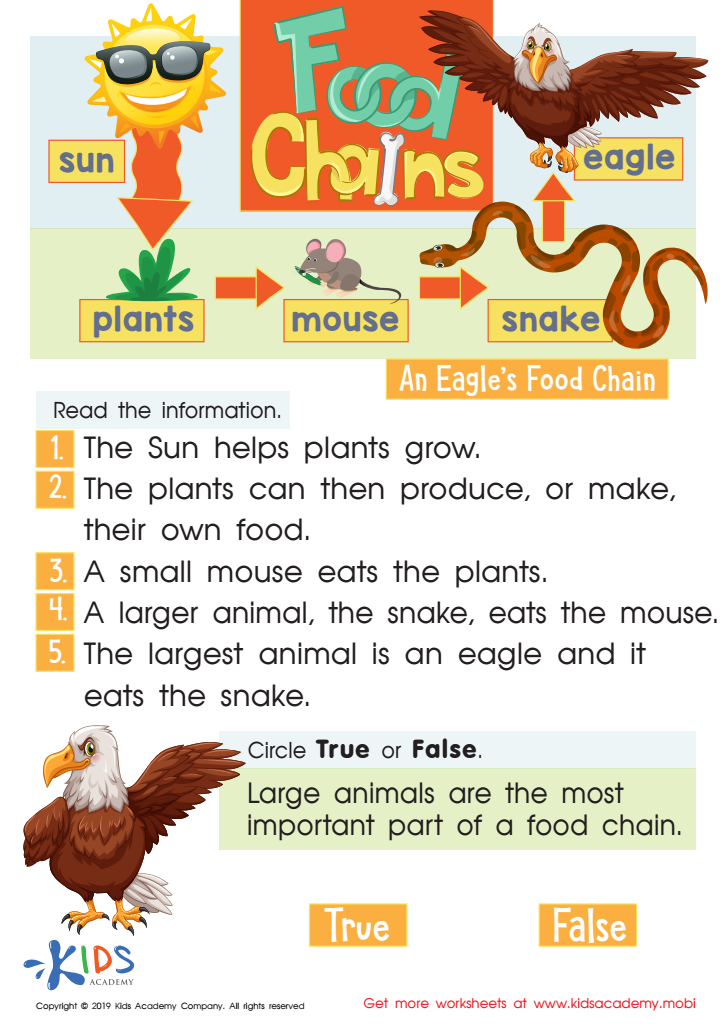
Food Chains Worksheet




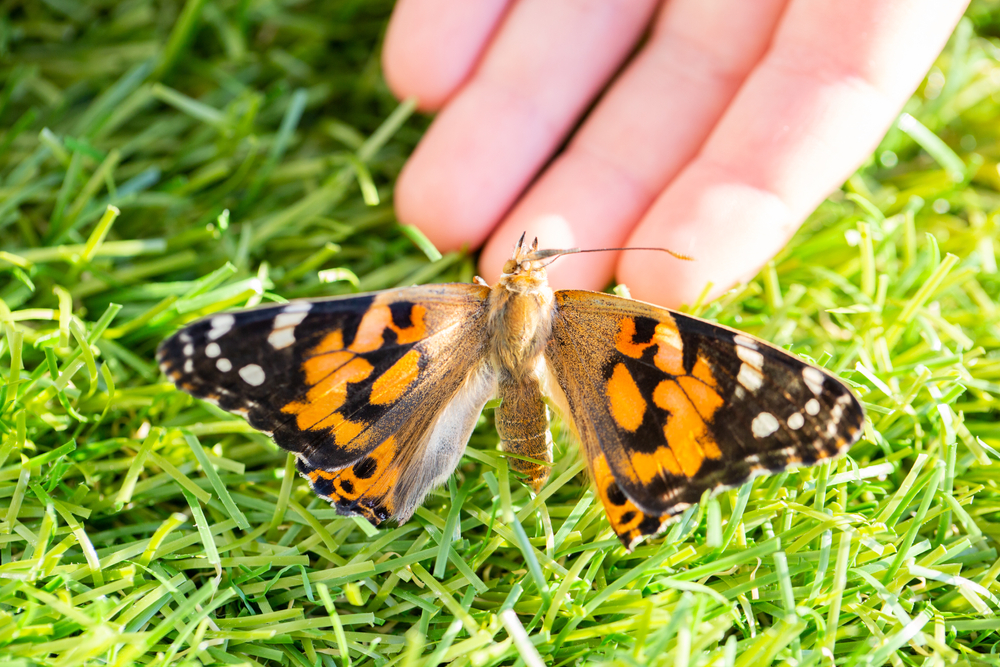



Parents and teachers should prioritize learning about ecosystems and the role of normal plants and animals for children aged 4-8 for several compelling reasons. First, early exposure to these concepts fosters a foundational understanding of nature and the interconnectedness of living organisms. At this stage, children are naturally curious, making it an ideal time to cultivate their interest in the environment.
Understanding ecosystems helps children appreciate biodiversity, teaching them the importance of respecting and protecting all forms of life. This awareness nurtures empathy and responsibility, instilling values that lead to environmentally conscious behavior as they grow. Learning about plants and animals also promotes critical skills such as observation, inquiry, and scientific thinking, which are essential for academic success.
Furthermore, engaging with nature can improve children's well-being, enhancing their emotional and cognitive development. Outdoor experiences stimulate creativity, support physical health, and can reduce stress. By incorporating lessons on ecosystems into their education, parents and teachers empower children to explore and engage with the world around them, fostering lifelong learners who are equipped to tackle environmental challenges in the future. Ultimately, understanding ecosystems is vital for nurturing informed, caring individuals who positively impact their surroundings.







