Vocabulary enhancement Normal Geography Worksheets for Ages 4-8
7 filtered results
-
From - To
Enhance your child's vocabulary with our engaging Normal Geography Worksheets designed specifically for ages 4-8! These worksheets combine fun activities with foundational geography concepts, allowing young learners to explore the world around them. Through colorful illustrations and interactive challenges, children will expand their vocabulary as they learn about maps, landforms, ecosystems, and cultures. Our user-friendly worksheets promote cognitive development while fostering a love for learning. Perfect for home or classroom use, these resources support early education and provide essential skills for future academic success. Unlock your child's potential with our captivating geography vocabulary worksheets today!
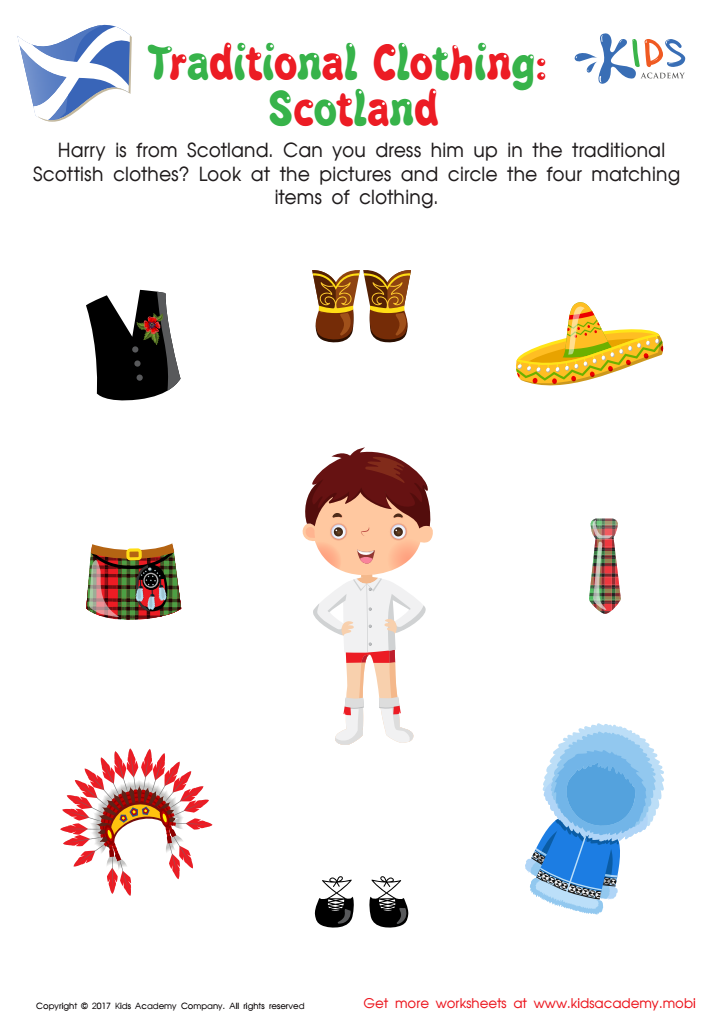
Traditional Clothing in Scotland Worksheet
 Assign to My Students
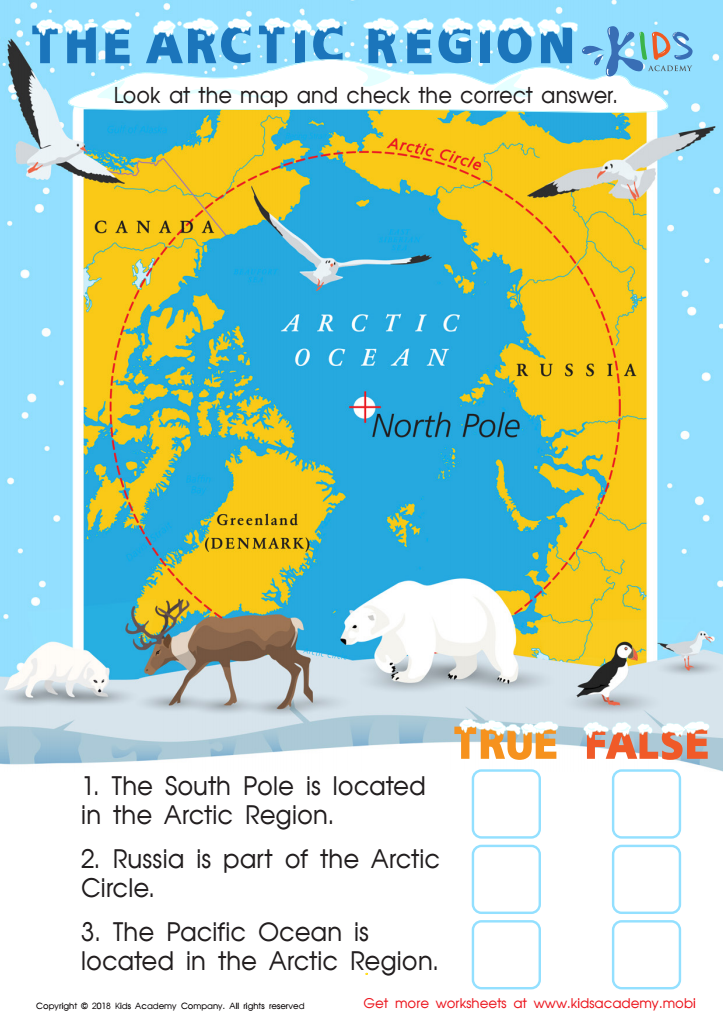
The Arctic Region Worksheet
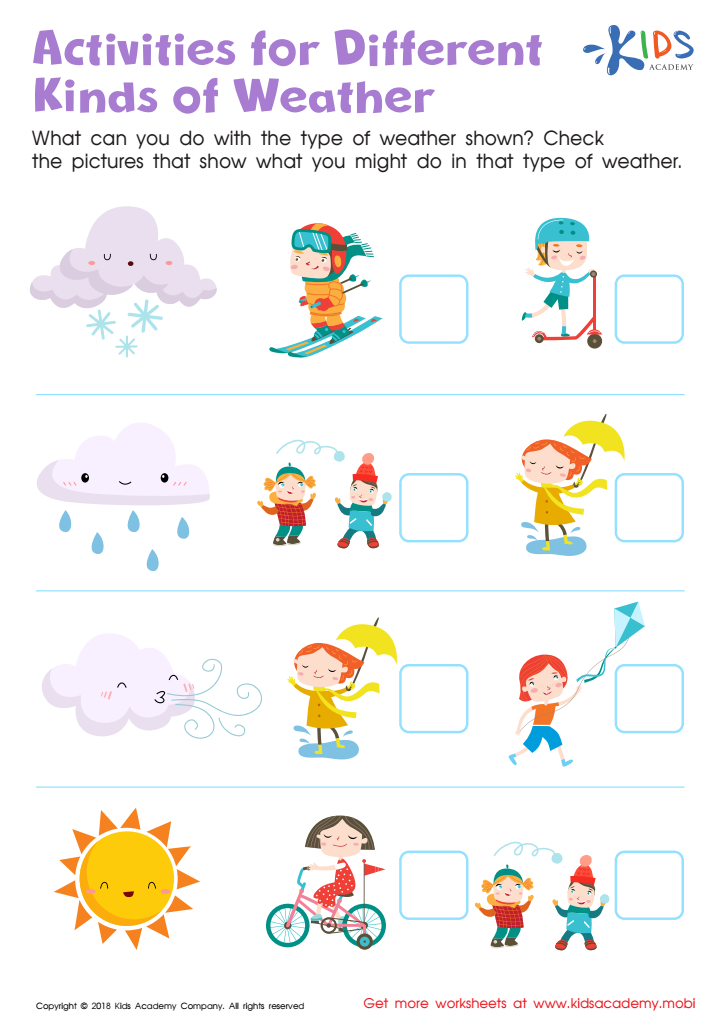
Activities for Different Kinds of Weather Worksheet
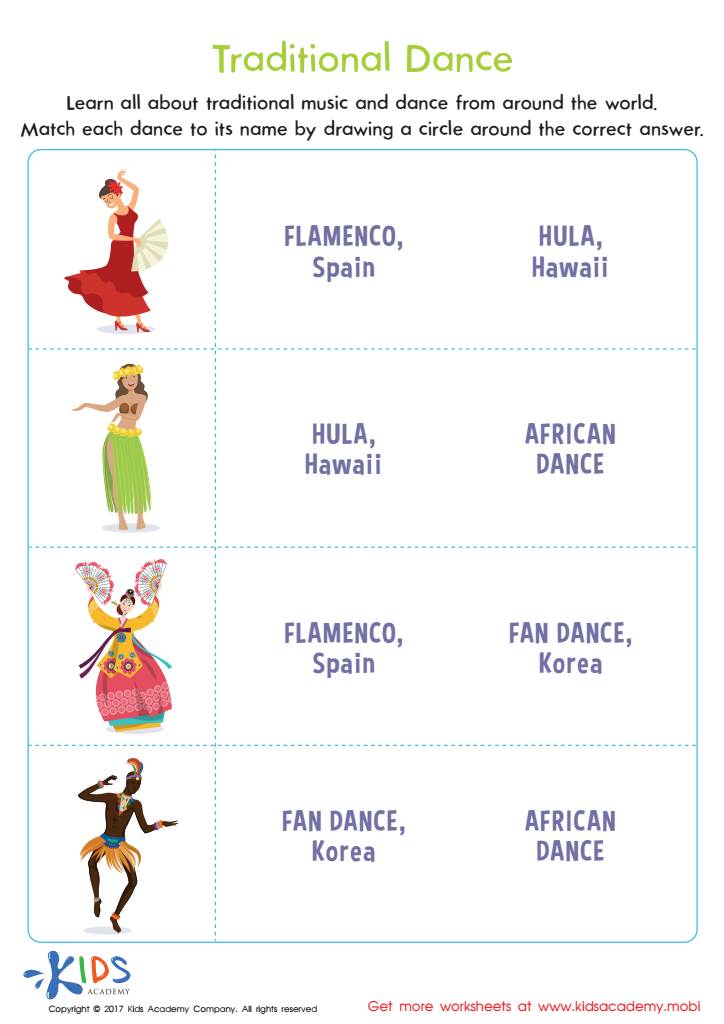
Traditional Dance Printable
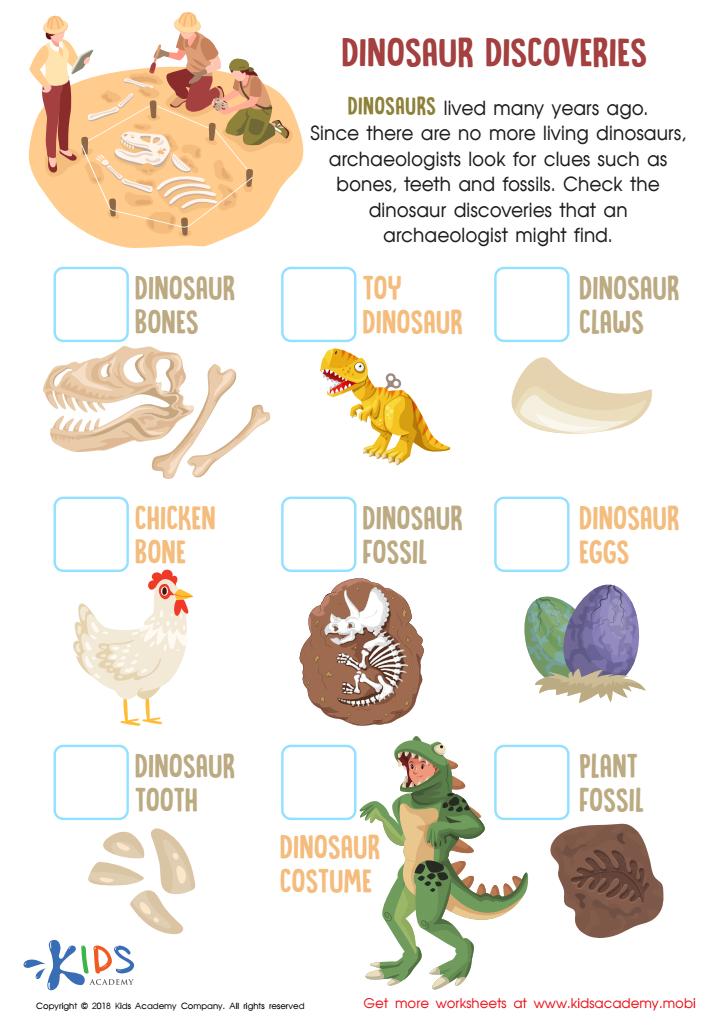
Dinosaur Discoveries Worksheet
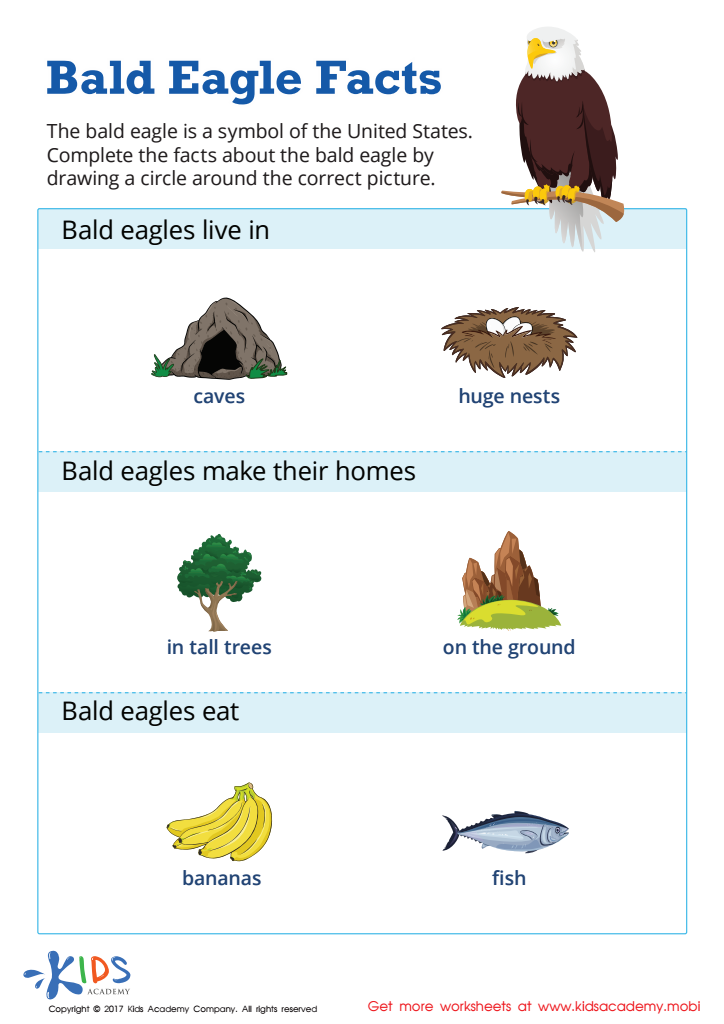
Bald Eagle Facts Worksheet
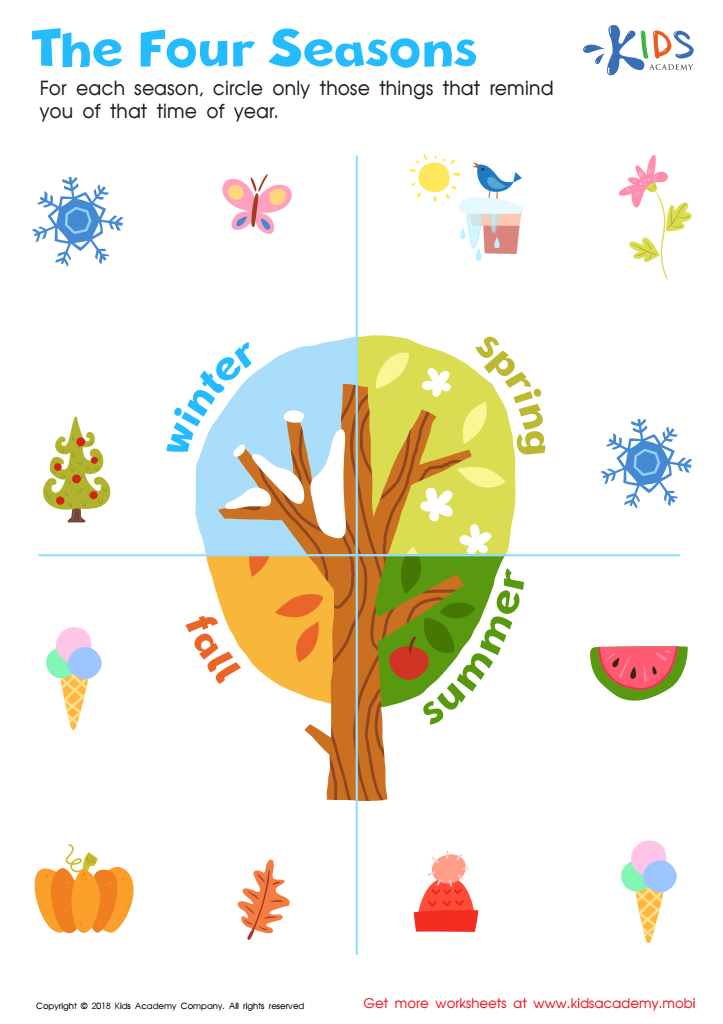
The Four Seasons Worksheet







Vocabulary enhancement in normal geography for children aged 4-8 is crucial for several reasons. At this foundational stage, children's cognitive and language skills are rapidly developing, and rich vocabulary supports their ability to articulate thoughts, understand concepts, and engage with the world around them. A robust geographical vocabulary allows young learners to describe their environment, identify places, understand basic geographical terms, and develop spatial awareness.
For parents and teachers, fostering vocabulary in geography not only enhances children's comprehension of their surroundings but also aids in their overall language development. Engaging them in discussions about maps, natural features, communities, and cultures cultivates curiosity and critical thinking. This enrichment empowers children to ask questions, express their ideas, and build connections between their experiences and the content they learn.
Moreover, introducing geographical vocabulary sets the groundwork for future academic success across subject areas. The ability to comprehend and use geography-related terms contributes to better performance in school, enhances reading comprehension, and prepares children for more advanced studies.
In summary, enhancing vocabulary in normal geography is an essential step in early education, helping children communicate effectively, think critically about their world, and preparing them for lifelong learning.








