Normal Governance and Civics Worksheets for Ages 4-8 - Page 2
41 filtered results
-
From - To
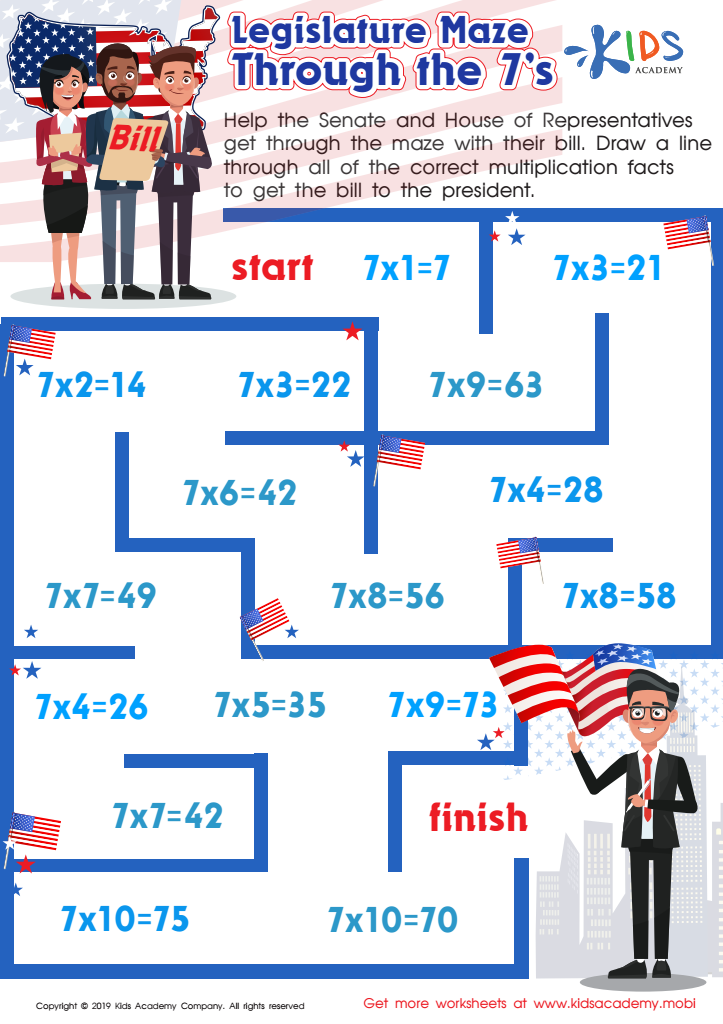
Legislature Maze Through the 7’s Worksheet
 Assign to My Students
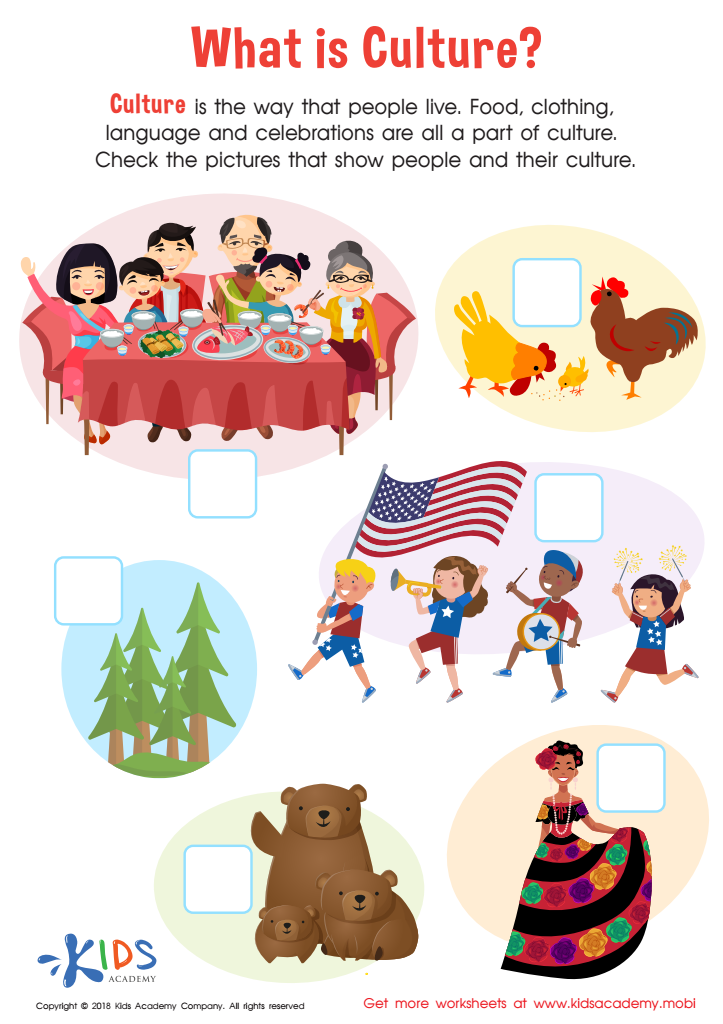
What Is Culture? Worksheet
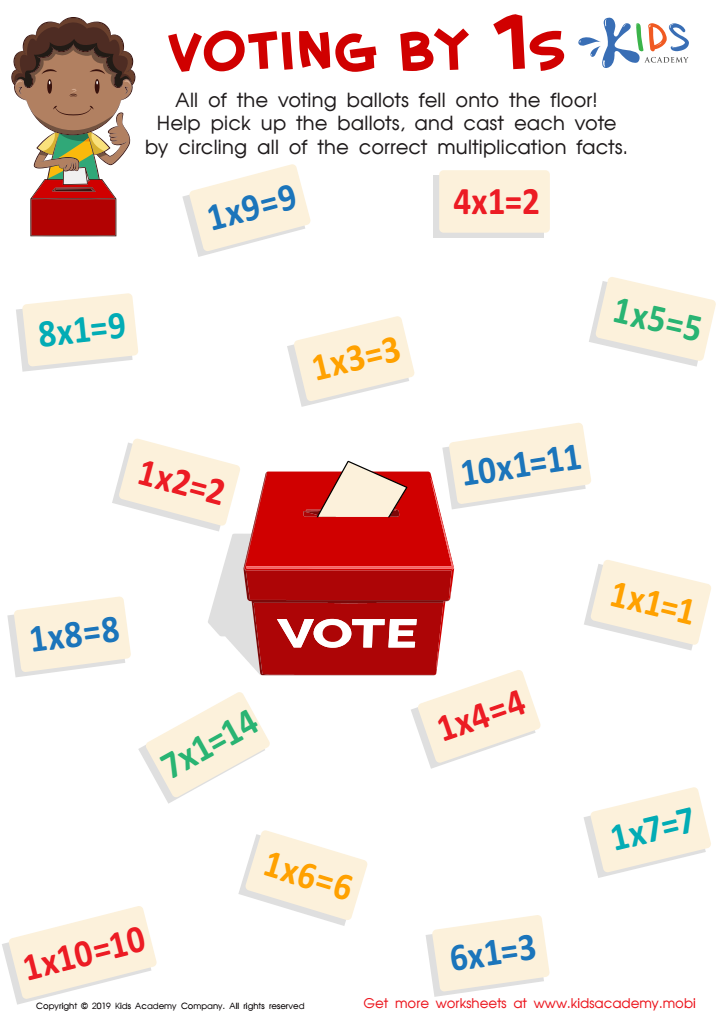
Voting by 1s Worksheet
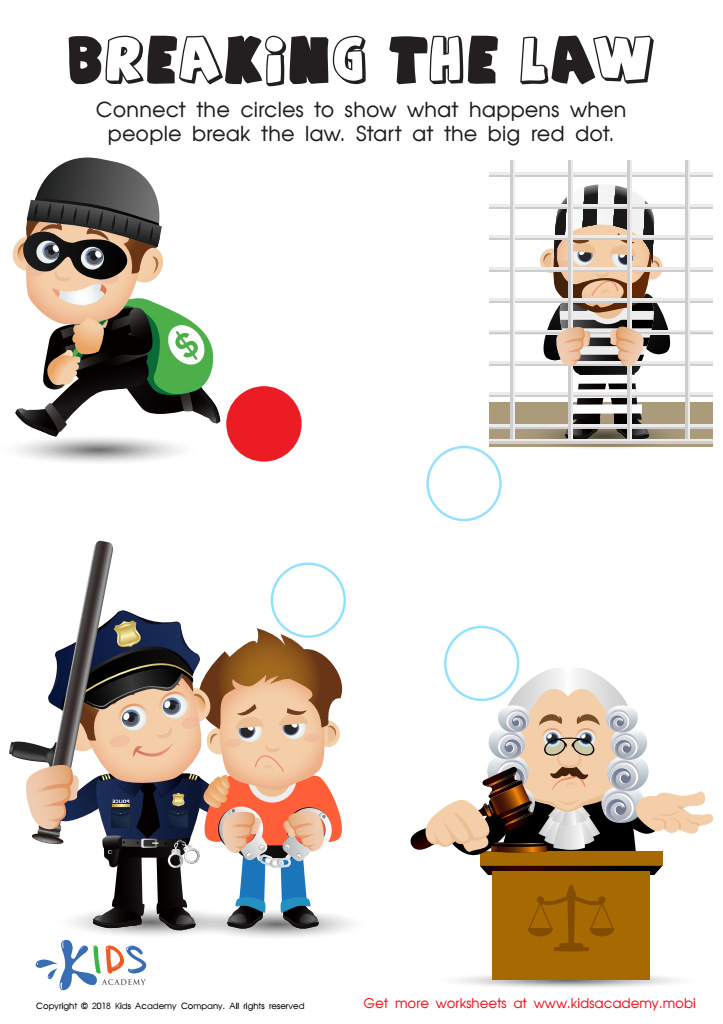
Breaking the Law Worksheet
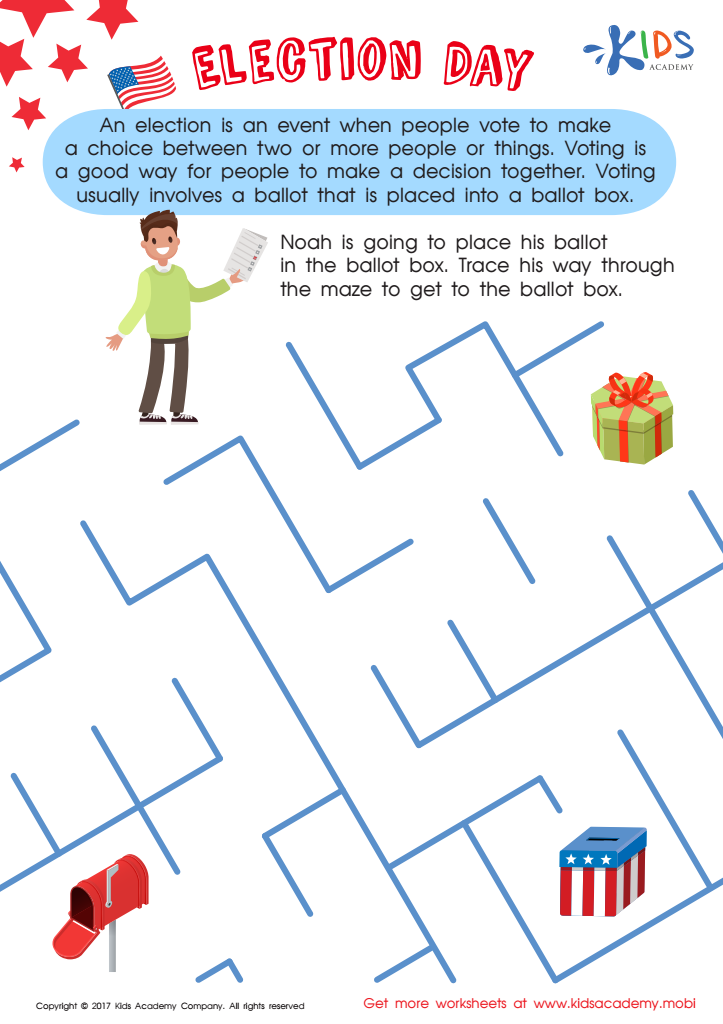
Election Day Worksheet
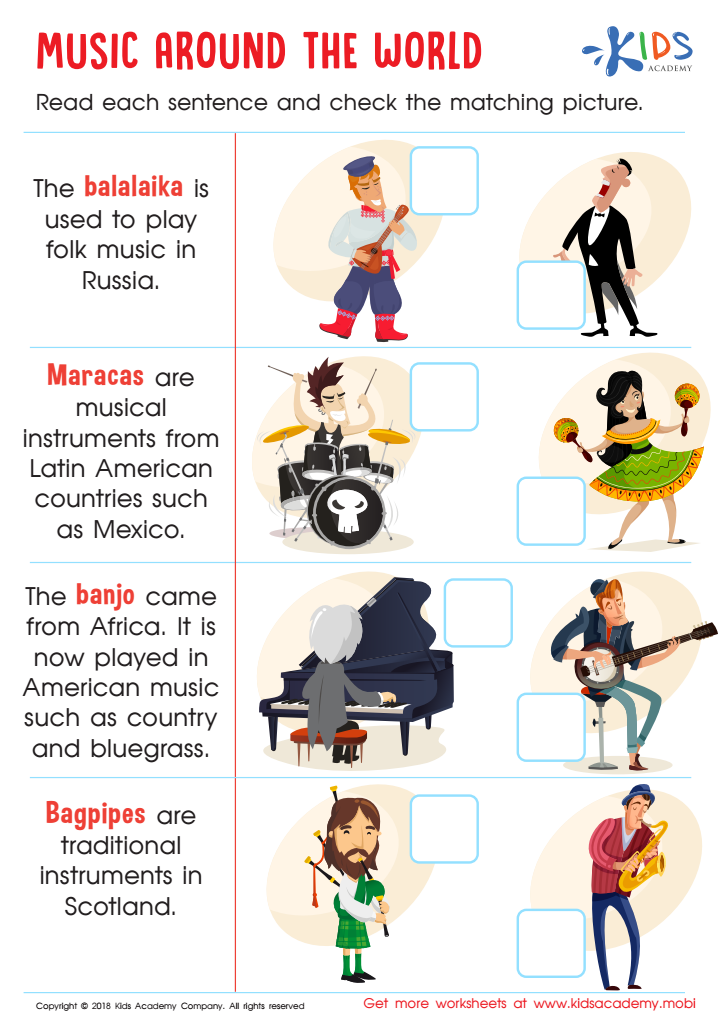
Music Around the World Worksheet
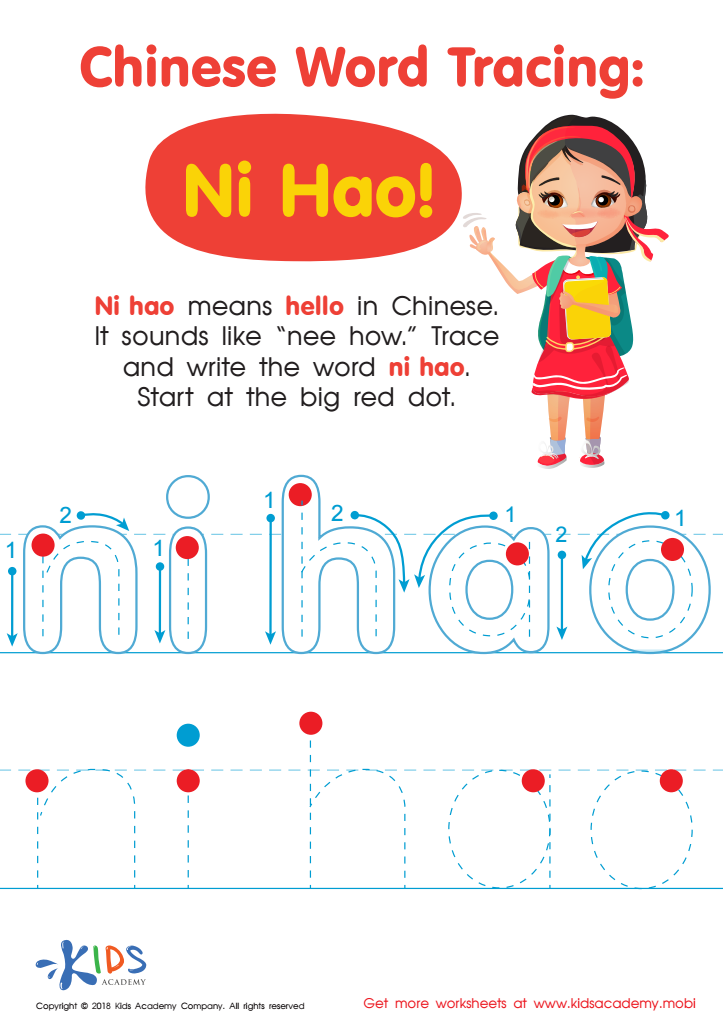
Chinese Word Tracing: Ni Hao Worksheet
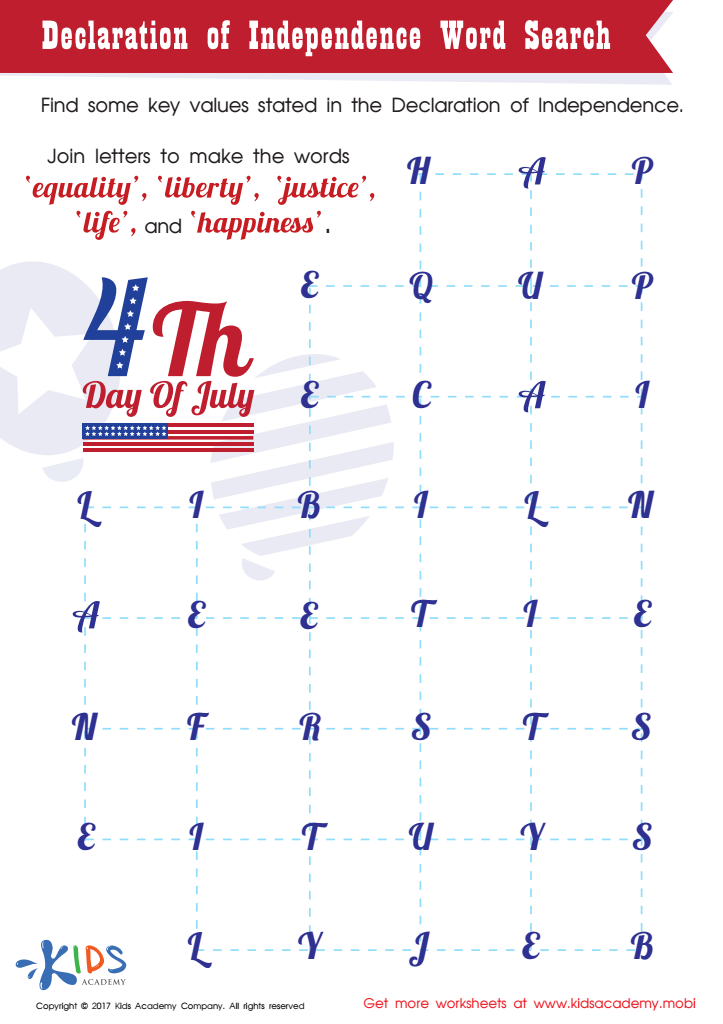
Declaration of Independence Word Search Printable
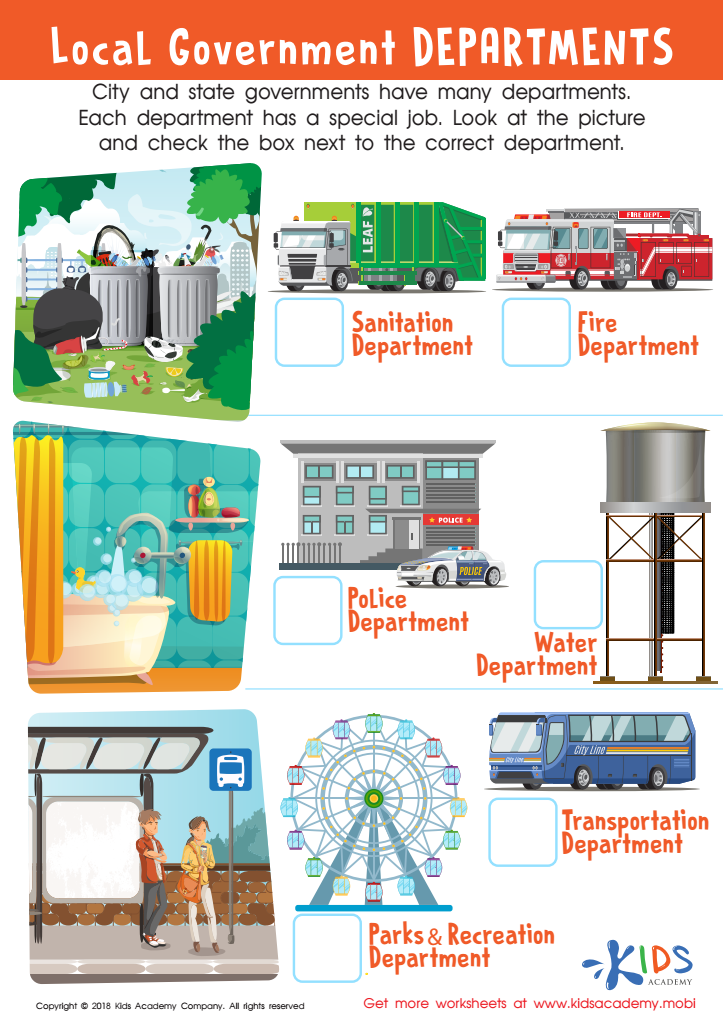
Local Government Departments Worksheet
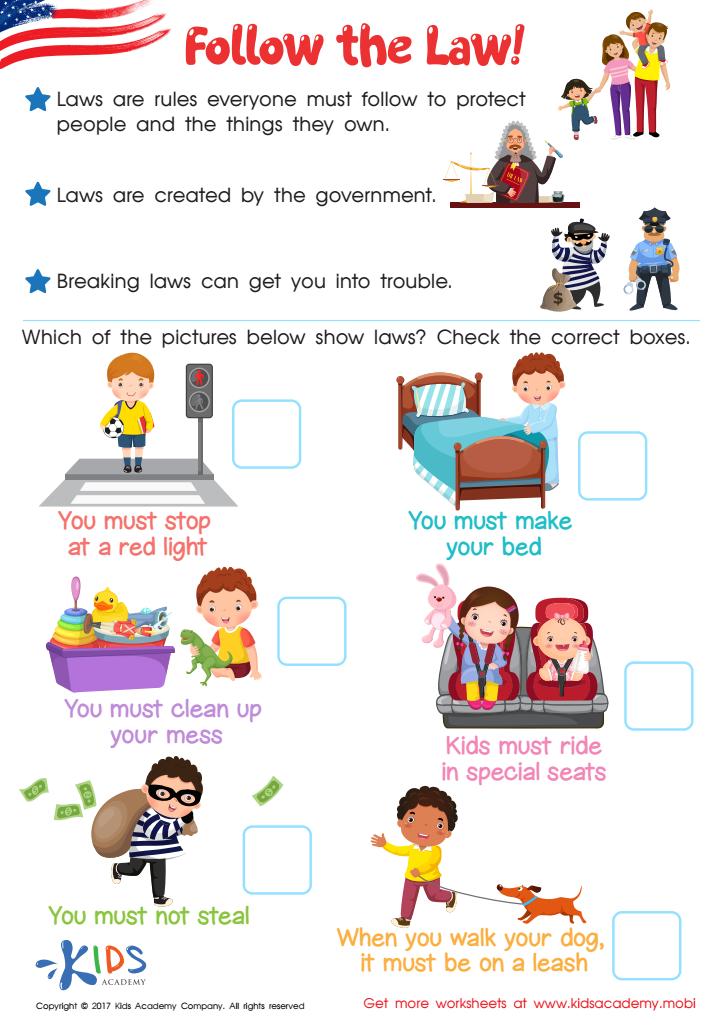
Follow the Law Worksheet
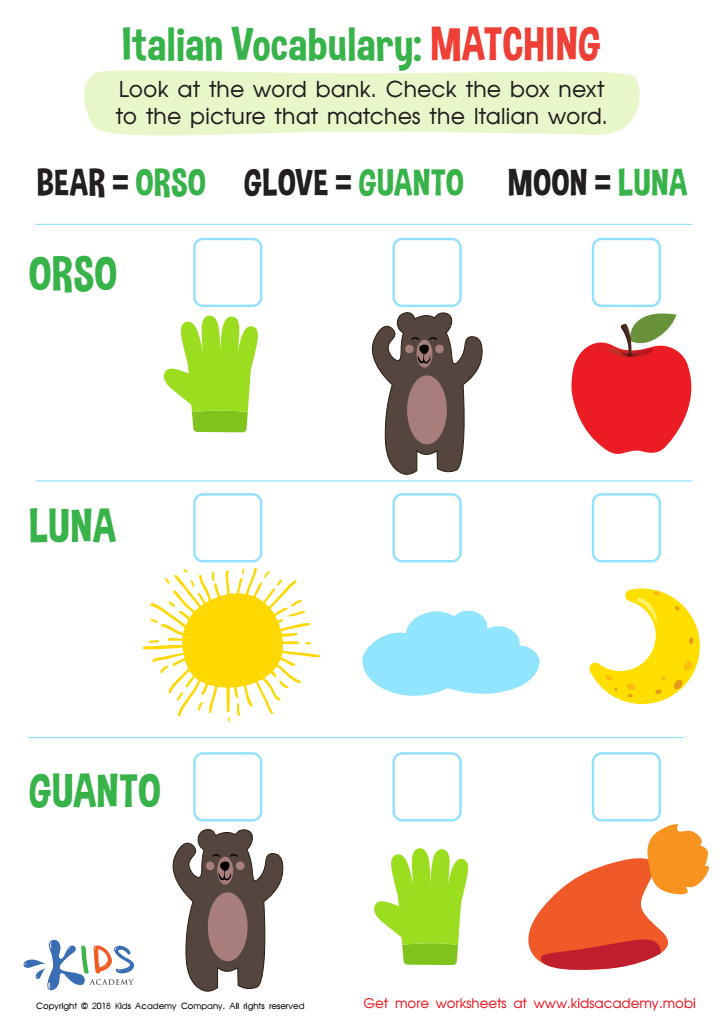
Italian Vocabulary Matching Worksheet
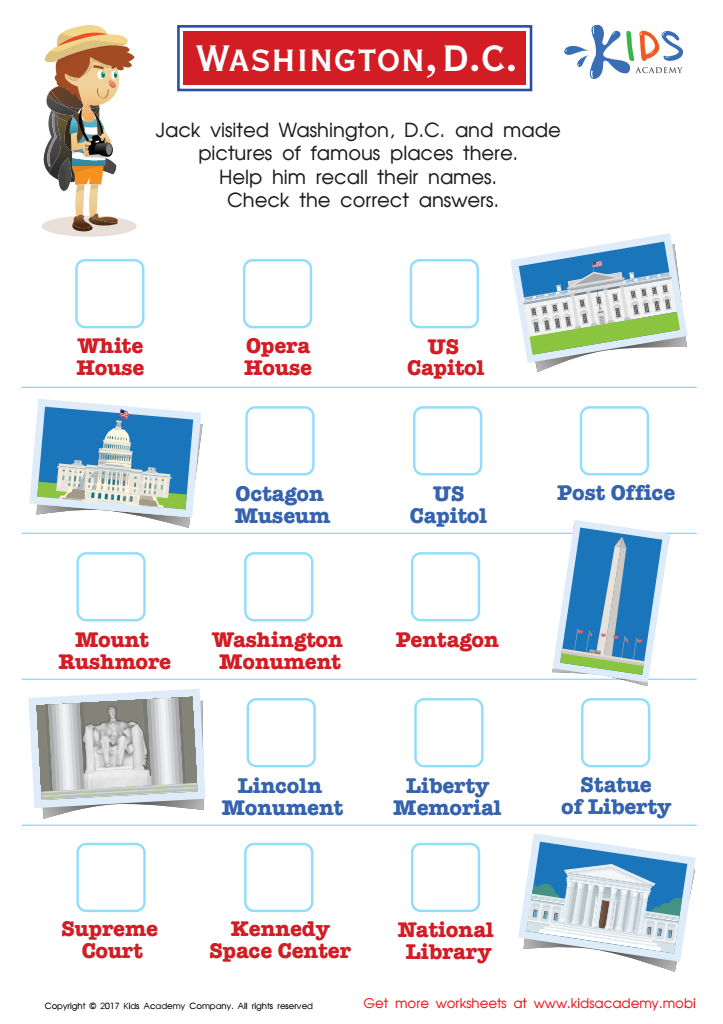
Washington D.C. Printable Worksheet
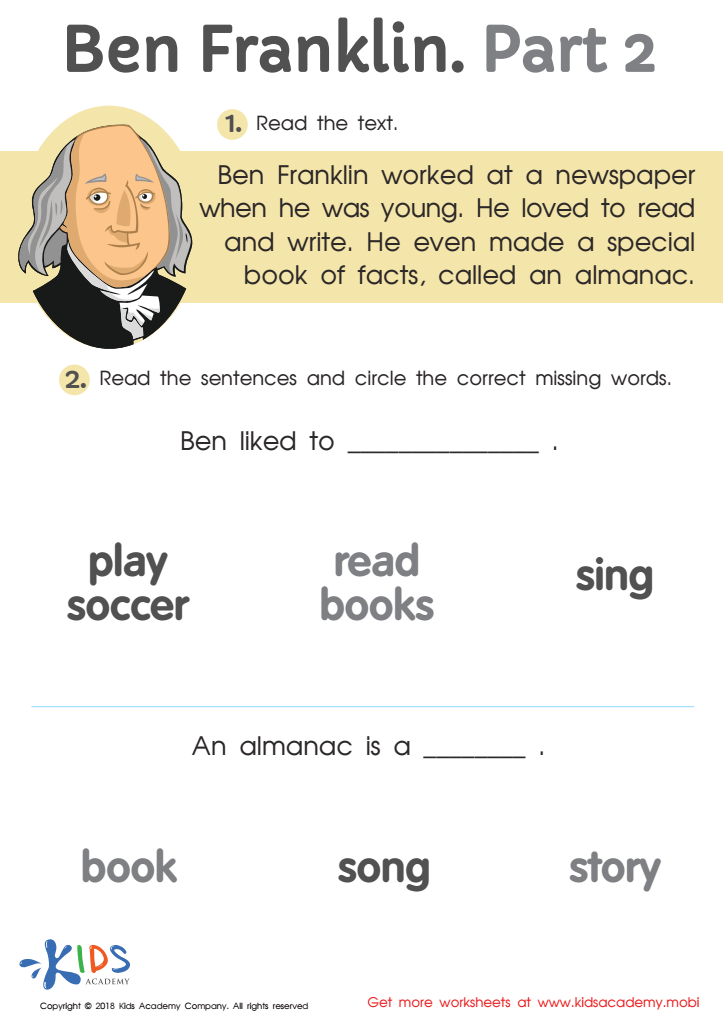
Ben Franklin Part 2 Worksheet
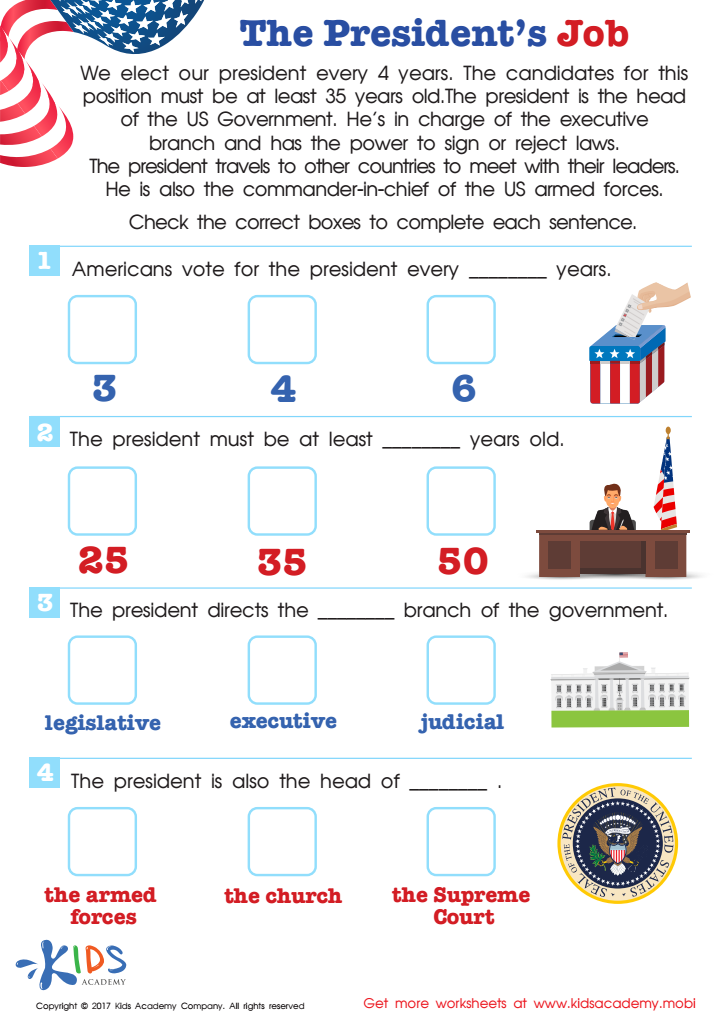
President of the USA Job Description Worksheet
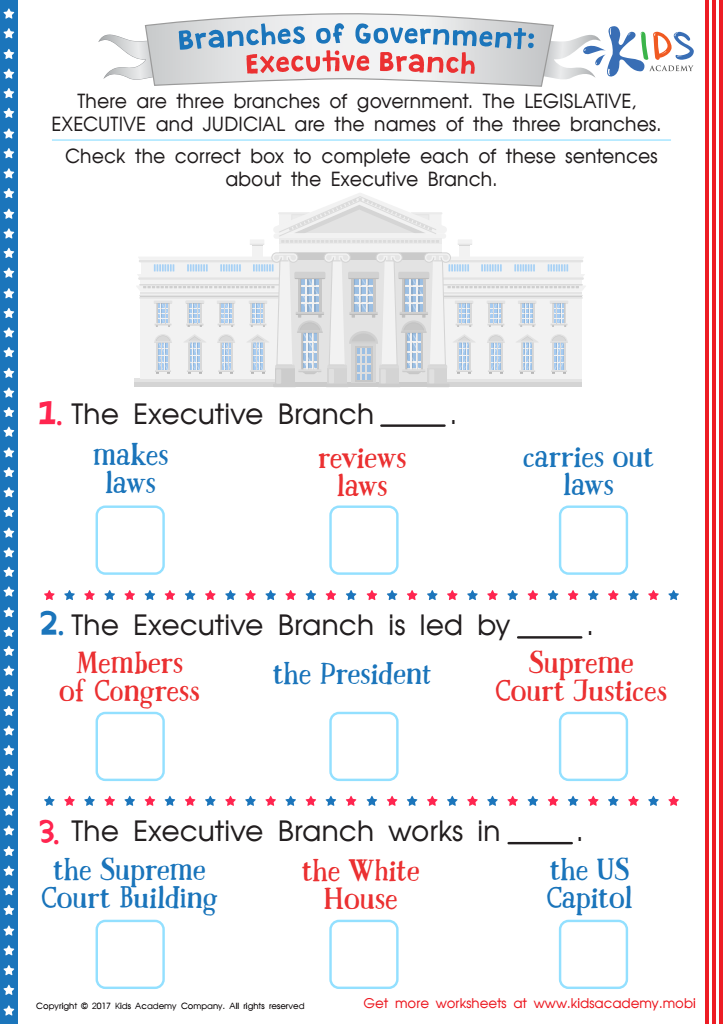
Branches of the Government: Executive Branch Printable
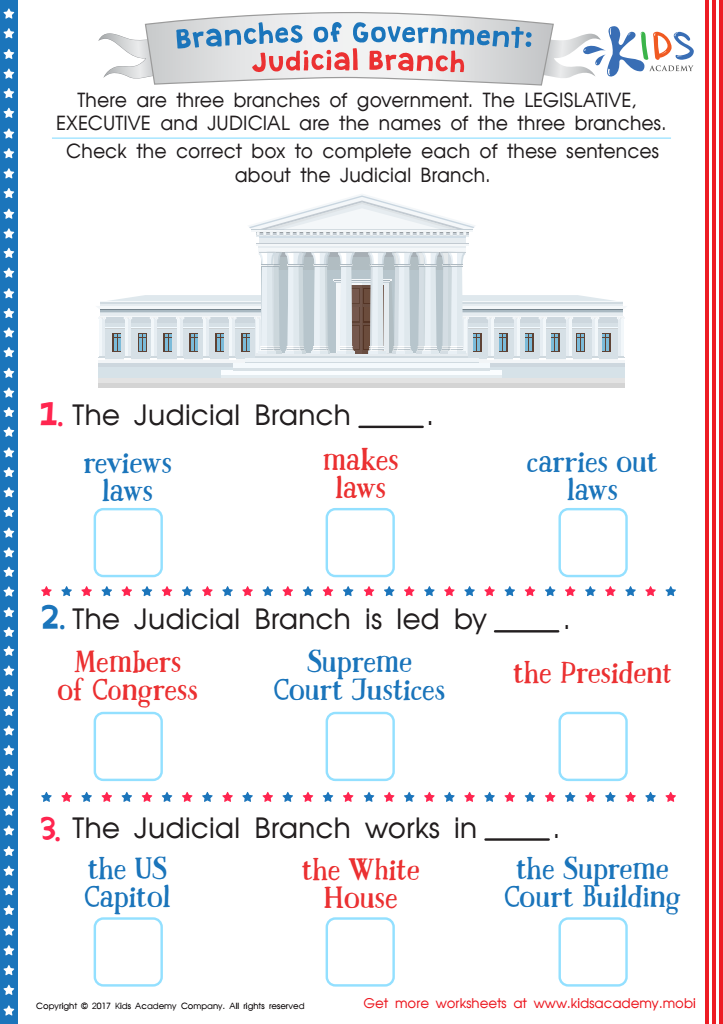
Braches of the Government: Judicial Branch Worksheet
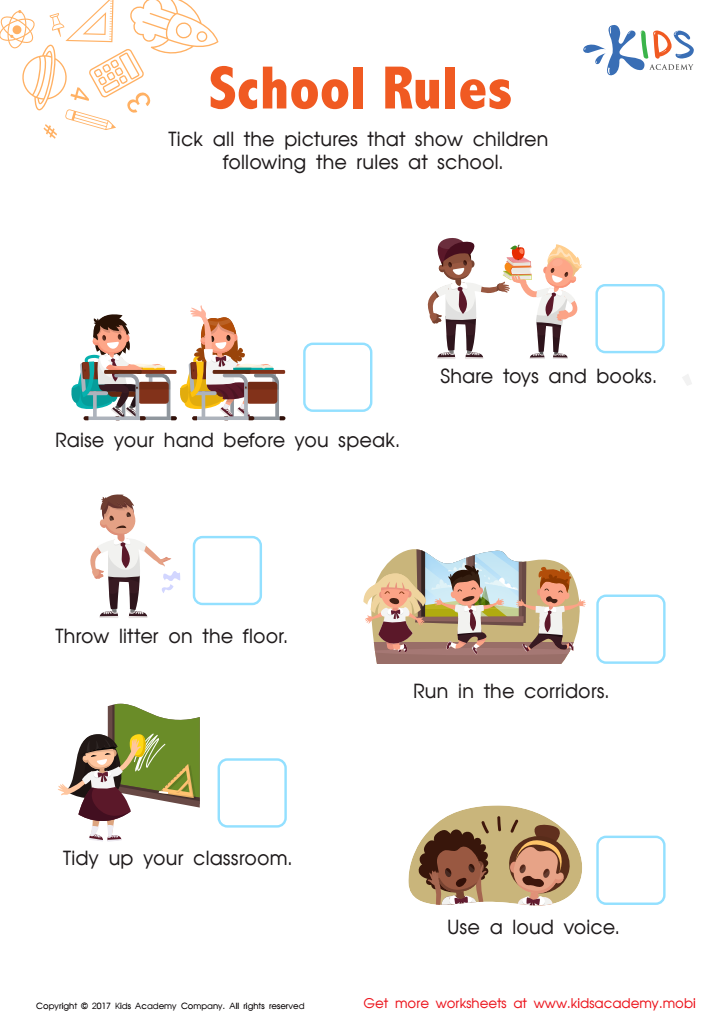
School Rules Worksheet


Parents and teachers should prioritize Normal Governance and Civics for children ages 4-8 because early engagement in these subjects fosters a foundational understanding of rights, responsibilities, and community involvement. At this critical stage, children are like sponges, absorbing concepts that shape their views on fairness, justice, and cooperation. By introducing basic civics concepts, such as sharing, respect, and participating in group decisions, we empower children to see themselves as active members of their communities rather than passive observers.
Learning about governance in simple terms helps children grasp how rules are created and why they matter, promoting respect for authority and understanding of social norms. Furthermore, discussions about diverse perspectives and collaboration lay the groundwork for empathy and active listening, crucial skills in today’s diverse society. Early civic education can also ignite children’s curiosity about their roles in family, school, and society, planting the seeds for lifelong responsible citizenship.
Ultimately, cultivating civics awareness from a young age equips children with the tools to navigate social dynamics, encourages critical thinking, and inspires them to advocate for themselves and others, thereby aiding the development of engaged, thoughtful future citizens.