Cognitive Development Normal Social Studies Worksheets for Ages 4-8
7 filtered results
Difficulty Level
Grade
Age
-
From - To
Subject
Activity
Standards
Discover our engaging "Cognitive Development Normal Social Studies Worksheets" designed for children aged 4-8! These thoughtfully crafted worksheets aid in enhancing critical cognitive skills through interactive activities, including critical thinking, problem-solving, and decision-making. By exploring familiar themes like family, community, and the environment, young learners develop essential social awareness while having fun. Our resources are perfect for educators and parents seeking to support early learners’ growth in an entertaining way. Each worksheet is tailored to align with developmental milestones, ensuring children gain confidence and essential knowledge in social studies. Start your child's educational journey with these valuable, printable tools today!
Favorites
With answer key
Interactive
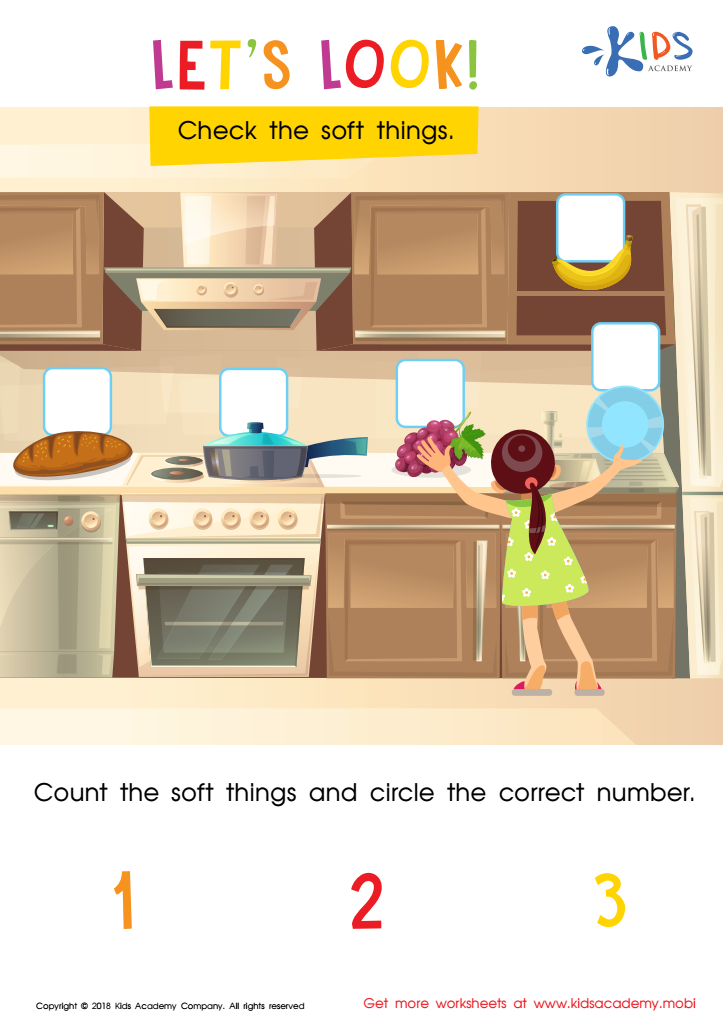
Let's Look! Assessment Worksheet
Have your child look at the picture in the printout and name the objects. Ask which ones are soft and hard and have them count the soft objects and circle the number. This worksheet will engage your child's thinking and teach them about texture.
 Assign to My Students
Let's Look! Assessment Worksheet
Worksheet
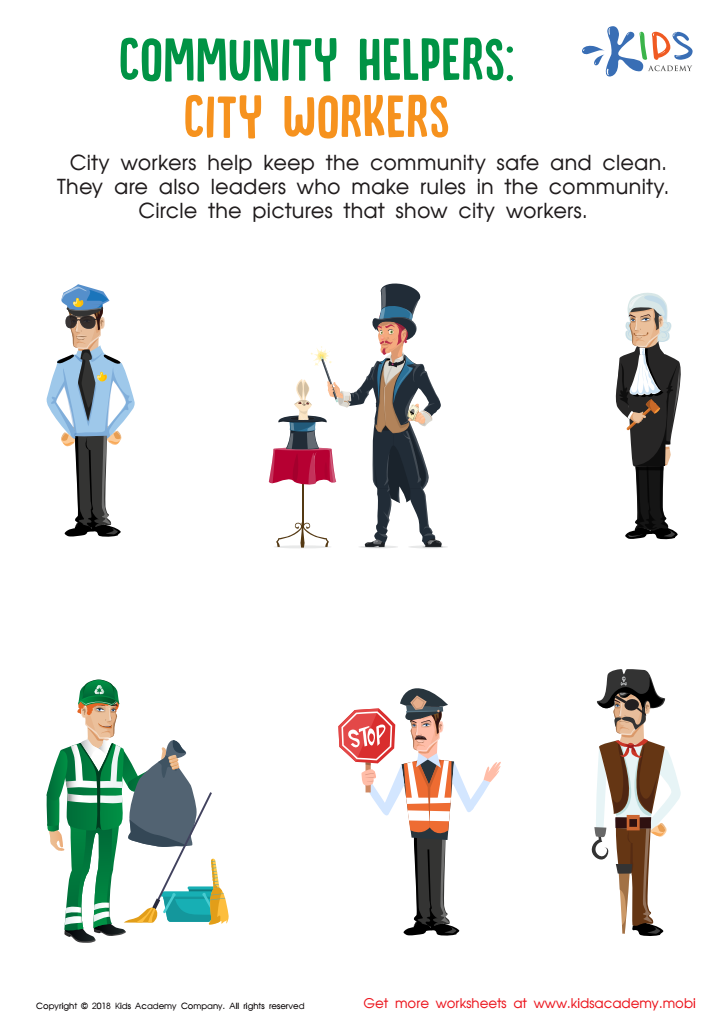
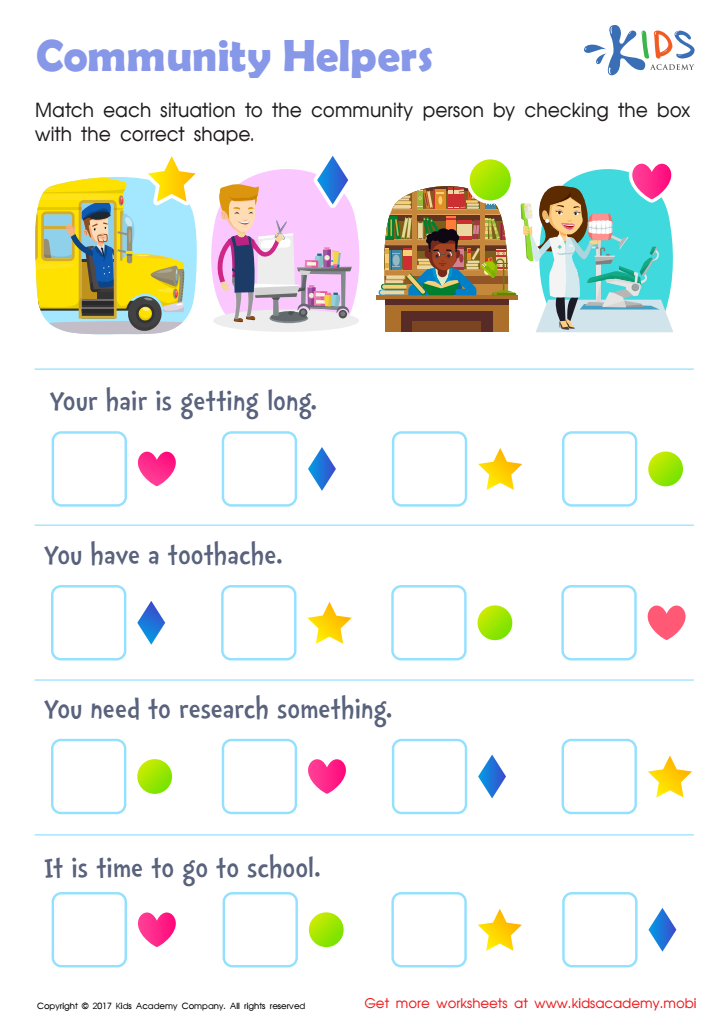
City Workers Community Helpers Worksheet
City workers help keep our communities clean, safe and well-run. They create and enforce rules and act as leaders. Use this worksheet with your child to learn more about the important roles they play. Check the pictures in the free PDF that accurately depict what they do.
City Workers Community Helpers Worksheet
Worksheet
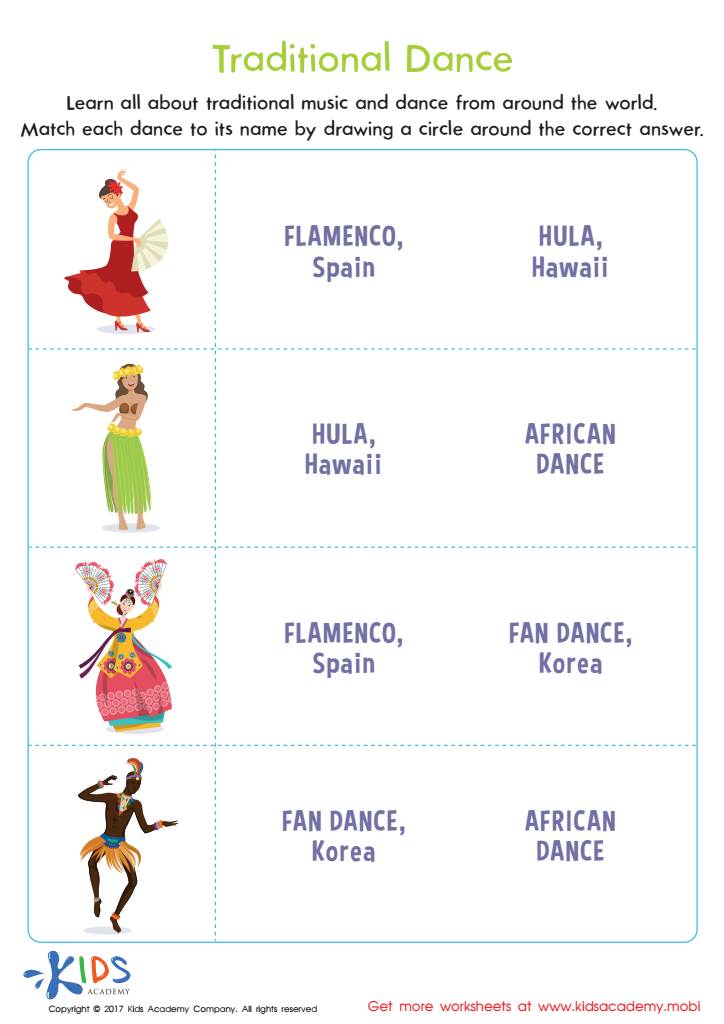
Traditional Dance Printable
Introduce your child to traditional dances from across the globe with this worksheet. They'll learn to identify dances from different cultures, use their critical thinking skills and build an appreciation for different cultures. Let’s help kids to appreciate people’s differences and explore the world with this fun, colorful worksheet.
Traditional Dance Printable
Worksheet
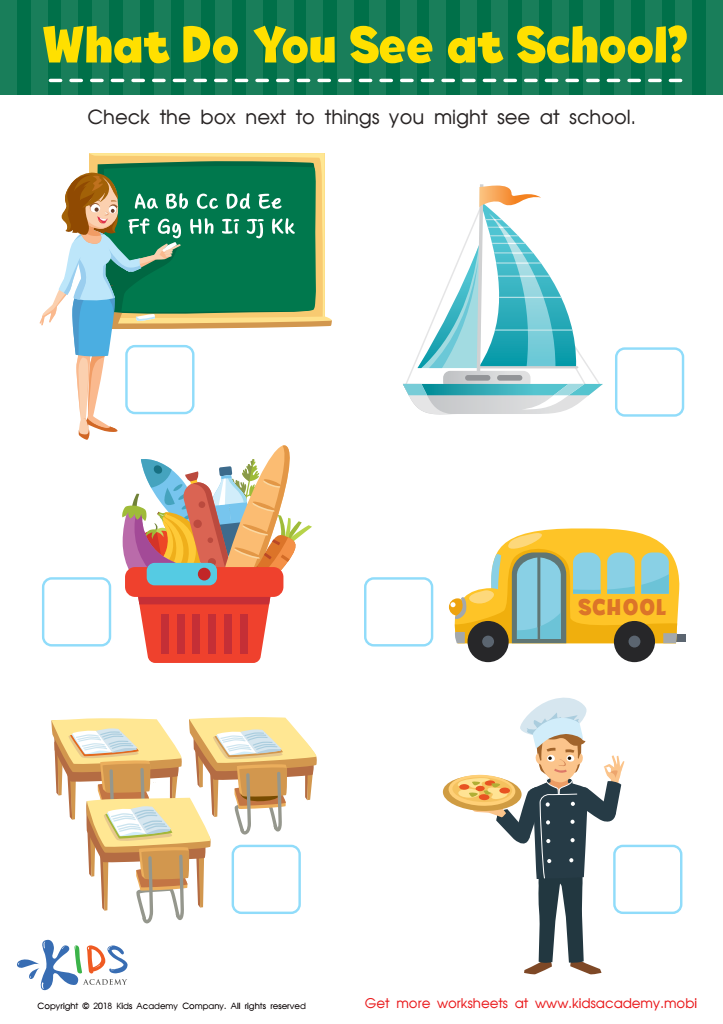
What Do you See at School? Worksheet
Have your kids give you a list of things they see at school. Then, view the worksheet together. Ask them to check the boxes next to the school items. Look for objects that can be found at school and those that don't belong. This is a great way to check their knowledge of what they see at school daily, except on weekends and holidays.
What Do you See at School? Worksheet
Worksheet
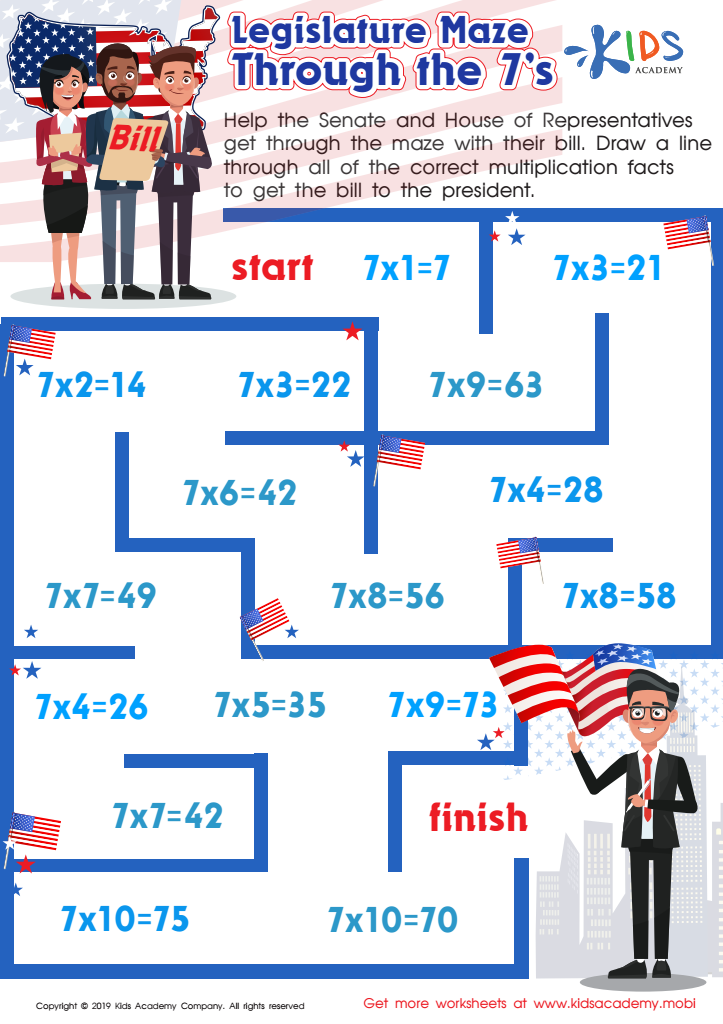
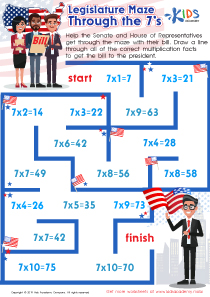
Legislature Maze Through the 7’s Worksheet
Students can review their math and social studies skills with this exciting worksheet. By drawing a line through only the correct multiplication facts in the 7x multiplication table maze, they can lead the members of Congress to the President to get the law signed and finish the puzzle.
Legislature Maze Through the 7’s Worksheet
Worksheet
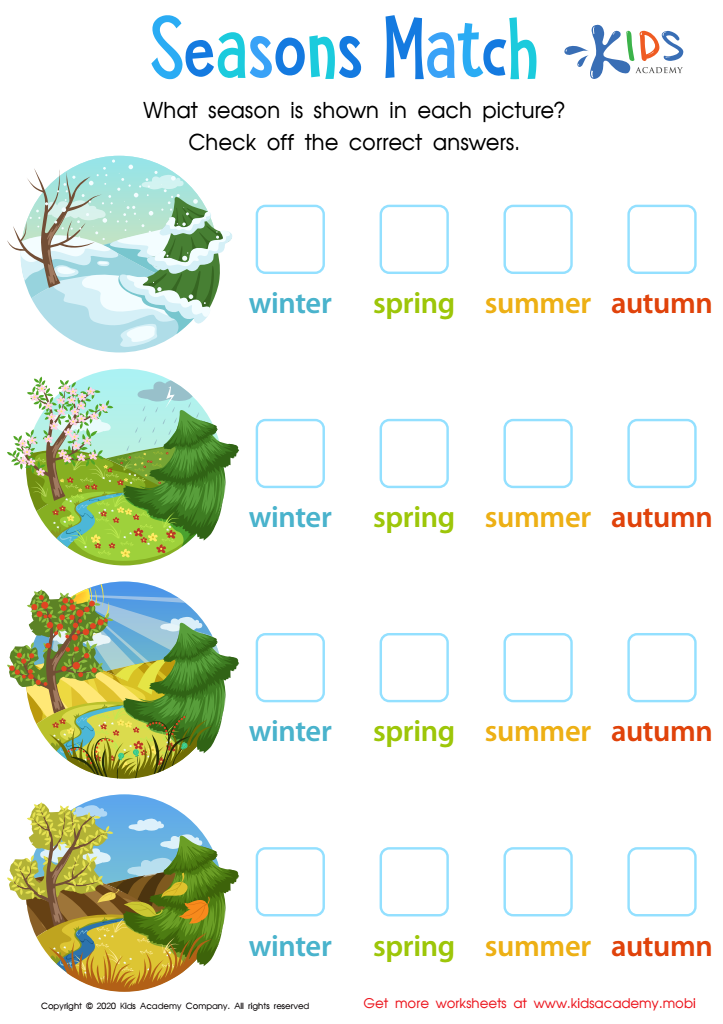
Seasons Match Worksheet
Preschoolers should begin learning about seasons and weather early. Most can tell what season it is by upcoming holidays or school activities. Test their knowledge with a printable PDF worksheet. It asks them to match each image with its corresponding season!
Seasons Match Worksheet
Worksheet
Join Kids Academy for Free
Who is primarily going to use this learning content?







Caring about cognitive development in social studies for children aged 4-8 is crucial because this stage lays the foundation for critical thinking, empathy, and moral understanding. At this age, children transition from egocentric perspectives to recognizing the feelings and viewpoints of others, making social studies an ideal context for development.
During these formative years, children engage in imaginative play, storytelling, and group activities that promote cognitive skills such as problem-solving, decision-making, and inferencing about their social world. Introducing local communities, cultures, and historical events helps cultivate a sense of identity and belonging, encouraging children to form connections with others.
Teachers and parents play a significant role in this process, as their guidance helps children navigate complex concepts like fairness, community roles, and respect for diversity. Engaging lessons encourage dialogue, allowing children to ask questions and express their thoughts, thus honing their communication skills.
Moreover, foundational knowledge in social studies fosters informed, responsible citizens. By caring about their cognitive development through social studies, parents and teachers empower children to become empathetic, socially aware individuals, capable of contributing positively to their communities as they grow. Ultimately, this investment stimulates lifelong learning and a more inclusive society.