Weather identification Normal World Around Us Worksheets for Ages 4-8
3 filtered results
Difficulty Level
Grade
Age
-
From - To
Subject
Activity
Standards
Welcome to our "Weather Identification Normal World Around Us Worksheets" designed for children aged 4-8! These engaging worksheets are perfect for helping young learners explore and understand various weather conditions, enhancing their observational skills. Through colorful illustrations and interactive activities, children will learn to identify sunny, rainy, snowy, and windy days while developing vocabulary and comprehension. Our thoughtfully crafted resources encourage critical thinking and creativity, making learning fun and effective! Perfect for both at-home practice and classroom use, these worksheets are a fantastic tool to connect kids with the world around them. Let’s explore the weather together!
Favorites
With answer key
Interactive
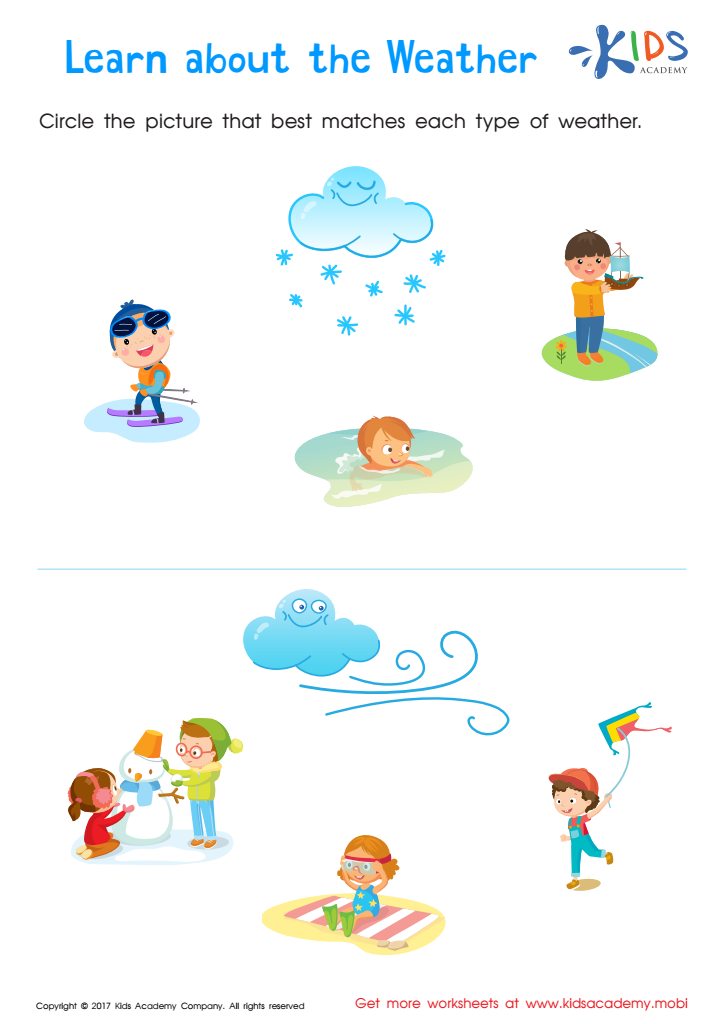
About the Weather Printable
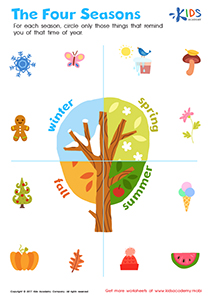
This worksheet is perfect for reinforcing knowledge about changing weather and activities that suit each season. Help your child use their life experiences to observe the weather and complete the worksheet. Fun and colorful, it's a great way to learn about weather and seasons. Let's get started!
 Assign to My Students
About the Weather Printable
Worksheet
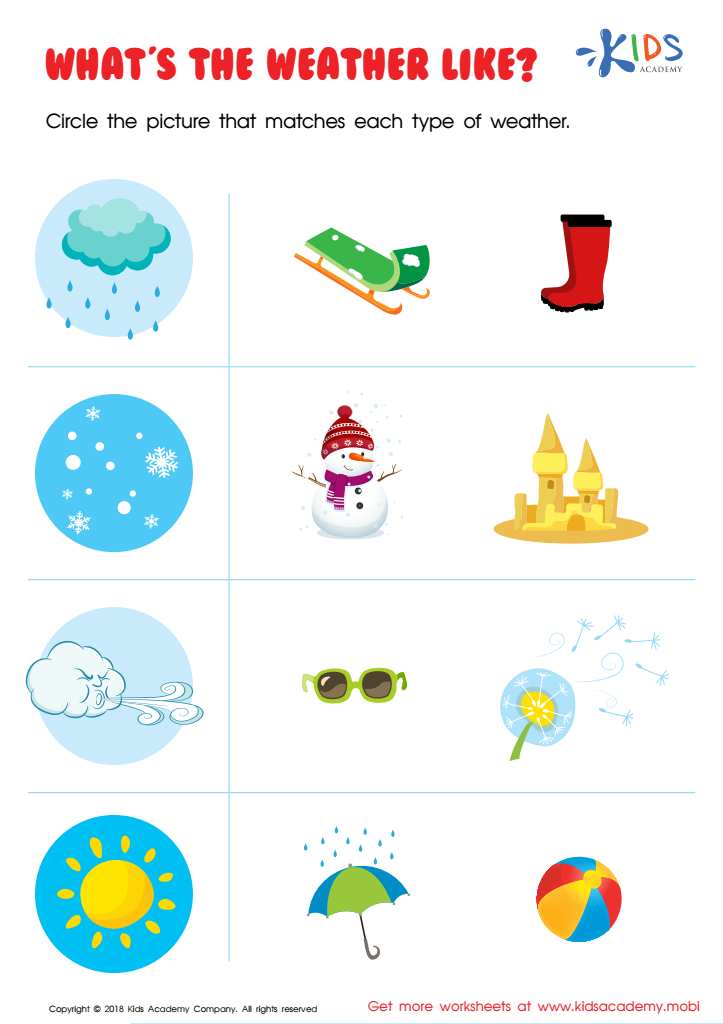
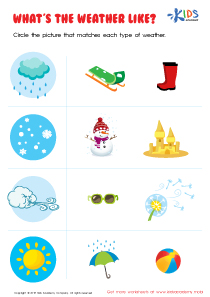
What's the Weather Like? Worksheet
Help budding meteorologists practice matching weather to seasons with this PDF worksheet. Picture clues help identify seasons and fine motor skills are practiced circling the correct weather patterns. Bright and engaging characters make learning fun and reinforce weather knowledge.
What's the Weather Like? Worksheet
Worksheet
Join Kids Academy for Free
Who is primarily going to use this learning content?


.jpg)





Teaching weather identification to children aged 4-8 is vital for their understanding of the world around them. First, it fosters curiosity about nature, encouraging children to observe and inquire. By identifying different weather conditions—such as sunny, rainy, snowy, or windy—young learners develop critical thinking skills and learn how to categorize their experiences with observable phenomena.
Additionally, knowledge of weather patterns helps children gain a sense of safety. Understanding signals such as dark clouds, thunder, or strong winds enables them to respond appropriately to changing conditions, encouraging discussions about safety procedures in different weather scenarios. This fosters a sense of responsibility towards their well-being.
Weather identification also enhances their vocabulary, allowing children to describe their surroundings more accurately and expand their linguistic skills. Engaging activities like weather-related arts and crafts provide multisensory experiences that make learning enjoyable and impactful.
Finally, teaching weather identification aligns with various curriculum standards, integrating science, geography, and environmental education. Parents and teachers play a crucial role in nurturing this fundamental knowledge, equipping children with the awareness needed to thrive in their environment and fostering a lifelong appreciation for nature and its processes.