Alphabet Recognition Normal Alphabet Worksheets for Ages 4-9 - Page 2
42 filtered results
-
From - To
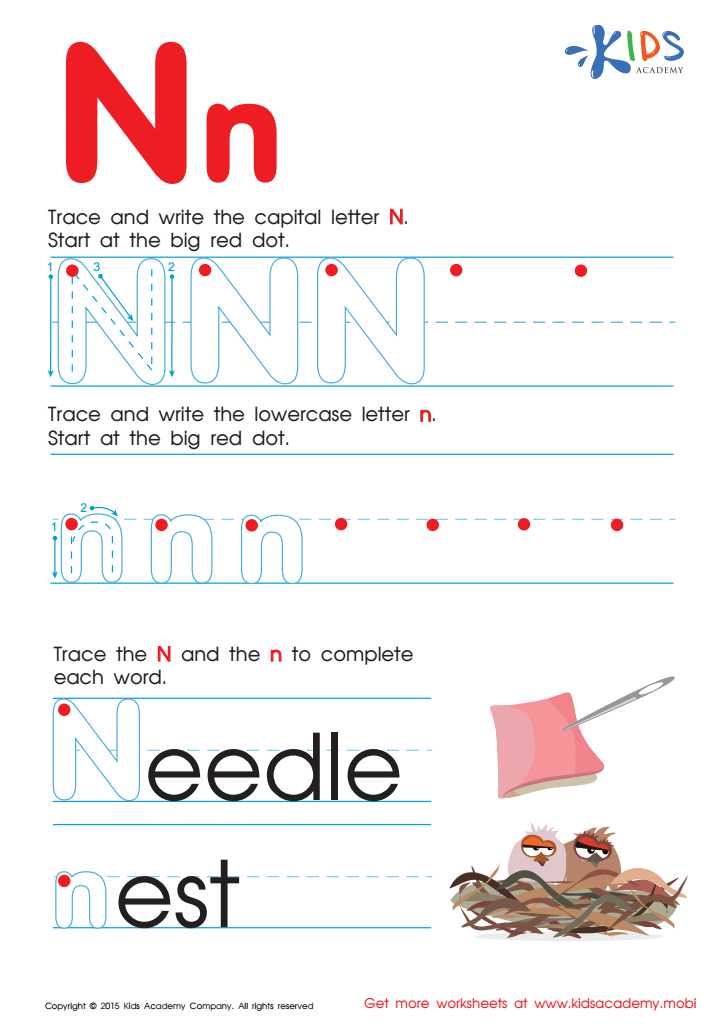
Letter N Tracing Page
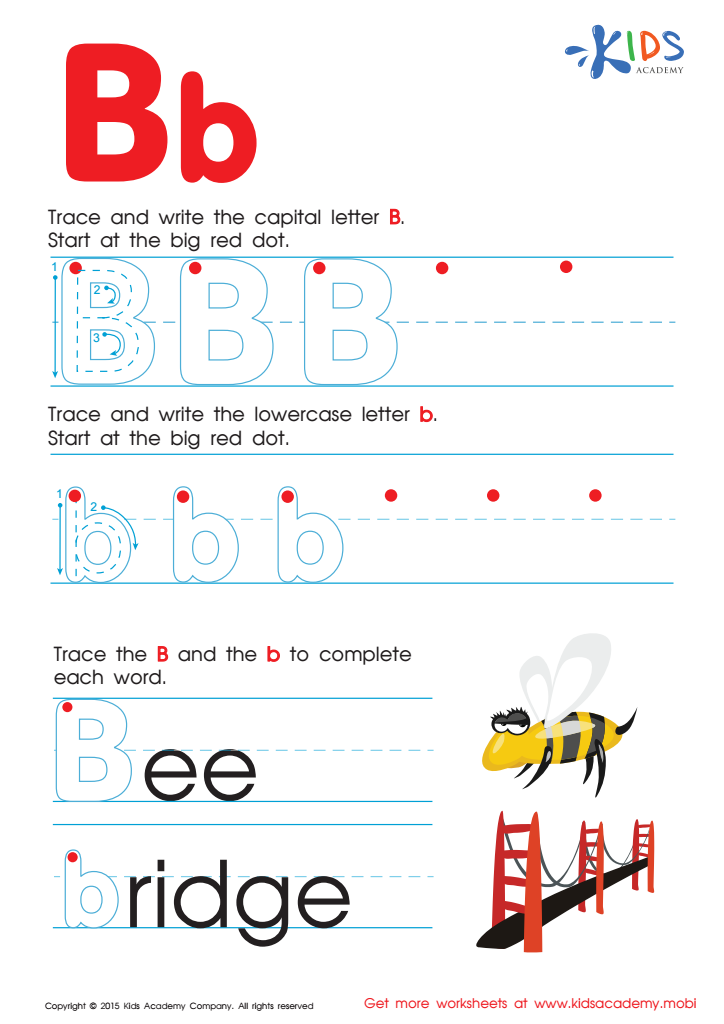
Letter B Tracing Page
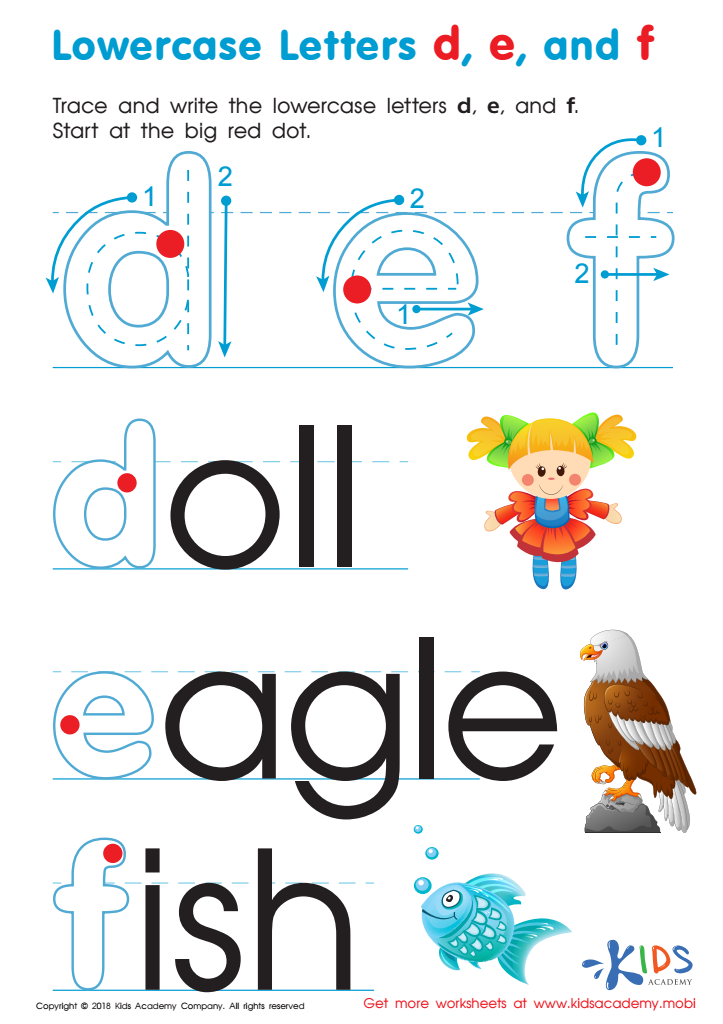
Lowercase Letters d e f Worksheet
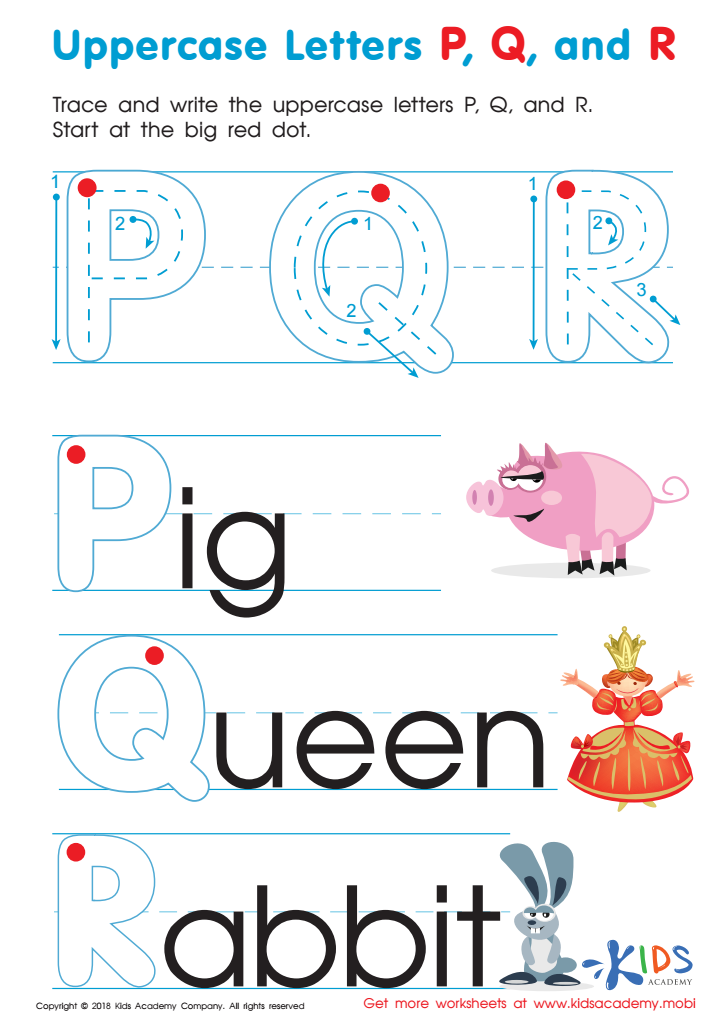
Uppercase Letters P, Q, and R Worksheet
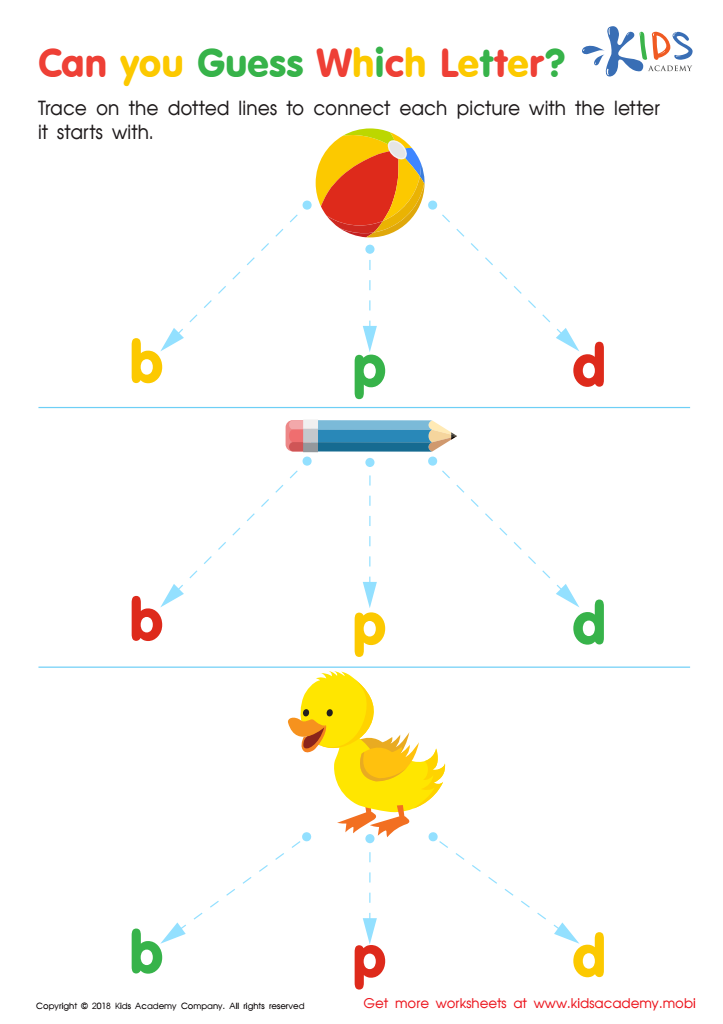
Can you Guess Which Letter? Worksheet
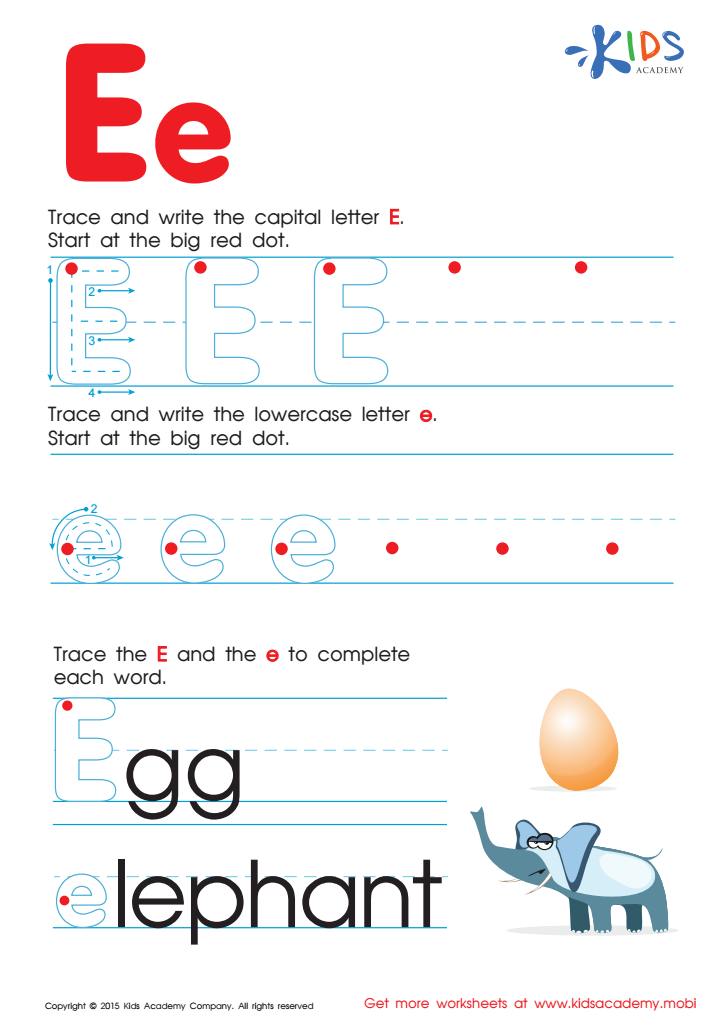
Letter E Tracing Page
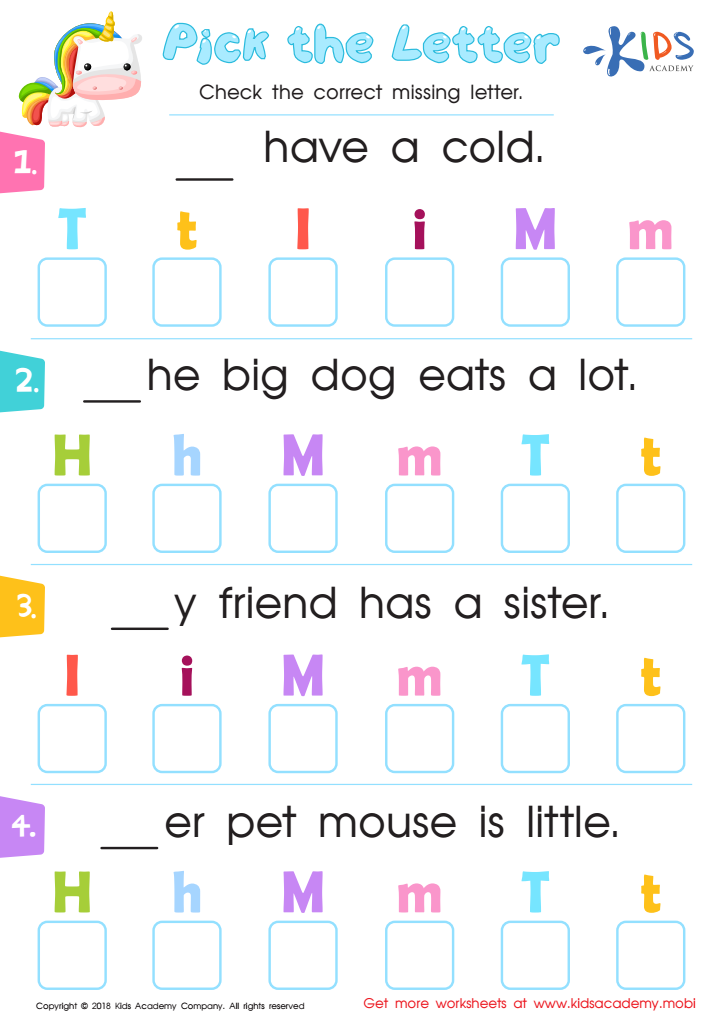
Pick the Letter Worksheet
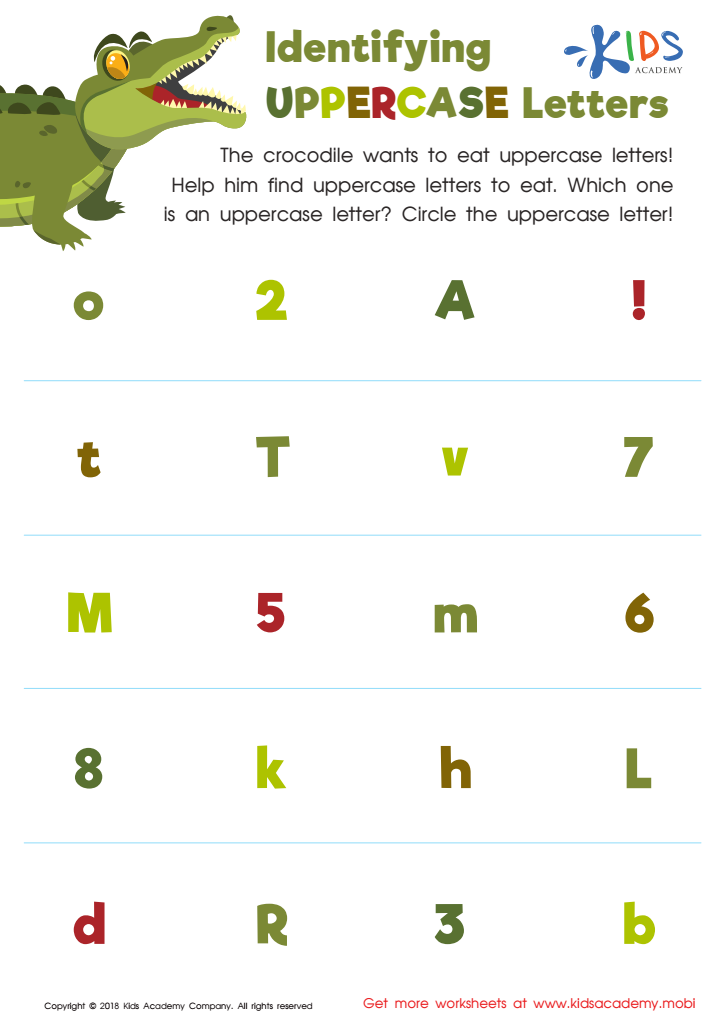
Identifying Uppercase Letters Worksheet
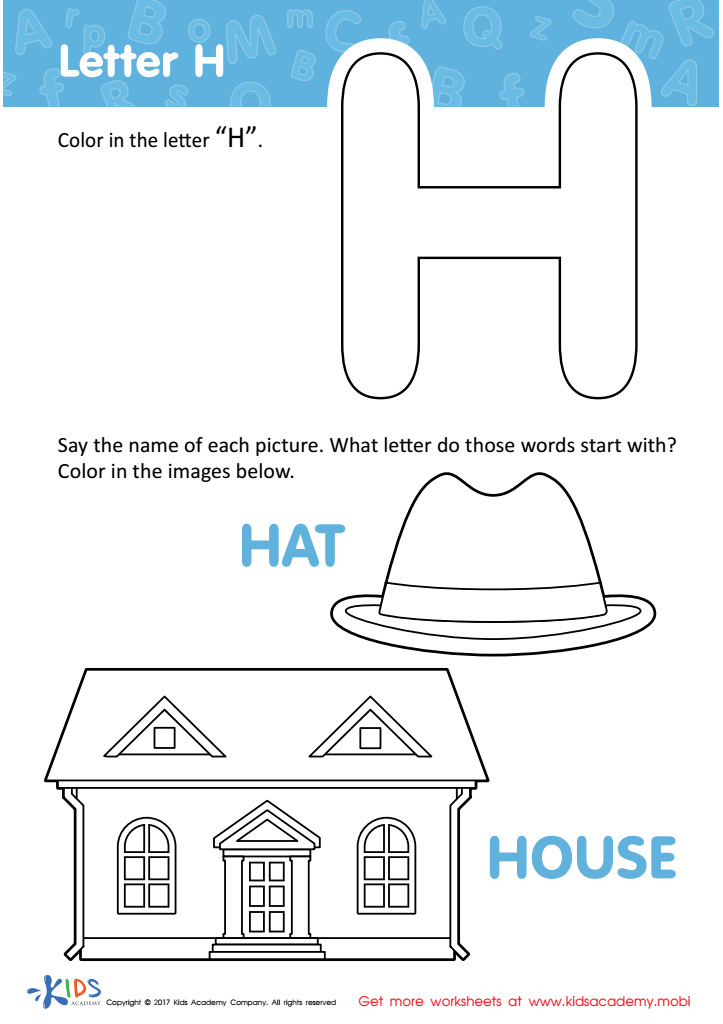
Letter H Coloring Sheet
 Assign to My Students
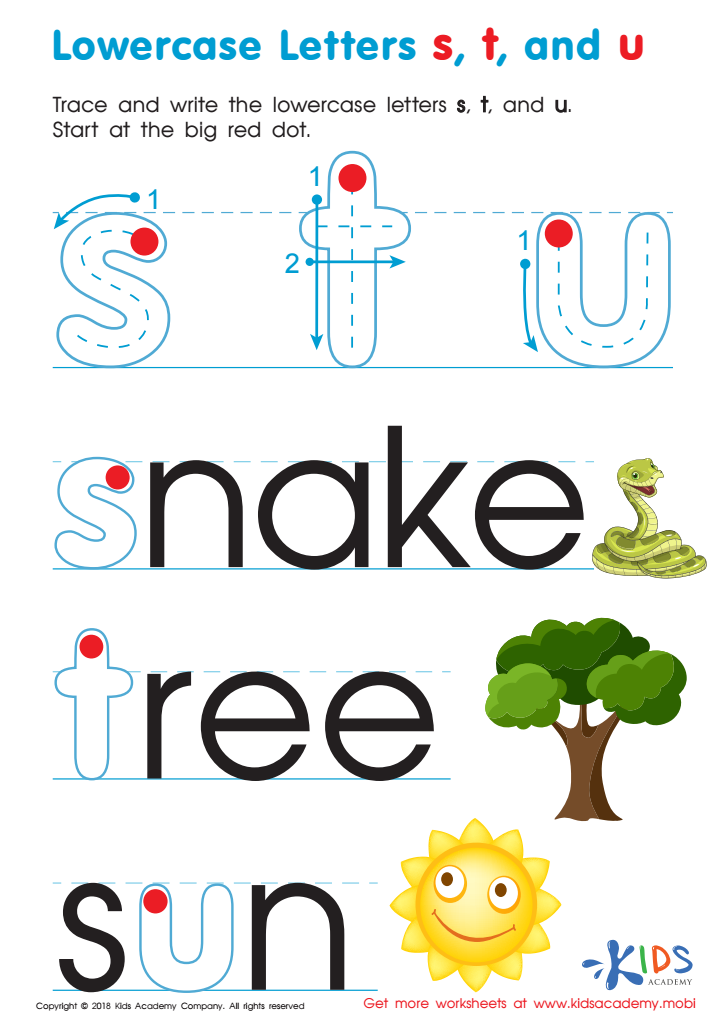
Lowercase Letters s t u Worksheet
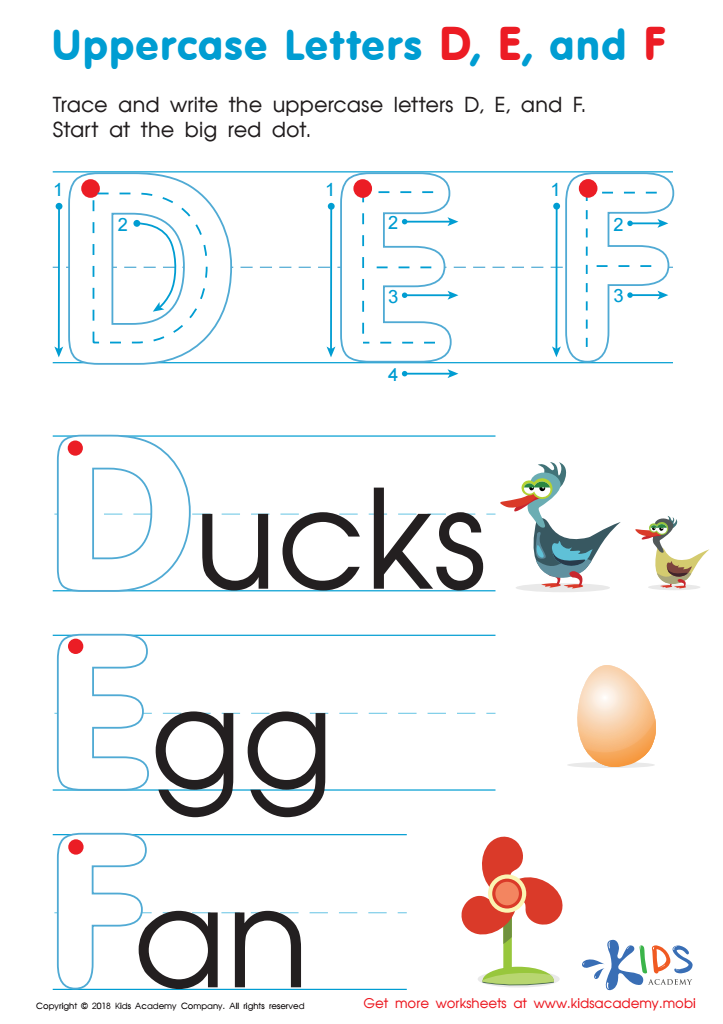
Uppercase Letters D, E, and F Worksheet
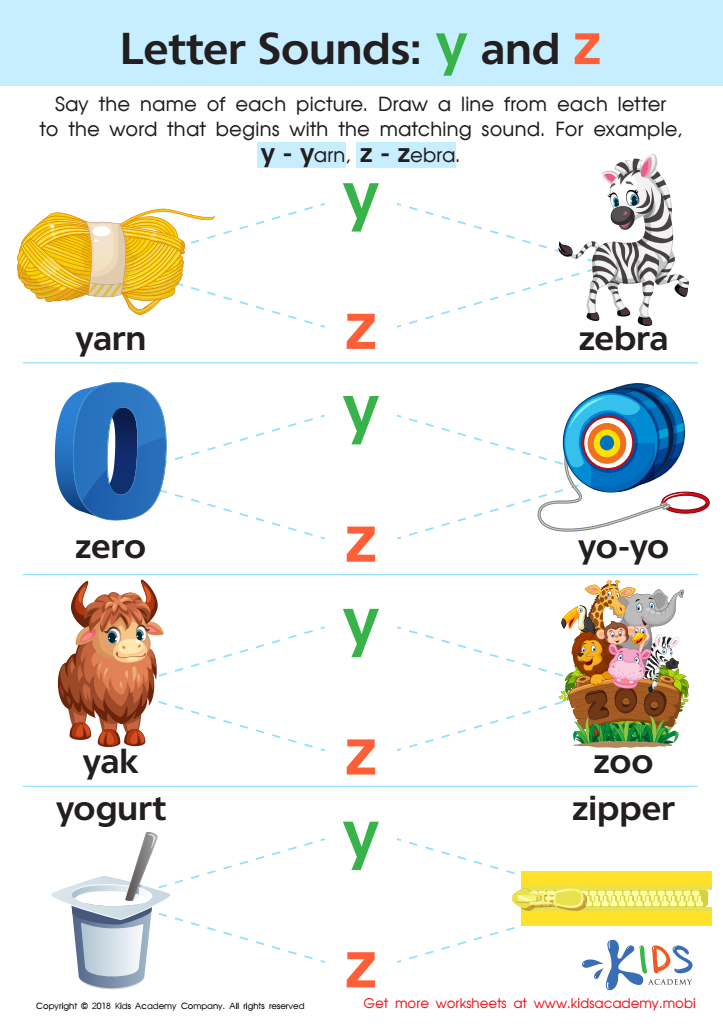
Letter Y and Z Sounds Worksheet
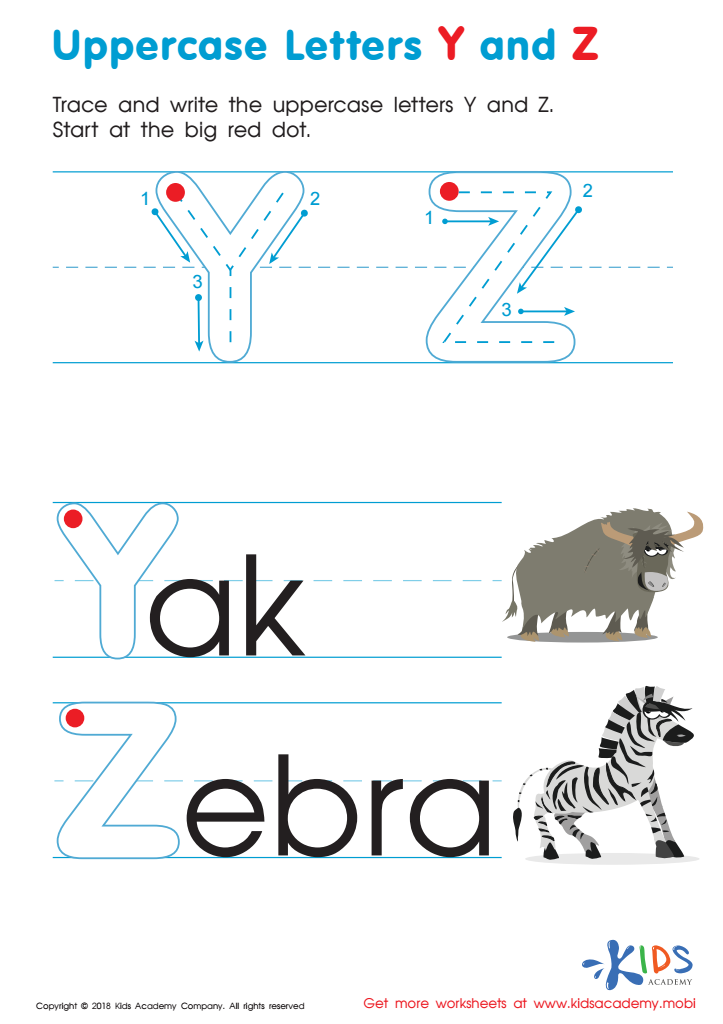
Uppercase Letters Y Z Worksheet
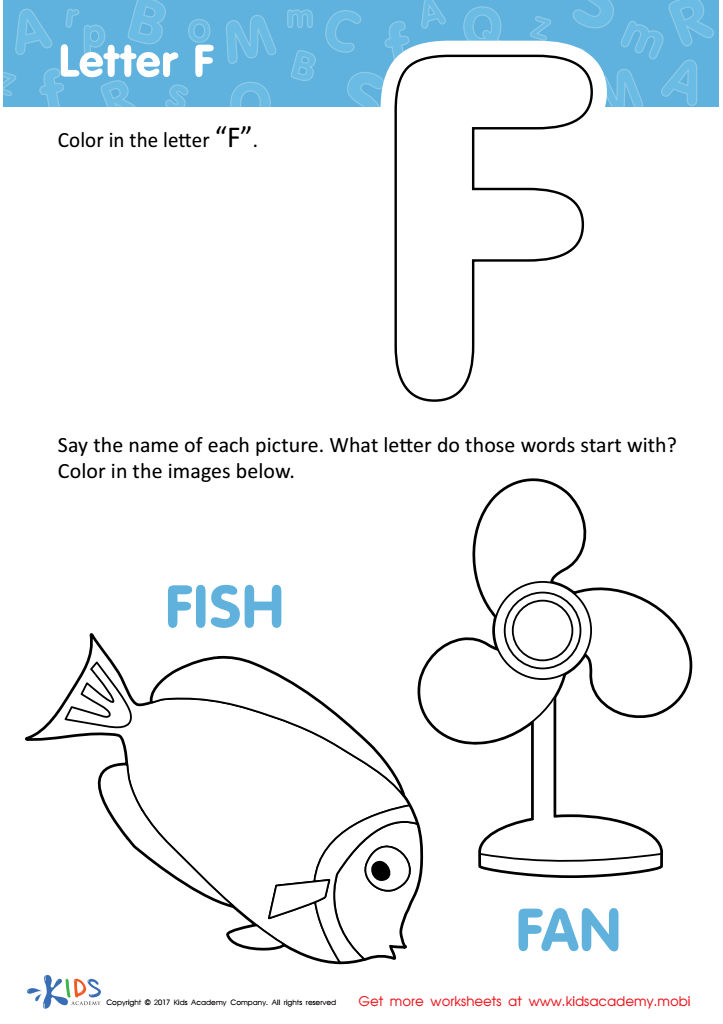
Letter F Coloring Sheet
Assign to My Students
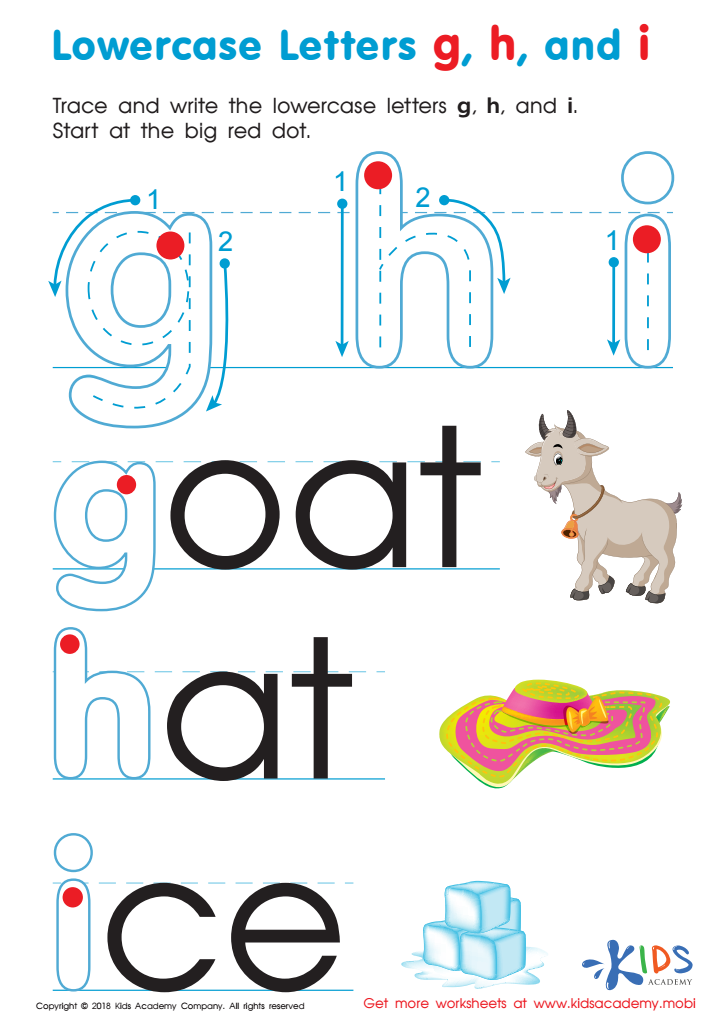
Lowercase Letters g h i Worksheet
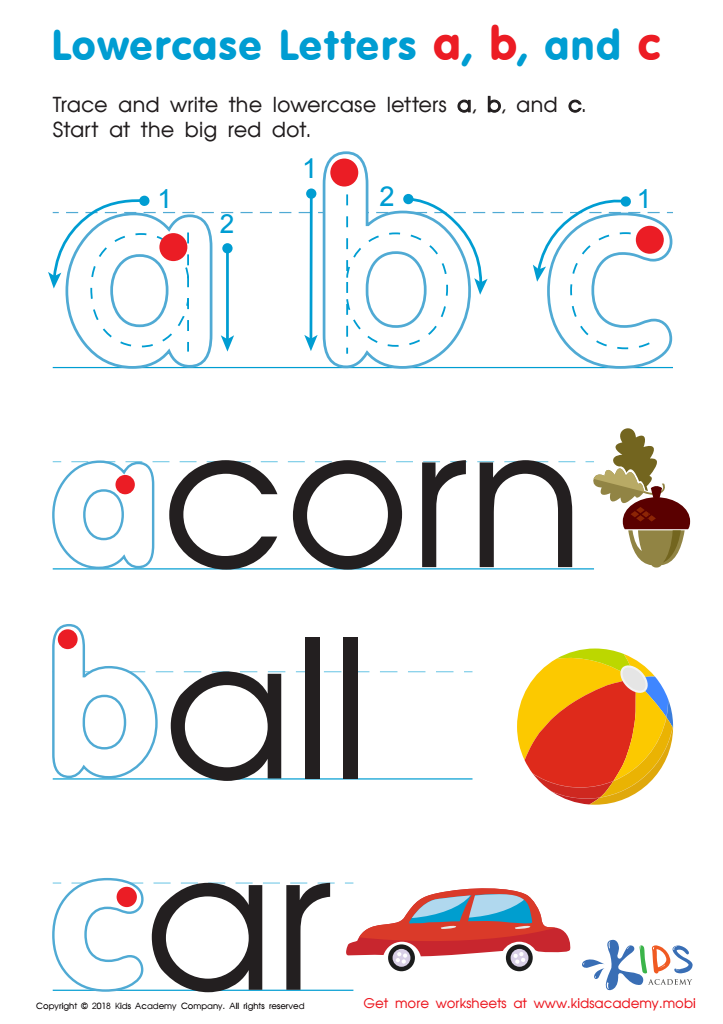
Lowercase Letters a b c Worksheet
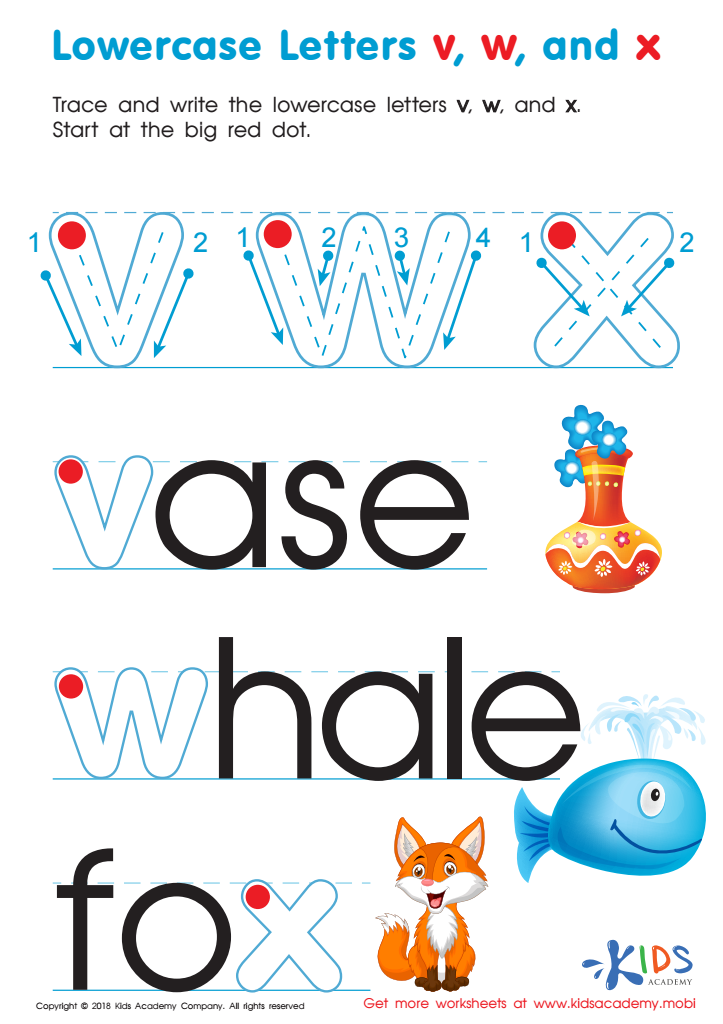
Lowercase Letters v w x Worksheet
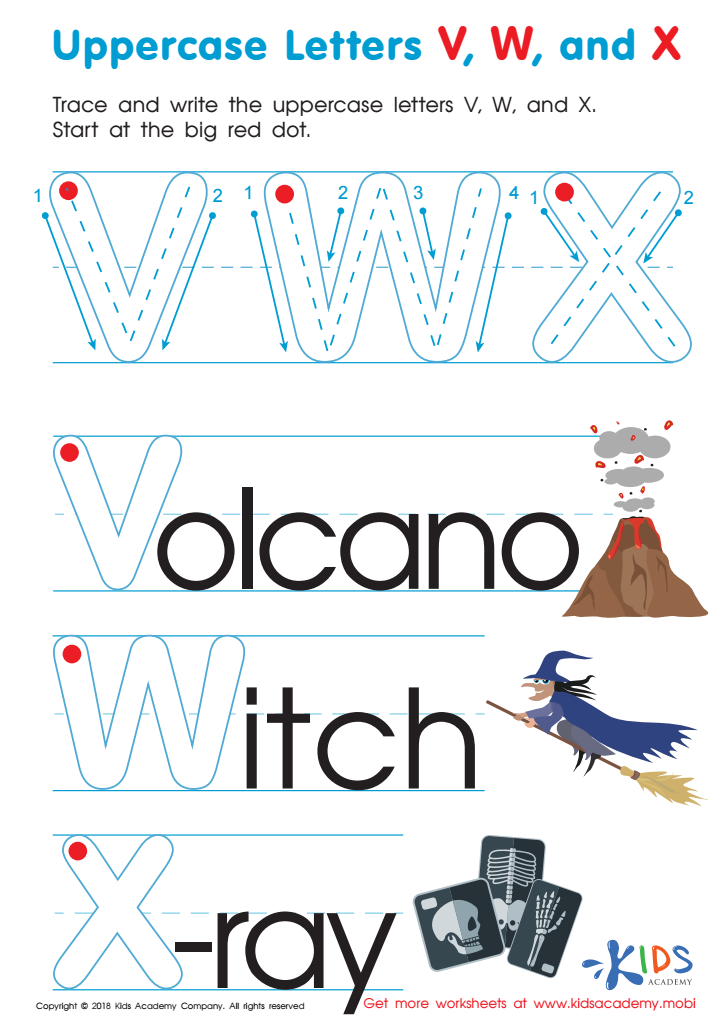
Uppercase Letters V, W, and X Worksheet




.jpg)


Alphabet recognition is a fundamental skill for children aged 4 to 9, as it lays the groundwork for literacy and future academic success. For parents and teachers, fostering this skill is crucial because it contributes to a child's ability to read and write proficiently. Recognizing letters promotes phonemic awareness, which enhances a child's understanding of the sounds associated with each letter, facilitating more effective reading and spelling.
Moreover, alphabet recognition supports cognitive development and boosts confidence. When children can identify letters, they become more engaged in learning activities, leading to a proactive approach in education. This confidence can translate into a love for reading and learning, establishing a positive feedback loop that strengthens their educational journey.
Additionally, parents and teachers can recognize early signs of reading difficulties. If a child struggles with letter recognition, timely interventions can be made to provide support and resources, preventing long-term academic challenges. By actively engaging in tasks focused on alphabet recognition—such as games, storytelling, and interactive activities—adults not only enhance a child's learning experience but also demonstrate the significance of education, ultimately fostering a lifelong appreciation for literacy. Thus, prioritizing alphabet recognition will significantly benefit children in this critical developmental stage.







