Handwriting practice Normal Alphabet Worksheets for Ages 4-9
37 filtered results
-
From - To
Enhance your child's handwriting skills with our "Normal Alphabet Worksheets," designed specifically for ages 4-9. These engaging printables help young learners practice forming letters in a fun and interactive way. Each worksheet features clear, dotted letter outlines that guide children in perfecting their handwriting technique while building confidence. With an array of activities focusing on both uppercase and lowercase letters, these worksheets are perfect for home or classroom use. Supporting early literacy development, our handwriting practice worksheets promote fine motor skills and letter recognition. Start your child’s handwriting journey today and watch their skills flourish! Download now for endless learning fun.
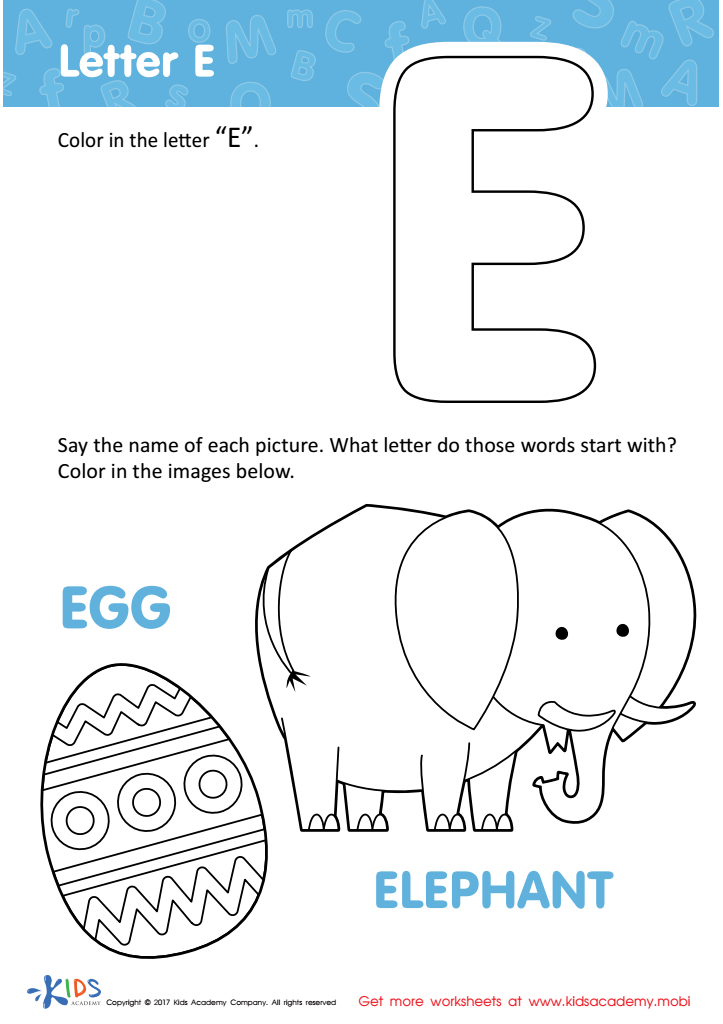
Letter E Coloring Sheet
 Assign to My Students
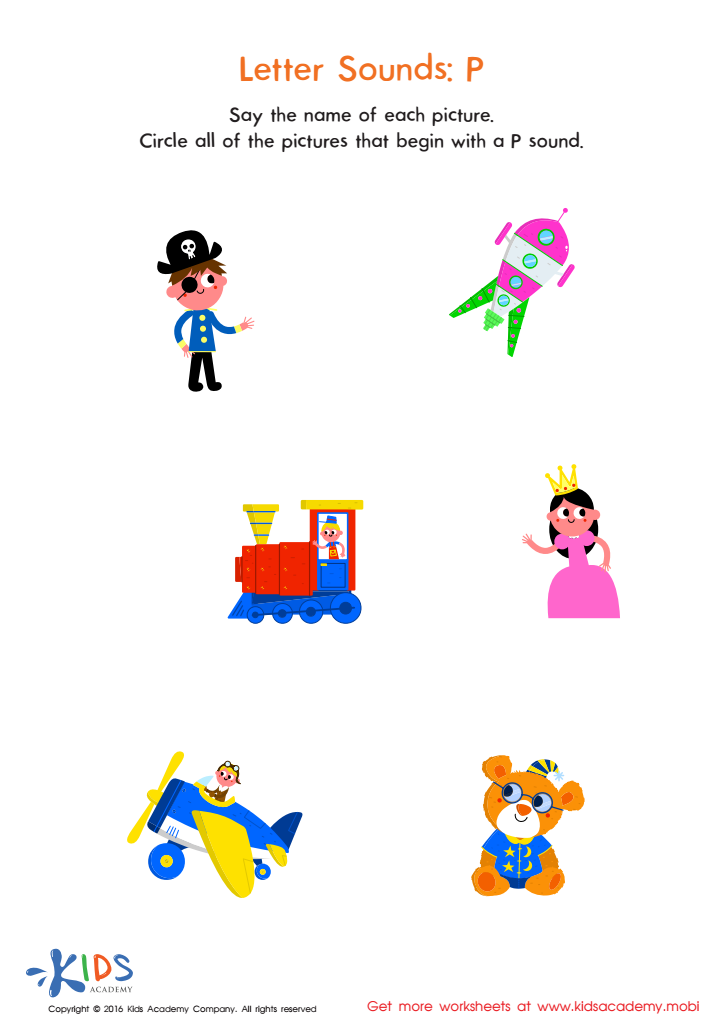
Letter P Sound Worksheet
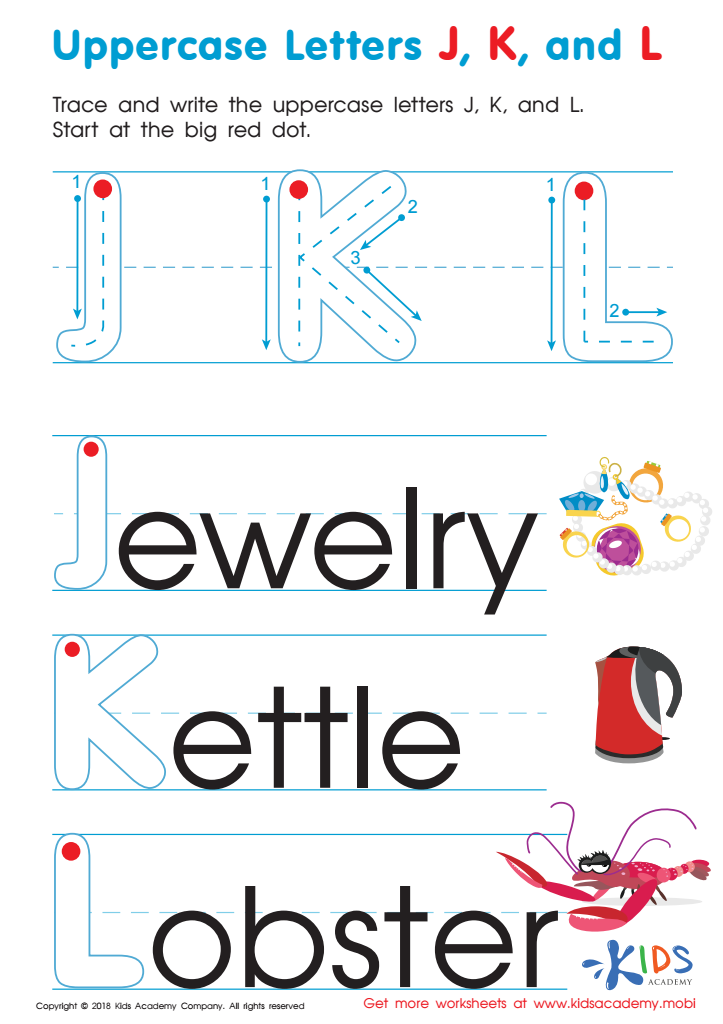
Uppercase Letters J, K, and L Worksheet
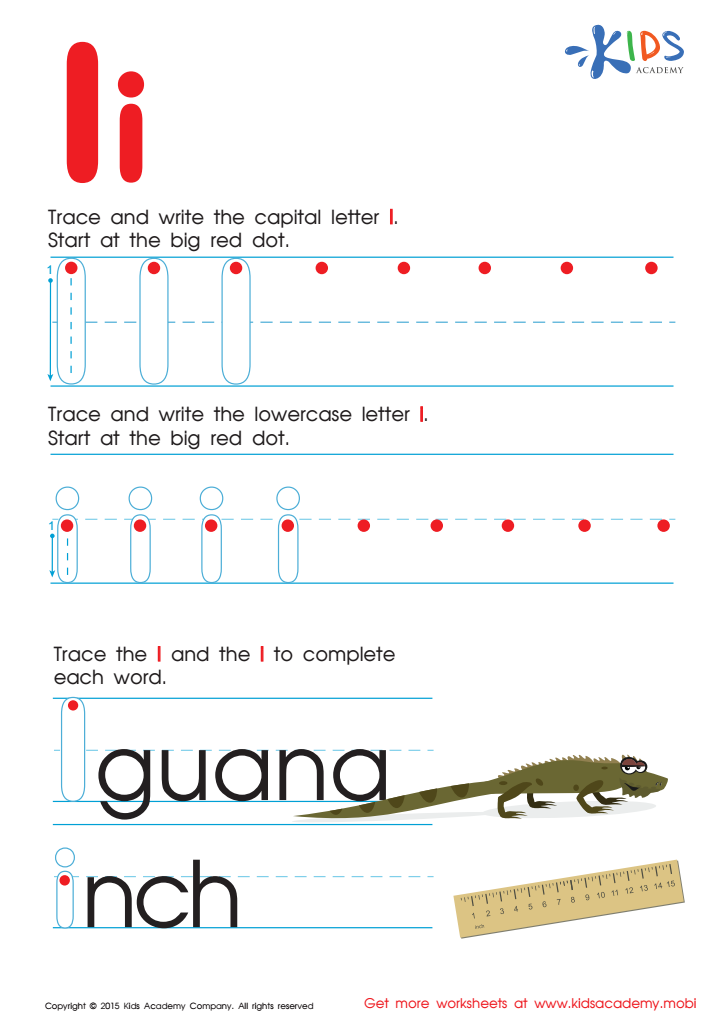
Letter I Tracing Page
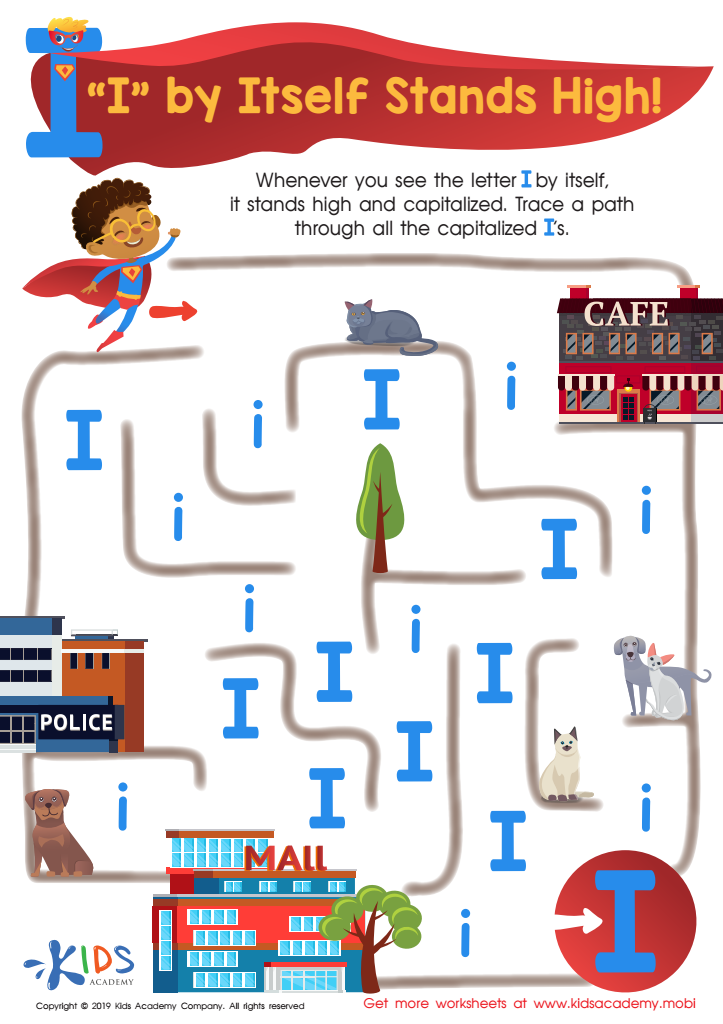
I Stands High Worksheet
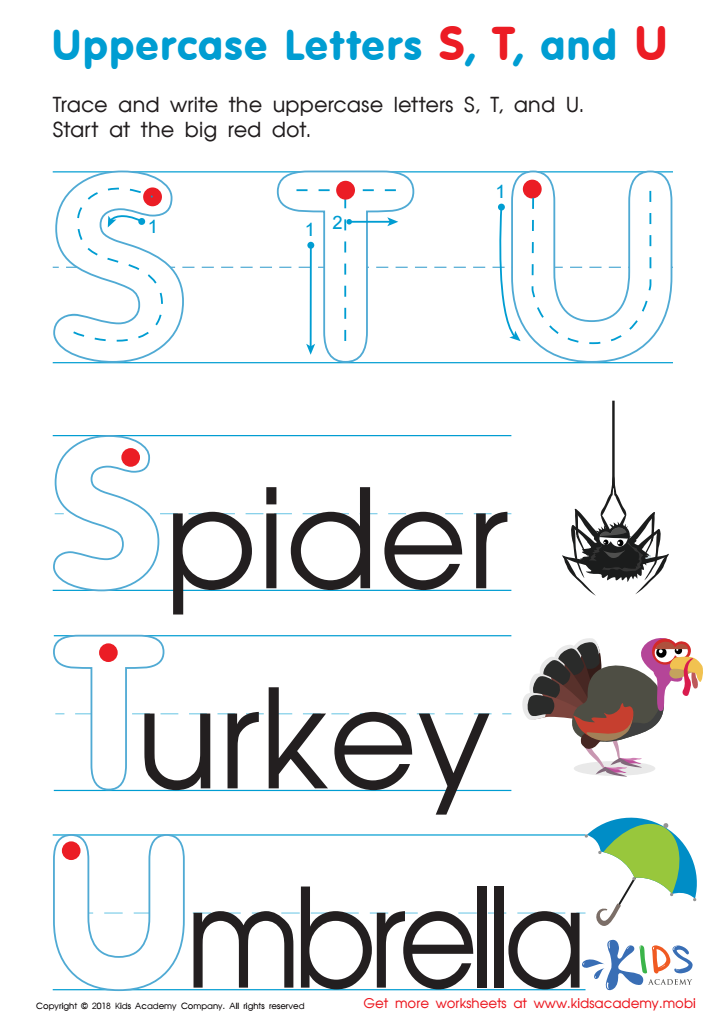
Uppercase Letters S, T, and U Worksheet
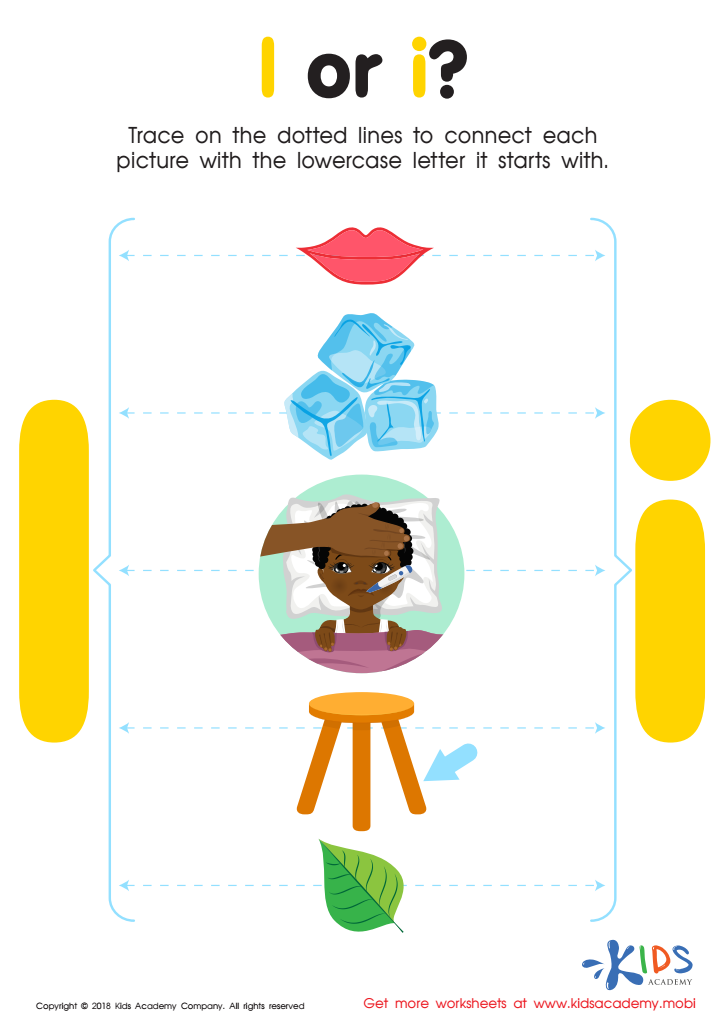
l or i? Worksheet
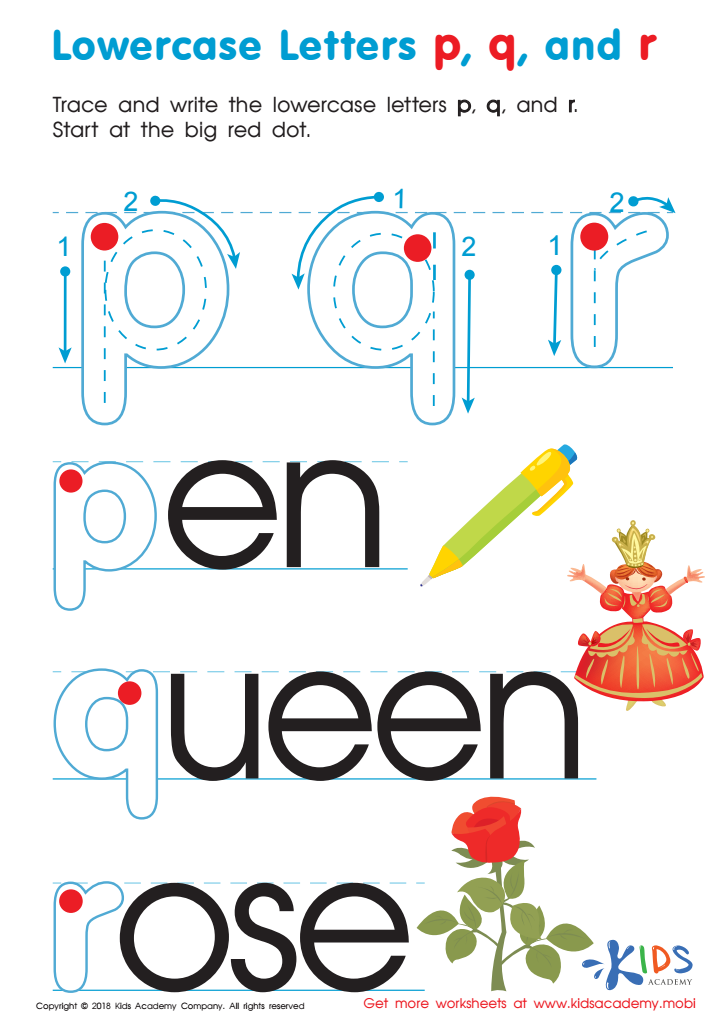
Lowercase Letters p q r Worksheet
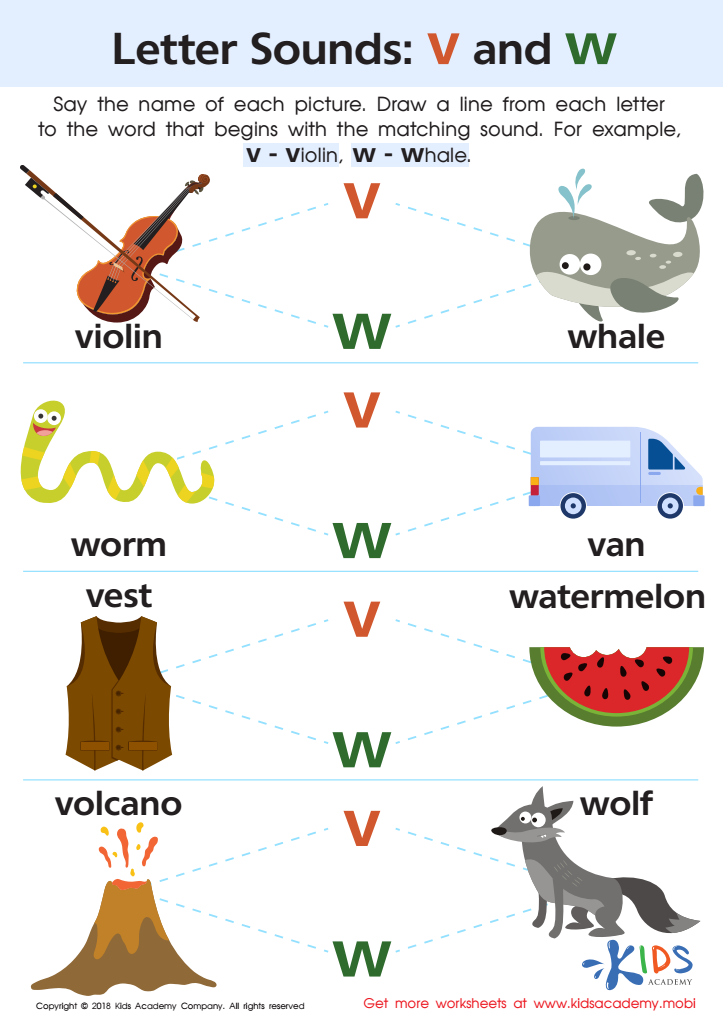
Letter V and W Sounds Worksheet
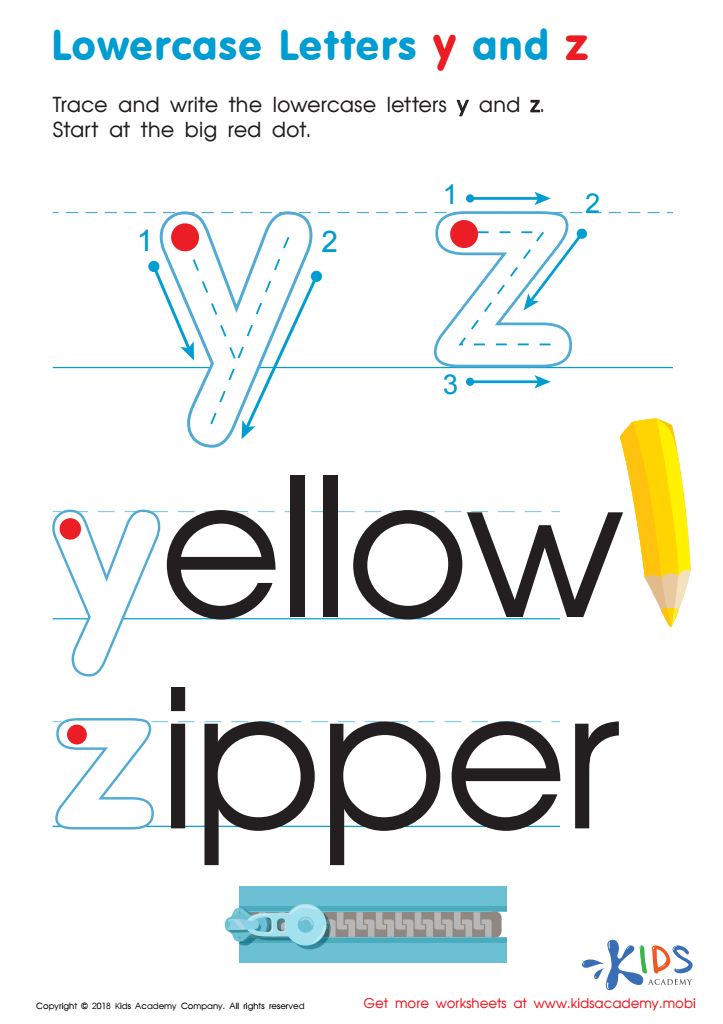
Lowercase Letters y z Worksheet
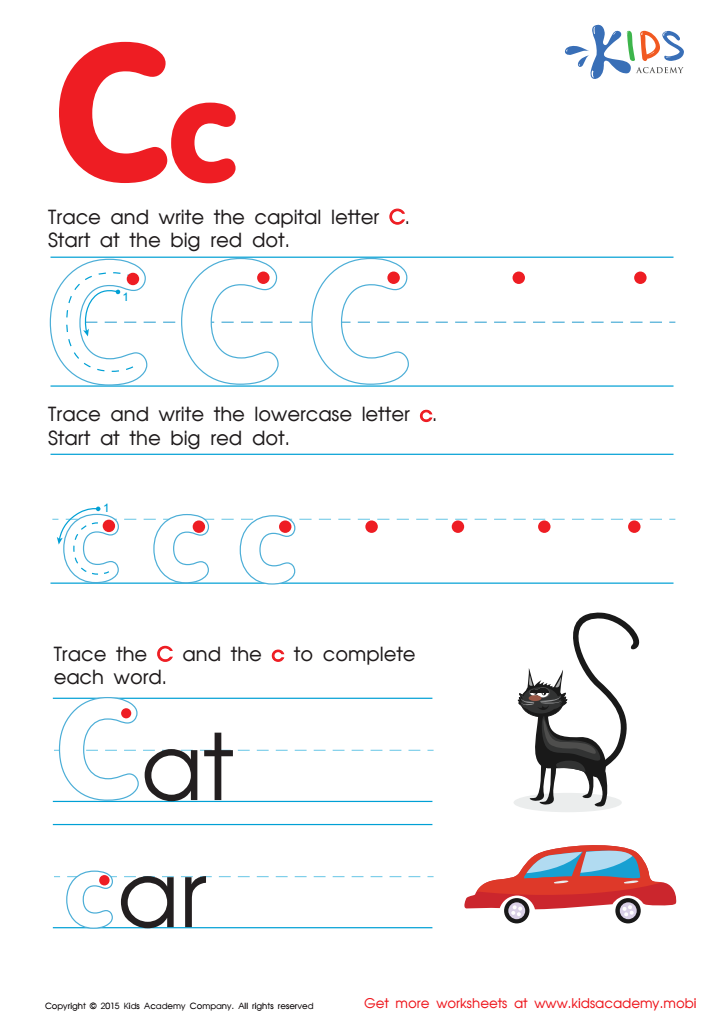
Letter C Tracing Page
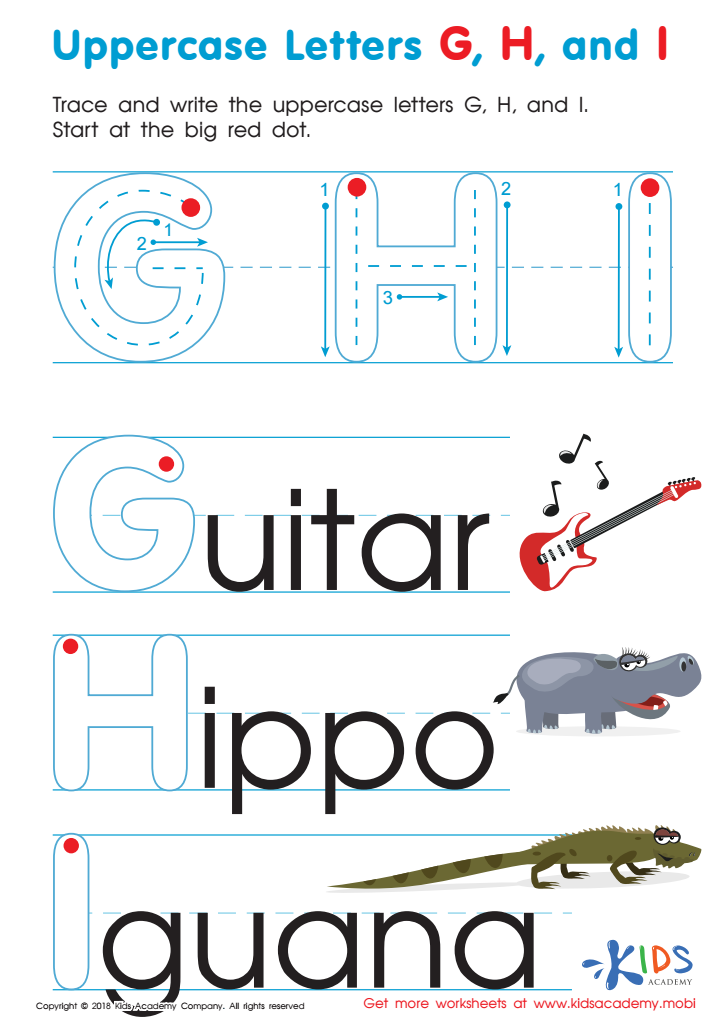
Uppercase Letters G, H, and I Worksheet
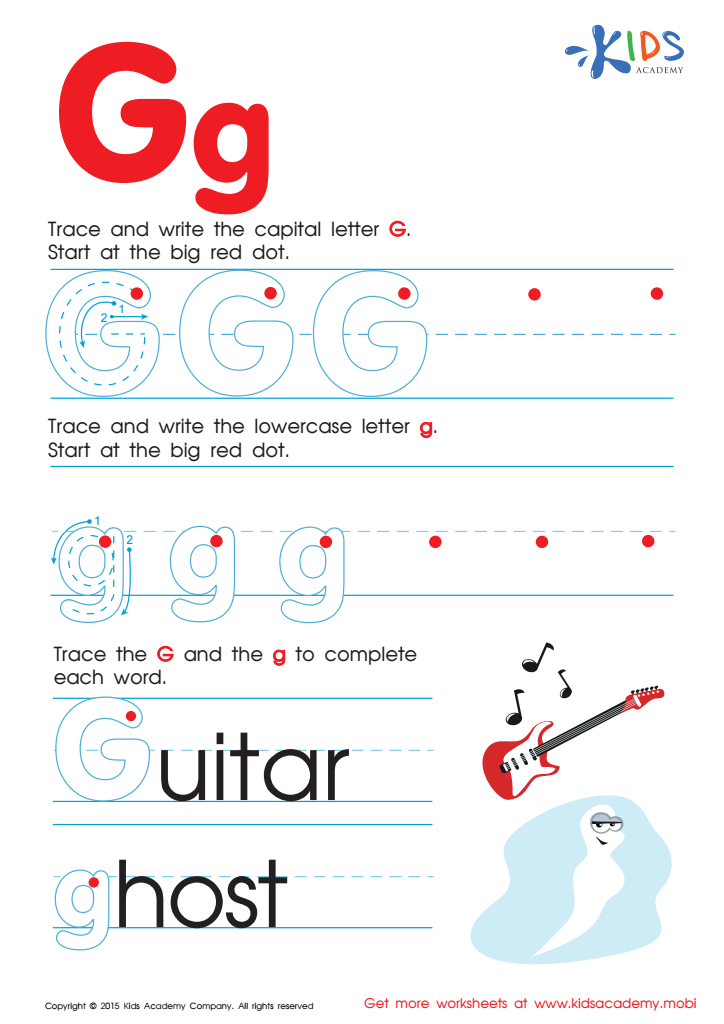
Letter G Tracing Page
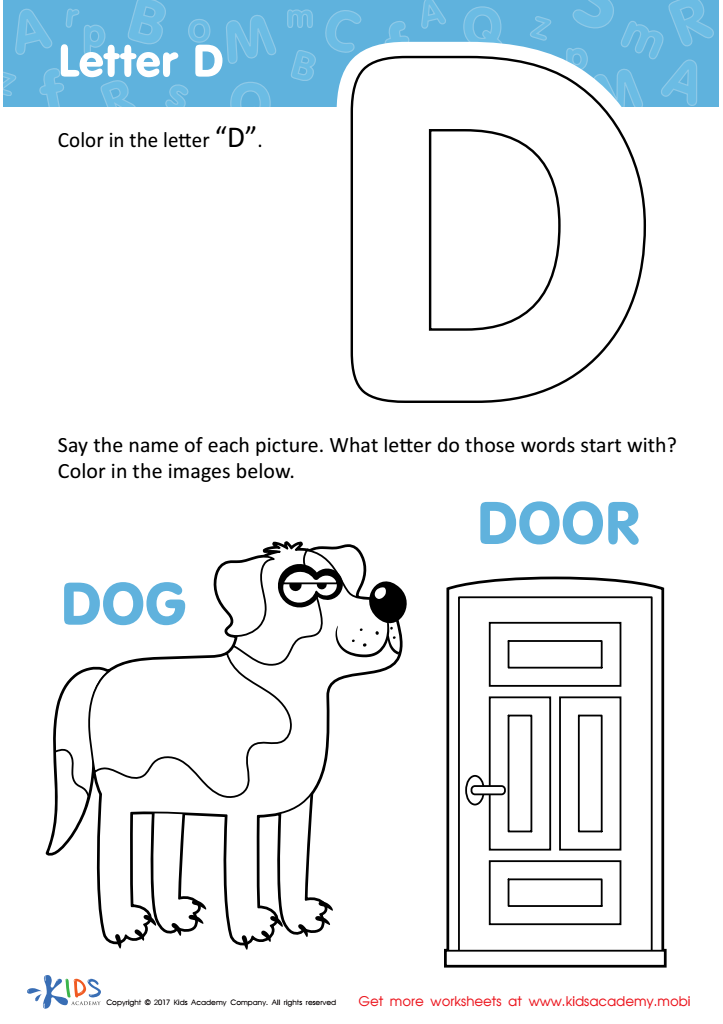
Letter D Coloring Sheet
Assign to My Students
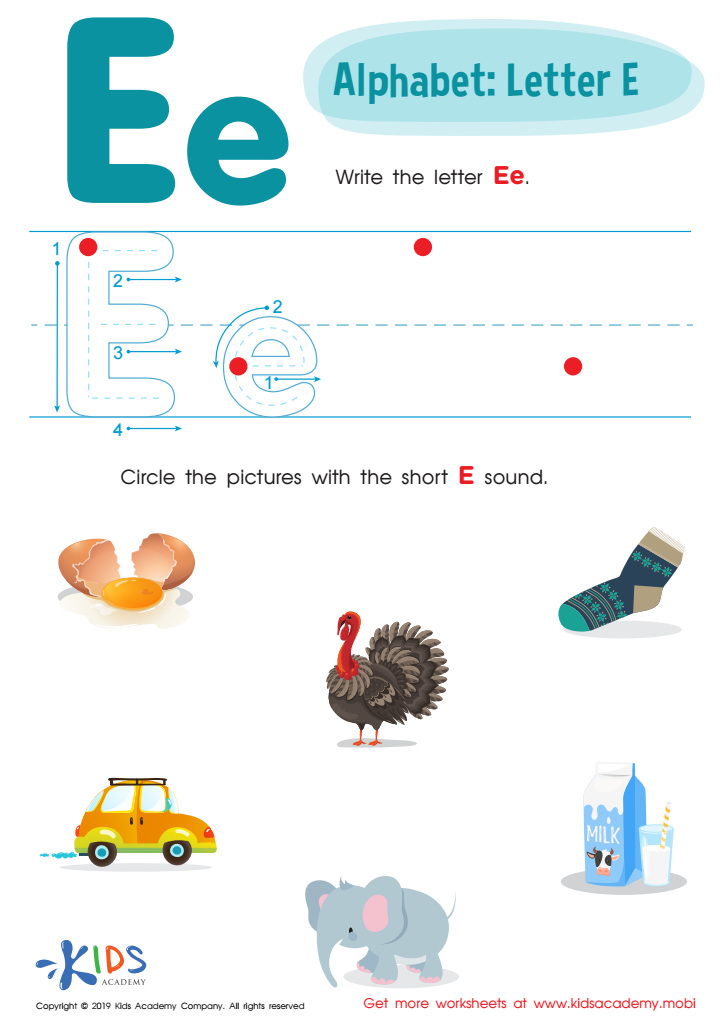
Letter E Tracing Worksheet
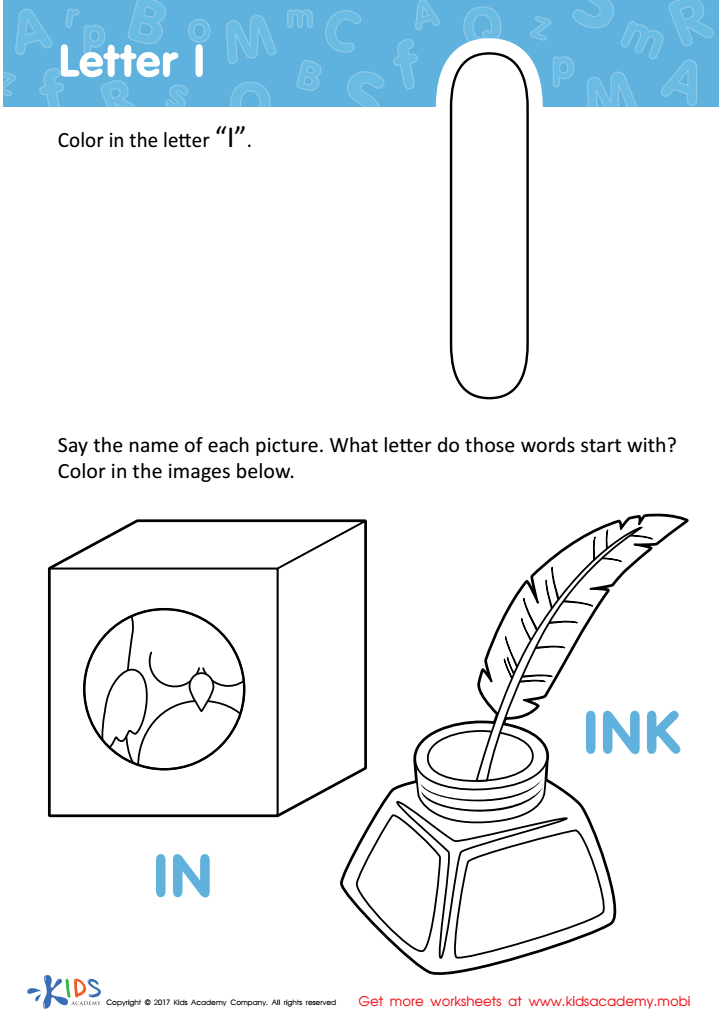
Letter I Coloring Sheet
Assign to My Students
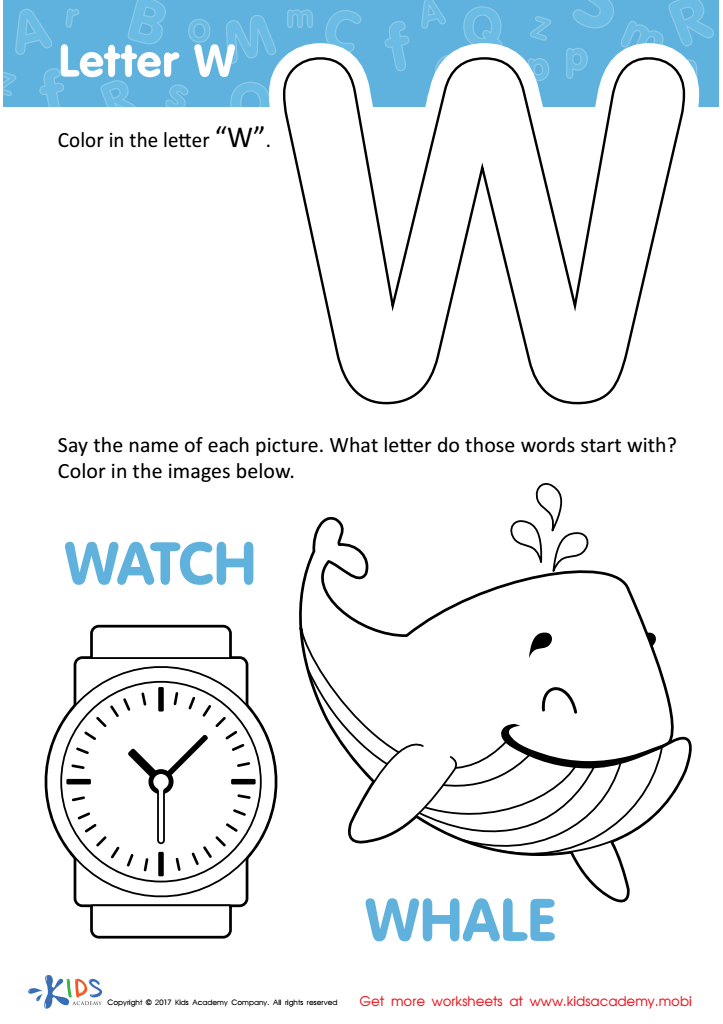
Letter W Coloring Sheet
Assign to My Students
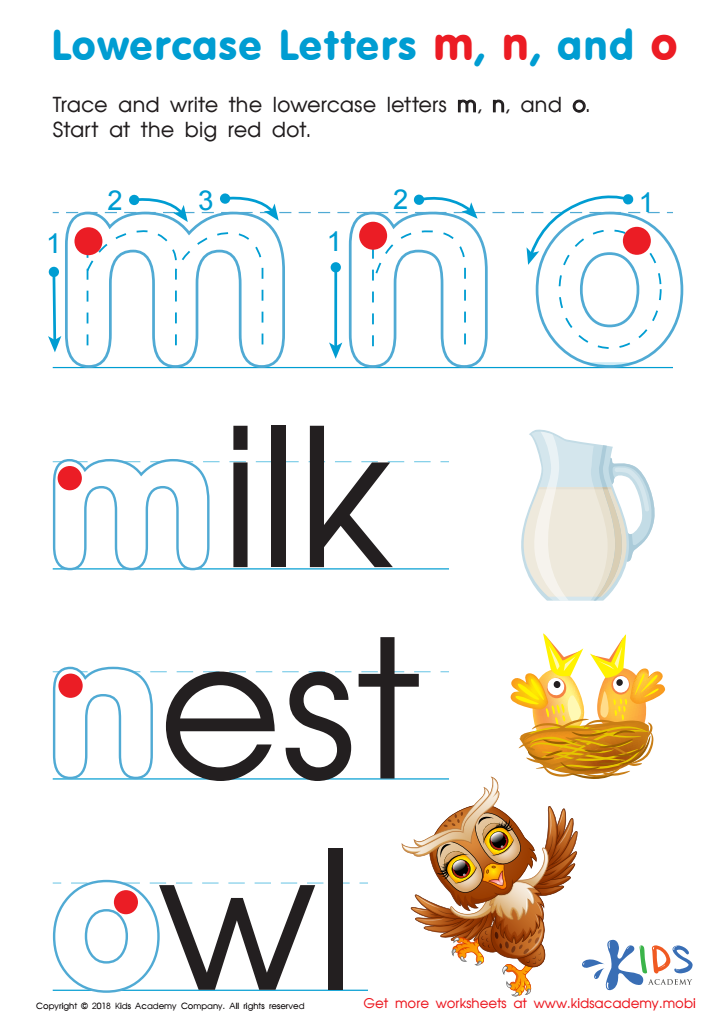
Lowercase Letters m n o Worksheet
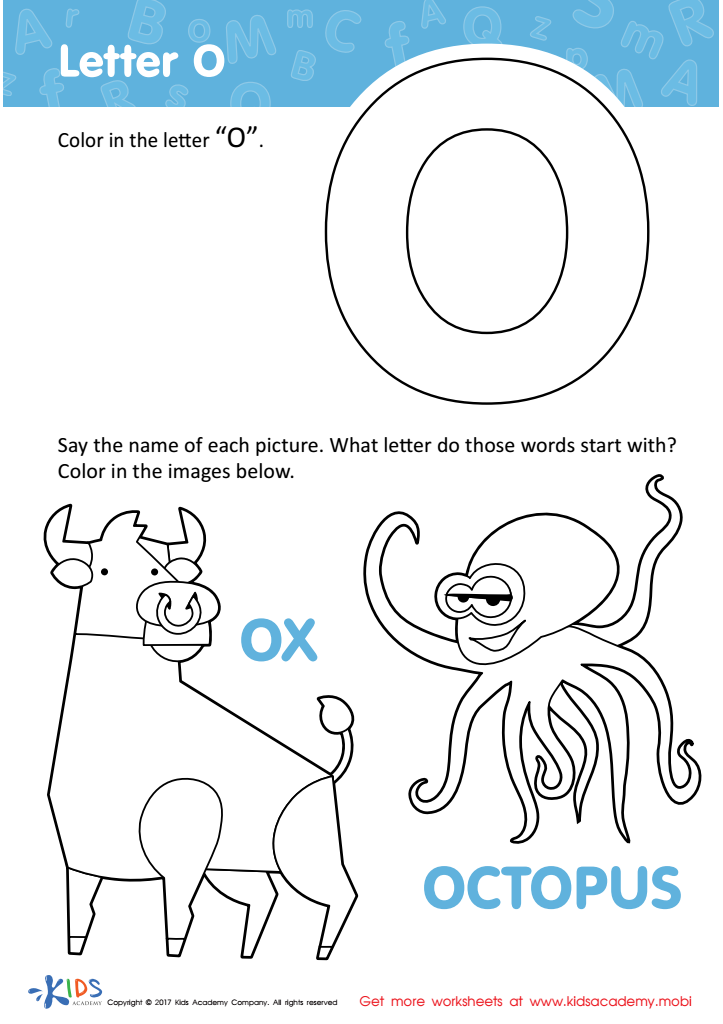
Letter O Coloring Sheet
Assign to My Students
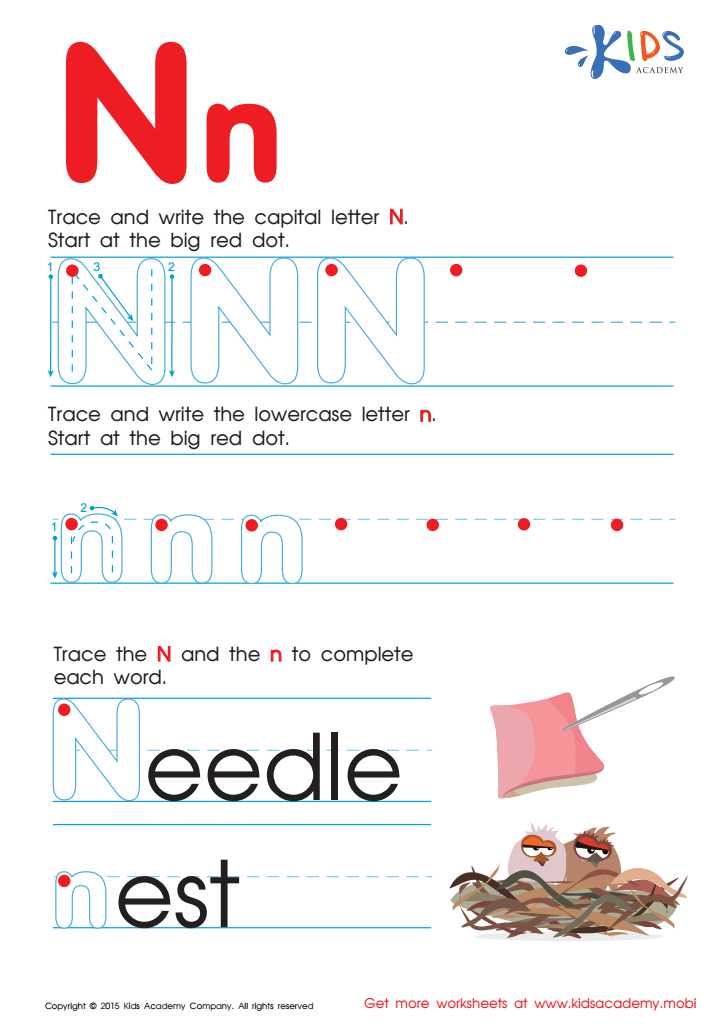
Letter N Tracing Page
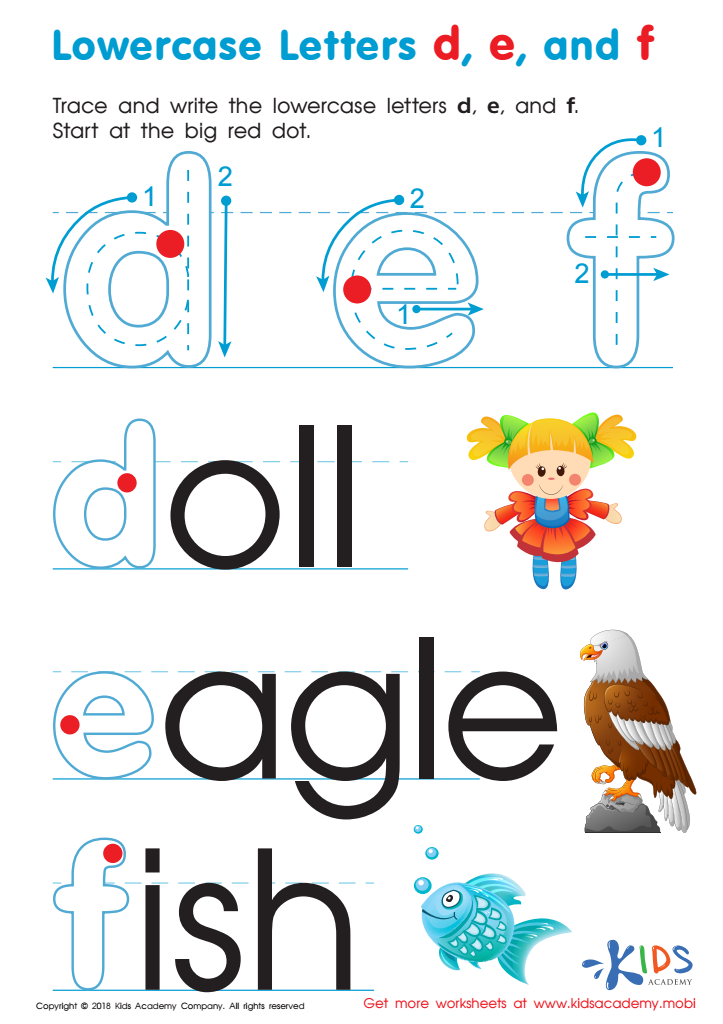
Lowercase Letters d e f Worksheet
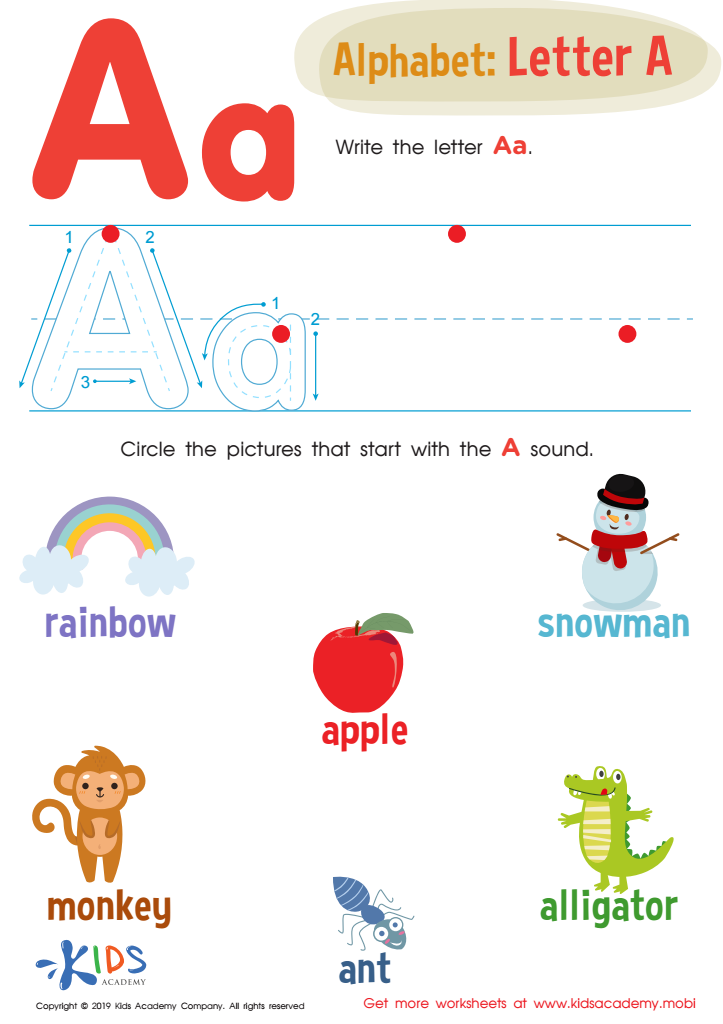
Letter A Tracing Worksheet
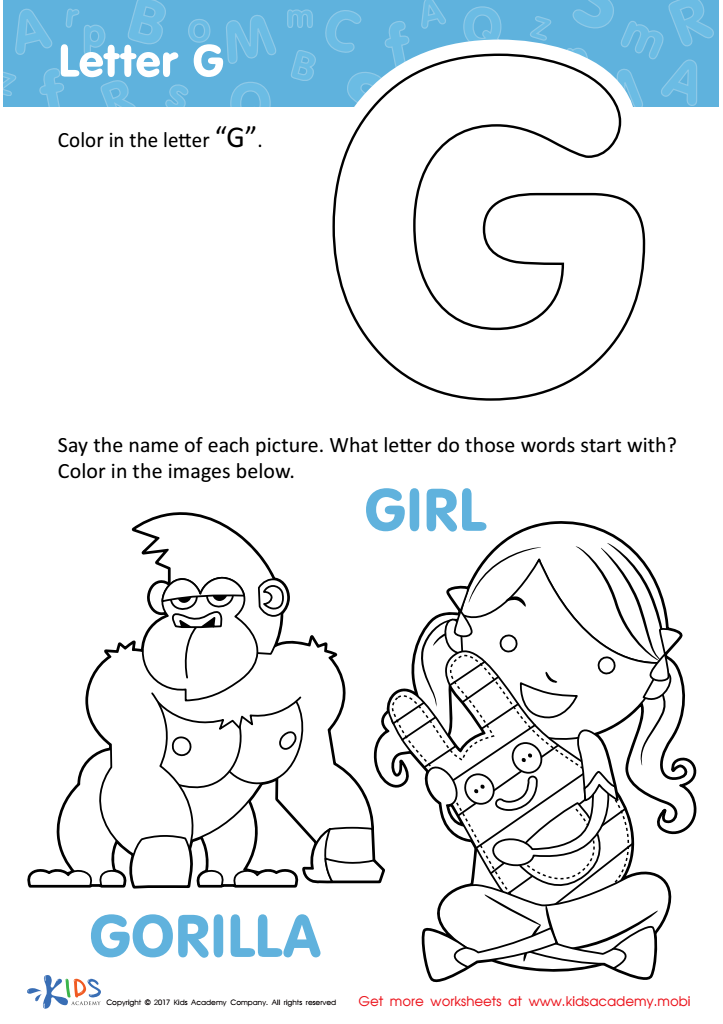
Letter G Coloring Sheet
Assign to My Students
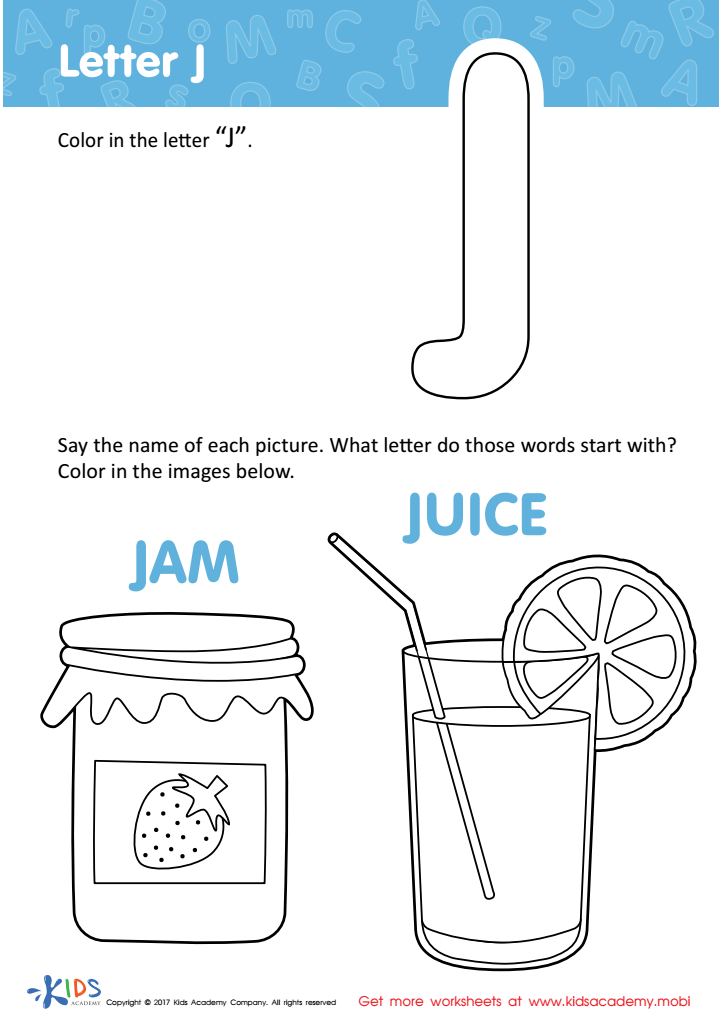
Letter J Coloring Sheet
Assign to My Students






Handwriting practice using the normal alphabet is crucial for children aged 4-9 for several reasons. First, it helps develop fine motor skills and hand-eye coordination, which are essential for various daily tasks. As young learners engage in writing, they strengthen the small muscles in their hands and fingers, paving the way for better control and dexterity.
Moreover, handwriting practice enhances cognitive development. When children learn to form letters and words, they also improve their spelling, vocabulary, and comprehension. Writing by hand requires active engagement, which aids memory retention and understanding.
Additionally, good handwriting supports self-expression. A child’s ability to communicate effectively through writing can boost their self-confidence and encourage creativity. As they develop their handwriting skills, they are better equipped to articulate their thoughts and feelings on paper.
Lastly, in our increasingly digital world, the ability to write clearly and legibly remains valuable. Handwriting is still used in everyday situations, from signing documents to jotting down notes. By prioritizing handwriting practice, parents and teachers are setting children up for academic success and helping them become effective communicators in both traditional and modern contexts.







