Filters

7 filtered results

Clear all filters
Favorites
With answer key
Interactive

7 filtered results

Difficulty Level

Grade


Discover our engaging "Problem-Solving Skills Normal Alphabet Worksheets for Ages 4-9" specially designed to boost young learners' alphabets and analytical abilities. Each worksheet combines fun activities with essential problem-solving tasks, allowing children to recognize letters, while developing critical thinking and reasoning skills. Perfect for early learners, these worksheets encourage creativity and intellectual growth through puzzles, matching games, and more. Ideal for both classroom and at-home learning, they provide a solid foundation in literacy and cognitive abilities. Help your child master the alphabet and enhance their problem-solving skills with our expertly crafted resources.

Check out this FREE Trial Lesson on Alphabet for age 4-9!

Long Vowels

Favorites
With answer key
Interactive
  • 4-9
  • Problem-Solving Skills
  • Alphabet
  • Normal
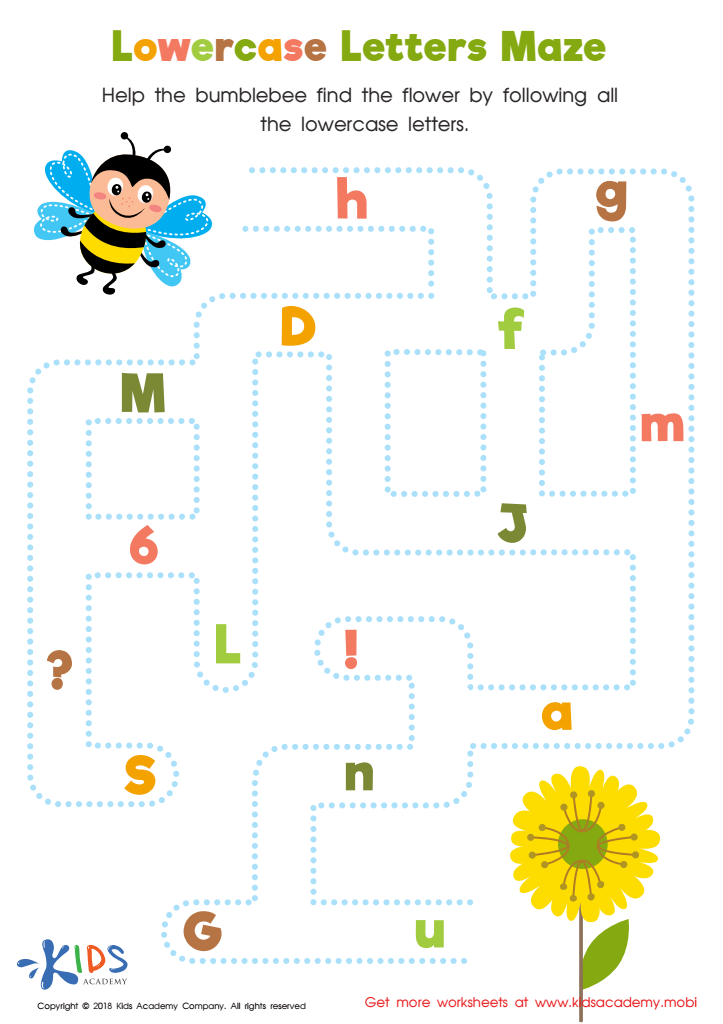
Lowercase Letters Maze Worksheet Preview

Lowercase Letters Maze Worksheet

Traceable pages can be great learning tools for children. For example, have them trace the path of lowercase letters to help a bumblebee pollinate flowers. Students will quickly learn the difference between uppercase and lowercase letters and numbers, and have fun doing it!
Lowercase Letters Maze Worksheet
Worksheet
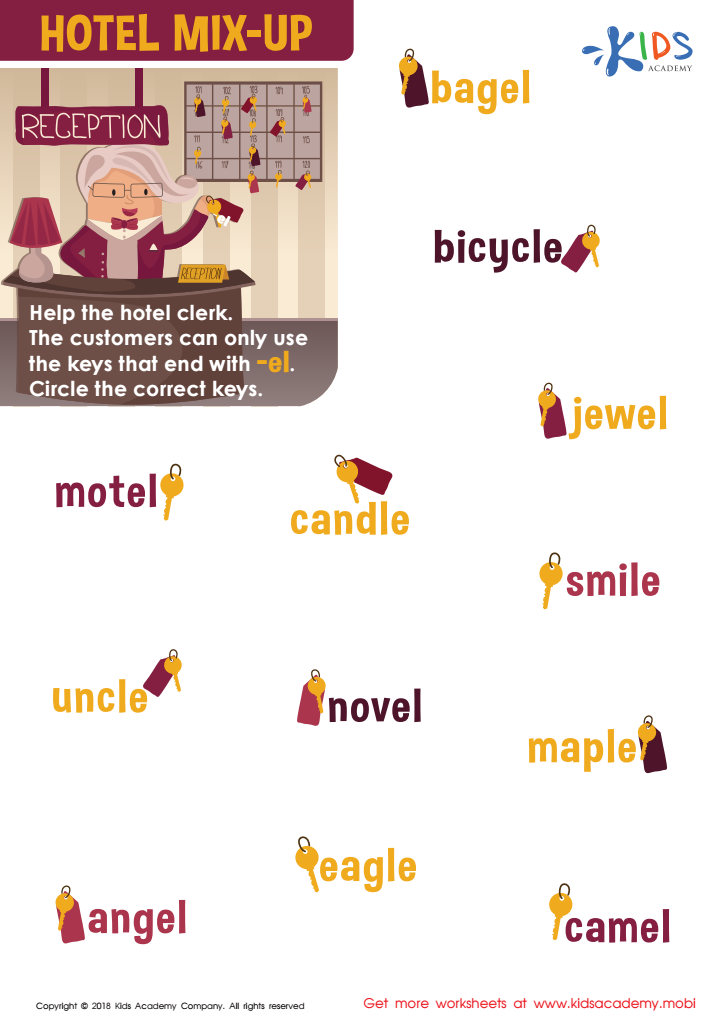
Hotel Mix-up Worksheet

Hotel Mix-up Worksheet

Before doing this worksheet, explain to your kids what a hotel is. It's a building where guests can stay for a few days and pay for their stay. In this exercise, the hotel clerk needs help finding the correct keys. Have your kids circle words ending with -el to find the right ones.
Hotel Mix-up Worksheet
Worksheet
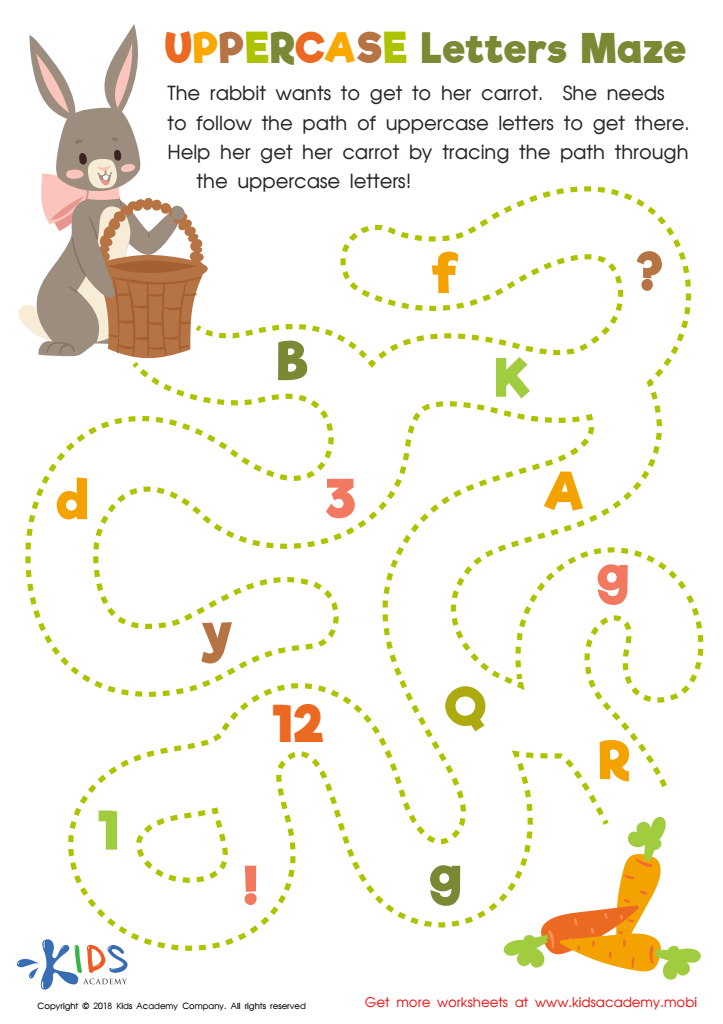
Uppercase Letters Maze Worksheet Preview

Uppercase Letters Maze Worksheet

Kids can have fun helping a rabbit find her carrot by picking the path with uppercase letters. This worksheet teaches letter differentiation while building confidence. Kids will have a great time while getting an essential skill!
Uppercase Letters Maze Worksheet
Worksheet
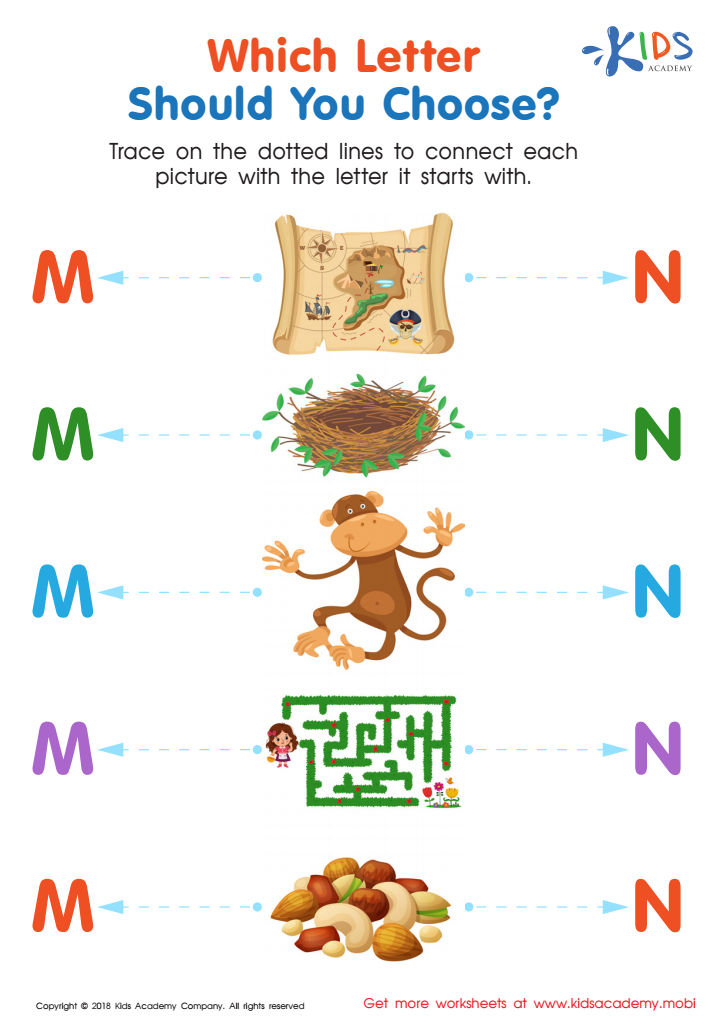
Which Letter Should you Choose? Worksheet

Which Letter Should you Choose? Worksheet

Trace the dotted lines to connect images with their first letter: "n" or "m." Challenge your child to name each picture, then identify the first letter and trace to the right letter! Five images in total.
Which Letter Should you Choose? Worksheet
Worksheet
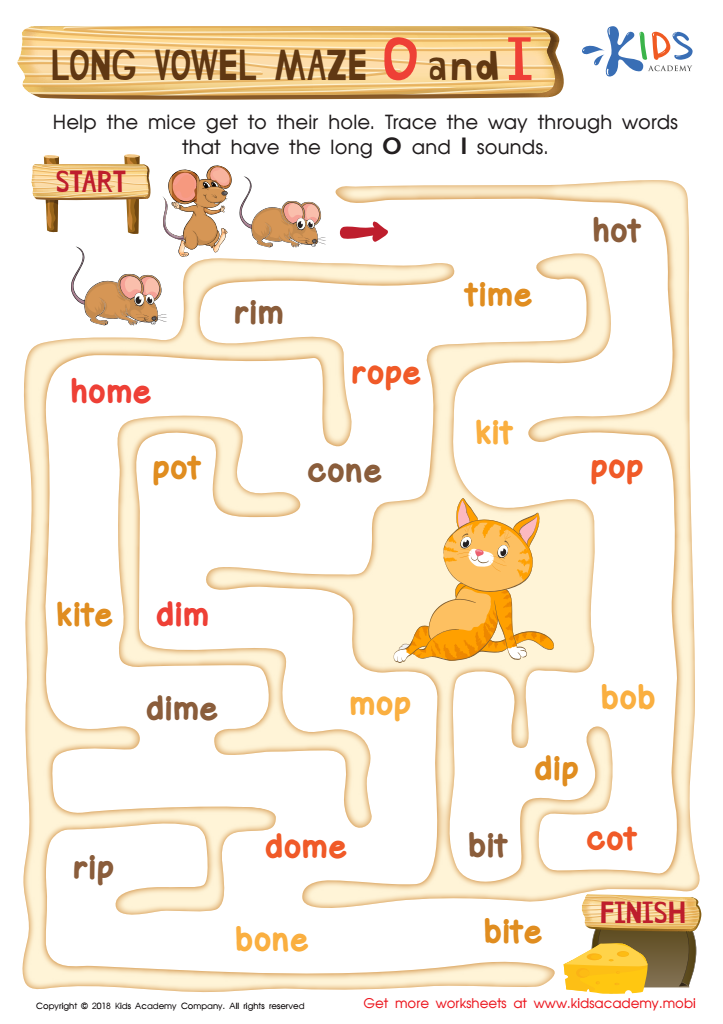
Long Vowel Maze /o/ and /i/ Worksheet

Long Vowel Maze /o/ and /i/ Worksheet

Help your new readers have fun and build their sight word vocabulary! Guide the mice to their prize cheese by having them trace the route on the worksheet, using words with the long o and long i sounds. But watch out for the kitty!
Long Vowel Maze /o/ and /i/ Worksheet
Worksheet
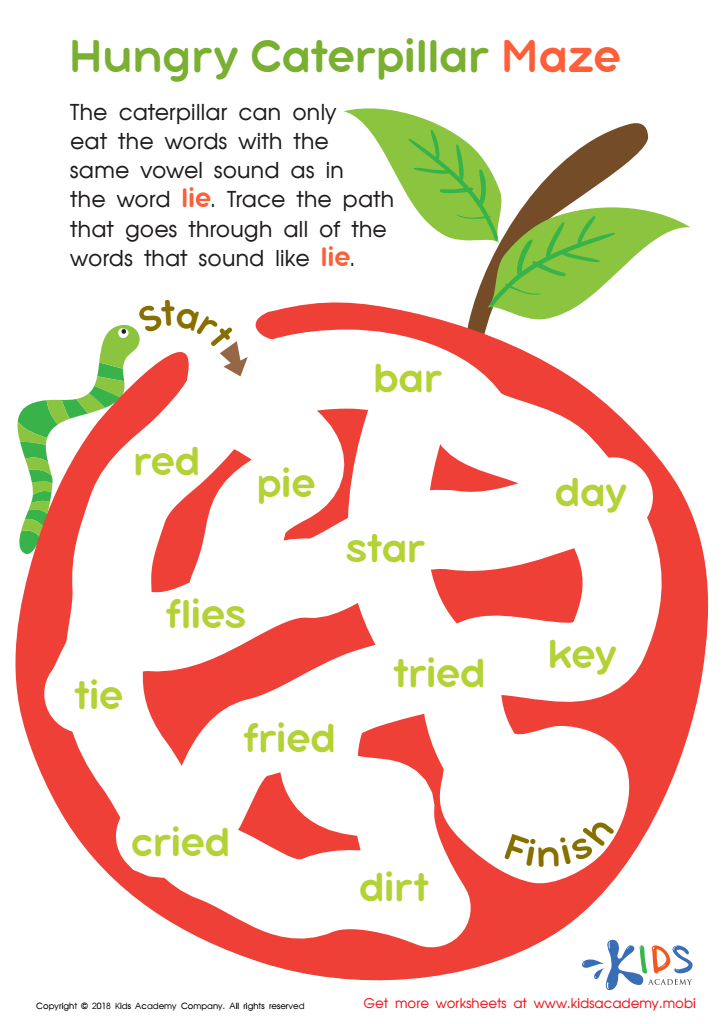
Hungry Caterpillar Maze Worksheet

Hungry Caterpillar Maze Worksheet

Remind the kids that caterpillars turn into butterflies! This worksheet helps them practice their vowel sounds. They must trace the path of words that sound like ‘lie’ to help the caterpillar reach the finish line. It's a fun way to learn and explore!
Hungry Caterpillar Maze Worksheet
Worksheet
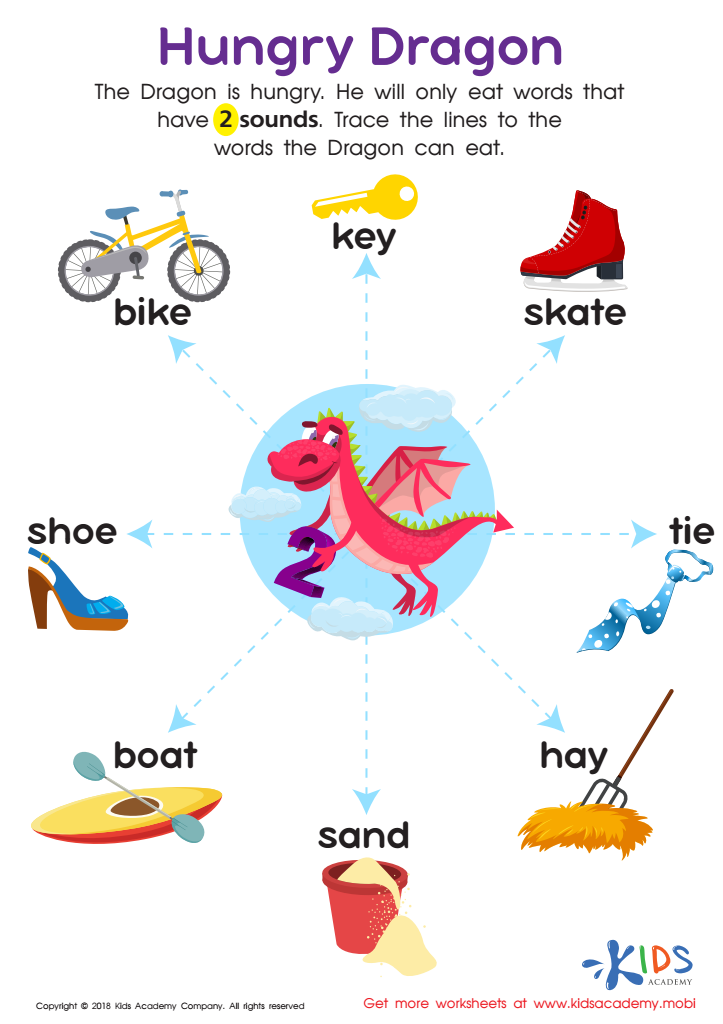
Hungry Dragon Worksheet


Hungry Dragon Worksheet

Feed the dragon words and watch your child strengthen their phonological awareness and auditory discrimination skills! Download this free PDF for tracing exercises that build their fine motor skills too. Kids will love spending time with the cute dragon while they unwittingly learn reading skills!
Hungry Dragon Worksheet
Worksheet


Parents and teachers should deeply care about problem-solving skills for children ages 4-9 because these foundational years are critical for cognitive and social development. Encouraging problem-solving abilities helps kids develop critical thinking, resilience, and adaptability, which are essential life skills. During this stage, children's brains are incredibly malleable, providing an optimal time for learning to navigate challenges and think independently.

Problem-solving skills foster creativity and innovation, empowering children to approach tasks and challenges from multiple angles. This skill set not only aids in academic success but also in everyday life, allowing children to become more self-reliant and confident in their abilities. For instance, when kids learn to solve puzzles or resolve conflicts with peers, they're practicing valuable techniques that will serve them well throughout their lives.

Additionally, problem-solving promotes perseverance. When children encounter obstacles, having the skills to address and overcome them teaches them grit and determination. It also enhances their interpersonal skills, as many problems require teamwork, negotiation, and collaboration to solve.

Ultimately, investing time in developing children's problem-solving skills early on sets a strong foundation for lifelong learning and success. It helps nurture well-rounded, capable individuals who can think critically and navigate the complexities of the world with confidence.