Reading enhancement Normal Alphabet Worksheets for Ages 4-9
3 filtered results
-
From - To
Enhance your child's reading skills with our engaging Normal Alphabet Worksheets, designed for ages 4-9. These worksheets offer a fun and interactive way for children to learn letter recognition, phonics, and basic vocabulary. By practicing with colorful exercises, kids will develop essential literacy skills that lay the foundation for their future reading success. Tailored specifically for young learners, our resources aim to foster a love for reading while boosting confidence and comprehension. Perfect for parents and educators, these worksheets are ideal for at-home practice or classroom activities. Unleash your child's potential with our Reading Enhancement Normal Alphabet Worksheets today!
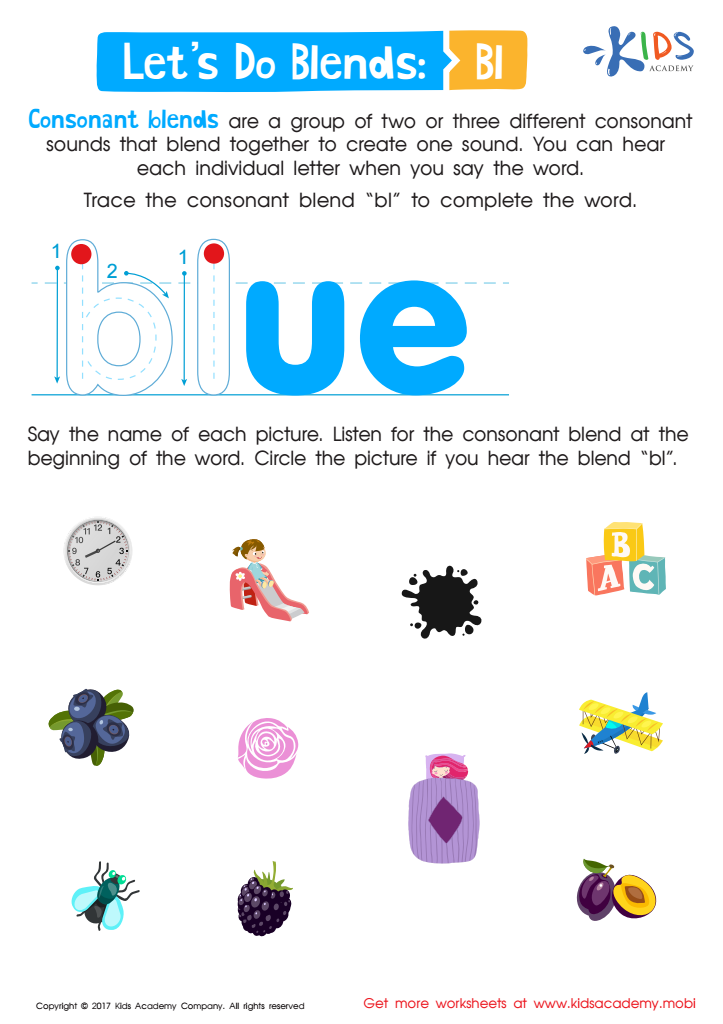
Beginning Blends: "Bl" Words Worksheet
 Assign to My Students
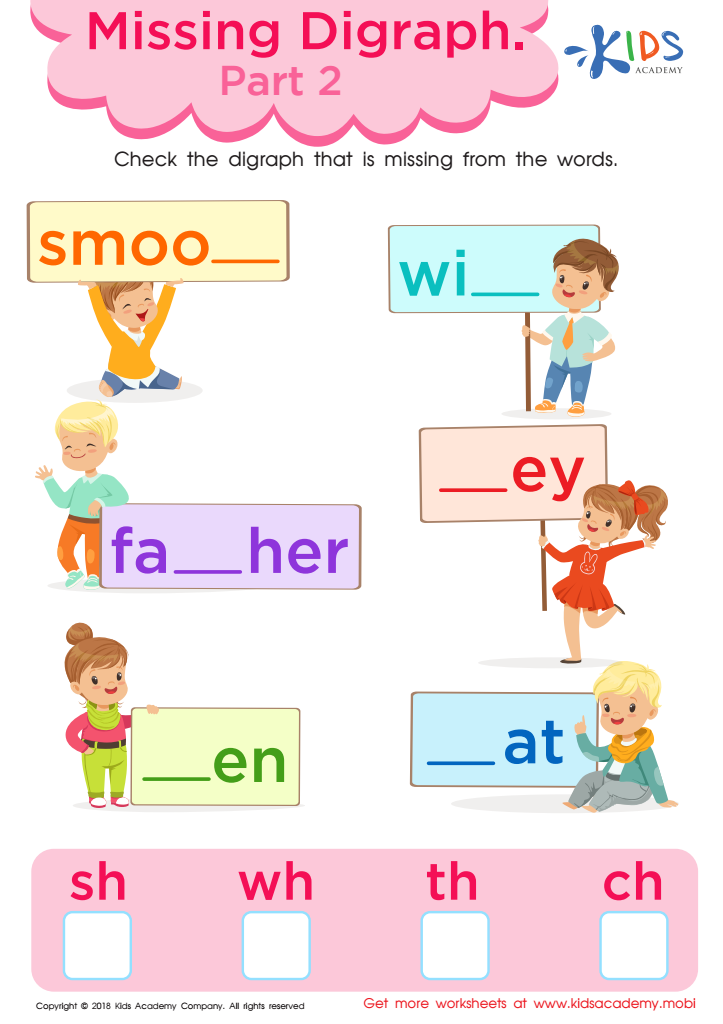
Missing Digraph: Part 2 Worksheet
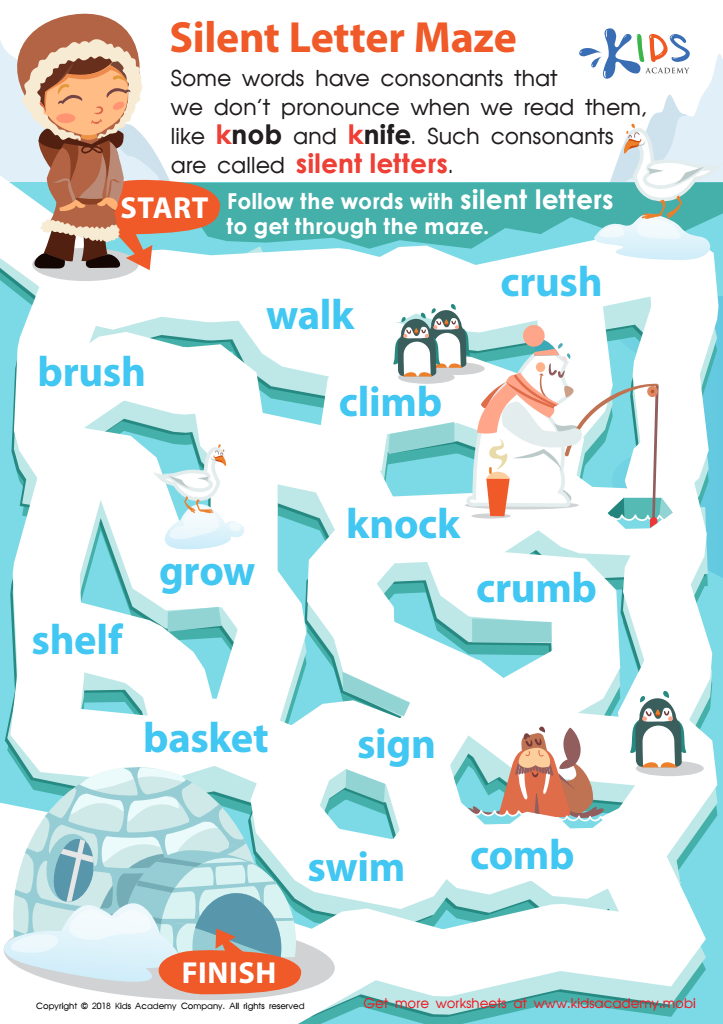
Silent Letter Maze Worksheet





.jpg)

Reading enhancement using the Normal Alphabet for children aged 4-9 is essential for several reasons. First, this period is critical for literacy development as children are forming the foundational skills necessary for fluent reading and comprehension. Programs focused on reading enhancement provide age-appropriate strategies that cater to young learners' developmental stages, making literacy acquisition both engaging and effective.
Moreover, early reading skills are closely linked to overall academic success. Children who develop strong reading abilities from a young age are more likely to excel in school and enjoy a lifelong love of reading. This foundational literacy not only boosts confidence but also enhances vocabulary and communication skills, essential for social interactions.
Parents and teachers play a crucial role in fostering a positive reading environment. By emphasizing reading enhancement, they help children unlock the joy of storytelling and information exploration which broadens their horizons.
Additionally, early literacy skills can mitigate the risk of reading difficulties later on. Children equipped with strong reading habits are better prepared for future educational challenges. Thus, prioritizing reading enhancement through methods utilizing the Normal Alphabet not only nurtures individual potential but supports broader educational development within communities. By investing in reading today, we create more informed, capable, and enthusiastic learners for tomorrow.







