Sound recognition Normal Alphabet Worksheets for Ages 4-9
11 filtered results
-
From - To
Unlock the power of effective phonics development with our Sound Recognition Normal Alphabet Worksheets, designed specifically for children aged 4 to 9. These engaging, interactive worksheets help young learners grasp the sounds associated with each letter of the alphabet, promoting early literacy skills and language proficiency. Each worksheet features colorful illustrations and fun activities that make learning enjoyable and effective. By encouraging recognition of letter sounds, these resources lay the foundation for reading and writing success. Perfect for classroom settings or at-home practice, our worksheets are an essential tool for nurturing confident readers and lifelong learners. Explore our collection today!
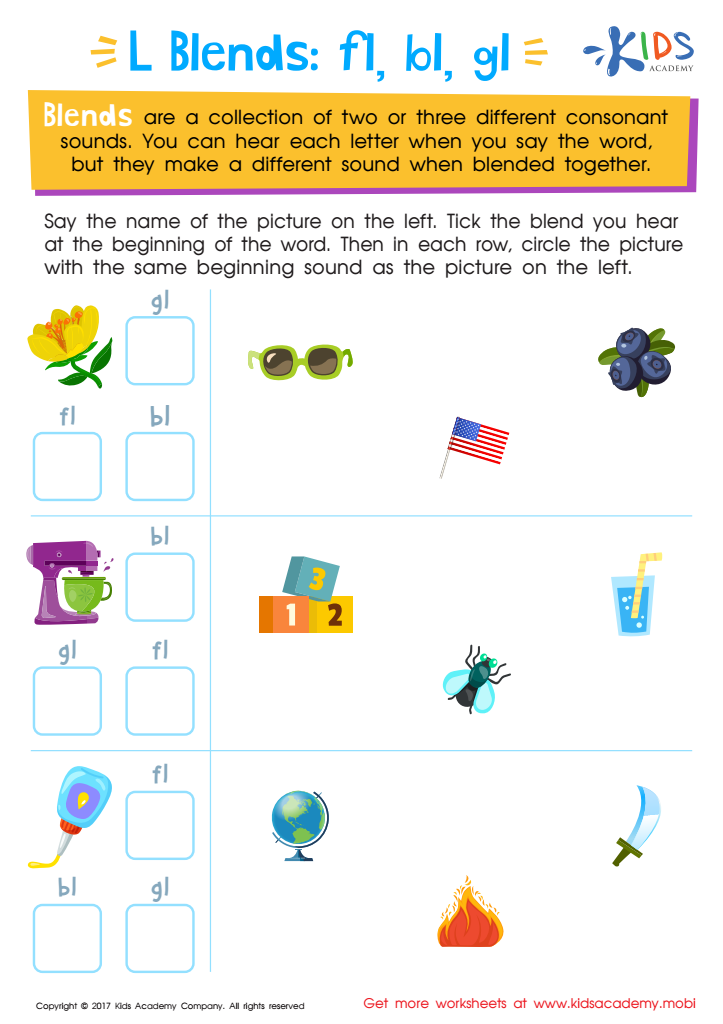
Blending Consonants: "Fl", "Bl" and "Gl" Printable
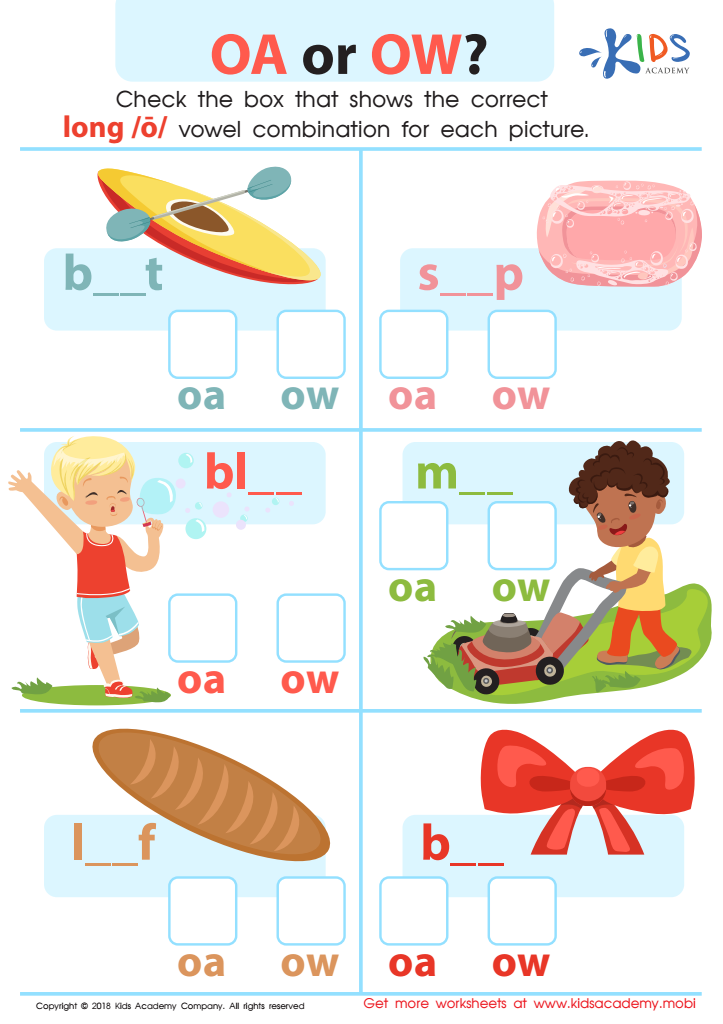
Reading: OA or OW Worksheet
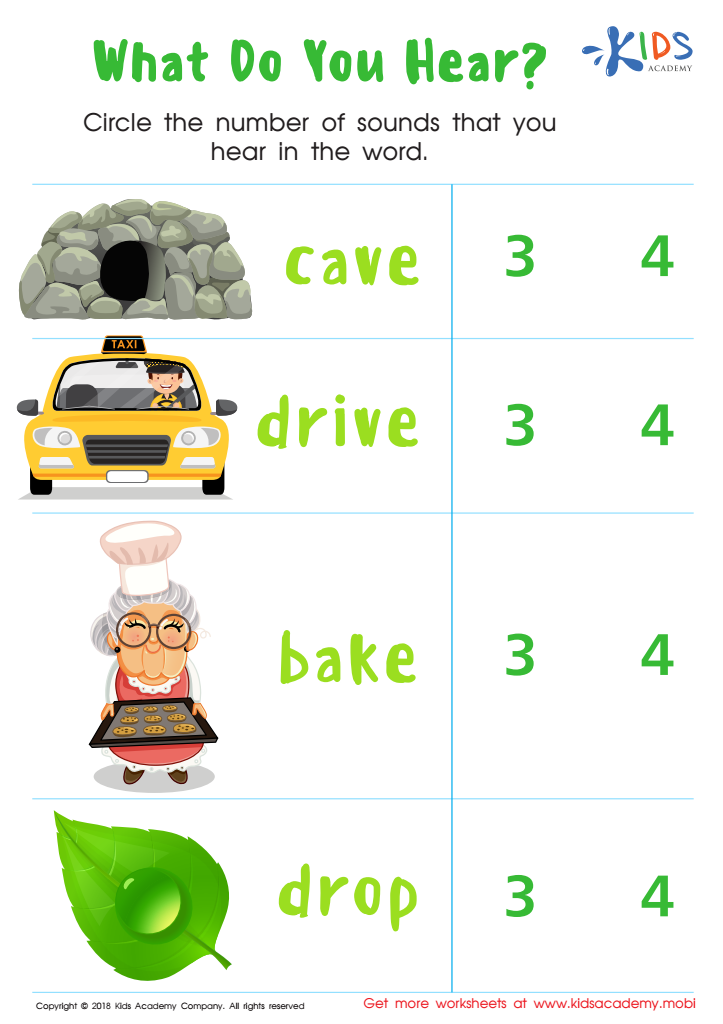
What Do You Hear? Worksheet
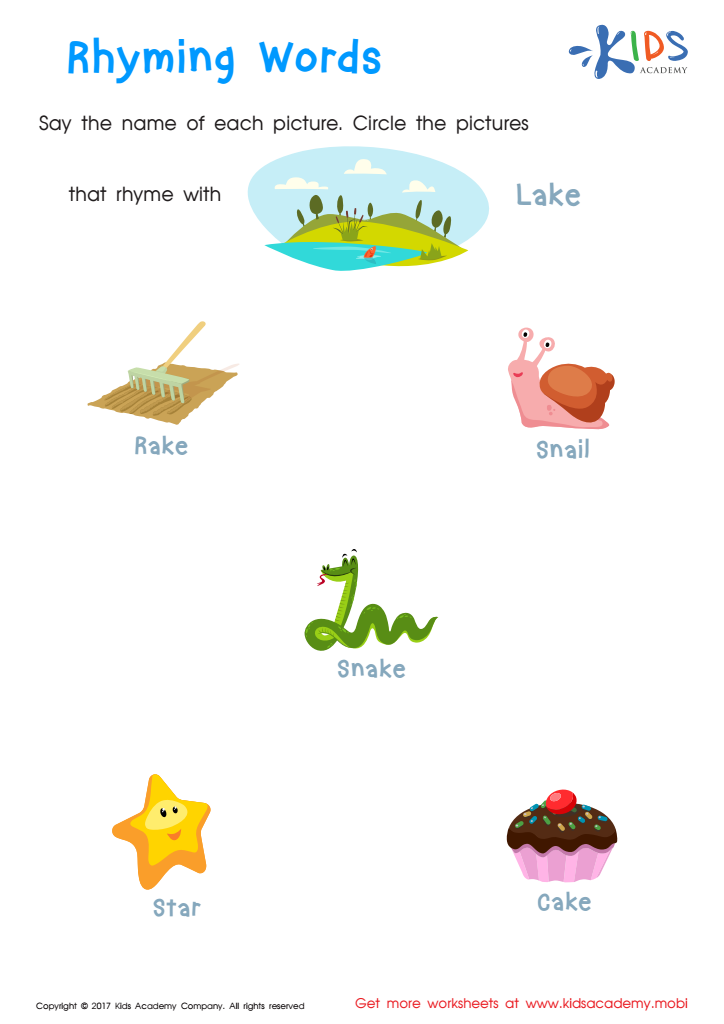
Rhyming Words Rhyming Worksheet
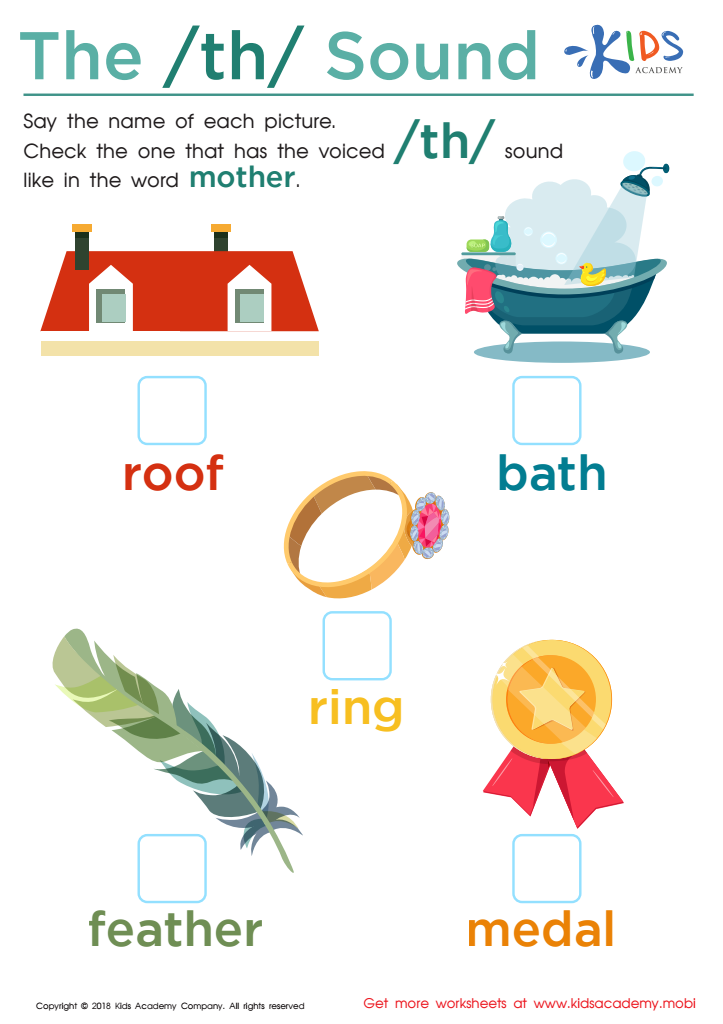
The /th/ Sound Worksheet
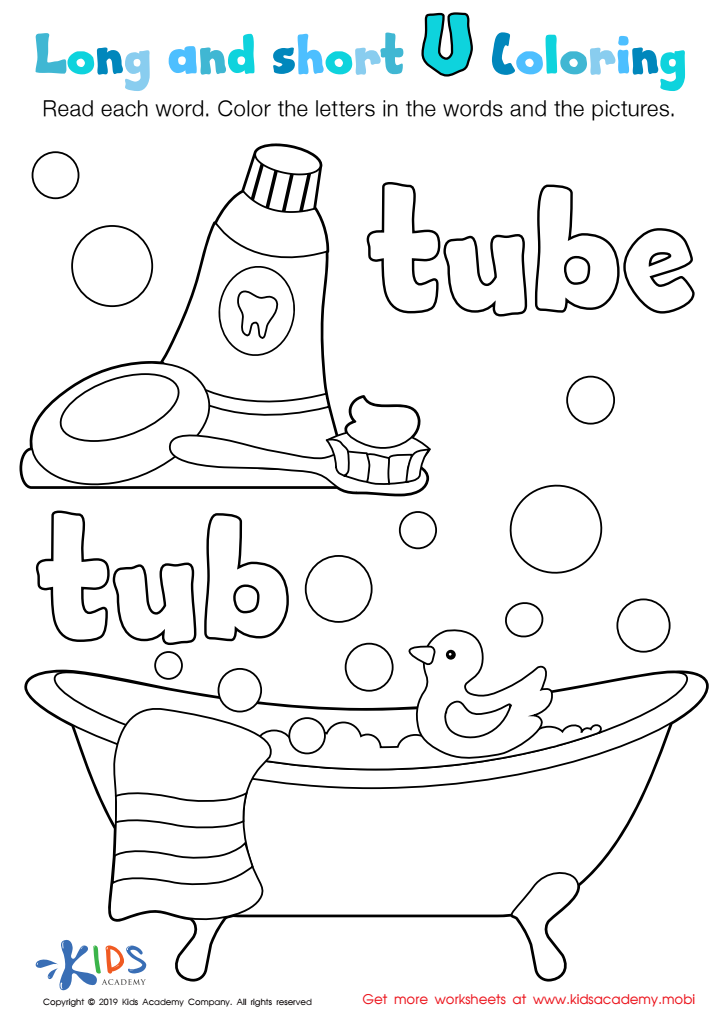
Long and Short U Worksheet
 Assign to My Students
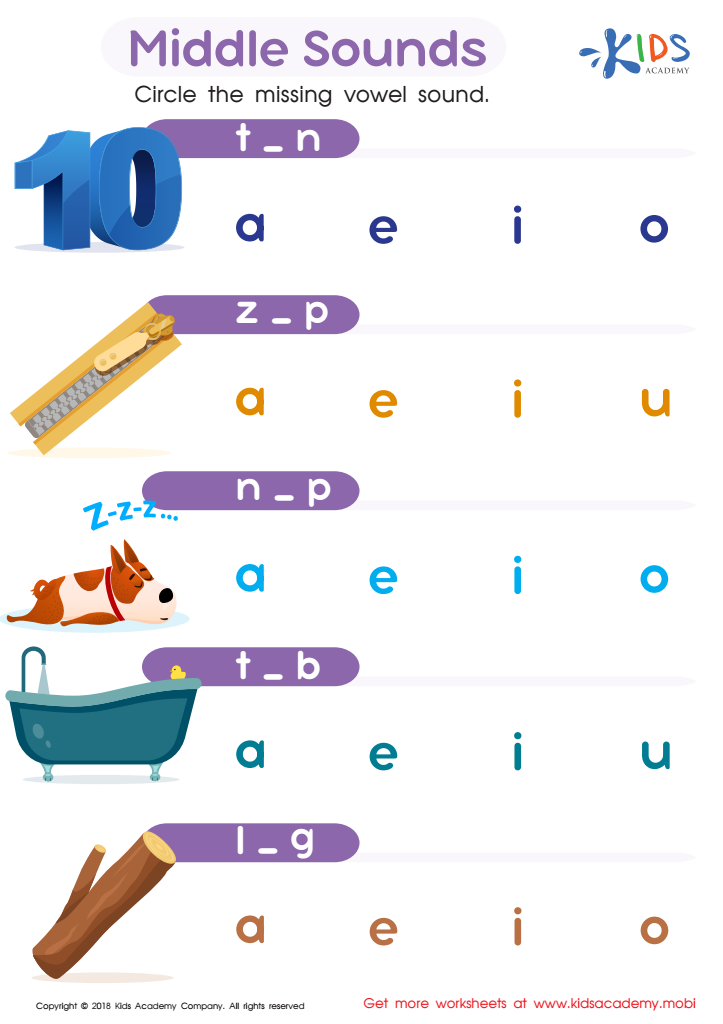
Middle Sounds Worksheet
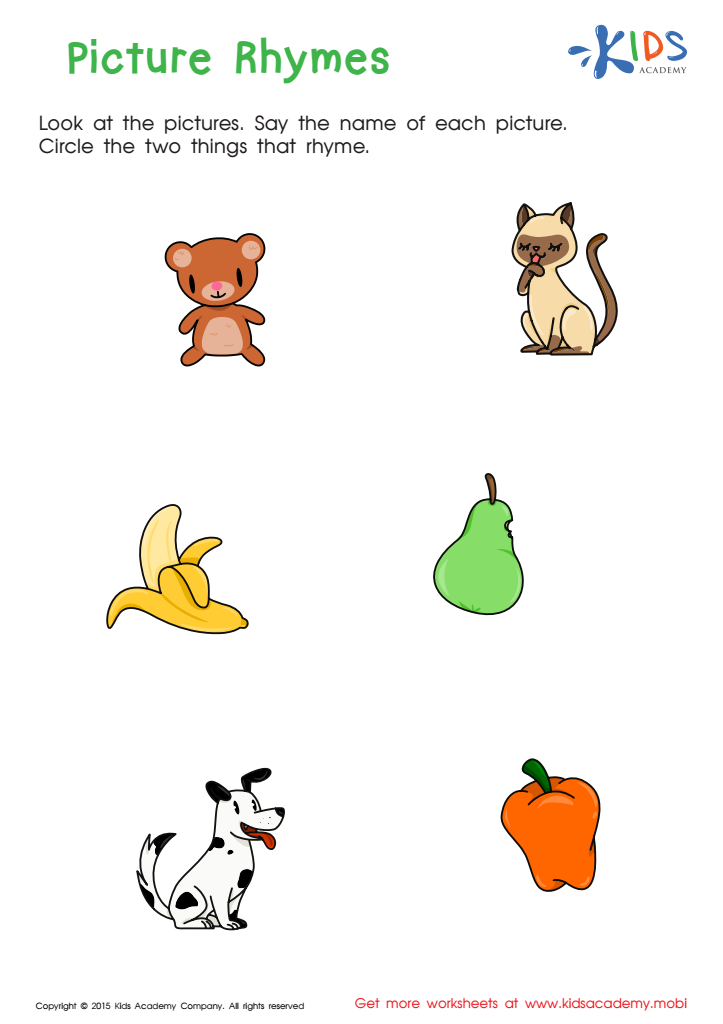
First Words: Picture Rhymes Worksheet
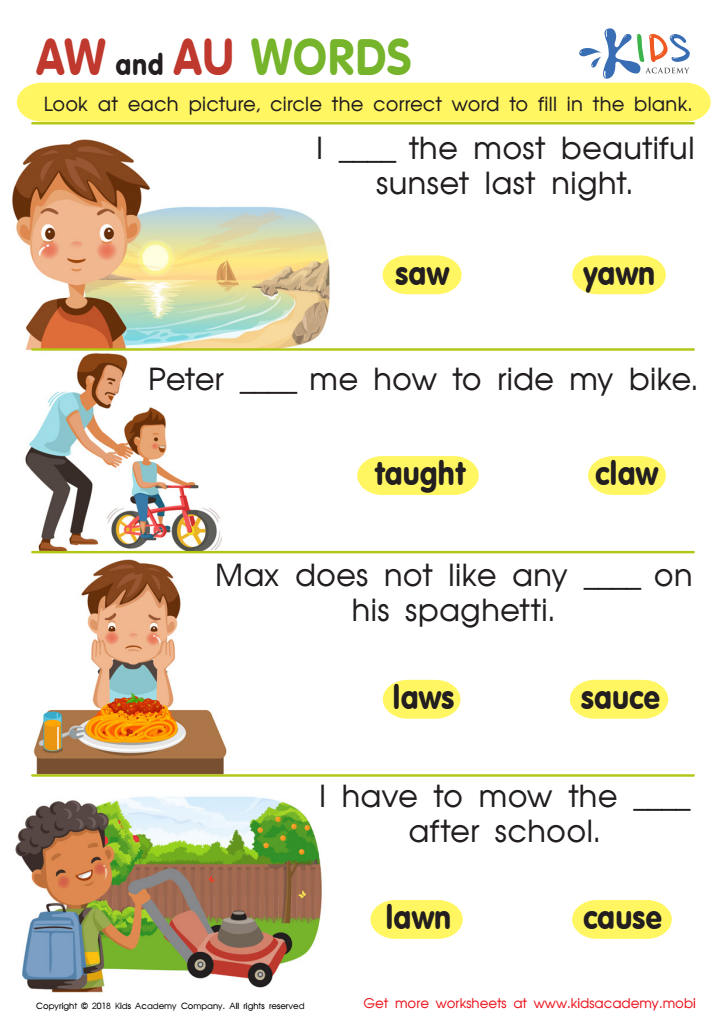
Reading: AW and AU Words Worksheet
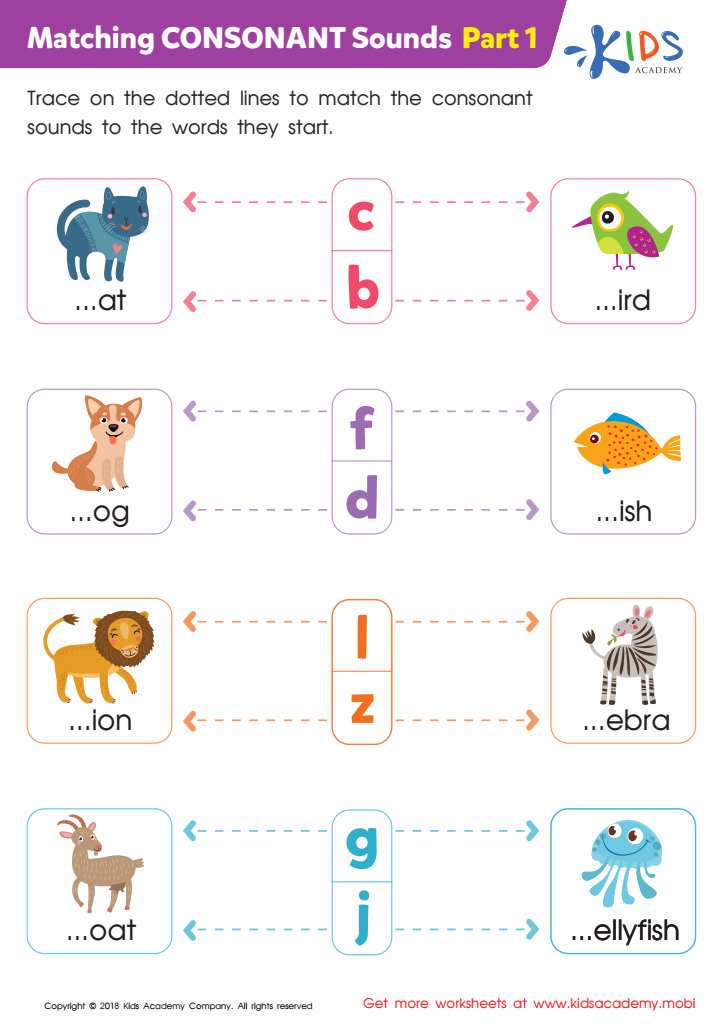
Matching Consonant Sounds: Part 1 Worksheet
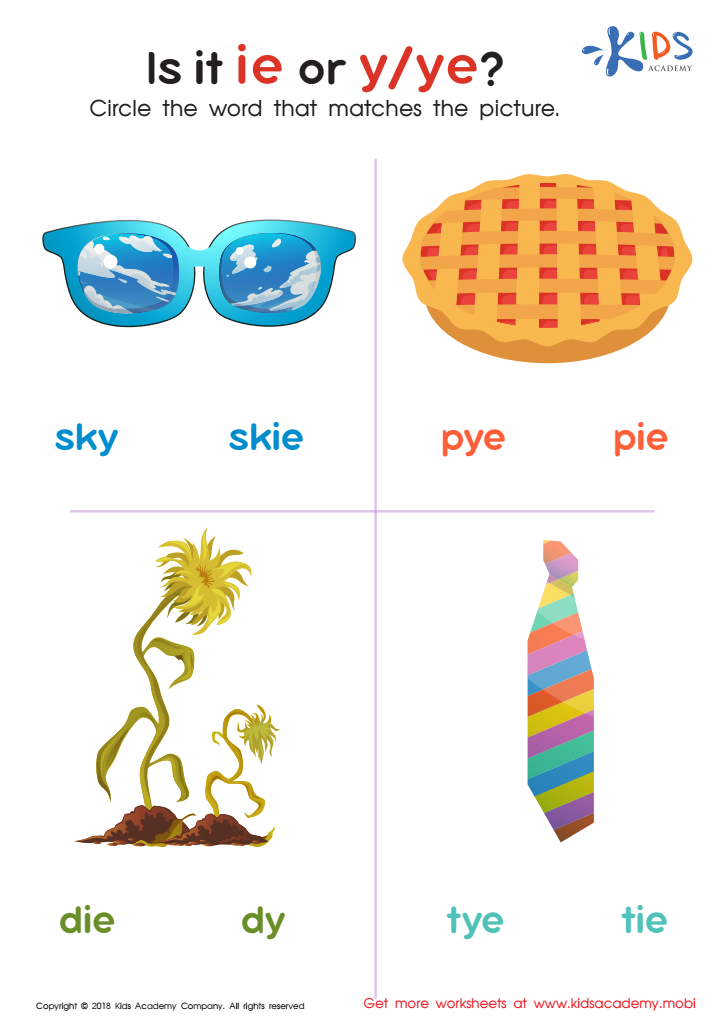
Is It IE or Y/Ye? Worksheet








Sound recognition of the normal alphabet is a vital skill for children aged 4-9, acting as a cornerstone for their literacy development. It enables children to connect sounds to letters, fostering phonemic awareness, which is essential for reading and writing.
Firstly, sound recognition aids in the development of decoding skills. Children learn to blend sounds to form words, which is crucial for reading fluency. Understanding these sound-letter relationships not only enhances their ability to read but also boosts spelling and writing skills.
Secondly, this foundational skill supports language development and vocabulary building. When children can recognize and manipulate sounds, they gain confidence in their communication abilities, allowing them to express thoughts and ideas more clearly.
Moreover, both parents and teachers play pivotal roles in this process. Engaging children in fun activities involving letters and sounds, including songs, games, and storytime, creates a supportive learning environment. By prioritizing sound recognition, parents and teachers equip children with the necessary tools to succeed academically while fostering a lifelong love of reading and learning.
In summary, sound recognition of the alphabet is essential for literacy and language skills in children, making it imperative for educators and caregivers to prioritize this aspect of early education.







