Word Recognition Normal Alphabet Worksheets for Ages 4-9 - Page 2
26 filtered results
-
From - To
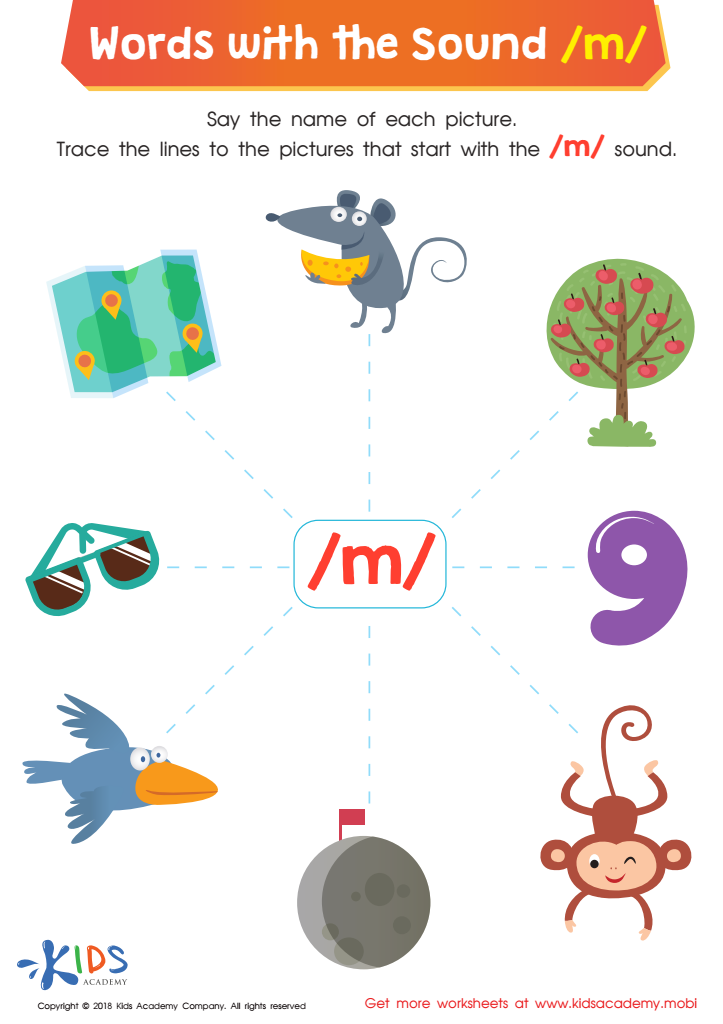
Words with Sound M Reading Worksheet
 Assign to My Students
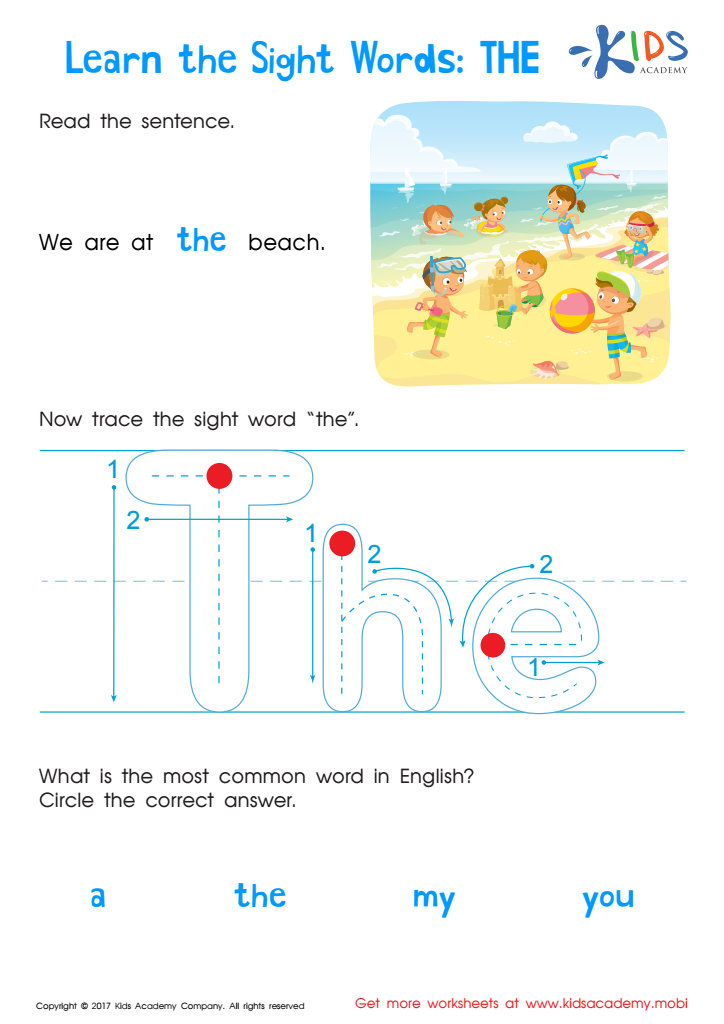
Sight Words: The Worksheet








Word recognition is a crucial skill for children ages 4-9 as it forms the foundation for reading fluency and comprehension. At this developmental stage, children are rapidly acquiring language skills, and effective word recognition helps enhance their vocabulary and cognitive abilities. Parents and teachers should care about teaching word recognition using the normal alphabet because it accelerates children's ability to decode and understand written text.
Strong word recognition skills contribute to improved reading confidence and motivation, making children more engaged learners. When children can effortlessly recognize words, they can focus on comprehending texts, relating information, and developing critical thinking skills. This sets the stage for academic success across all subjects, as reading is fundamental to acquiring knowledge.
Furthermore, early intervention helps identify any challenges in literacy development. By prioritizing word recognition, parents and teachers can support children through various tailored activities, creating a more effective learning environment. Empowering young learners with these essential skills promotes not only literacy but also bolsters their self-esteem and love for reading, ultimately shaping their future educational trajectories. In summary, fostering strong word recognition abilities is imperative for nurturing competent readers and confident learners in this critical age group.







