Fine Motor Skills Normal Letter Recognition Worksheets for Ages 4-9
41 filtered results
-
From - To
Enhance your child's fine motor skills and letter recognition with our engaging worksheets designed for ages 4-9. Perfectly crafted to support young learners, these activities combine fun with education, helping children strengthen their hand-eye coordination while identifying letters. Our worksheets feature a variety of interactive exercises, from tracing to coloring, to keep kids motivated and excited about learning. With clear instructions and playful designs, children can improve their handwriting and build confidence in their reading abilities. Ideal for homeschooling or classroom use, these resources foster a love for letters while developing essential motor skills. Start your educational journey today!
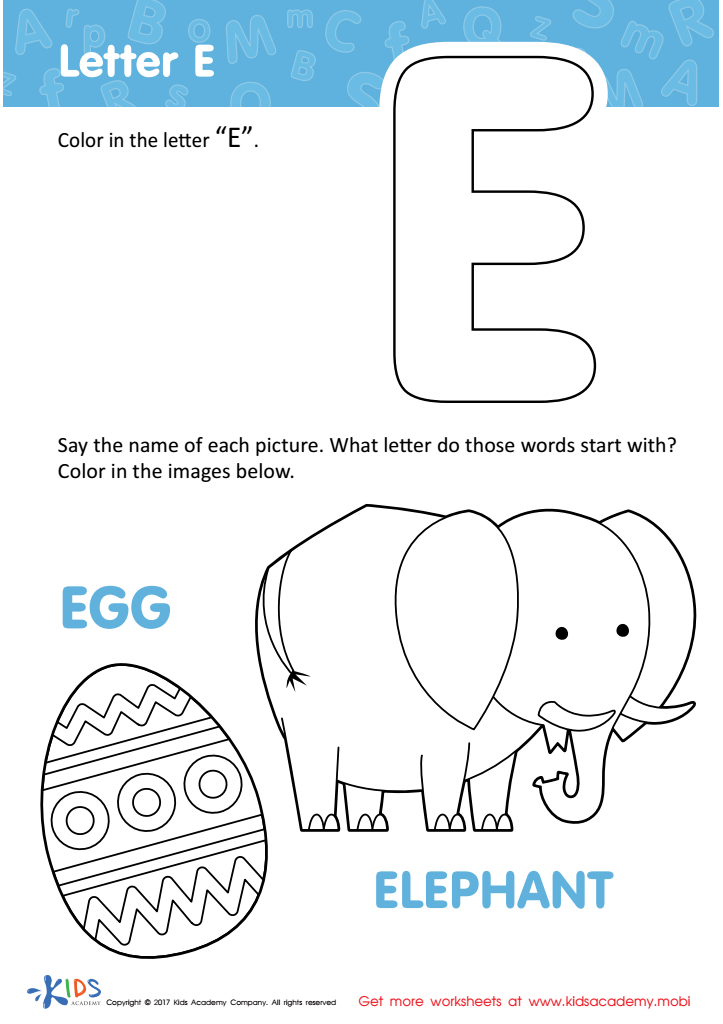
Letter E Coloring Sheet
 Assign to My Students
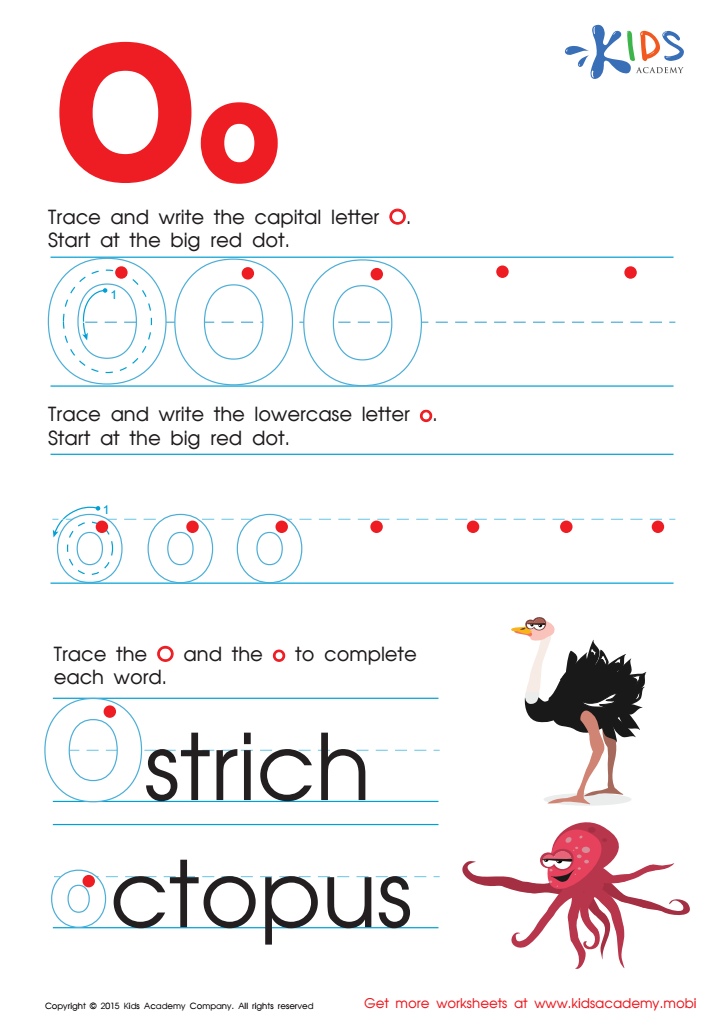
Letter O Tracing Page
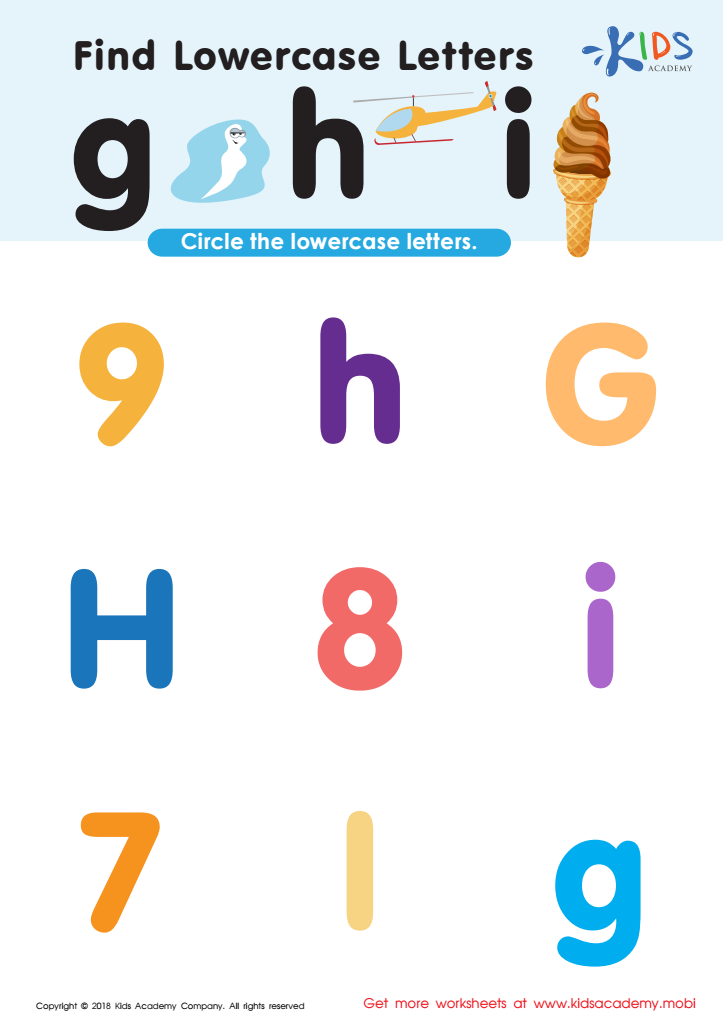
Find Lowercase Letters g h i Worksheet

Letter P Tracing Page
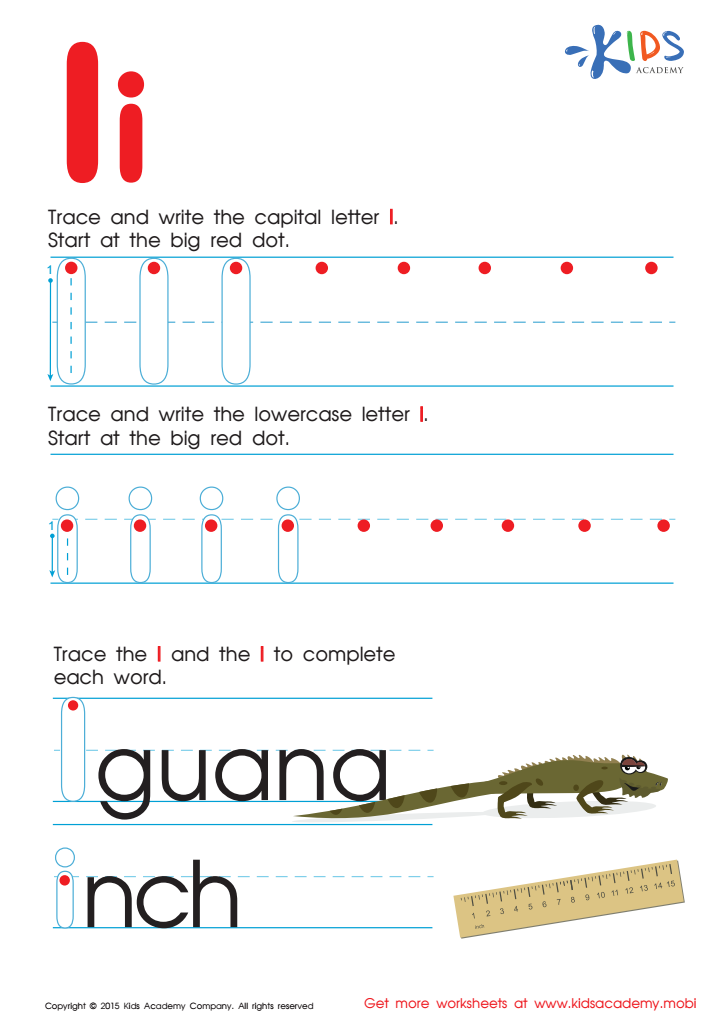
Letter I Tracing Page
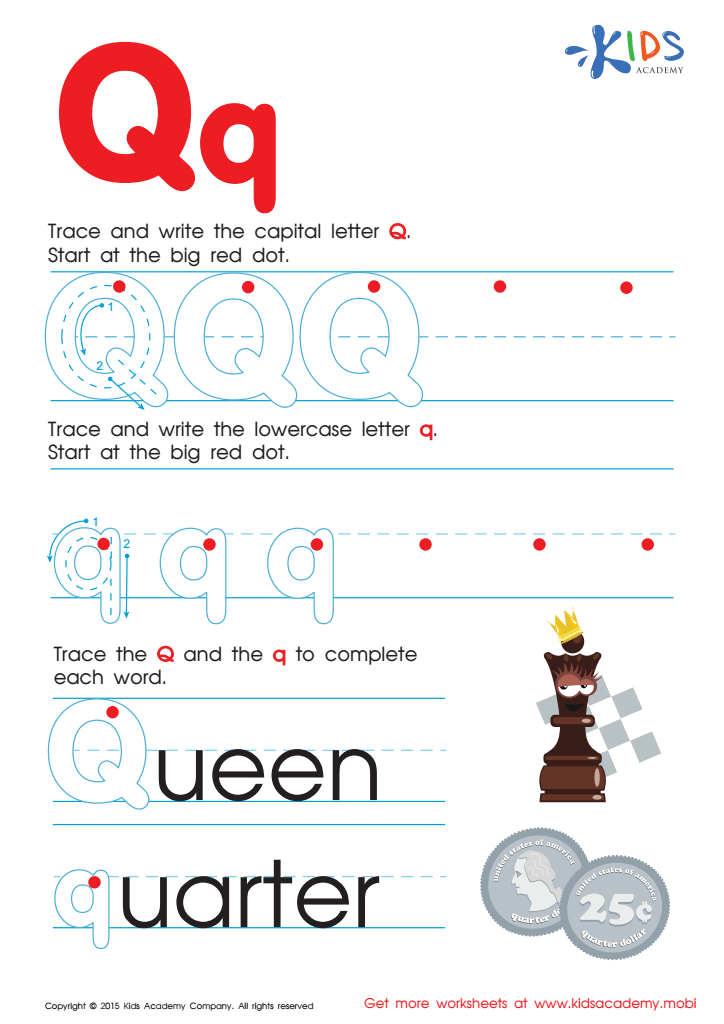
Letter Q Tracing Page
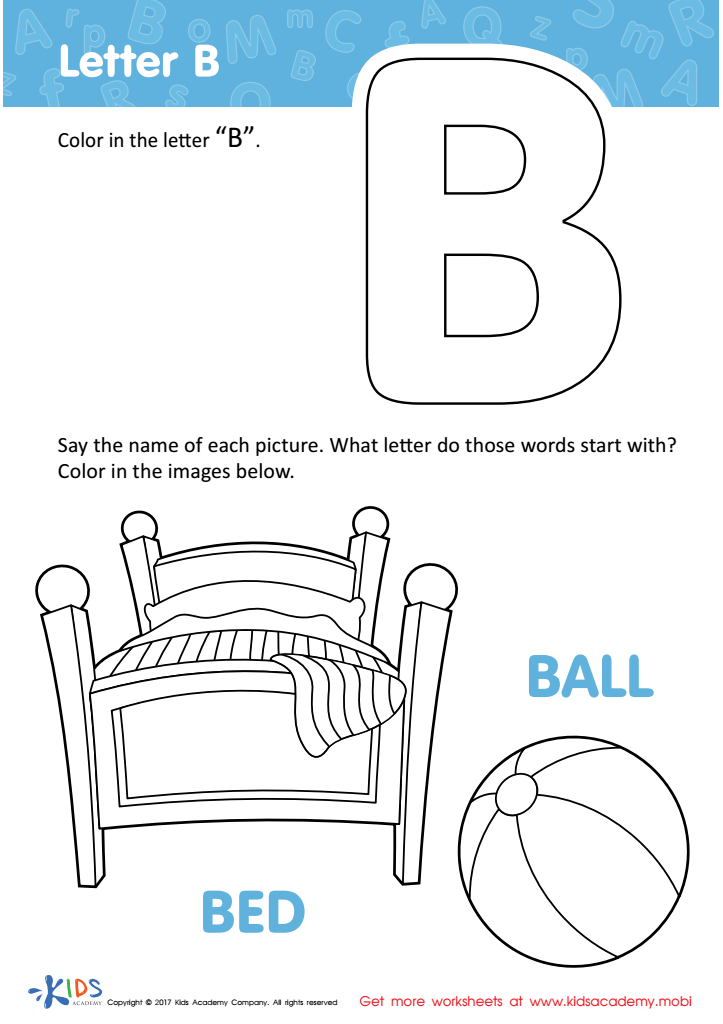
Letter B Coloring Sheet
Assign to My Students
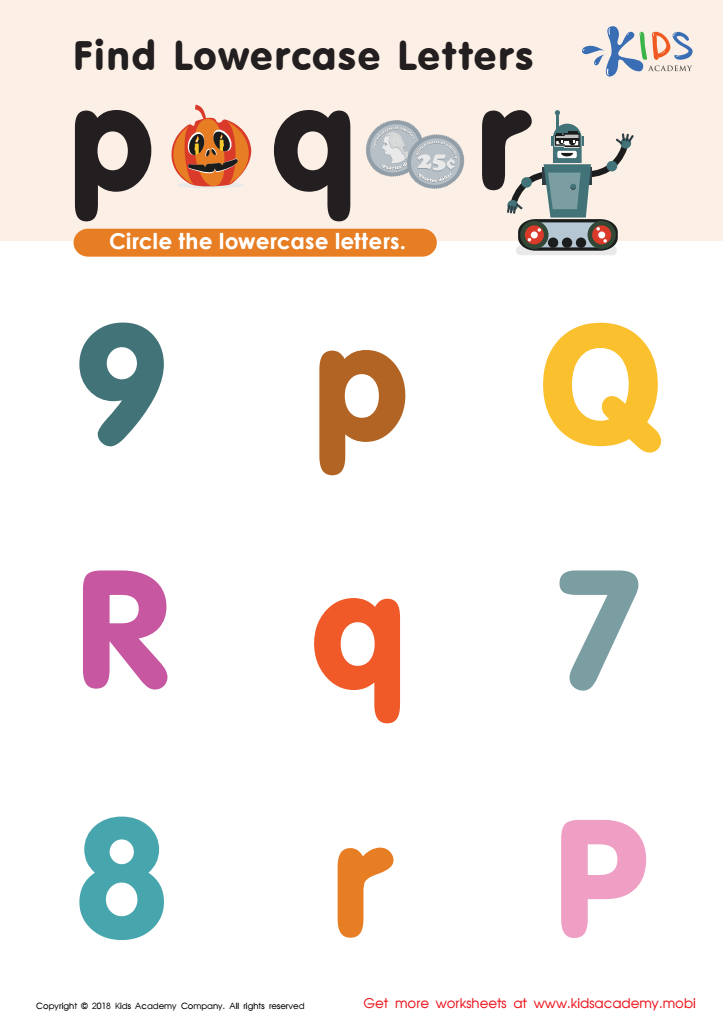
Find lowercase Letters p q r Worksheet
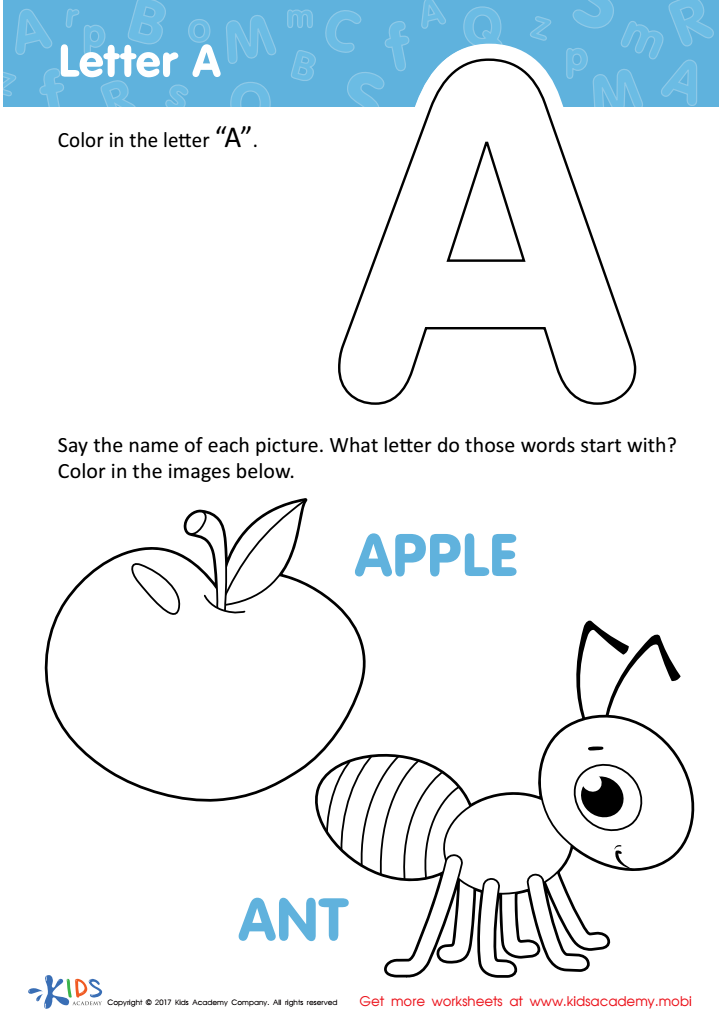
Letter A Coloring Sheet
Assign to My Students
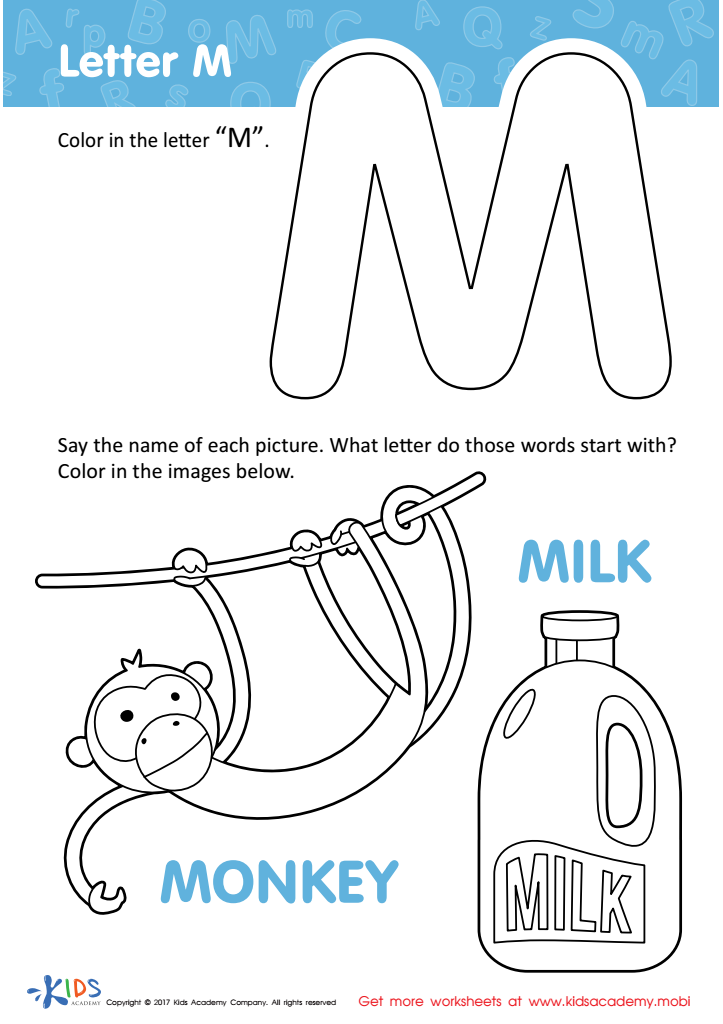
Letter M Coloring Sheet
Assign to My Students
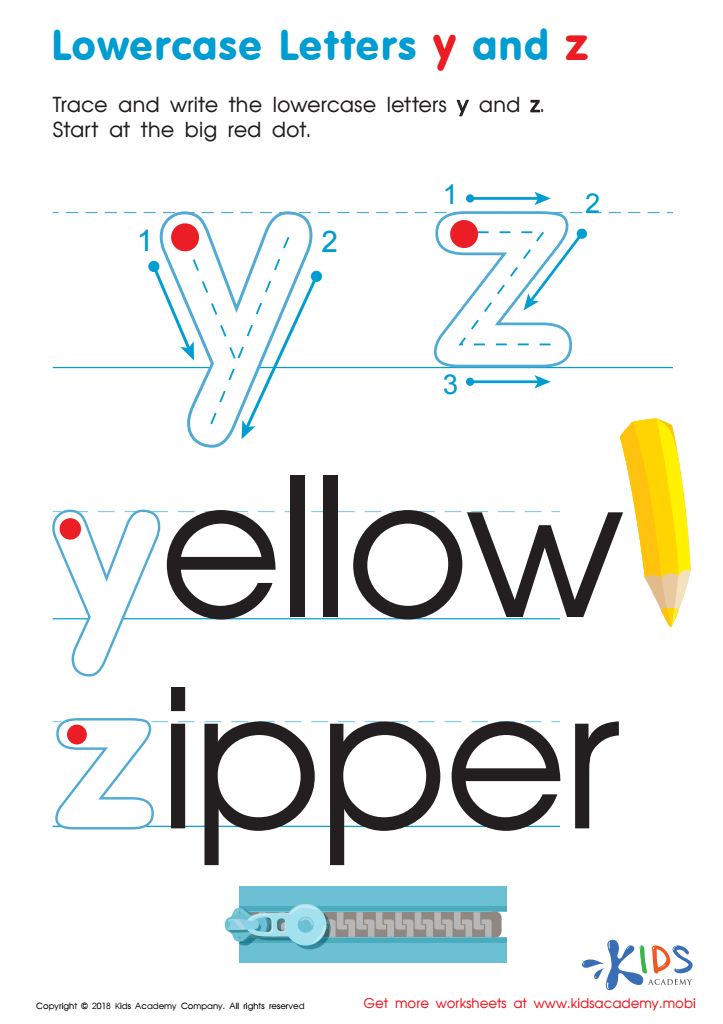
Lowercase Letters y z Worksheet
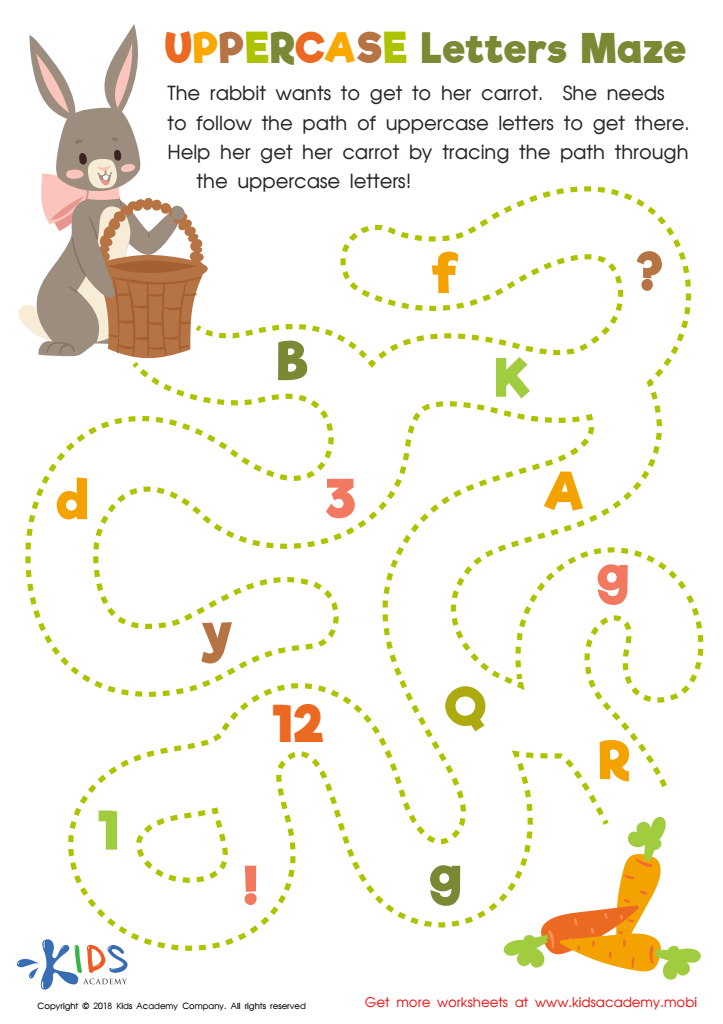
Uppercase Letters Maze Worksheet
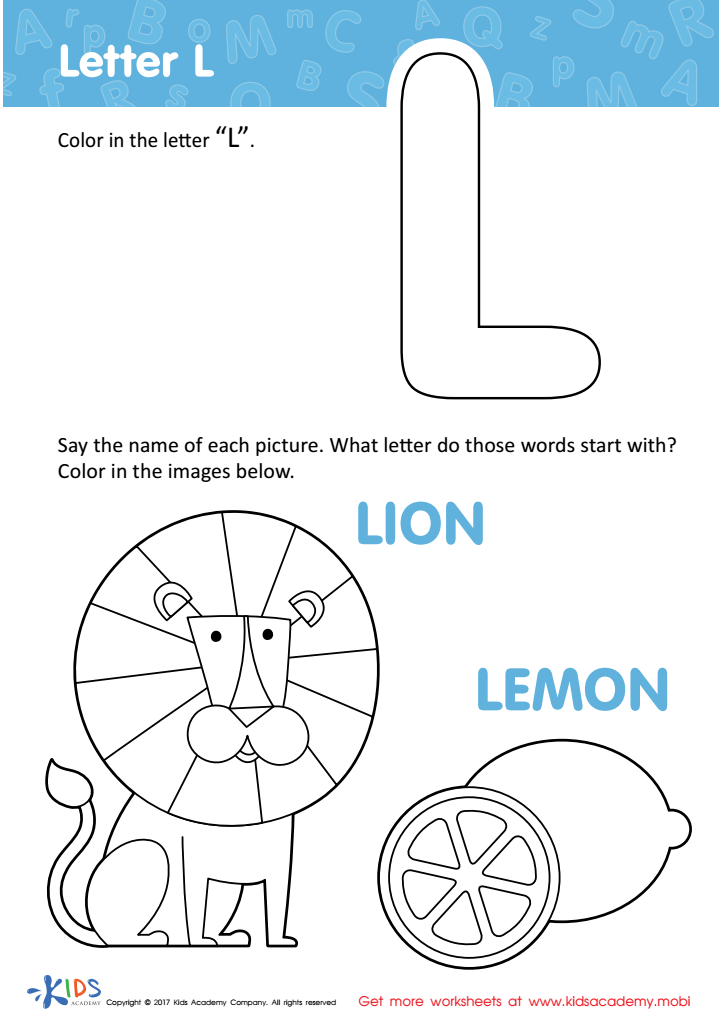
Letter L Coloring Sheet
Assign to My Students
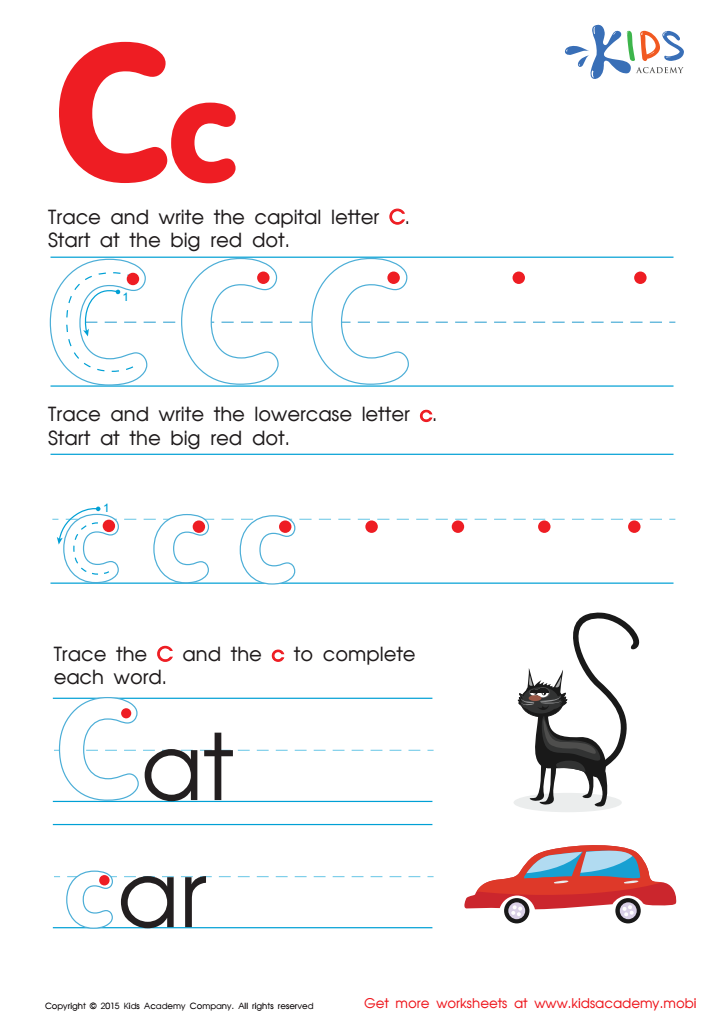
Letter C Tracing Page
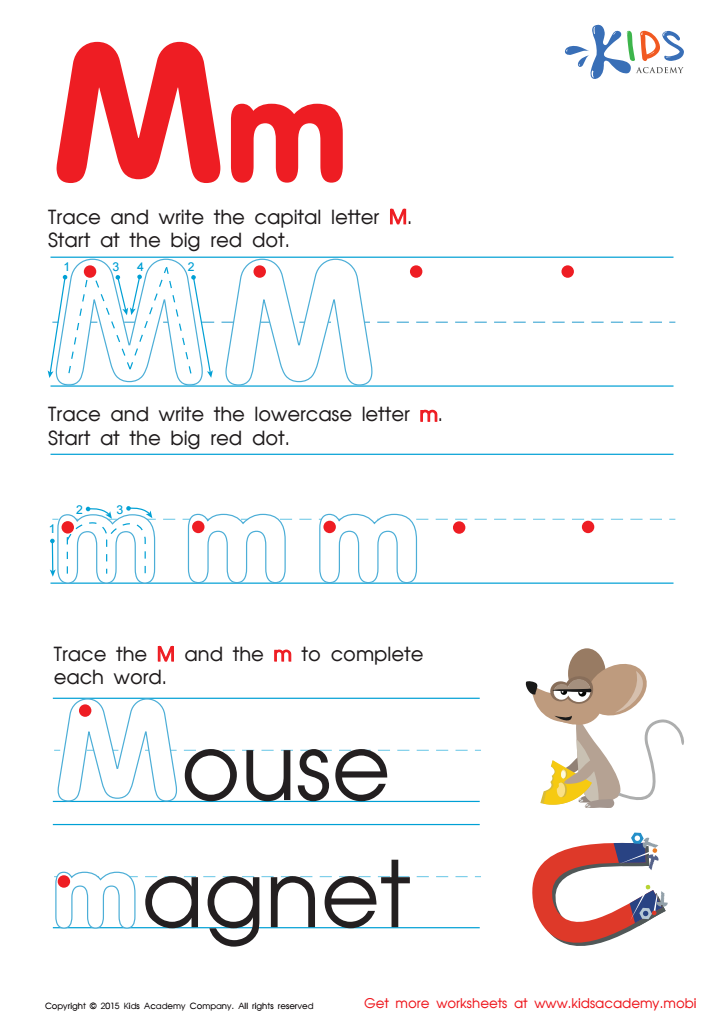
Letter M Tracing Page
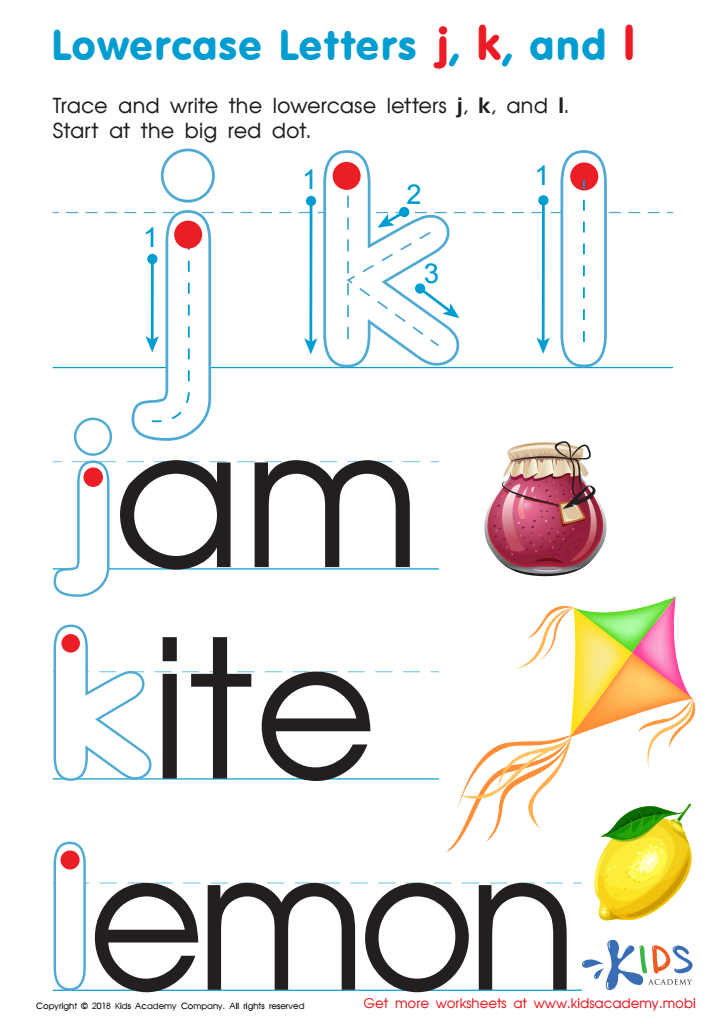
Lowercase Letters j k l Worksheet
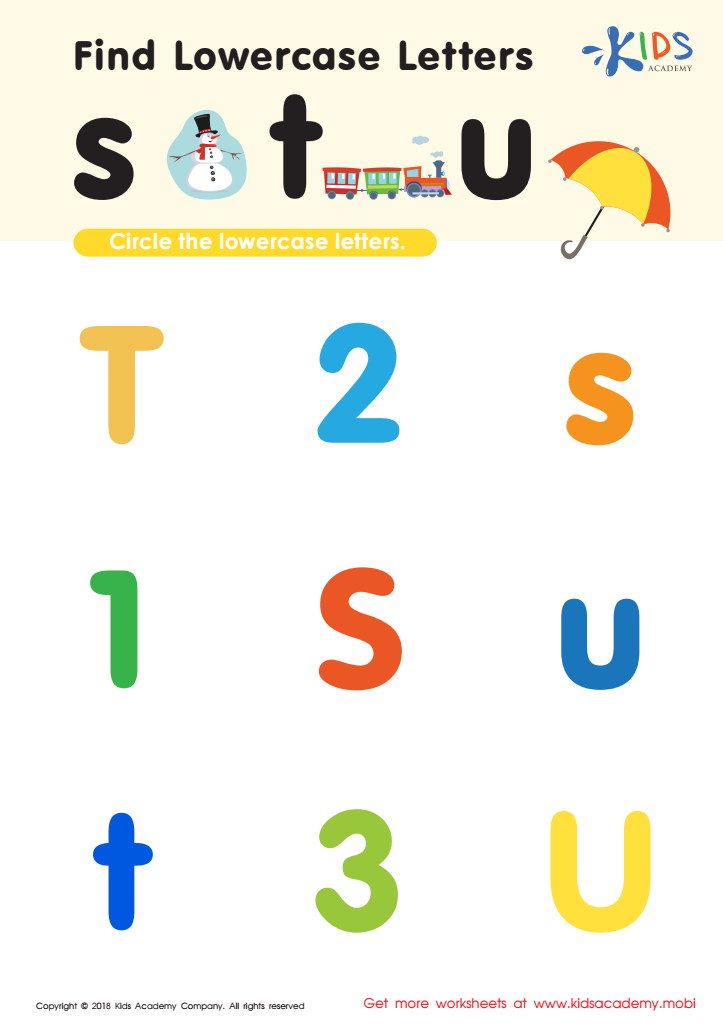
Find lowercase Letters s t u Worksheet

Letter G Tracing Page
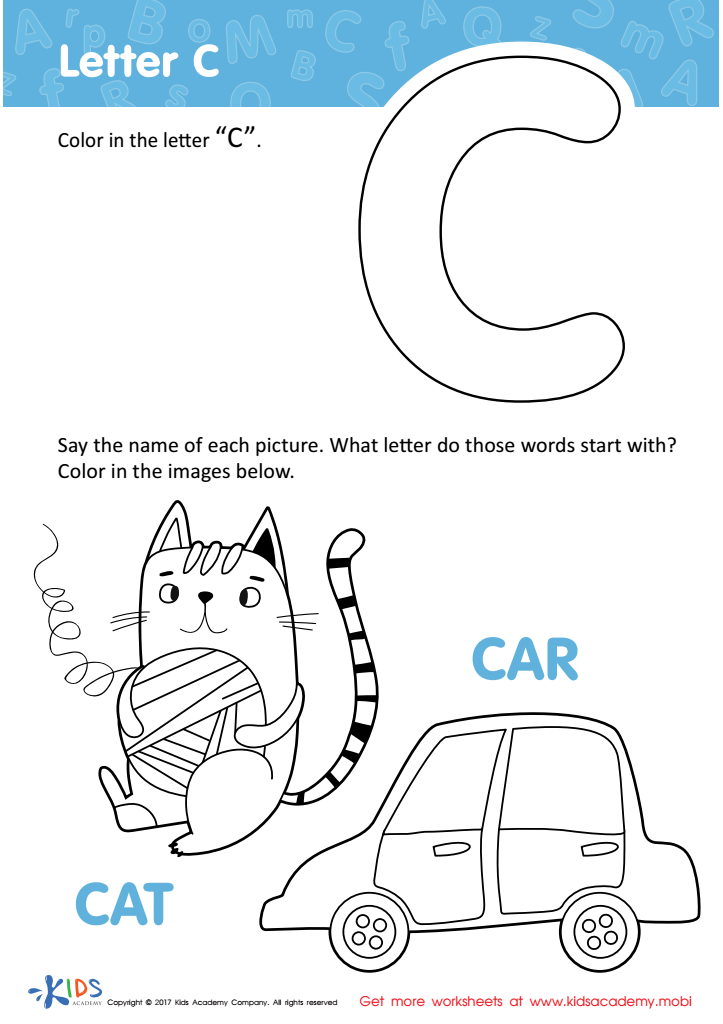
Letter C Coloring Sheet
Assign to My Students

Find Uppercase Letters A, B, and C Worksheet
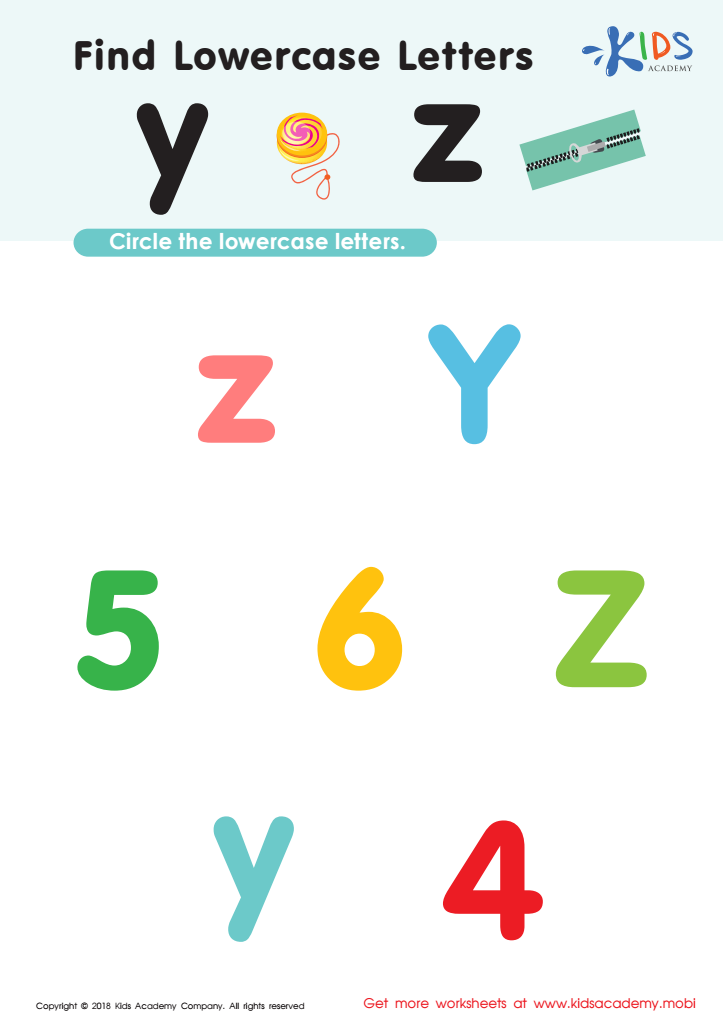
Find Lowercase Letters y z Worksheet
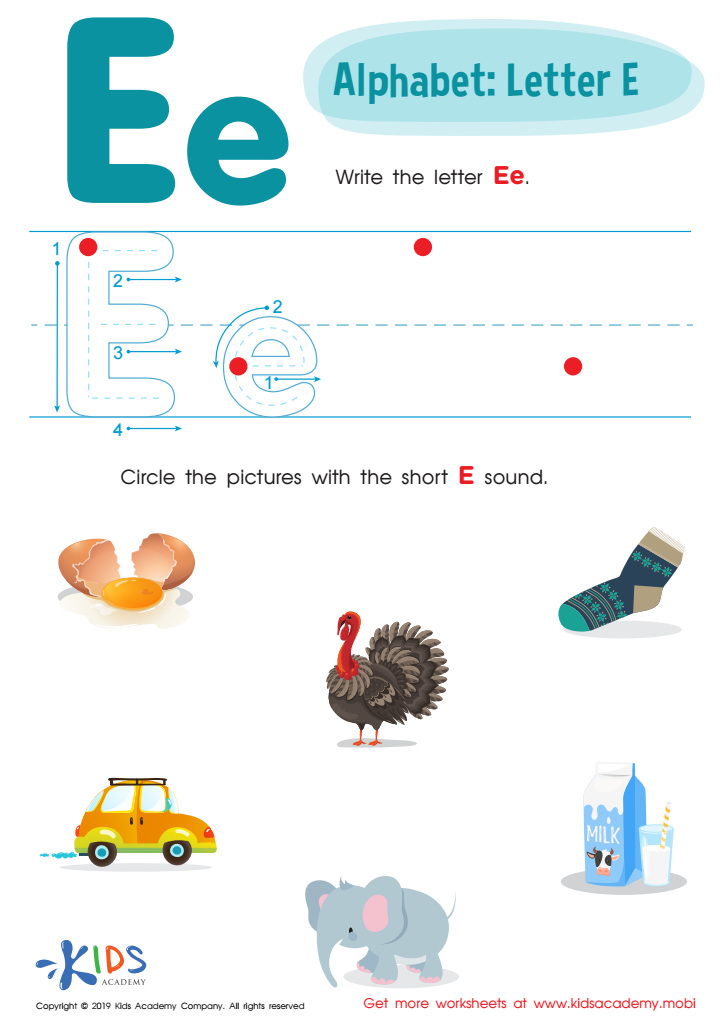
Letter E Tracing Worksheet
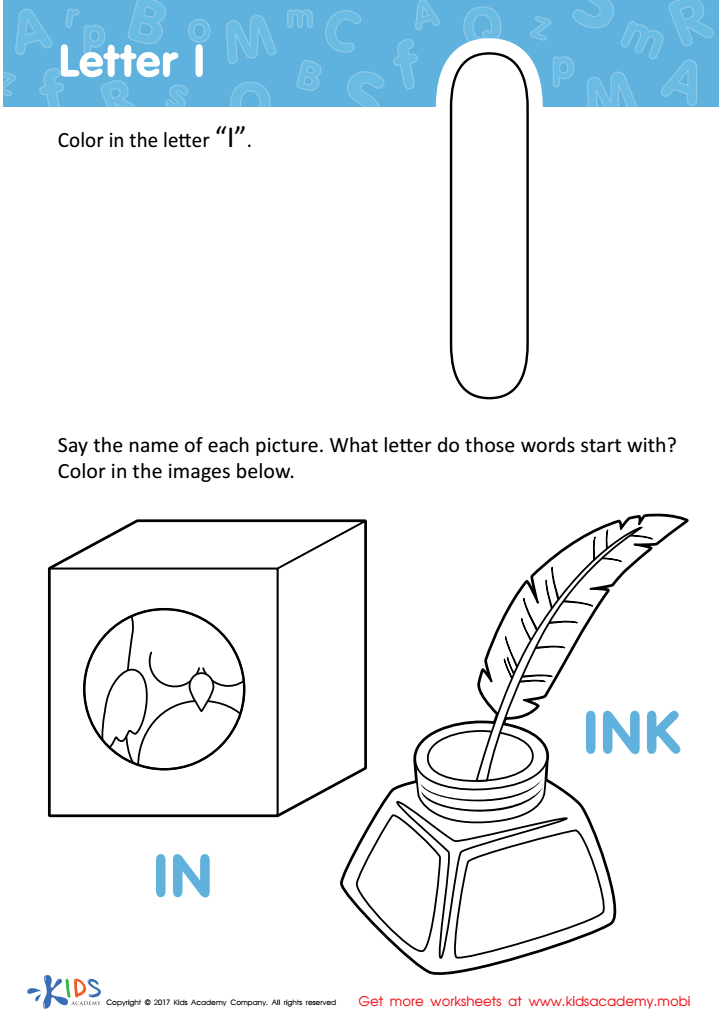
Letter I Coloring Sheet
Assign to My Students
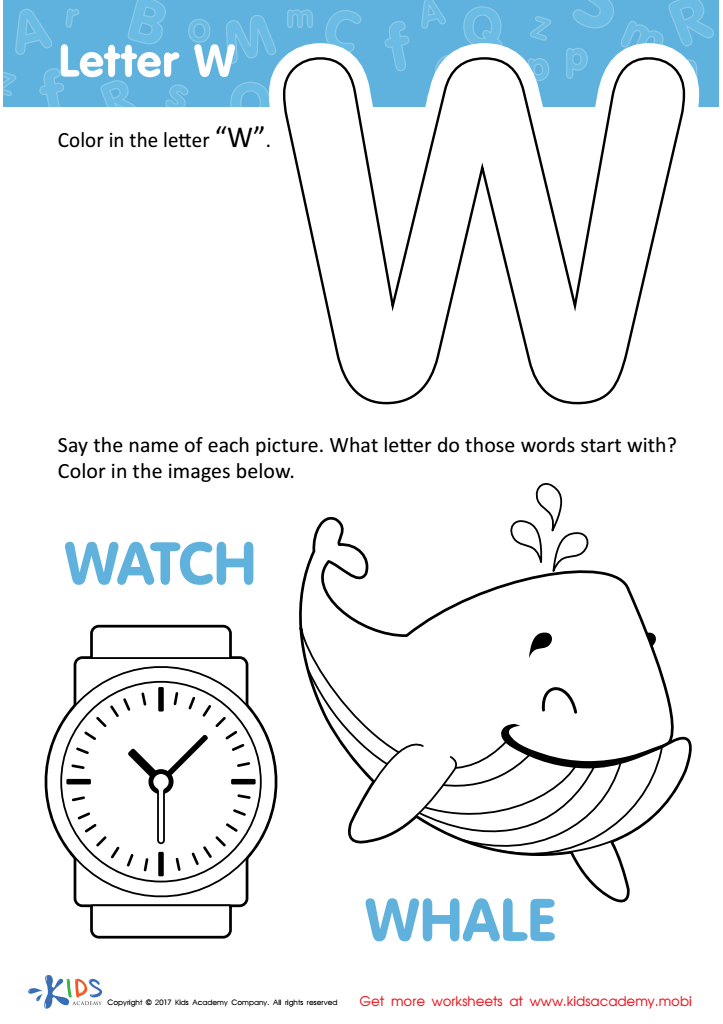
Letter W Coloring Sheet
Assign to My Students








Fine motor skills are essential for children aged 4-9 as they underpin various daily tasks, including writing, drawing, and even tying shoelaces. Proficient fine motor skills enable children to manipulate objects with precision and control, fostering greater independence and self-confidence. Normal letter recognition in this age group is another critical component of literacy development. It forms the foundation for reading and writing, allowing children to identify letters and associate them with sounds, words, and overall language comprehension.
Parents and teachers play a vital role in enhancing both fine motor skills and letter recognition. Engaging children in activities such as cutting, pasting, coloring, and playing with age-appropriate toys can facilitate the development of these skills. Similarly, reading together, practicing phonics, and using fun games to reinforce letter recognition can make learning enjoyable.
Ignoring the importance of these skills can lead to challenges later in academic achievement, affecting children’s confidence and engagement with learning. By focusing on fine motor skills and normal letter recognition, caregivers can help to create a strong foundational base that will support children’s educational success and lifelong learning. Investing time and effort into these areas is, therefore, a crucial responsibility for parents and teachers alike.








