Reading comprehension Normal Letter Recognition Worksheets for Ages 4-9
10 filtered results
-
From - To
Discover our engaging Reading Comprehension Normal Letter Recognition Worksheets designed specifically for children aged 4-9! These worksheets provide a fun and interactive way for young learners to develop essential reading skills. Each activity focuses on letter recognition within the context of stories and sentences, helping children enhance their understanding of language. Our worksheets include colorful illustrations and imaginative exercises that keep kids motivated while reinforcing their comprehension abilities. Perfect for at-home learning or classroom activities, these resources foster a love for reading in a playful and effective manner. Start inspiring young readers today with our carefully crafted materials!
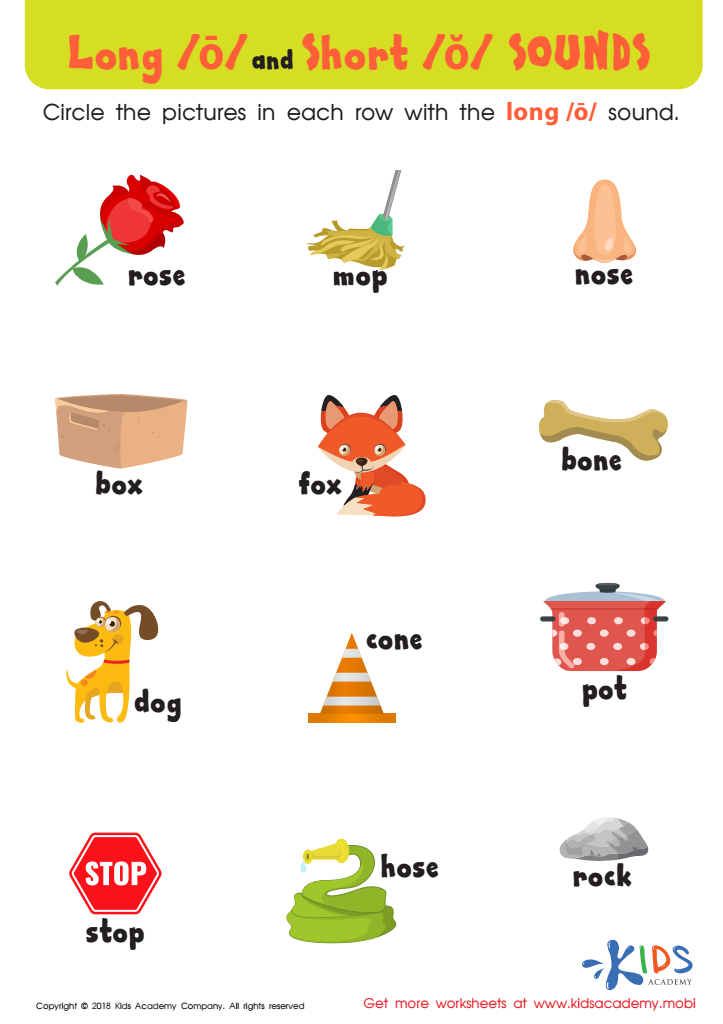
Reading: Long O and Short O Sounds Worksheet
 Assign to My Students
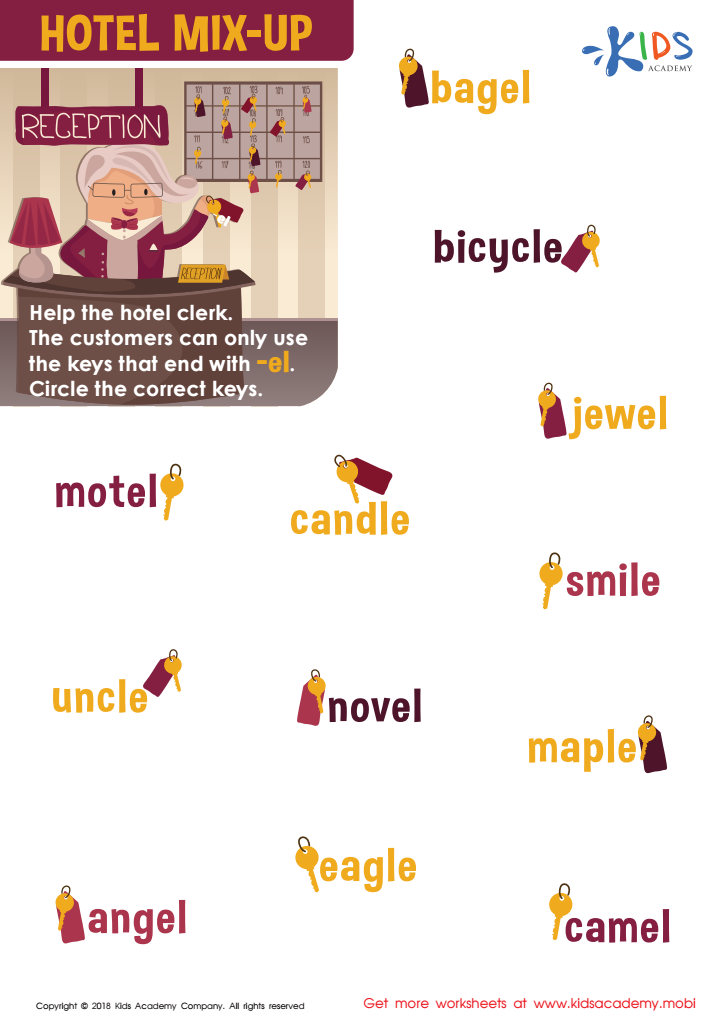
Hotel Mix-up Worksheet
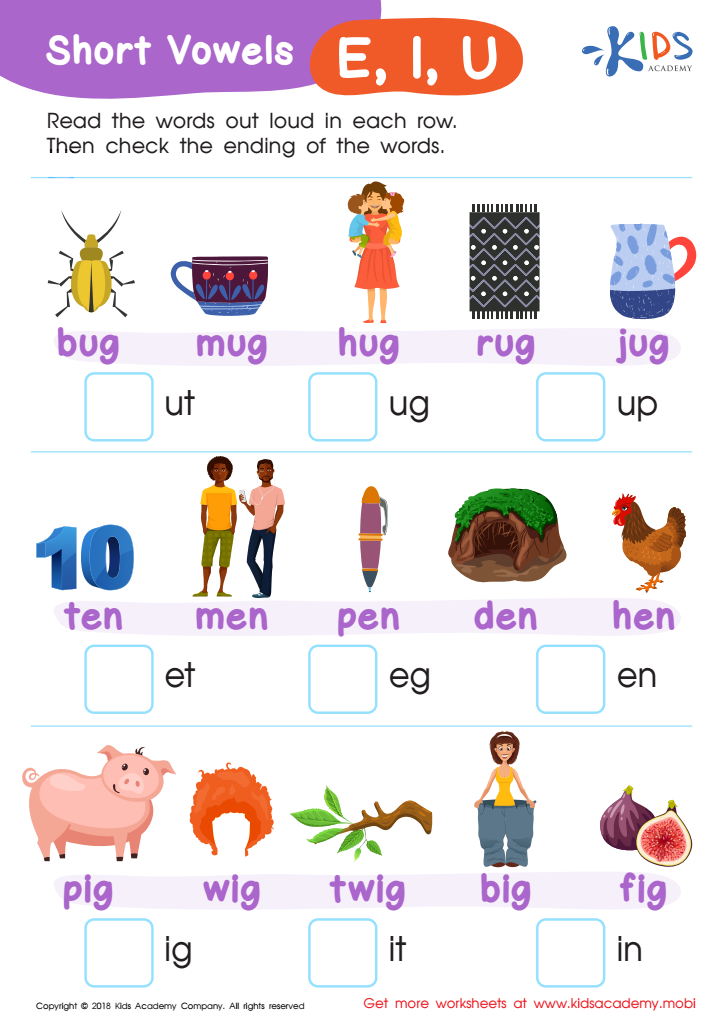
Short Vowels /e/, /i/, and /u/ Worksheet
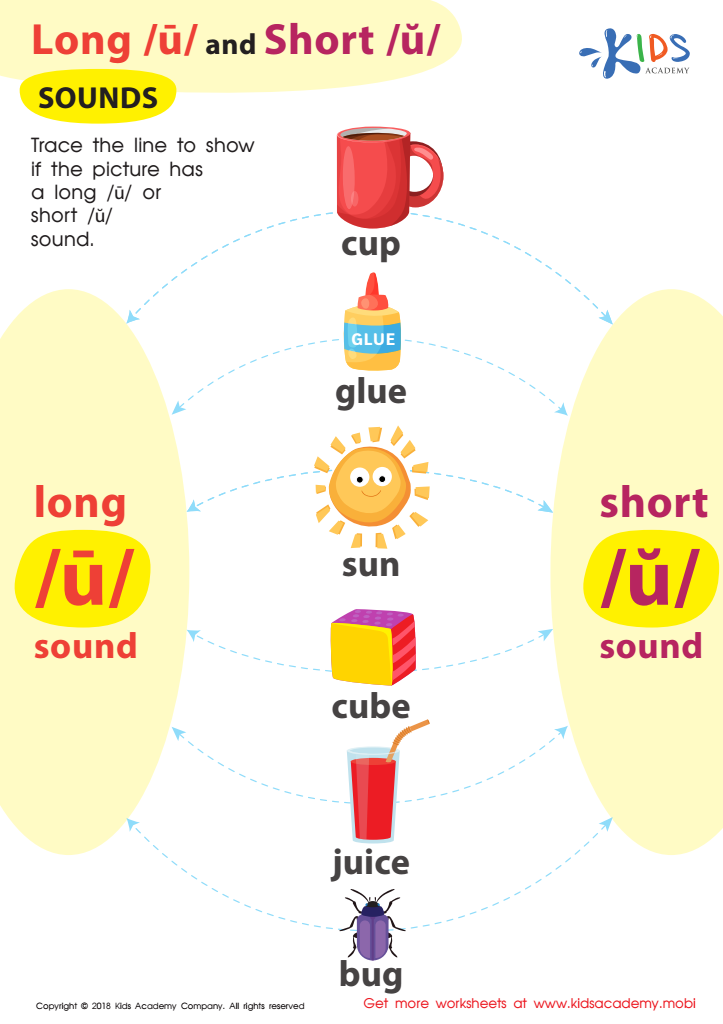
Reading: Long U and Short U Sounds Worksheet
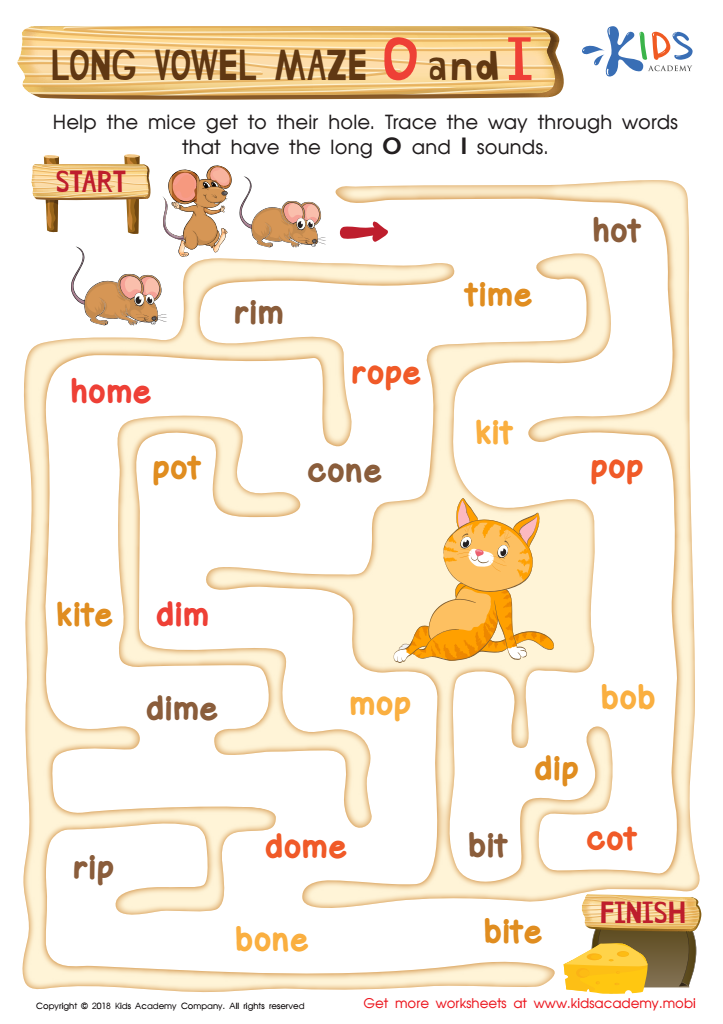
Long Vowel Maze /o/ and /i/ Worksheet
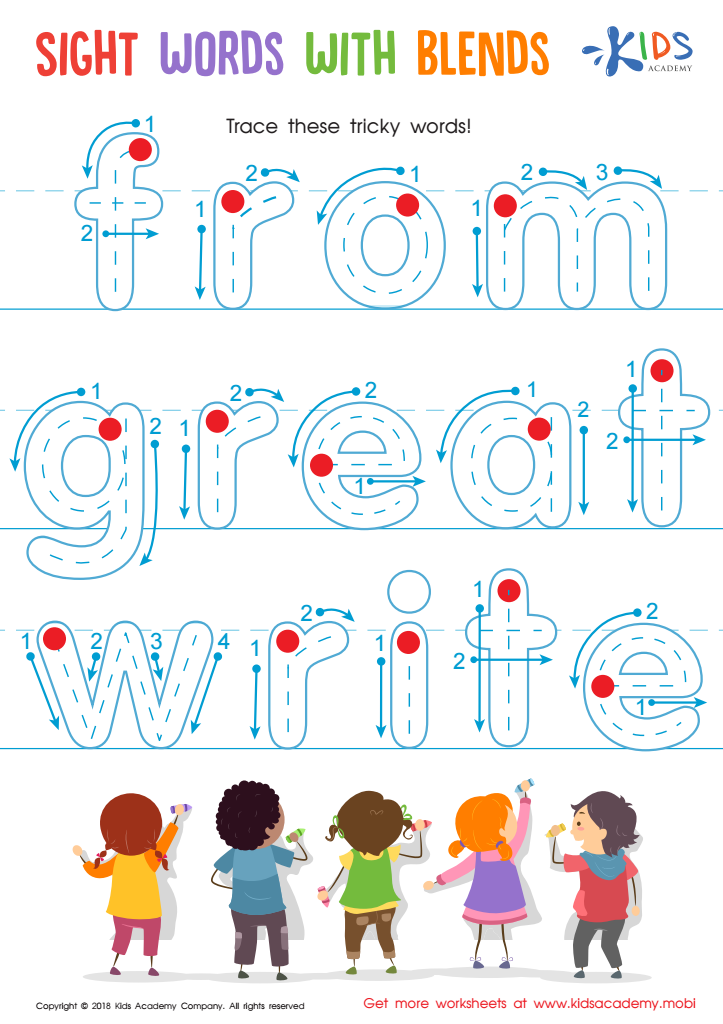
Sight Words with Blends Worksheet
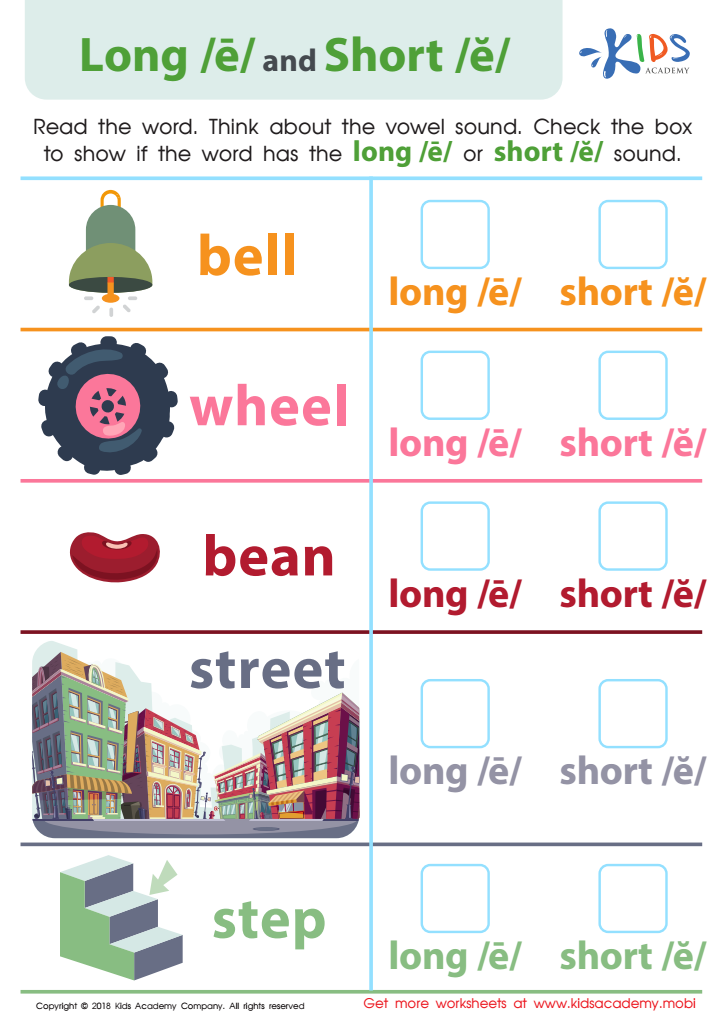
Reading: Long E and Short E Worksheet
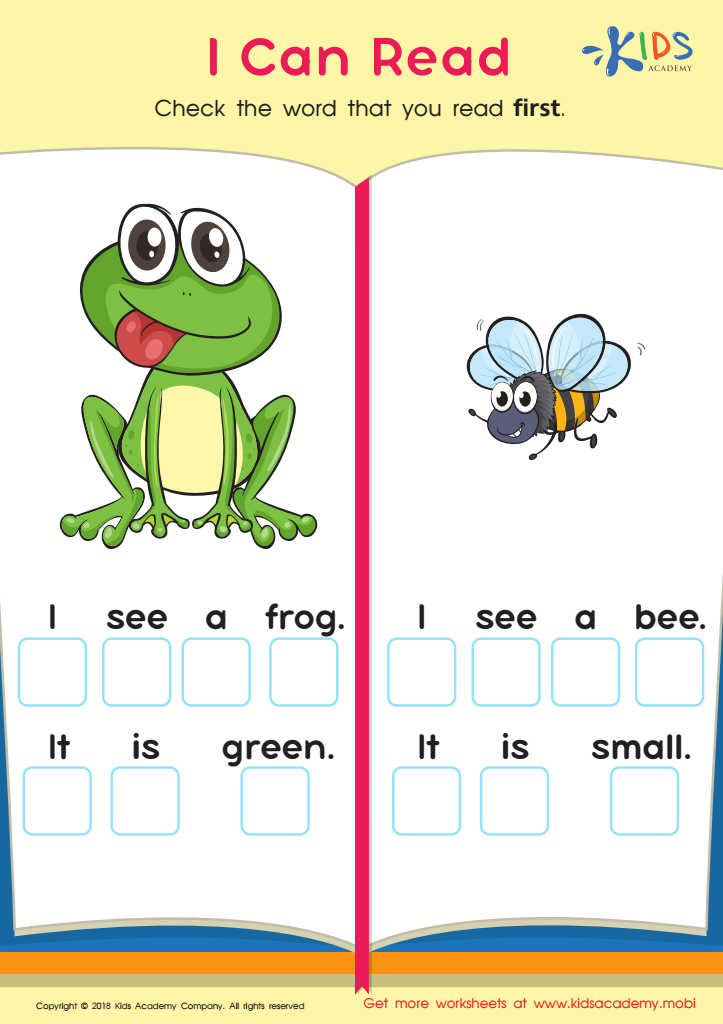
I Can Read Worksheet
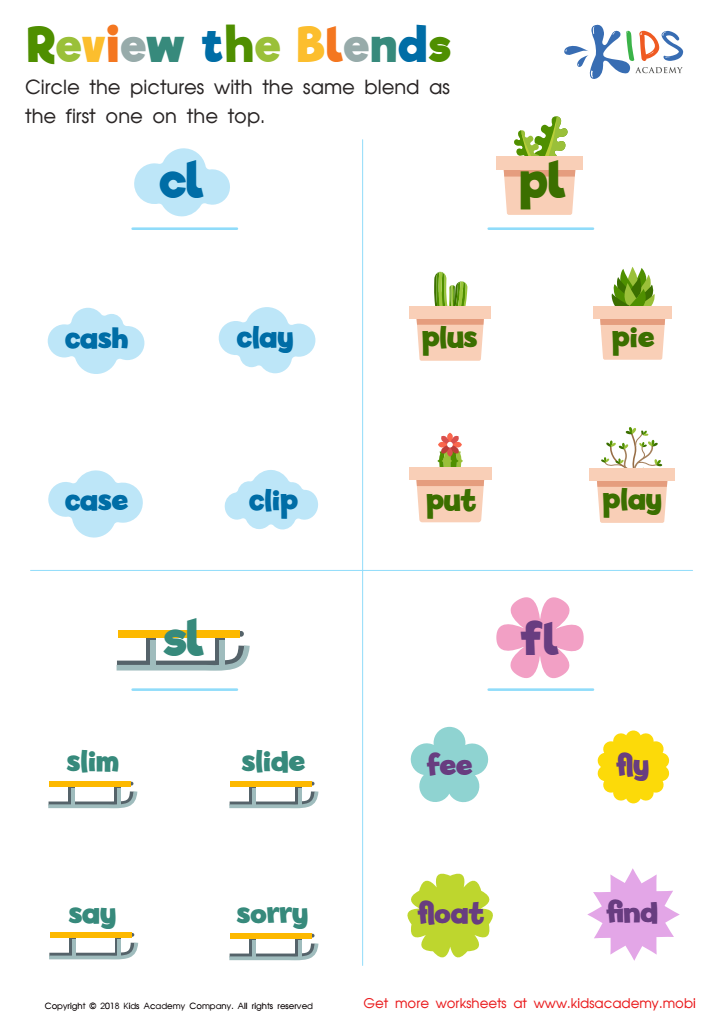
Review the Blends Worksheet
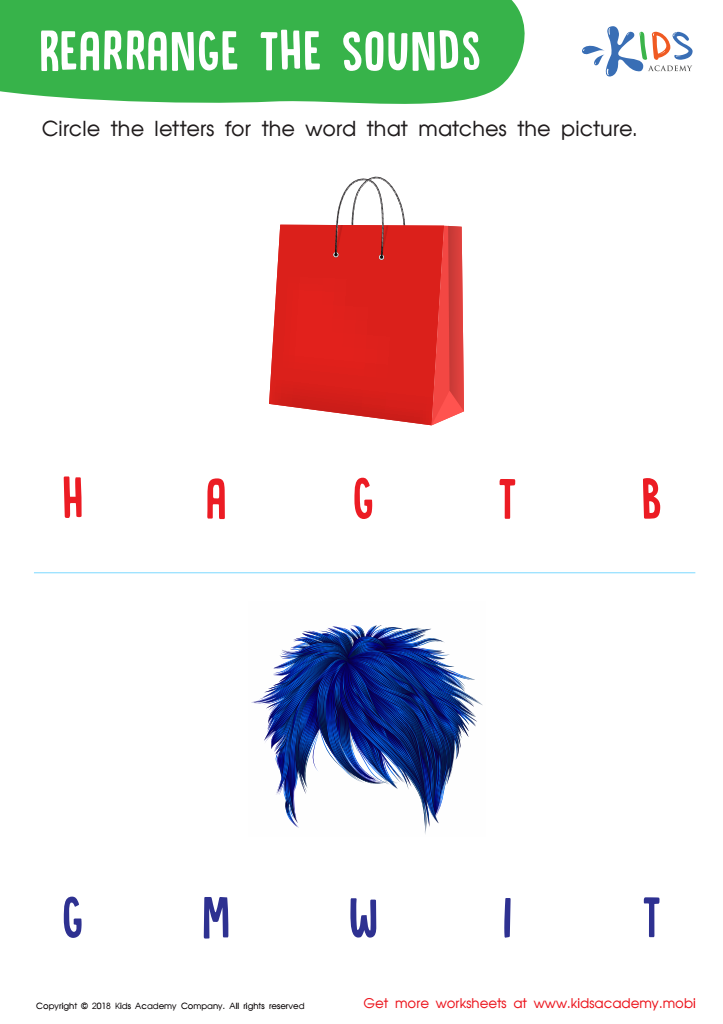
Rearrange the Sounds Worksheet








Reading comprehension and letter recognition are foundational skills critical to a child's early literacy development. For children aged 4 to 9, the ability to recognize letters and understand what they read sets the stage for academic success and lifelong learning. Letter recognition helps children decode words, making reading less daunting and more enjoyable. Without these essential skills, children may struggle to keep up with their peers, leading to frustration and decreased motivation.
Parents and teachers play a pivotal role in developing these skills. Through guided activities, interactive reading sessions, and playful learning, they can foster an environment that encourages exploration and engagement with letters and texts. This not only bolsters literacy but also enhances critical thinking and communication skills.
Moreover, strong reading comprehension at an early age supports emotional and social development. Children who can comprehend texts are better at understanding social cues and narratives, allowing for improved empathy and relationships with others. Ultimately, prioritizing reading comprehension and letter recognition empowers children to navigate their world more effectively, laying the groundwork for future academic pursuits and personal fulfillment. Investing time and resources in these areas during these formative years can lead to significantly enriched learning experiences.








