Reading development Normal Phonics Worksheets for Ages 4-9
5 filtered results
-
From - To
Discover our engaging Normal Phonics Worksheets designed for children ages 4-9 to enhance reading development! These worksheets focus on essential phonics skills, helping young learners connect sounds with letters to decode words confidently. With a variety of activities including matching, tracing, and sound identification, kids will enjoy fun and interactive learning experiences. Our carefully crafted worksheets cater to diverse learning styles, making it easy for teachers and parents to support early literacy. Foster a love for reading while building foundational skills that prepare children for future academic success. Explore our collection and inspire your little ones on their reading journey today!
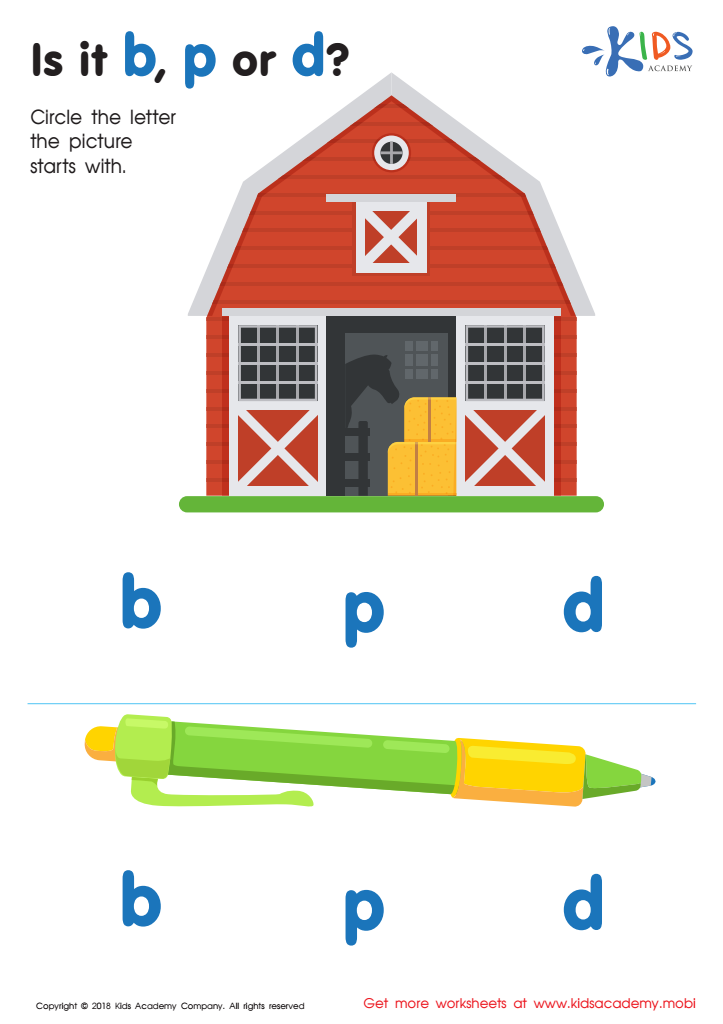
Is it b, p or d? Worksheet
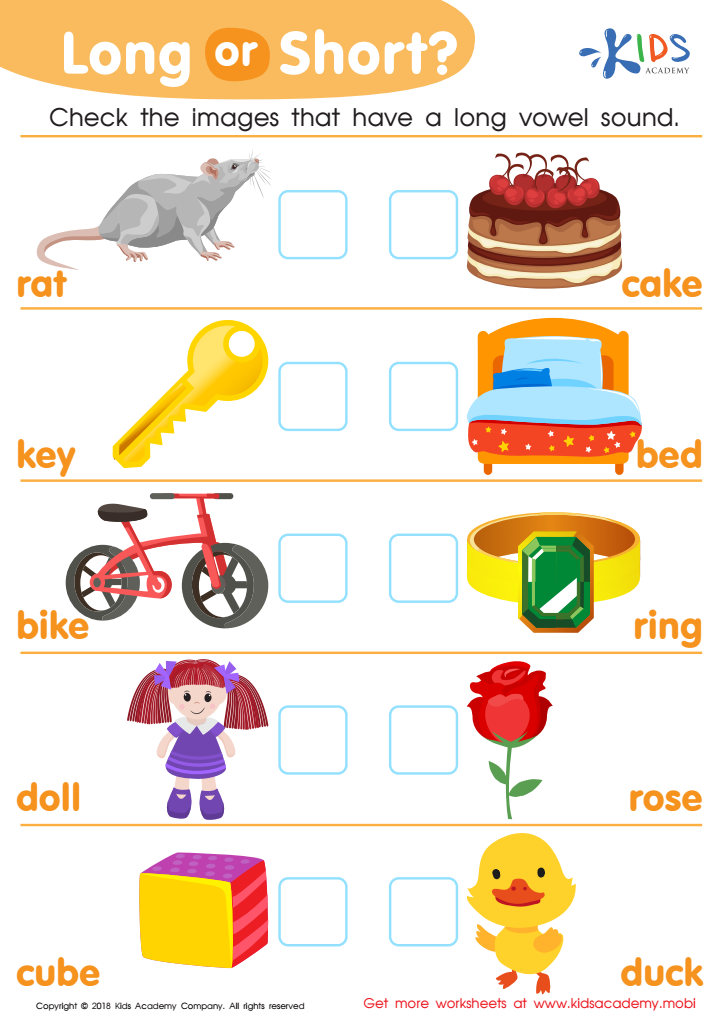
Long or Short Reading Worksheet
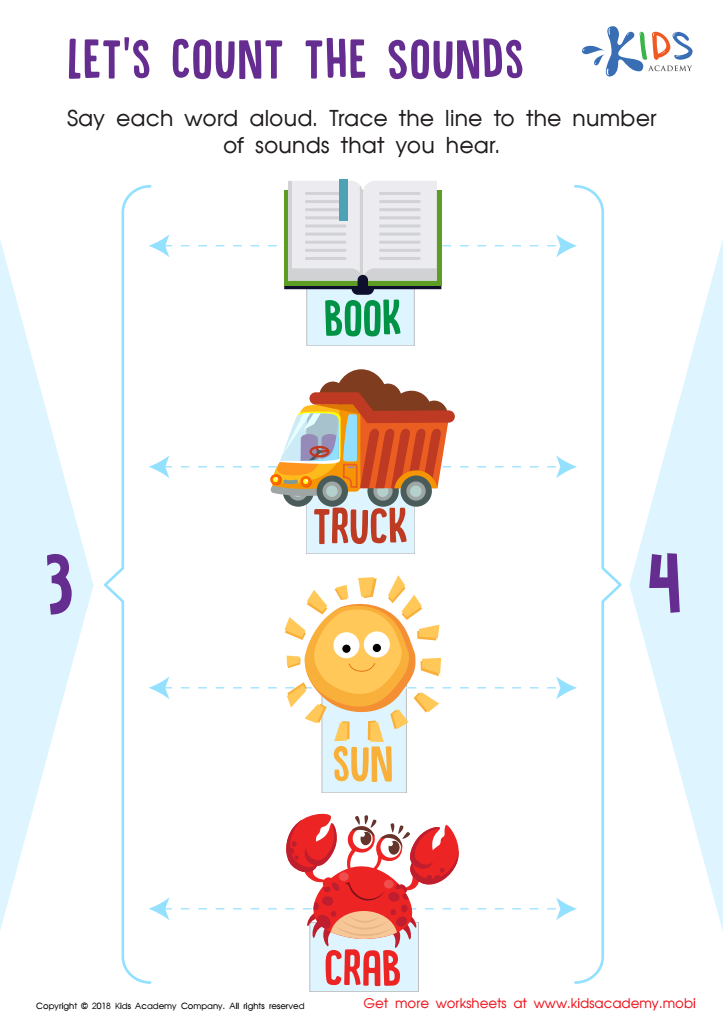
Let's Count the Sounds Worksheet
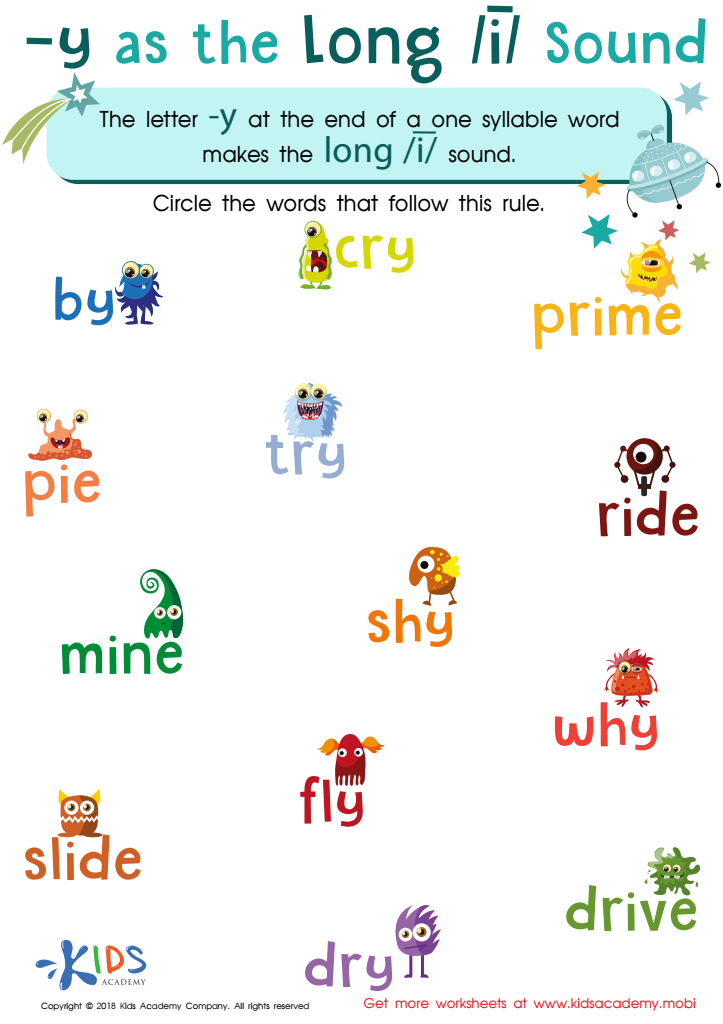
Reading: Y as Long I Worksheet
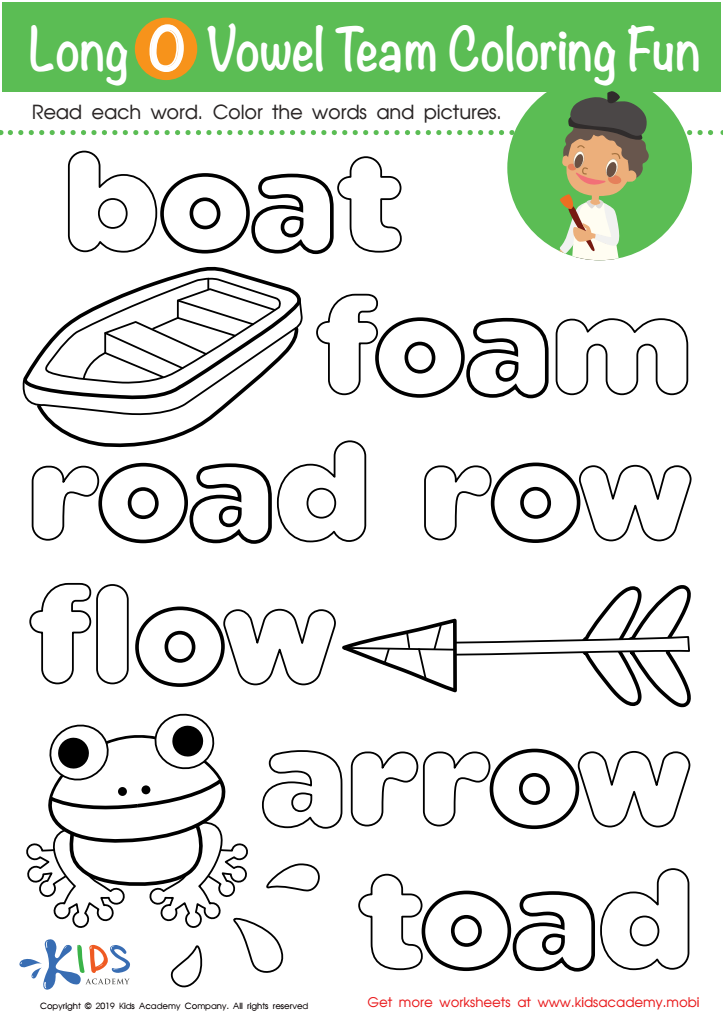
Long O Vowel Team Coloring Worksheet
 Assign to My Students








Reading development, particularly through Normal Phonics, is crucial for children aged 4-9, as it forms the foundation for their educational success and lifelong learning. At this age, children are intensely curious and begin to connect sounds with letters, a vital step in literacy. Phonics teaching helps children decode words, enhancing their reading fluency and comprehension.
When parents and teachers invest in Normal Phonics education, they equip children with essential skills to recognize sounds and blend them into meaningful words. This early proficiency not only boosts confidence in reading but also facilitates better understanding in subjects like math and science, where reading comprehension is key.
Beyond academics, effective phonics instruction promotes a love for reading and learning. Children who grasp phonics early are more likely to become enthusiastic readers and develop critical thinking skills later on. Moreover, supporting reading development can mitigate future struggles in literacy, fostering a love for books and sharing stories, thus enhancing social and emotional development.
Overall, prioritizing phonics in early education sets children on a path toward success, promoting skills that extend far beyond the classroom and into their everyday lives. Parents and teachers play a pivotal role in nurturing this critical aspect of literacy development.







