Basic Mathematics Normal Worksheets for Ages 4-9
5 filtered results
-
From - To
Discover our engaging Basic Mathematics Worksheets, designed for children aged 4-9! These printable resources help young learners develop essential math skills in a fun and interactive way. Our worksheets cover key concepts such as addition, subtraction, counting, and number recognition, ensuring a solid foundation for future learning. Tailored to various age groups, our materials promote critical thinking and problem-solving abilities. Ideal for classroom use or at-home practice, these worksheets make math enjoyable and accessible. Start your child’s journey to math mastery today with our quality worksheets that encourage exploration, creativity, and confidence in their mathematical abilities!
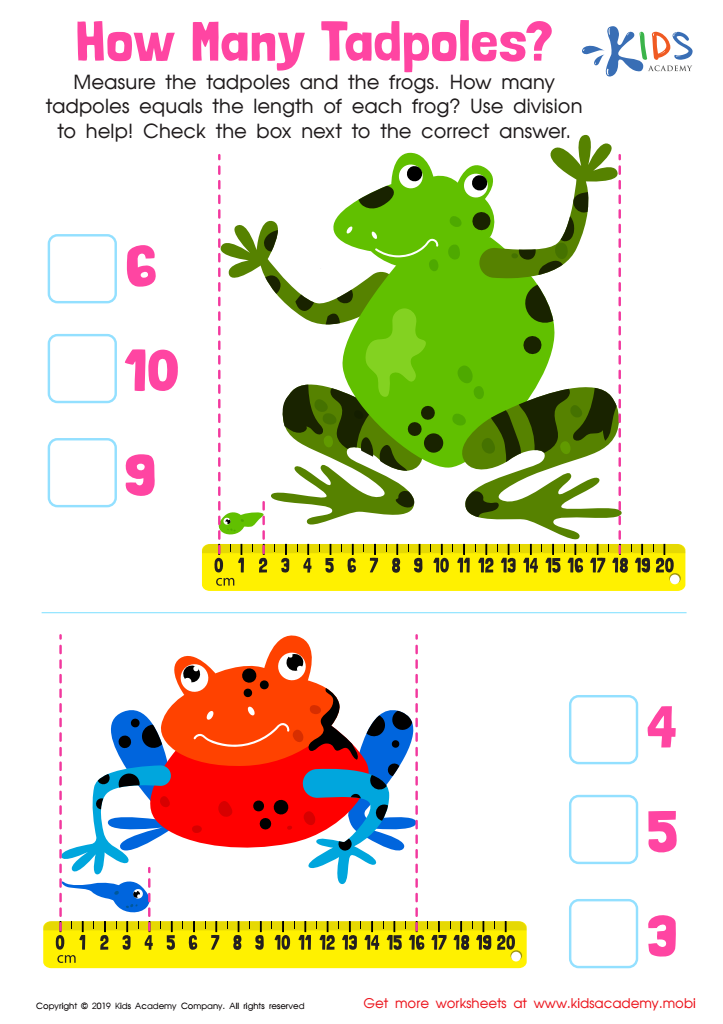
How Many Tadpoles Worksheet
 Assign to My Students
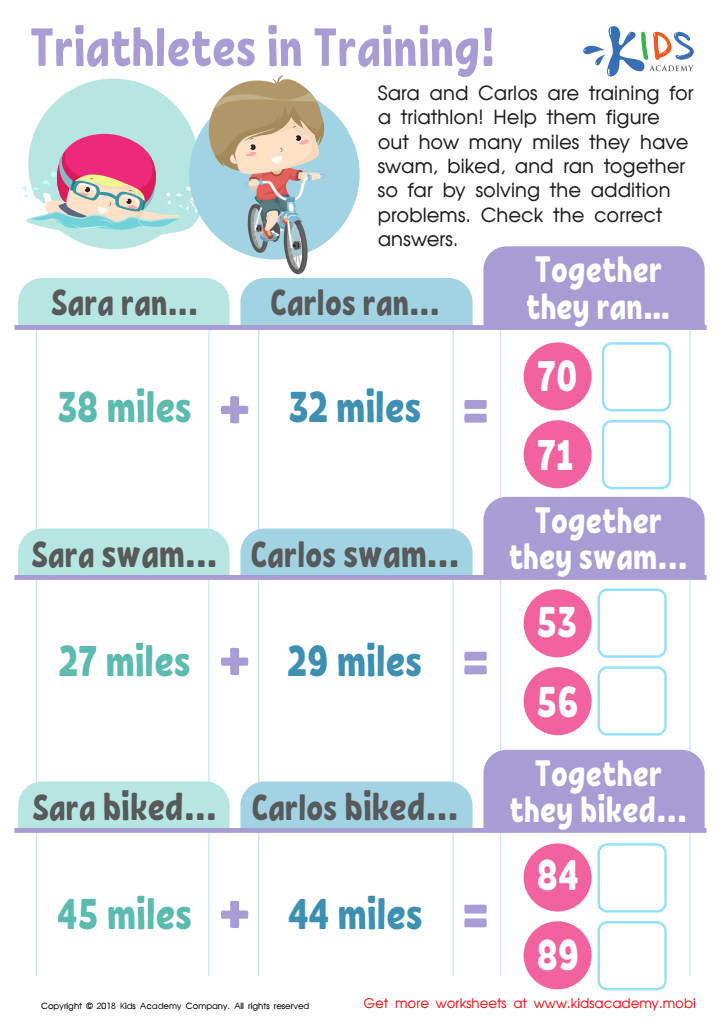
Triathletes in Training Worksheet
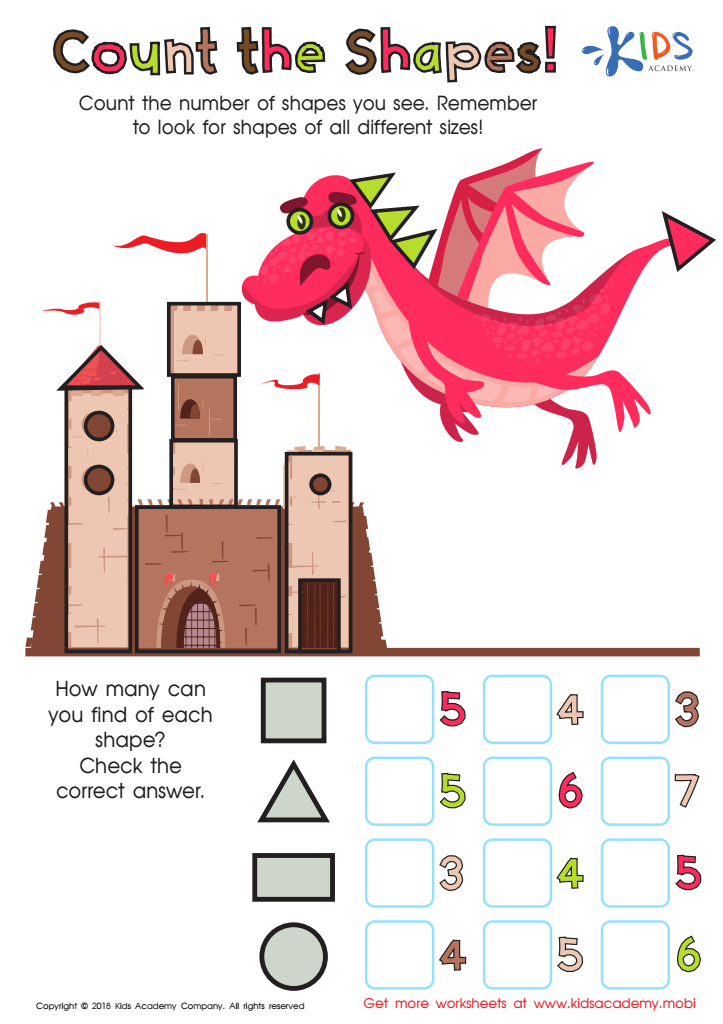
Count the Shapes Worksheet
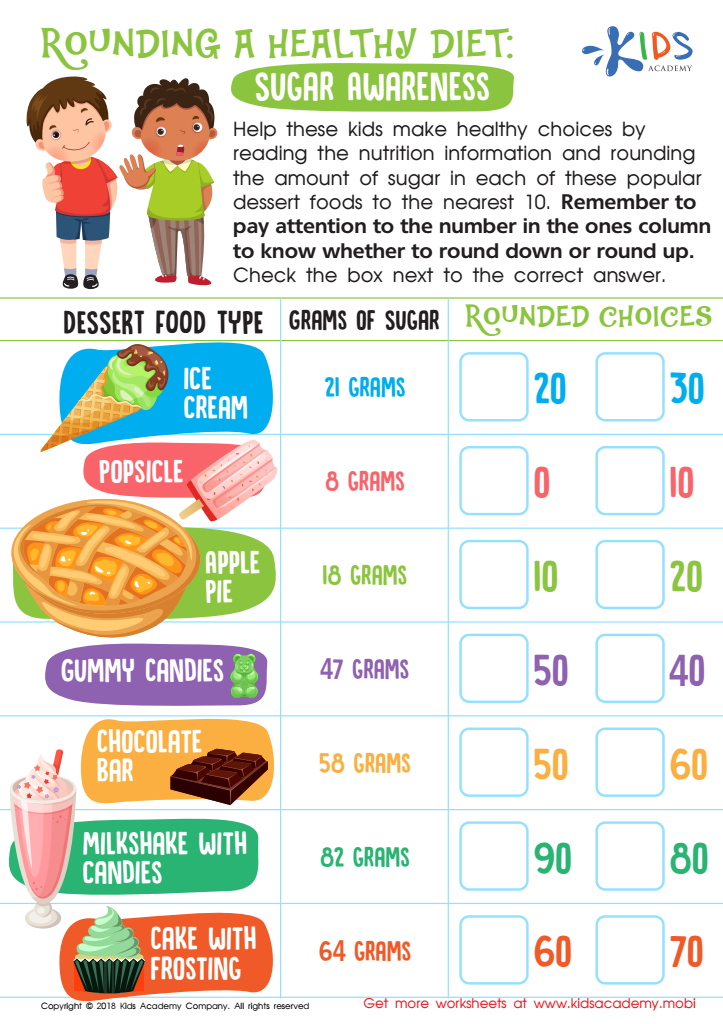
Rounding Healthy Diet Worksheet
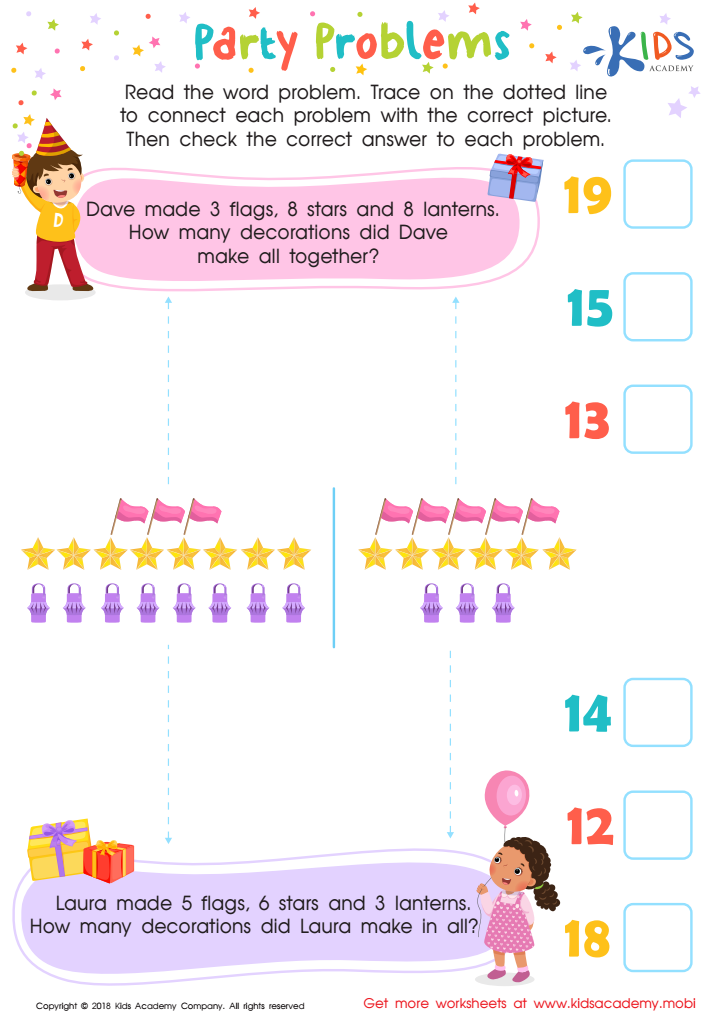
Party Problems Worksheet



.jpg)




Basic mathematics is a foundational skill critical for children aged 4-9, influencing their academic success and cognitive development. For parents and teachers, understanding and supporting early math education is essential for several reasons.
Firstly, children at this age are naturally curious and capable of grasping mathematical concepts through play and exploration. Recognizing this, caregivers should seek to foster an environment that encourages counting, measuring, and problem-solving using everyday situations. Engaging children in age-appropriate activities helps improve their numerical literacy and critical thinking skills.
Secondly, early math skills directly correlate with later academic proficiency. Research shows that a strong foundation in basic mathematics enhances skills in subjects like science and literacy. This prepares students for future learning and can significantly impact their educational trajectory.
Additionally, developing these skills promotes confidence. When children successfully master foundational concepts, it empowers them to tackle more complex challenges as they grow. This confidence translates into a positive attitude toward learning, making them more receptive to new information.
Ultimately, prioritizing basic mathematics education for young learners helps parents and teachers cultivate a well-rounded developmental foundation, equipping children for lifelong success not just academically, but in everyday problem-solving and decision-making skills.








