Differentiating goods/services Normal Worksheets for Ages 4-9
3 filtered results
-
From - To
Introducing our "Differentiating Goods/Services" worksheets, designed for children ages 4-9, available at Kids Academy. These engaging worksheets help young learners understand the difference between goods and services through fun, interactive activities. Perfect for parents and teachers, our worksheets enhance learning by combining colorful illustrations with simple explanations, making complex concepts easy to grasp. Your child will develop critical thinking skills while distinguishing items we buy (goods) from activities performed for others (services). Make learning enjoyable and educational with our expertly crafted resources. Explore our collection today to give your child a head start in their educational journey!
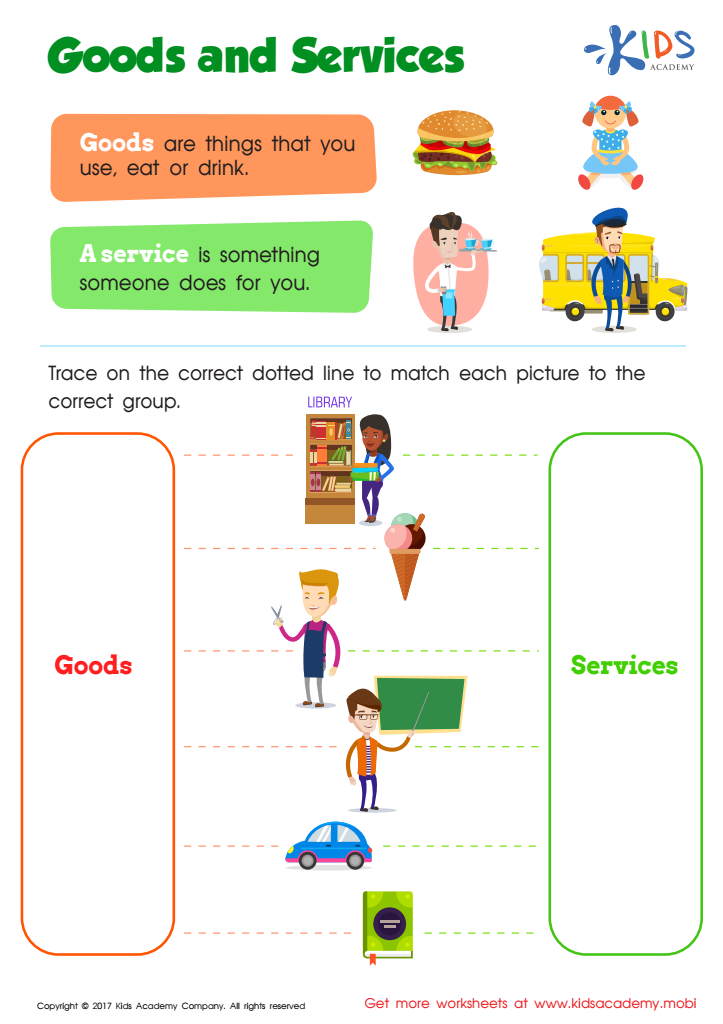
 Assign to My Students
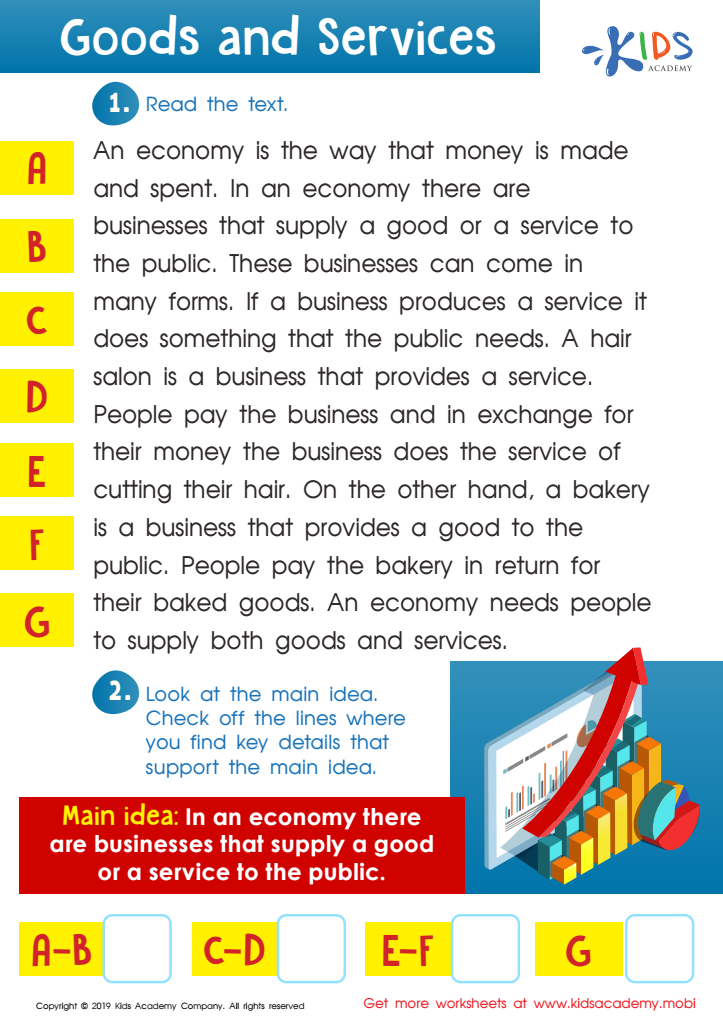
Goods and Services Worksheet
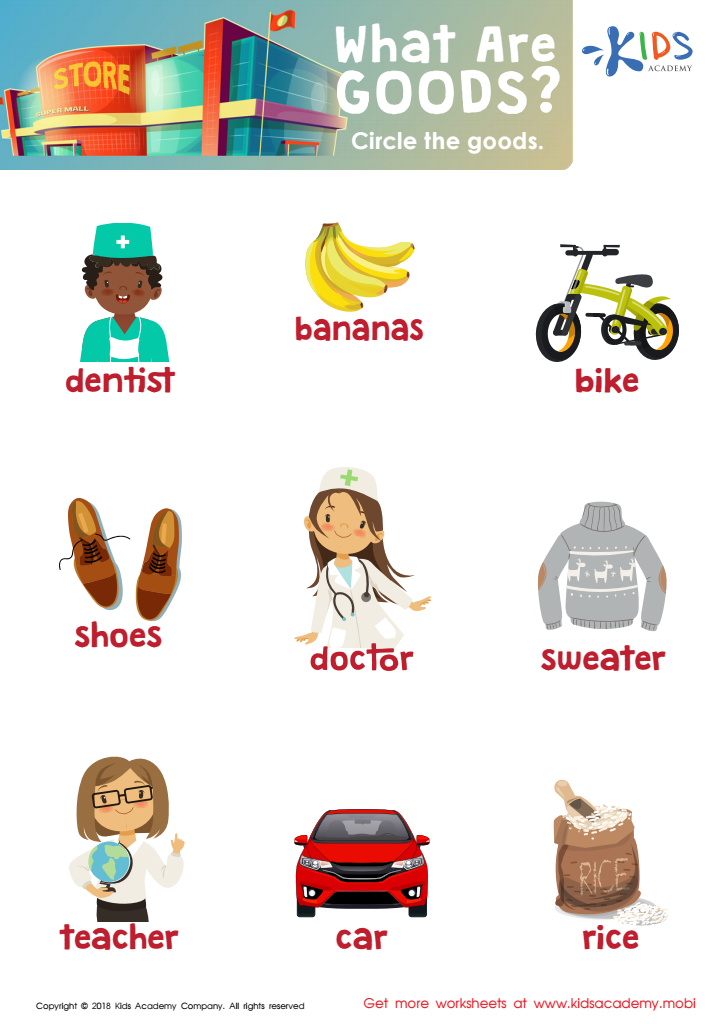
What Are Goods? Worksheet


.jpg)


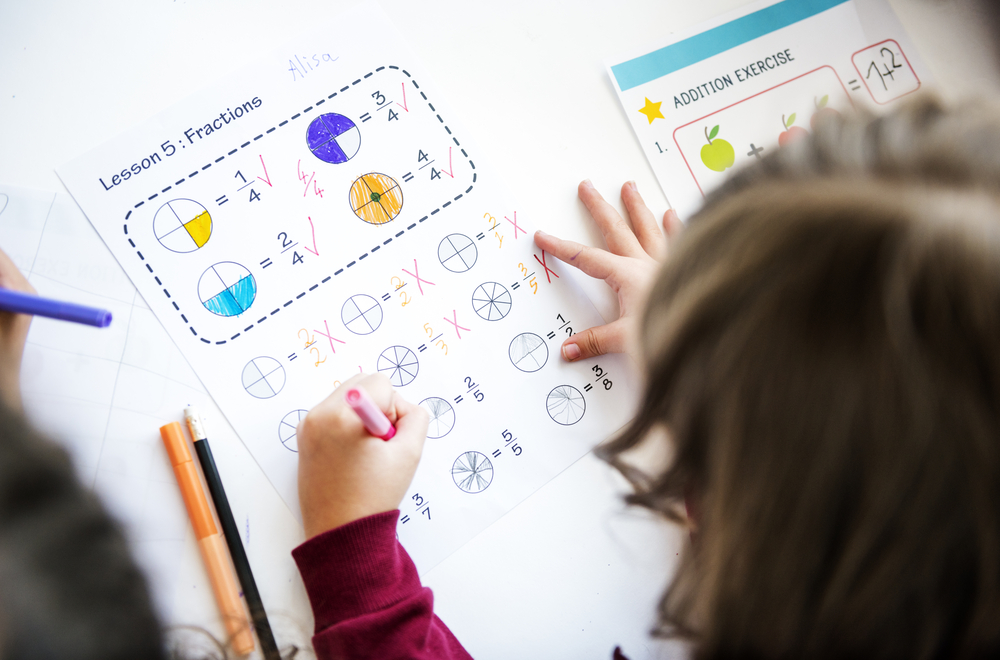


Differentiating goods and services for children aged 4-9 is vital for fostering their cognitive and emotional development. At this tender age, kids are naturally curious, constantly learning, and forming their understanding of the world. By teaching them to differentiate between goods and services, parents and teachers enable them to grasp basic economic concepts early on, which builds a foundation for more complex financial literacy later in life.
Such knowledge helps children understand that goods are tangible items (like toys, books, or clothes) whereas services are activities performed by others to benefit them (such as teaching, haircuts, or medical checkups). Recognizing this distinction assists children in appreciating the diverse roles and contributions of various professionals in society.
Moreover, these lessons align with foundational math and social studies concepts, making classroom learning more relatable. For example, when learning about money, it becomes easier for children to understand why we spend differently on goods and services. This practical knowledge also encourages the development of responsible citizenship, fostering gratitude and respect for the work others do.
Lastly, emphasizing this differentiation can stimulate communication skills, as children learn specific vocabulary and concepts. Engaging, age-appropriate activities, such as role-playing or storytelling, can make these lessons both enjoyable and impactful. Through understanding, children learn to navigate their world more effectively, laying the groundwork for responsible and informed future decision-making.








