Improving categorization skills Normal Worksheets for Ages 4-9
3 filtered results
-
From - To
Enhance your child's learning journey with our "Improving Categorization Skills" worksheets, designed specifically for ages 4 to 9. These engaging and interactive worksheets help young learners develop essential categorization abilities, enabling them to group similar objects, sort items, and recognize patterns. Perfect for at-home learning or supplementary classroom activities, our resources incorporate colorful visuals and relatable themes to keep kids motivated and excited. Age-appropriate challenges encourage critical thinking and build a solid foundation for future academic success. Explore our comprehensive collection today and watch your child's confidence and cognitive skills grow as they master the art of categorization!
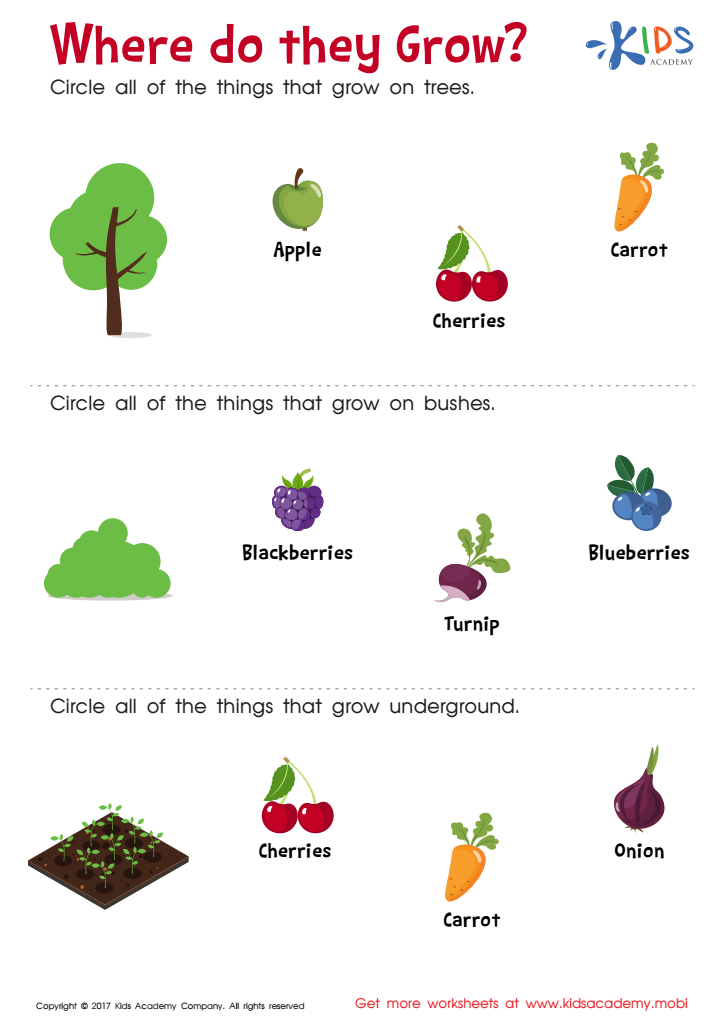
Where Do They Grow Worksheet
 Assign to My Students
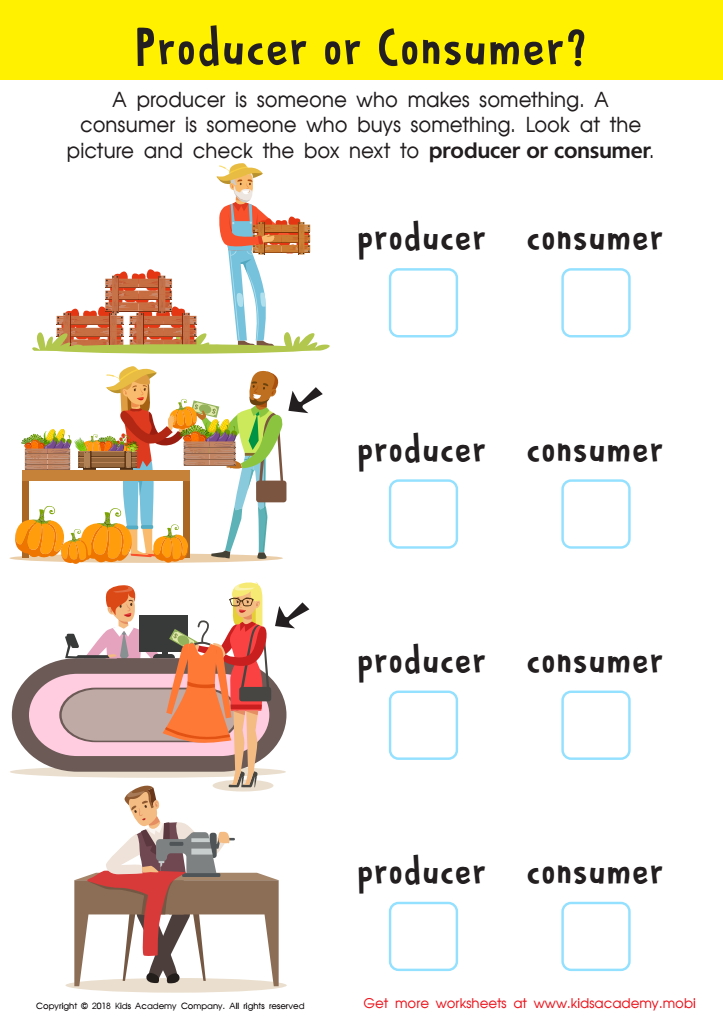
Producer or Consumer? Worksheet
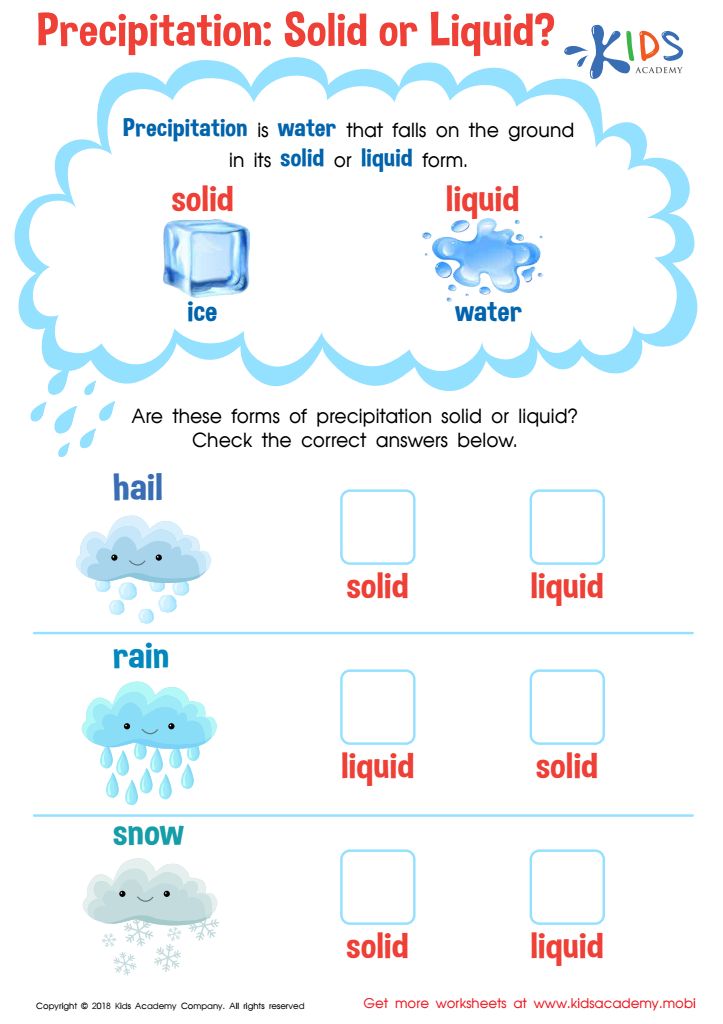
Precipitation: Solid or Liquid? Worksheet





Improving categorization skills is essential for children aged 4-9 because it forms the foundation for critical thinking and problem-solving. During this developmental stage, kids are naturally curious and constantly exploring their environment. By developing categorization skills, they learn to group objects, ideas, and experiences based on shared characteristics. This ability enhances cognitive skills such as classification, organization, and comparison.
For parents and teachers, fostering categorization skills supports early learning in various subjects, including math, science, and language arts. When children can categorize, they become better at identifying patterns and making connections, which are crucial skills in understanding complex concepts later on. Additionally, categorization helps enhance vocabulary as children learn to identify and name groups of items (e.g., animals, colors, shapes).
Encouraging categorization can also aid social development. Children learn to see similarities and differences among their peers, improving their capacity for empathy and relationship-building. Activities like sorting games, matching exercises, and thematic discussions can make learning enjoyable and interactive. Ultimately, caring about categorization skills equips children with the tools they need for academic success and personal growth, setting them on a path for lifelong learning and adaptability.








