Improving observation skills Normal Worksheets for Ages 4-9
4 filtered results
-
From - To
Enhance your child's observation skills with our engaging and interactive worksheets designed specifically for ages 4-9! Our "Improving Observation Skills" resources provide a fun way for young learners to develop critical thinking and attention to detail. Each worksheet encourages children to explore their surroundings, identify patterns, and enhance their ability to notice specifics in various contexts. With colorful illustrations and age-appropriate activities, these materials will motivate kids to observe actively and learn meaningfully. Perfect for classroom use or at-home learning, our worksheets foster cognitive growth while ensuring a delightful educational experience. Start building essential observation skills today!
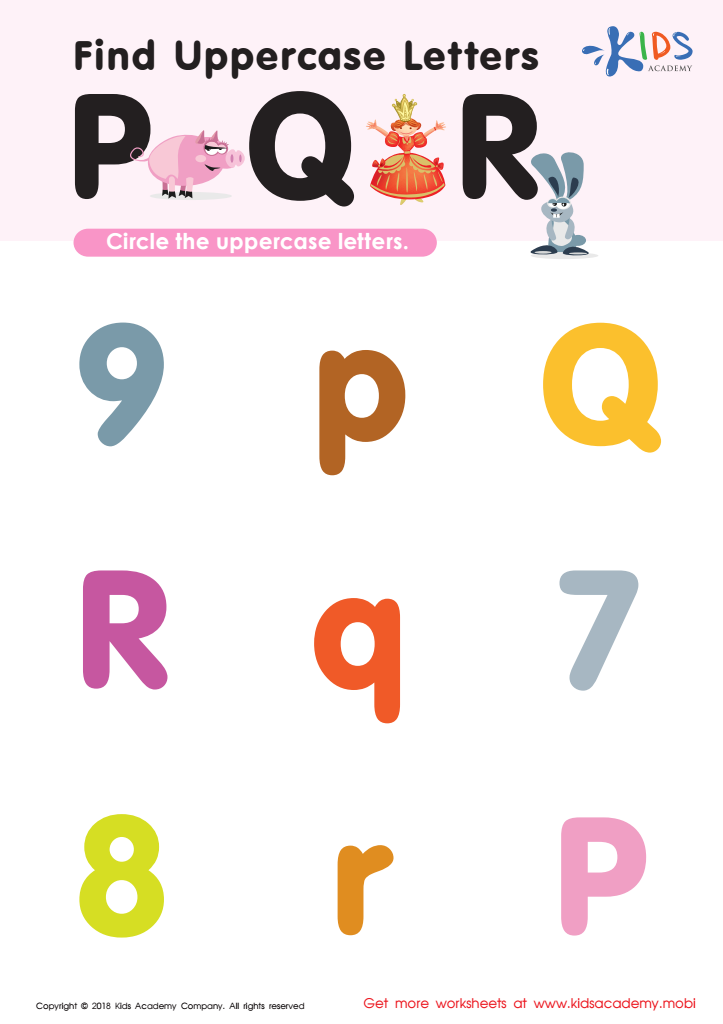
Find Uppercase Letters P, Q, and R Worksheet
 Assign to My Students
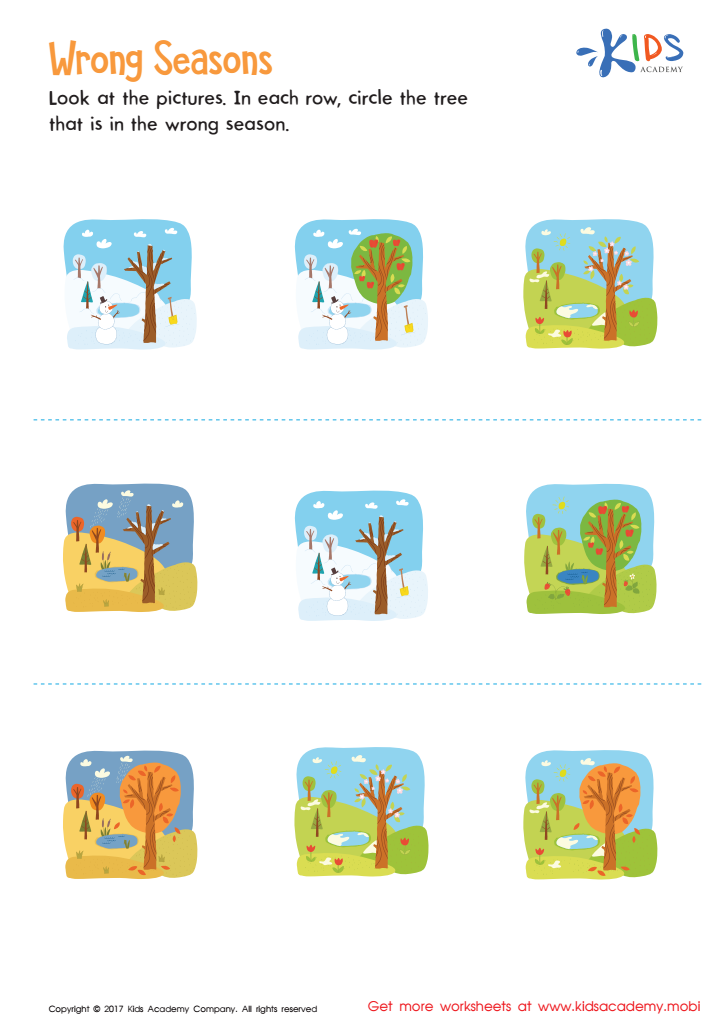
Wrong Seasons Worksheet
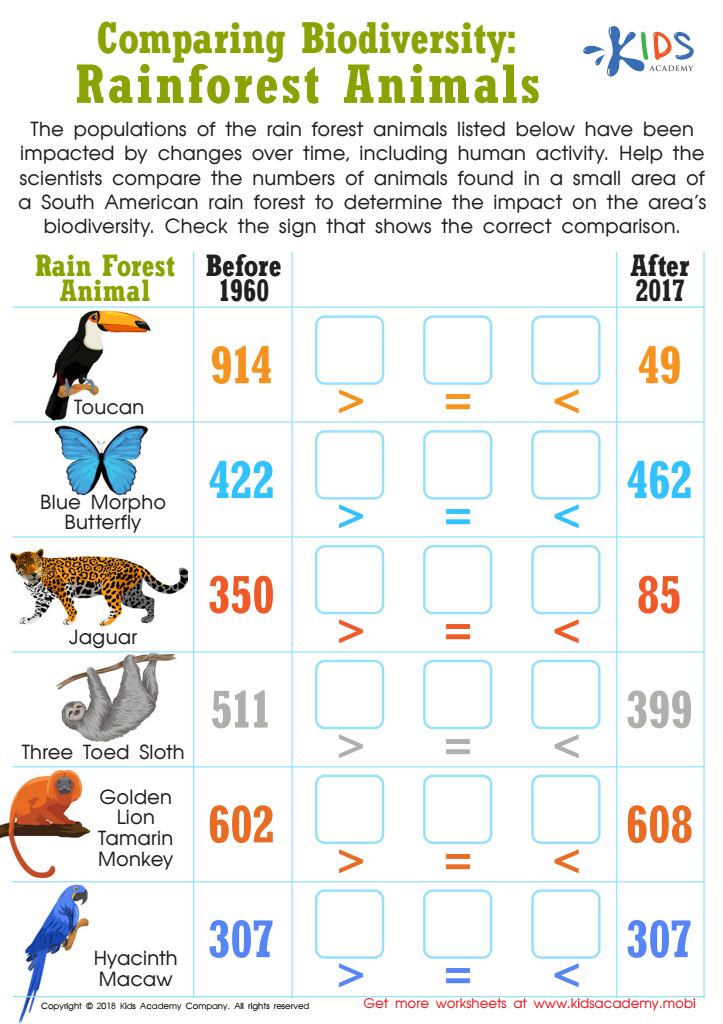
Comparing Biodiversity: Rainforest Animals Worksheet
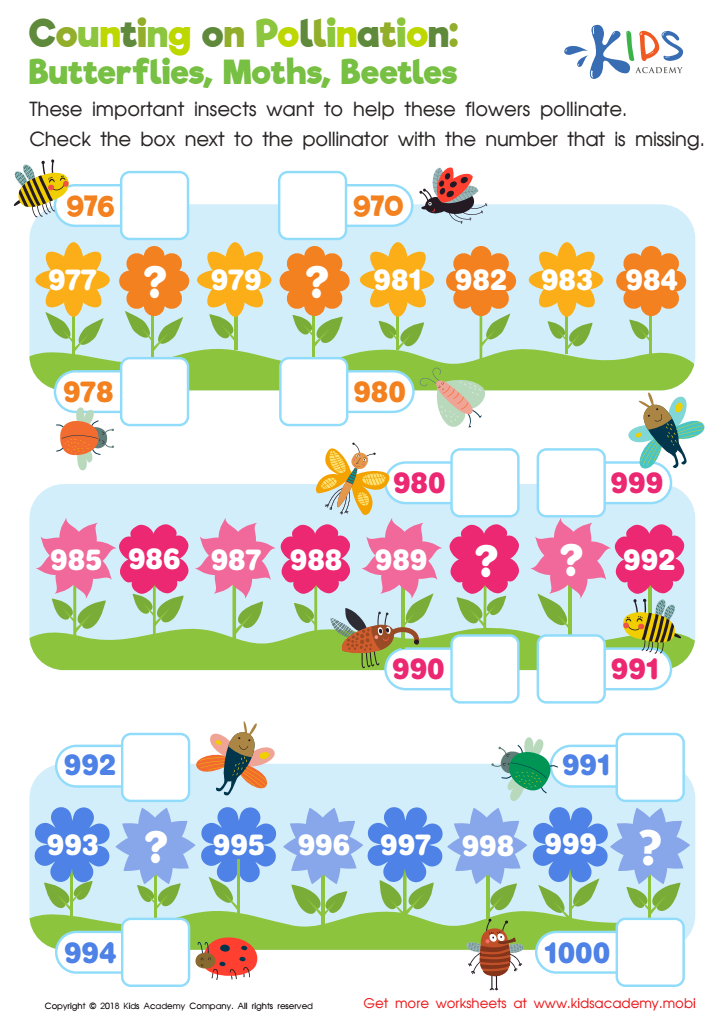
Counting on Pollination: Butterflies, Moths, Beetles Worksheet








Improving observation skills in children aged 4-9 is essential for their overall development and learning. First, these skills form the foundation for critical thinking. When children learn to observe their surroundings carefully, they cultivate the ability to analyze, infer, and draw conclusions about what they see. Moreover, observation encourages curiosity, motivating children to ask questions and explore topics in depth.
Second, strong observation skills enhance social interactions. Children who can notice non-verbal cues, such as facial expressions and body language, are better equipped to empathize and understand their peers. This emotional intelligence fosters positive relationships and helps children navigate social scenarios effectively.
Furthermore, observation skills boost academic performance. Children who observe details in nature, art, or experiments can connect lessons to real-world contexts, making learning more engaging and meaningful. Lastly, enhanced observation skills instill a lifelong love for learning and exploration. Through attentive observation, children develop a deeper appreciation for their environment, encouraging them to become inquisitive and thoughtful individuals.
In summary, nurturing observation skills in early childhood supports critical thinking, social interaction, academic success, and a passion for discovery, making it a vital focus for parents and teachers alike.








