Letter Tracing Practice Normal Worksheets for Ages 4-9
6 filtered results
-
From - To
Our "Letter Tracing Practice Normal Worksheets for Ages 4-9" are designed to help young learners master the art of writing. These printable worksheets are perfect for children aged 4 to 9, providing engaging and educational tracing activities to enhance their fine motor skills and letter recognition. Each sheet offers clear, traceable letters, guiding young hands in creating precise and confident strokes. Ideal for both classroom and home practice, these worksheets serve as an excellent foundational tool to support early literacy development. Access a world of learning with our thoughtfully crafted letter tracing worksheets!
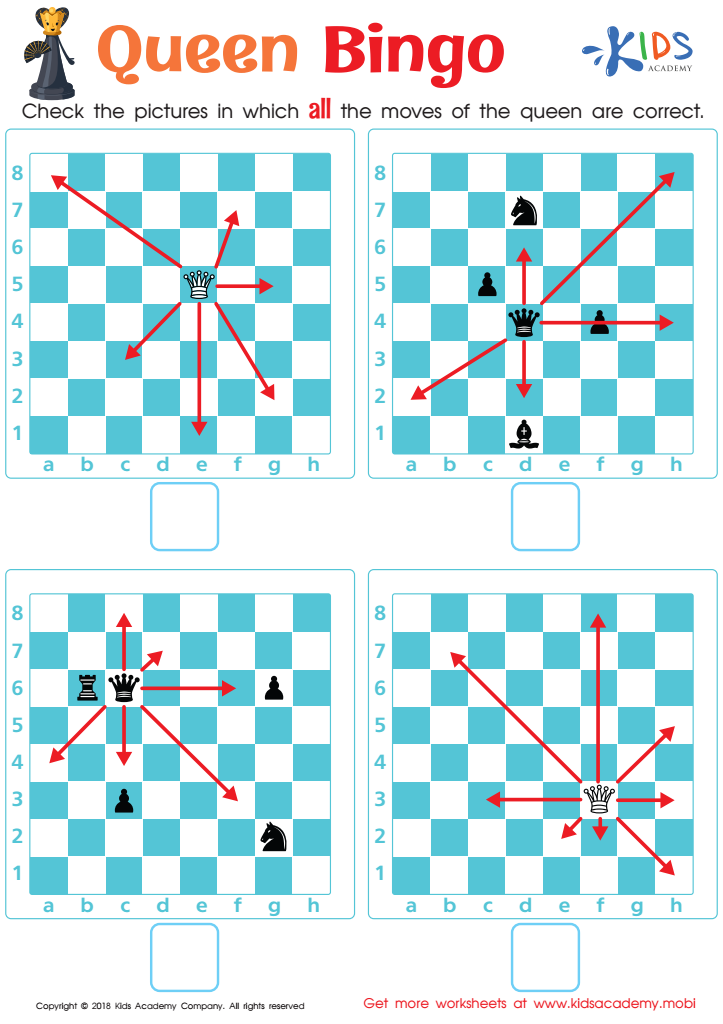
Queen Bingo Worksheet
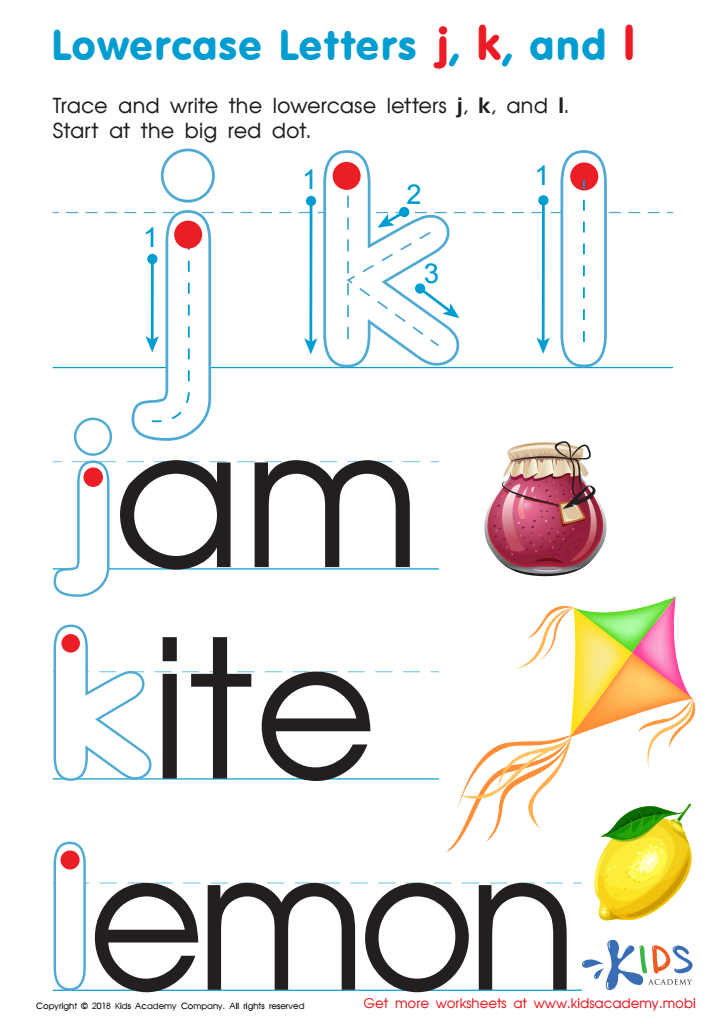
Lowercase Letters j k l Worksheet
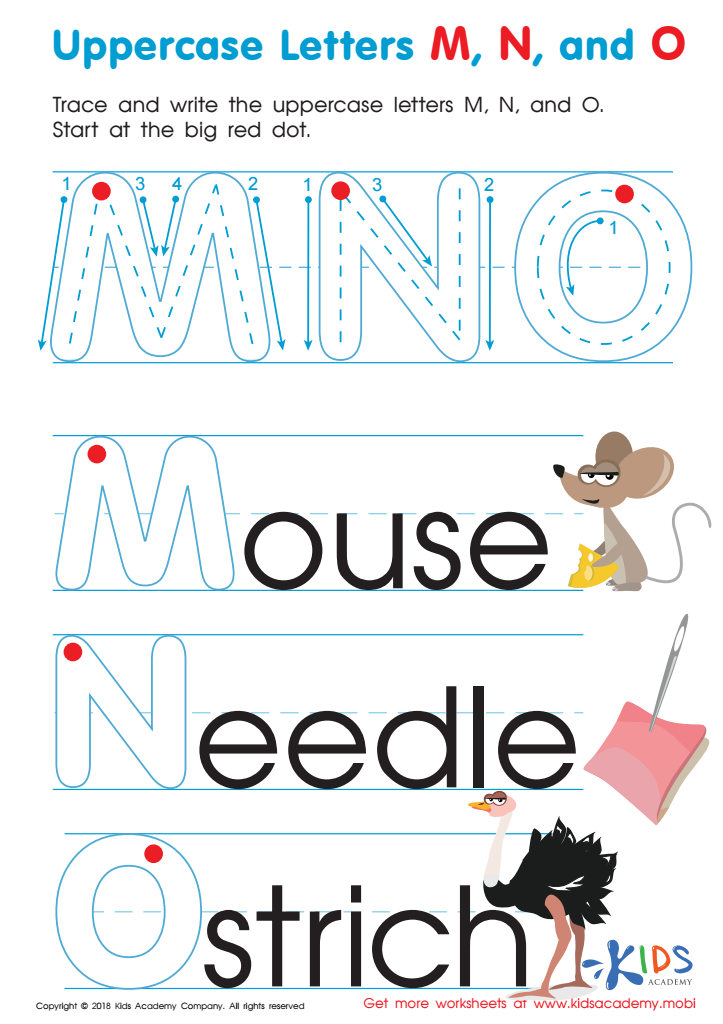
Uppercase Letters M, N, and O Worksheet
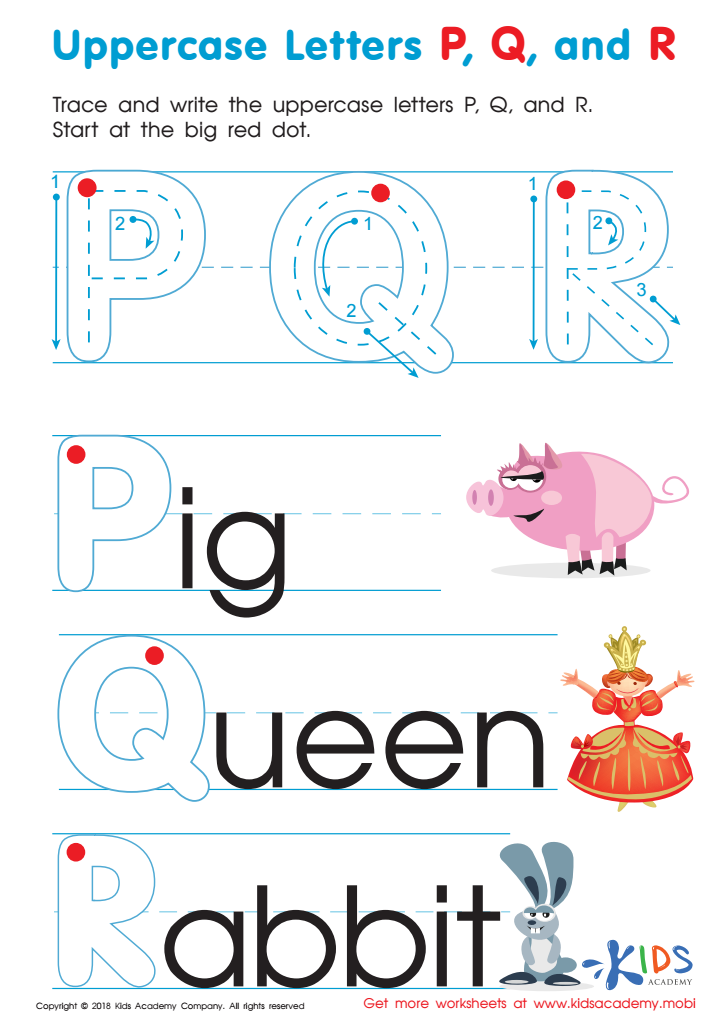
Uppercase Letters P, Q, and R Worksheet
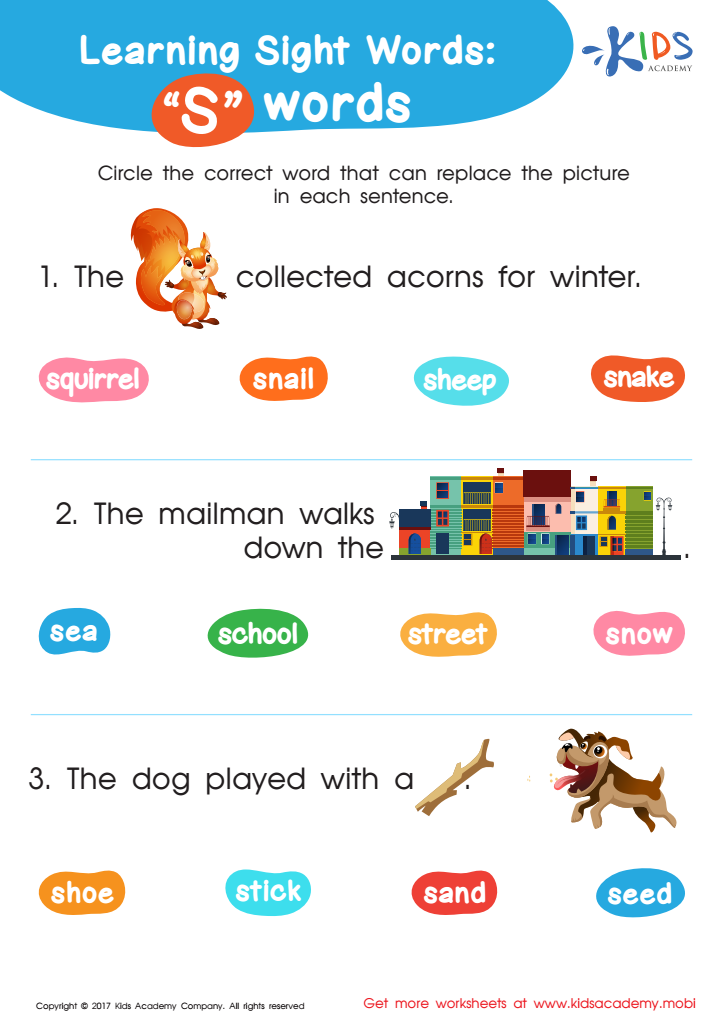
S Words Sight Words Worksheet

Letter F Coloring Sheet
 Assign to My Students








Letter tracing practice is a foundational activity critical for children aged 4-9 as it lays the groundwork for essential literacy skills. During these early developmental years, engaging in letter tracing helps kids understand the mechanics of writing, including letter formation, spacing, and fine motor control.
Firstly, letter tracing cultivates fine motor skills and hand-eye coordination. As children meticulously follow the lines to form each letter, they develop the muscle memory needed for writing, aiding their overall hand dexterity.
Secondly, it familiarizes children with the alphabet, a crucial step in literacy. Repeated tracing helps young learners identify and distinguish between different letters, boosting their ability to recognize and eventually reproduce them independently. This practice promotes confidence and reduces the anxiety often associated with writing tasks.
Thirdly, letter tracing acts as a gentle introduction to writing for young children, making the learning process engaging and less intimidating. It often incorporates visual and tactile learning styles, utilizing textured letters or colorful guides that make the activity fun and interactive.
For teachers and parents, investing time in letter tracing practice is an investment in a child’s future educational success. This activity not only prepares children for the more complex skills of reading and writing but also contributes positively to their self-esteem by showing measurable progress in their abilities.








