
Phonics development Normal Worksheets for Ages 4-9
3 filtered results
Difficulty Level
Grade
Age
-
From - To
Subject
Activity
Standards
Discover our engaging Phonics Development Worksheets, designed specifically for children ages 4 to 9. These worksheets are perfect for enhancing early literacy skills, encouraging phonetic awareness, and building a strong foundation in reading. Featuring a variety of fun activities, our resources help young learners master letter sounds, blending techniques, and sight words through interactive play. Each worksheet promotes creativity and critical thinking, making learning enjoyable for both children and parents. Ideal for classroom use or homeschooling, our downloadable worksheets are easily accessible and tailored to cater to diverse learning styles. Support your child's reading journey today with our phonics development resources!
Favorites
With answer key
Interactive
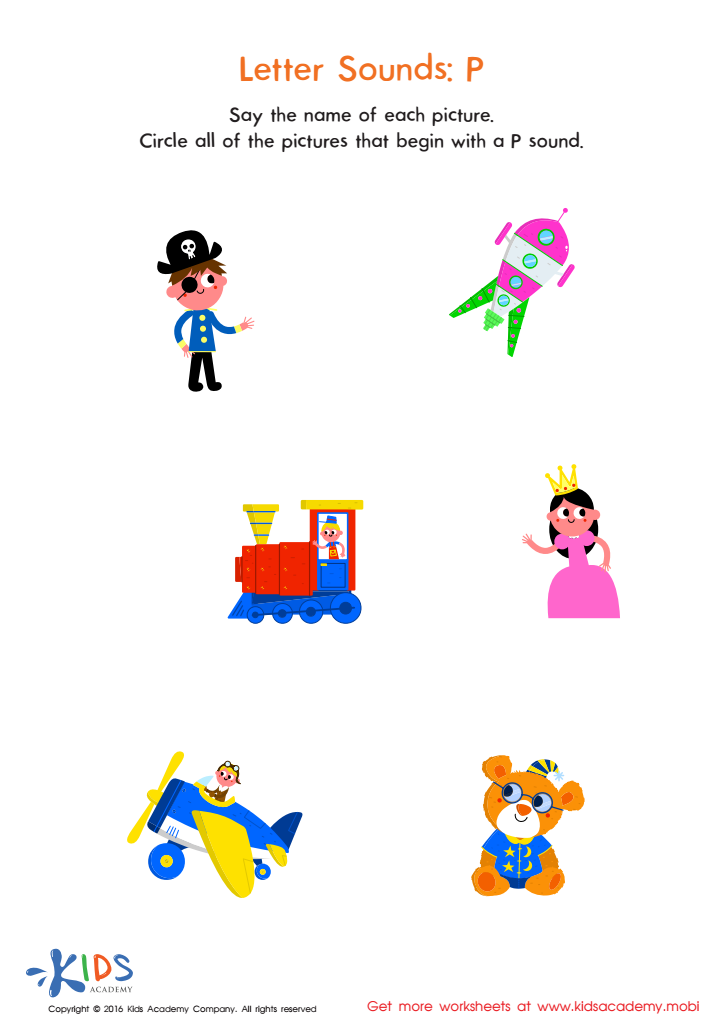
Letter P Sound Worksheet
Think P! Kids practice phonics with this fun letter P worksheet. With delightful illustrations, they'll sound out simple words and get closer to reading.
 Assign to My Students
Letter P Sound Worksheet
Worksheet
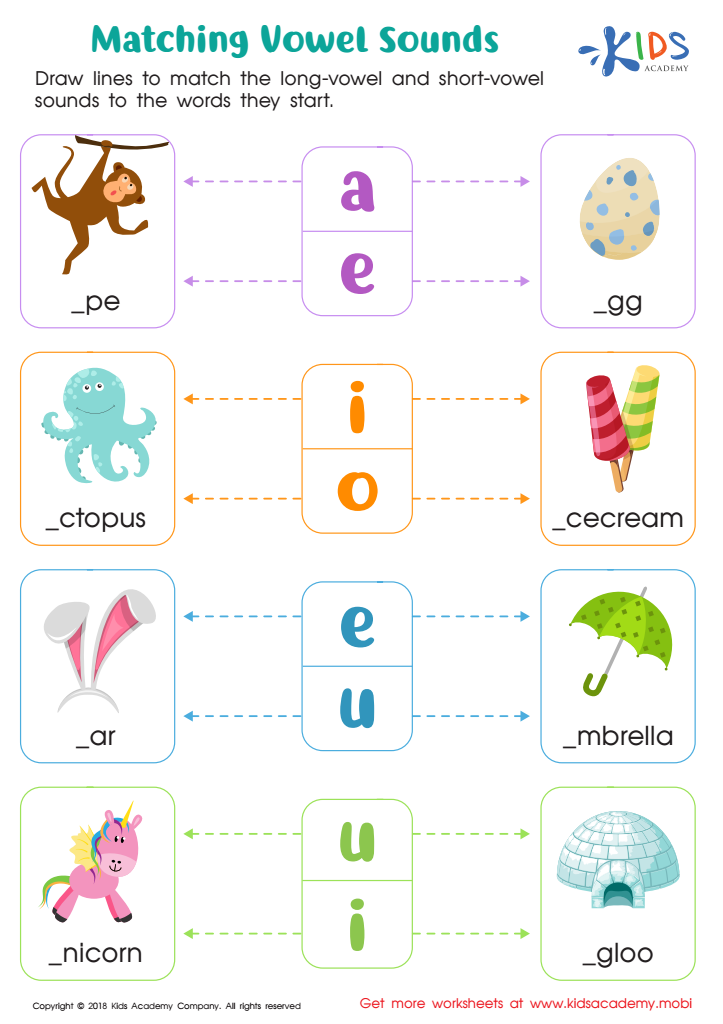
Matching Vowel Sounds Worksheet
Teach your child phonics with a fun worksheet! Ask your child to name a vowel sound and listen if it's long or short. Differentiating between long and short vowel sounds can be tricky, but this matching worksheet makes it easy for kids to understand. Have fun and master phonics - the worksheet will help them understand the difference between long and short vowel sounds!
Matching Vowel Sounds Worksheet
Worksheet
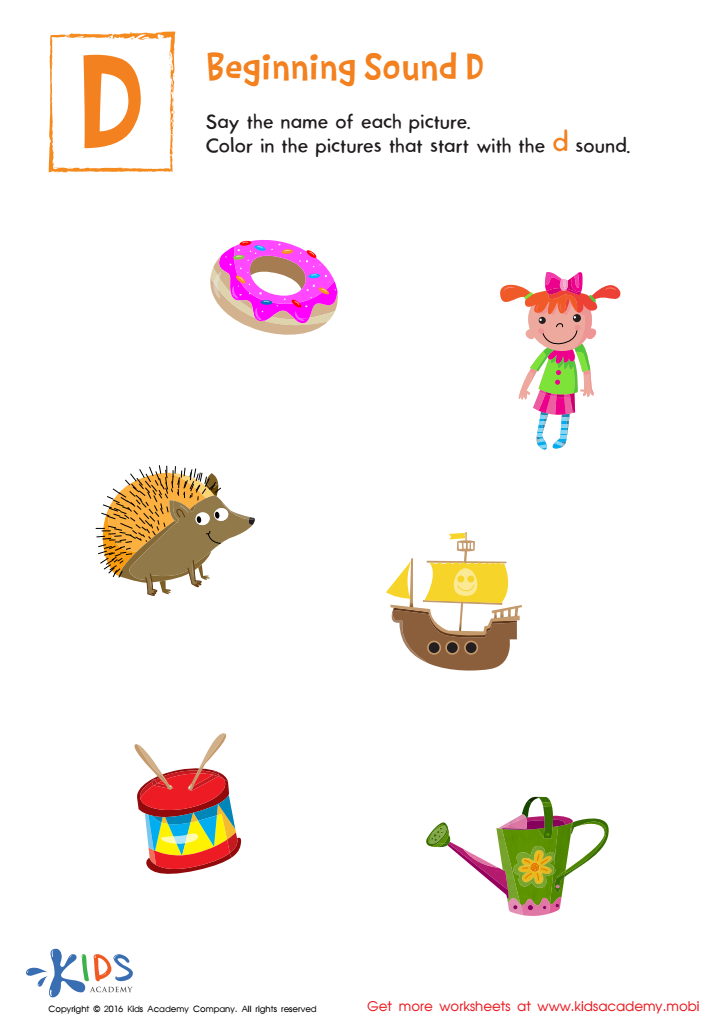
Beginning Sound D Worksheet
Reinforce phonics with this vibrant beginning sound d worksheet! Pictures help kids identify words beginning with 'd' and develop early reading skills. Sounding out each word increases literacy!
Beginning Sound D Worksheet
Worksheet
Join Kids Academy for Free
Who is primarily going to use this learning content?








Phonics development is crucial for children aged 4-9, as it forms the foundation for reading and writing skills essential for academic success. During this stage, children begin to learn how letters and sounds connect, enabling them to decode words independently. This skill not only promotes literacy but also enhances comprehension and vocabulary development, which are integral for effective communication.
Parents and teachers should prioritize phonics because research shows that strong phonics instruction fosters confidence in young learners. As children master the sounds of letters and word patterns, their ability to read increases, leading to a more positive attitude towards reading. Phonics also aids in the development of spelling skills, directly impacting a child's ability to express their thoughts through writing.
Moreover, early phonics instruction can help identify and support children who may struggle with reading, enabling targeted interventions before difficulties escalate. Engaging with phonics at home and in the classroom promotes a reading-rich environment that cultivates a lifelong love for learning. Ultimately, prioritizing phonics development empowers children not only to succeed academically but also to navigate and enjoy the world of literacy as they grow.








